
European Bird Cherry Seeds
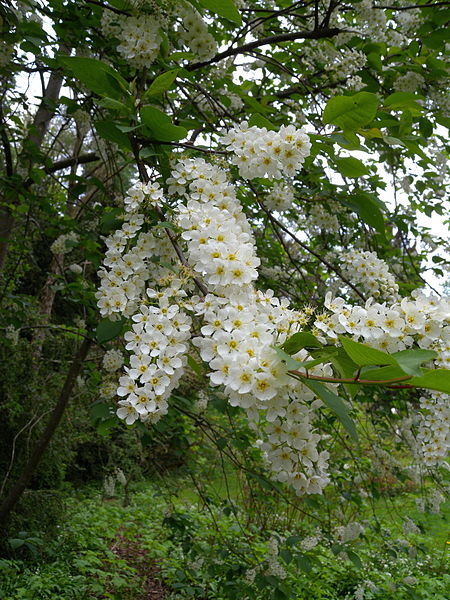
Landscape Rating: ⭐⭐⭐⭐⭐ (5/5 Stars)
Plant CharacteristicsEuropean Bird Cherry is a beautiful flowering tree native to Europe and northern Asia. Valued for its graceful form, fragrant spring blossoms, colorful fruits, and wildlife benefits, it has been a cherished ornamental and woodland tree for centuries.
Mature specimens typically reach 20 to 50 feet in height with a rounded crown and attractive branching structure. In spring, the tree becomes covered with long, pendulous clusters of creamy white flowers that create a spectacular floral display and fill the air with a sweet fragrance.
Following bloom, small dark purple to black cherries develop in hanging clusters. These fruits are especially attractive to birds, giving rise to the common name "Bird Cherry."
As a specimen lawn tree, European Bird Cherry provides four-season interest through flowers, fruit, foliage, and attractive bark.
Landscape Uses- Specimen lawn tree
- Flowering accent tree
- Wildlife landscapes
- Naturalized plantings
- Woodland gardens
- Pollinator gardens
- Estate landscapes
- Historic gardens
The tree's graceful flowers and excellent wildlife value make it a wonderful choice for both ornamental and ecological landscapes.
Important Landscape NoteEuropean Bird Cherry performs particularly well in cooler climates and appreciates adequate moisture during establishment. It is an excellent choice for northern gardens.
Germination Information- Cold stratify seeds for 90-120 days.
- Sow approximately ½ inch deep.
- Maintain temperatures between 60-75°F after stratification.
- Keep soil evenly moist.
- Provide bright light.
- Germination may occur over several weeks to months.
- Botanical Name: Prunus padus
- Plant Type: Deciduous Flowering Tree
- USDA Zones: 3-7
- Sun Exposure: Full Sun to Partial Shade
- Mature Height: 20-50 Feet
- Mature Spread: 15-35 Feet
- Growth Rate: Moderate
- Soil Preference: Moist, fertile, well-drained soils
- Water Requirements: Moderate
European Bird Cherry adapts well to a variety of soils and thrives in cool-temperate climates. It performs especially well near streams, woodland edges, and moist landscape settings.
Container GrowingYoung seedlings may be grown in containers for several years, but mature trees are best planted in the landscape where their canopy can fully develop.
Pollinator & Wildlife ValueThe fragrant flowers attract bees, butterflies, and many beneficial pollinating insects. The fruit is highly valued by birds, including thrushes, waxwings, and other songbirds.
The tree provides food, shelter, and nesting opportunities for a wide variety of wildlife species.
Historical & Cultural SignificanceEuropean Bird Cherry has been associated with European woodlands for thousands of years. It appears in folklore, traditional medicine, and rural landscapes throughout its native range.
Historically, the bark, flowers, and fruits were used for a variety of traditional purposes, while the tree itself became a familiar sight near villages, farms, and forest edges.
Its fragrant spring bloom has long symbolized the arrival of warmer weather throughout northern Europe.
Botanical Facts- Member of the Rose Family (Rosaceae).
- Native to Europe and northern Asia.
- Produces long clusters of fragrant white flowers.
- Develops dark fruits favored by birds.
- Excellent wildlife tree.
- Cold hardy and adaptable.
European Bird Cherry offers an outstanding combination of spring flowers, wildlife value, and ornamental beauty. It is one of the finest flowering trees for naturalized landscapes and northern gardens.
Additional Seedman NoteDuring spring bloom, the hanging flower clusters of European Bird Cherry can cover the tree so heavily that it appears draped in white garlands. Combined with their sweet fragrance and the later arrival of bird-attracting fruits, the tree provides a seasonal display that has been admired across Europe for centuries.
For over a thousand more unique seed varieties, all in stock and ready to ship, visit our Seed Catalog Index Page .

Contact Us | Privacy Policy | About Us
Serving gardeners since 1992
State of Mississippi Seedmen's Permit #C-391, Ohio 90152, Minnesota 20086777