
Mandshurian Apricot Seeds
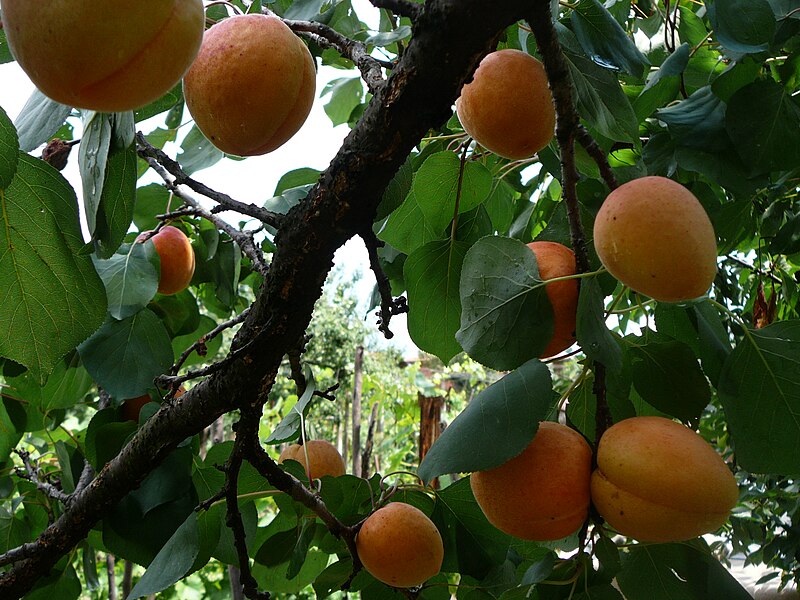

Mandshurian Apricot is an exceptionally cold-hardy apricot native to northeastern China, Manchuria, Korea, and parts of eastern Russia. Renowned for its spectacular spring blossoms, attractive orange fruits, and remarkable ability to withstand severe winter temperatures, this tree has become highly valued by gardeners and fruit breeders alike.
In spring, the bare branches become covered with clouds of pale pink to white blossoms, creating one of the most beautiful displays among hardy fruit trees. By summer, the tree produces crops of golden-orange apricots that can be enjoyed fresh or used in a wide variety of traditional recipes.
Its combination of beauty, fruit production, and extreme cold tolerance makes Mandshurian Apricot one of the finest fruit trees for northern gardens.
Plant Characteristics- Botanical Name: Prunus armeniaca var. mandshurica
- Common Names: Mandshurian Apricot, Manchurian Apricot, Hardy Apricot
- Plant Type: Deciduous fruit tree
- USDA Zones: 3-7
- Height: 15-30 feet
- Spread: 15-25 feet
- Sun Requirements: Full sun
- Flower Color: White to pale pink
- Bloom Time: Early spring
- Fruit Color: Golden orange to orange-red
The fruits resemble traditional apricots but are often somewhat smaller and more intensely flavored. The flesh is sweet, aromatic, and highly versatile.
- Fresh eating
- Jams and preserves
- Dried apricots
- Pies and pastries
- Fruit sauces
- Canning
- Fruit wines
- Homestead orchards
The fruits ripen during summer and are prized for both fresh consumption and processing.
Important NoteMandshurian Apricot is valued primarily for its exceptional cold hardiness. While many apricot varieties suffer winter damage in northern climates, this hardy selection evolved in regions where winter temperatures regularly plunge far below zero.
Germination Instructions- Remove pits from fully ripe fruits.
- Allow pits to dry briefly.
- Cold stratify for 90-120 days at 34-40°F.
- Sow approximately 1 inch deep in a well-drained medium.
- Maintain moderate moisture.
- Provide temperatures of 65-75°F after stratification.
- Germination usually occurs during spring warming.
- Transplant seedlings once established.
Mandshurian Apricot grows best in full sun and well-drained soil. It performs particularly well in regions with cold winters and warm summers.
The tree develops an attractive rounded canopy and becomes increasingly ornamental with age. Regular watering during establishment helps ensure vigorous growth, although mature trees become relatively drought tolerant.
Proper air circulation and a sunny planting site help promote healthy growth and fruit production.
Container GrowingYoung trees can be grown in large containers, but permanent landscape planting is recommended.
- Use deep containers with excellent drainage.
- Provide full sun exposure.
- Water consistently during establishment.
- Prune lightly as needed.
- Transplant before root restriction occurs.
Because of its eventual size and fruiting potential, the tree is best suited to orchard or landscape culture.
Pollinator ValueThe abundant early spring blossoms provide an important nectar source for bees and other pollinating insects. When flowering, the tree often becomes one of the most active pollinator destinations in the garden.
Wildlife ValueBirds and small mammals enjoy fallen fruits, while the tree provides seasonal shelter and nesting opportunities. The flowers support beneficial insects and contribute to overall garden biodiversity.
Historical and Cultural SignificanceApricots have been cultivated throughout Asia for thousands of years, and the Mandshurian Apricot represents one of the hardiest populations of this ancient fruit. It evolved in regions known for long, severe winters and became an important genetic resource for developing cold-hardy apricot varieties.
In northern China and Manchuria, apricots have long been valued for food, medicine, and ornamental beauty. The species continues to play an important role in fruit breeding and conservation efforts.
Interesting Botanical Facts- Mandshurian Apricot is among the most cold-hardy apricots known.
- It belongs to the same genus as plums, peaches, cherries, and almonds.
- The blossoms often appear before the leaves emerge.
- Its genetics have contributed to modern hardy apricot breeding programs.
- The tree combines ornamental and edible value in a single plant.
Many gardeners assume apricots are only for mild climates, but Mandshurian Apricot proves otherwise. This remarkable tree evolved in some of the coldest fruit-growing regions of Asia and has helped breeders develop apricots capable of thriving where traditional varieties fail. Add in spectacular spring flowers, delicious fruit, and outstanding ornamental value, and it becomes clear why this hardy apricot has earned such respect among northern fruit growers. For gardeners seeking a productive fruit tree that can handle serious winters, Mandshurian Apricot is one of the best choices available.
For more planting details, see our AI fact sheet for this variety.
For over a thousand more unique seed varieties, all in stock and ready to ship, visit our Seed Catalog Index Page .

Contact Us | Privacy Policy | About Us
Serving gardeners since 1992
State of Mississippi Seedmen's Permit #C-391, Ohio 90152, Minnesota 20086777