
Nanking Cherry Seeds
Landscape Rating: ⭐⭐⭐⭐⭐ (5/5 Stars)
Plant CharacteristicsNanking Cherry is one of the most rewarding multi-purpose landscape shrubs available to gardeners. Native to northern China, Mongolia, and Korea, this hardy species combines spectacular spring flowers, edible fruit, wildlife value, and exceptional cold tolerance in a single ornamental plant.
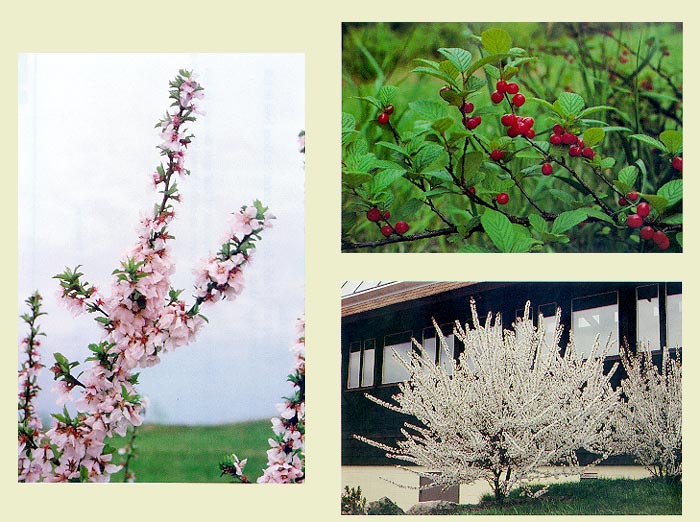
Typically growing 6 to 10 feet tall and wide, Nanking Cherry forms a dense, rounded shrub that is equally attractive in bloom, fruit, and foliage. In early spring, before many landscape plants awaken from winter dormancy, the branches become covered with masses of soft pink blossoms that create a stunning display.
By early summer, the flowers give way to bright red cherries that resemble miniature pie cherries. The fruits are edible, pleasantly tart-sweet, and highly prized for jams, jellies, sauces, and fresh eating.
As a lawn specimen shrub, Nanking Cherry provides nearly year-round interest while offering both ornamental beauty and an edible harvest.
Landscape Uses- Specimen lawn shrub
- Edible landscape plant
- Flowering accent shrub
- Wildlife gardens
- Pollinator landscapes
- Windbreak plantings
- Naturalized landscapes
- Cold-climate gardens
Its combination of flowers, fruit, and hardiness makes it one of the most versatile landscape shrubs for northern gardeners.
Important Landscape NotePlant more than one Nanking Cherry whenever possible. Cross-pollination between plants generally improves fruit production and results in heavier harvests.
Germination Information- Cold stratify seeds for 90-120 days.
- Sow approximately ½ inch deep.
- Maintain temperatures between 60-75°F after stratification.
- Keep evenly moist.
- Provide bright light.
- Germination may occur over several weeks.
- Botanical Name: Prunus tomentosa
- Plant Type: Deciduous Fruiting Shrub
- USDA Zones: 2-7
- Sun Exposure: Full Sun
- Mature Height: 6-10 Feet
- Mature Spread: 6-10 Feet
- Growth Rate: Moderate
- Soil Preference: Well-drained soils
- Water Requirements: Moderate
Nanking Cherry adapts to a wide range of soil types and is remarkably tolerant of cold winters, drought, and challenging growing conditions once established.
Container GrowingYoung plants can be grown in large containers for several years. Dwarf growth habits and attractive spring flowers make container culture possible where space is limited.
Pollinator & Wildlife ValueThe early spring flowers attract bees and numerous beneficial pollinating insects. The fruit is eagerly consumed by songbirds, making this one of the most wildlife-friendly fruiting shrubs available.
The dense branching structure also provides valuable nesting and shelter habitat.
Historical & Cultural SignificanceNanking Cherry has been cultivated in Asia for centuries as both an ornamental and food-producing plant. It was introduced to North America in the late nineteenth century and quickly became popular among homesteaders and northern gardeners.
Its ability to survive severe winters while producing reliable fruit crops made it especially valuable across the northern United States and Canada.
Today it remains a favorite plant for edible landscapes and wildlife gardens.
Botanical Facts- Member of the Rose Family (Rosaceae).
- Native to China, Mongolia, and Korea.
- Produces edible bright red cherries.
- Extremely cold hardy.
- Flowers heavily in early spring.
- Excellent wildlife and pollinator plant.
Nanking Cherry offers one of the finest combinations of ornamental beauty and edible value available in a landscape shrub. Its spring blossoms, attractive fruit, and exceptional hardiness make it a standout performer in northern gardens.
Additional Seedman NoteFew landscape shrubs work harder than Nanking Cherry. In spring it rivals ornamental flowering cherries with clouds of pink blossoms, in summer it produces edible fruit, and throughout the year it serves as an important wildlife plant. This remarkable versatility has made it a favorite of gardeners, homesteaders, and wildlife enthusiasts for more than a century.
For more planting details, see our AI fact sheet for this variety.
For over a thousand more unique seed varieties, all in stock and ready to ship, visit our Seed Catalog Index Page .

Contact Us | Privacy Policy | About Us
Serving gardeners since 1992
State of Mississippi Seedmen's Permit #C-391, Ohio 90152, Minnesota 20086777