
Russian Mulberry Seeds
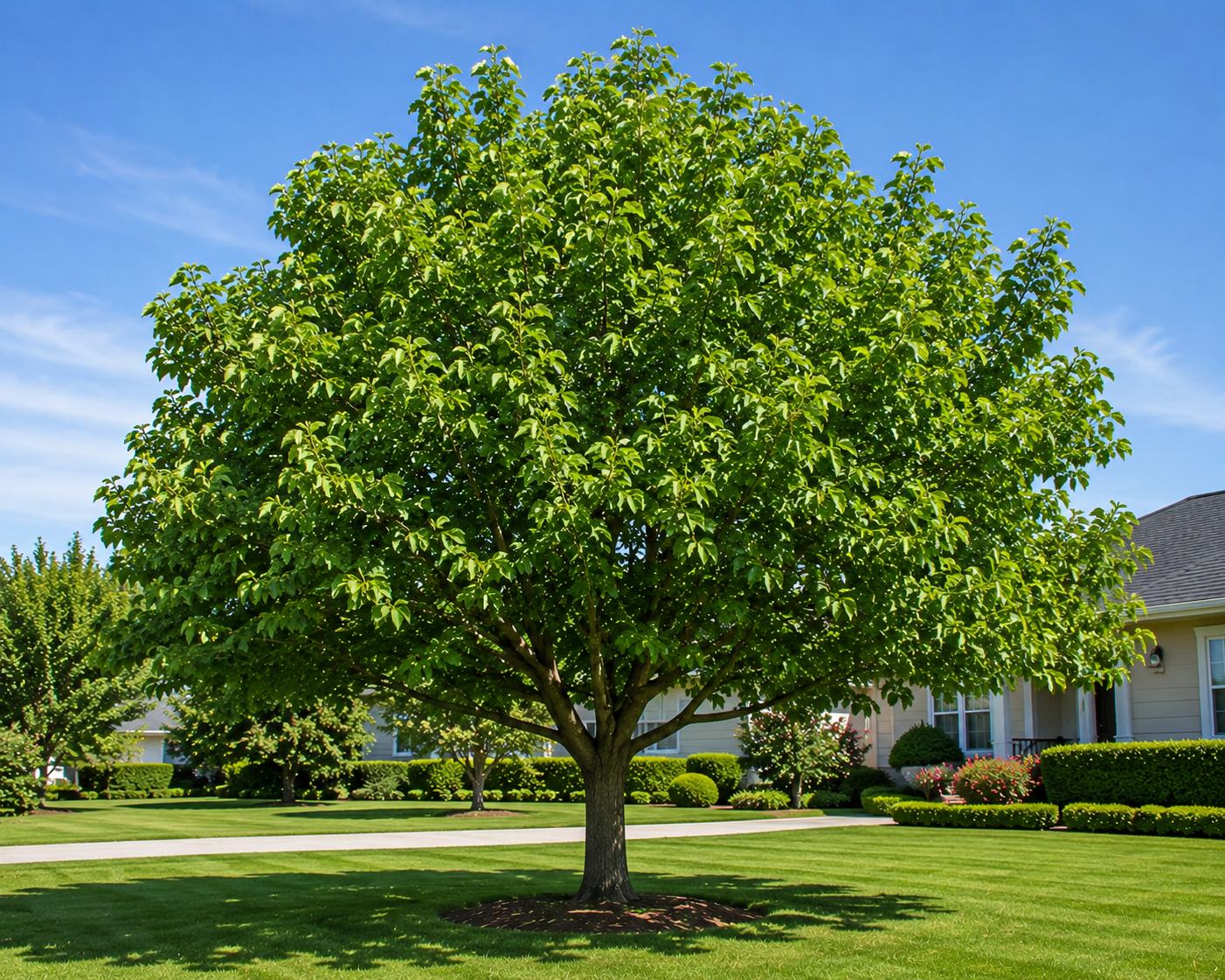
Landscape Rating: ⭐⭐⭐⭐⭐ (5/5 Stars)
Plant CharacteristicsRussian Mulberry, more properly known as White Mulberry, is a fast-growing, highly adaptable shade tree valued for its dense canopy, sweet edible fruits, wildlife benefits, and remarkable hardiness. Native to China and widely cultivated throughout Europe, Asia, and North America, this versatile species has become one of the most dependable landscape and homestead trees available.
Mature trees typically reach 30 to 60 feet in height with a broad, rounded crown that provides generous summer shade. The bright green leaves vary considerably in shape, sometimes appearing unlobed while others may be deeply lobed on the same tree.
During late spring and early summer, trees produce abundant fruits that ripen from green to white, pink, red, purple, or nearly black depending upon the individual tree. The sweet berries resemble elongated blackberries and are highly attractive to birds and wildlife.
Its attractive form, edible fruit, and exceptional adaptability make Russian Mulberry an excellent lawn and shade tree.
Landscape Uses- Specimen lawn tree
- Shade tree
- Edible landscape
- Wildlife plantings
- Homestead orchards
- Windbreaks
- Park landscapes
- Naturalized plantings
The broad canopy and rapid growth make Russian Mulberry particularly useful where quick shade and wildlife value are desired.
Important Landscape NoteFruiting trees may attract birds during berry season. If fruit drop is a concern near patios or walkways, placement should be carefully considered. Male trees are sometimes planted where fruit production is not desired.
Germination Information- Cold stratify seeds for 60-90 days.
- Sow seeds lightly on the soil surface or cover very lightly.
- Maintain temperatures between 65-75°F.
- Keep evenly moist.
- Provide bright indirect light.
- Germination generally occurs within 2-8 weeks.
- Botanical Name: Morus alba
- Plant Type: Deciduous Fruit and Shade Tree
- USDA Zones: 4-9
- Sun Exposure: Full Sun
- Mature Height: 30-60 Feet
- Mature Spread: 25-50 Feet
- Growth Rate: Fast
- Soil Preference: Adaptable to most soils
- Water Requirements: Low to Moderate
Russian Mulberry tolerates drought, heat, wind, urban conditions, poor soils, and a wide range of growing environments. Once established, it becomes one of the easiest shade trees to maintain.
Container GrowingYoung seedlings can be grown in containers for several years, but permanent landscape planting is recommended due to the tree's rapid growth and eventual size.
Pollinator & Wildlife ValueThe spring flowers provide pollen for beneficial insects, while the fruits attract countless bird species, squirrels, and other wildlife. During fruiting season, the tree often becomes one of the busiest wildlife gathering spots in the landscape.
Its dense canopy also provides nesting habitat and summer shelter for birds.
Historical & Cultural SignificanceWhite Mulberry was introduced throughout the world because its leaves are the preferred food source of the silkworm, the insect responsible for producing silk. Entire industries and trade routes were built around mulberry cultivation and silk production.
For centuries, mulberry trees have been grown not only for silk production but also for their fruit, shade, medicinal uses, and ornamental value.
In many regions, mature mulberry trees became treasured gathering places on farms and homesteads due to their dependable shade and abundant harvests.
Botanical Facts- Member of the Mulberry Family (Moraceae).
- Native to China.
- Primary food source of silkworms.
- Produces sweet edible berries.
- Leaves may vary dramatically in shape on the same tree.
- Highly adaptable and drought tolerant once established.
Russian Mulberry offers one of the best combinations of shade, wildlife value, fruit production, and toughness available in a single tree. It is an excellent choice for large lawns, homesteads, and naturalized landscapes.
Additional Seedman NoteFew trees have influenced human history as profoundly as White Mulberry. Entire civilizations built thriving silk industries around its leaves, helping fuel the famous Silk Road trade routes that connected Asia, Europe, and the Middle East. By planting a Russian Mulberry, gardeners are growing a tree whose influence helped shape global commerce for over 2,000 years.
For over a thousand more unique seed varieties, all in stock and ready to ship, visit our Seed Catalog Index Page .

Contact Us | Privacy Policy | About Us
Serving gardeners since 1992
State of Mississippi Seedmen's Permit #C-391, Ohio 90152, Minnesota 20086777