
Russian Olive Seeds
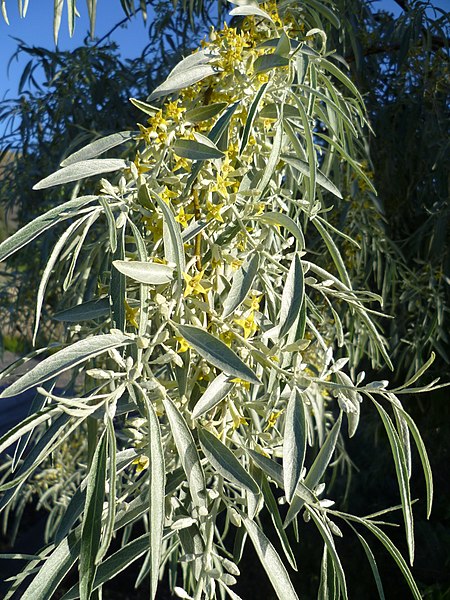
Russian Olive is a hardy, drought-tolerant fruiting tree prized for its silvery foliage, fragrant flowers, edible fruits, and remarkable adaptability. Native to parts of Europe and Asia, Elaeagnus angustifolia has long been cultivated as an ornamental tree, wildlife plant, windbreak, and food source in challenging climates.
The tree is instantly recognizable by its narrow silver-gray leaves, which shimmer in sunlight and create a distinctive appearance unlike most other landscape trees. During late spring, small yellow flowers appear among the foliage and release an intense sweet fragrance that can perfume an entire garden.
By late summer and autumn, the tree produces silvery-yellow to bronze-colored fruits. The fruits are edible and contain a sweet, mealy flesh that has been consumed for centuries in parts of Asia, Eastern Europe, and the Middle East. They are often eaten fresh, dried, or incorporated into traditional foods and beverages.
Russian Olive thrives in difficult conditions where many fruiting trees fail, making it especially valuable for dry regions, poor soils, windy locations, and conservation plantings.
Uses- Edible fruit production.
- Wildlife habitat plantings.
- Windbreaks and shelterbelts.
- Drought-tolerant landscapes.
- Pollinator gardens.
- Erosion control.
- Silvery ornamental foliage.
- Conservation projects.
- Remove seeds from ripe fruits.
- Clean thoroughly to remove pulp.
- Cold stratify seeds in moist peat moss or vermiculite for 60-90 days at 35-40°F (2-4°C).
- Sow seeds 1/2 inch deep in a well-drained growing medium.
- Keep soil lightly moist.
- Provide full sun once seedlings emerge.
- Germination may occur over several weeks.
- Transplant carefully once established.
- Botanical Name: Elaeagnus angustifolia
- Plant Type: Deciduous fruiting tree
- USDA Zones: 3-8
- Sun Exposure: Full sun
- Soil: Adaptable; tolerates poor soils
- Water: Low once established
- Height: 15-30 feet
- Spread: 12-25 feet
- Growth Rate: Moderate to fast
- Fruit Ripens: Late summer to fall
Russian Olive is highly adaptable and performs well in alkaline soils, sandy soils, clay soils, and other challenging environments. Once established, it exhibits excellent drought tolerance and can survive conditions that would stress many other fruiting species.
Fruit CharacteristicsThe small fruits contain sweet flesh surrounding a single seed. While not widely marketed commercially, they have a long history of use as a food source and are sometimes dried and stored for later consumption. The fruits are also highly attractive to wildlife.
Wildlife and Pollinator ValueThe fragrant flowers attract bees and pollinating insects, while the fruits provide food for numerous bird species and mammals. The dense branching structure offers nesting sites and shelter, making Russian Olive a valuable wildlife plant.
Special Features- Beautiful silver-gray foliage.
- Highly fragrant flowers.
- Produces edible fruits.
- Extremely drought tolerant.
- Excellent wildlife plant.
- Tolerates poor soils.
- Useful windbreak tree.
- Cold hardy and adaptable.
Russian Olive has been cultivated across Central Asia, Russia, the Middle East, and parts of Europe for centuries. In some regions, the fruits were traditionally dried and stored as an important food resource during winter months.
The species belongs to the same family as Autumn Olive and Goumi Berry, both of which are also known for their edible fruits and ability to thrive in difficult growing conditions.
One of its most remarkable traits is its ability to improve poor soils through a symbiotic relationship with nitrogen-fixing microorganisms, helping enrich the surrounding landscape over time.
Seedman Growing NoteMany gardeners first notice Russian Olive because of its unusual silver foliage, but its fragrant flowers are often considered its most impressive feature. During bloom, the sweet scent can travel surprising distances and attract numerous pollinators.
Because of its toughness and adaptability, Russian Olive has historically been planted in some of the harshest agricultural environments, where it provided food, shade, wind protection, and wildlife habitat with minimal care.
Russian Olive (Elaeagnus angustifolia) is a unique fruiting tree that combines ornamental beauty, edible fruit, wildlife value, and extraordinary resilience. For gardeners seeking a hardy, drought-tolerant tree with historical significance and multiple uses, it remains a fascinating and rewarding choice.
For more planting details, see our AI fact sheet for this variety.
For over a thousand more unique seed varieties, all in stock and ready to ship, visit our Seed Catalog Index Page .

Contact Us | Privacy Policy | About Us
Serving gardeners since 1992
State of Mississippi Seedmen's Permit #C-391, Ohio 90152, Minnesota 20086777