
Sacred Japanese Cedar Seeds
Landscape Rating: ⭐⭐⭐⭐⭐ (5/5 Stars)
Plant CharacteristicsSacred Japanese Cedar, commonly known simply as Cryptomeria, is one of the most revered and majestic evergreen trees in the world. Native to Japan, where it has been cultivated for over a thousand years, this graceful conifer combines stately beauty, rich cultural significance, and exceptional landscape value.
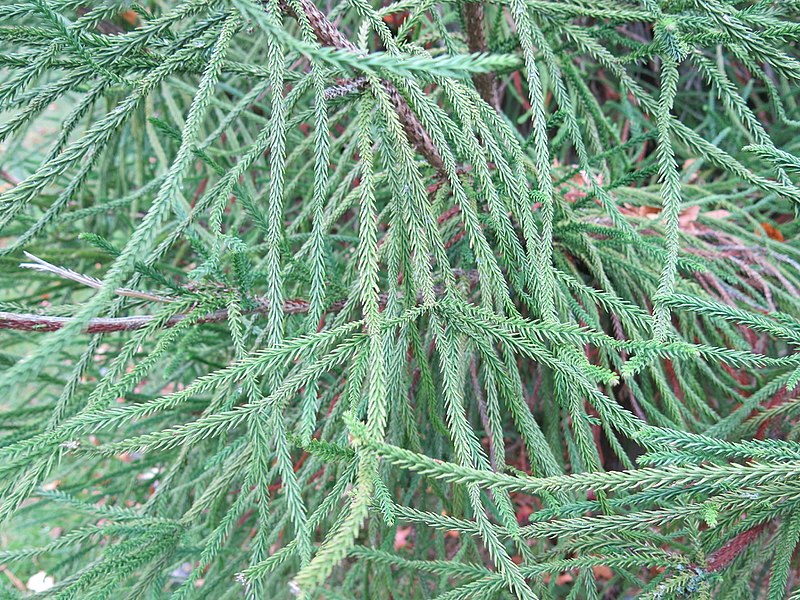
Mature specimens typically reach 50 to 80 feet in landscape settings, though ancient trees in Japan may exceed 150 feet in height and live for many centuries. The tree develops a strong pyramidal form with soft, feathery foliage that creates a refined appearance unlike traditional pines, spruces, or firs.
The rich green needles often develop attractive bronze or reddish tones during winter, adding seasonal interest. Its reddish-brown bark peels in vertical strips, creating additional texture and visual appeal throughout the year.
As a specimen lawn tree, Sacred Japanese Cedar provides elegance, permanence, and year-round beauty that few evergreens can rival.
Landscape Uses- Specimen lawn tree
- Evergreen focal point
- Japanese-inspired gardens
- Estate landscapes
- Privacy screening
- Park and arboretum collections
- Meditation and reflection gardens
- Historic landscape plantings
Its naturally symmetrical form makes it one of the finest evergreen specimen trees available for large residential landscapes.
Important Landscape NoteCryptomeria performs best where adequate moisture is available and benefits from protection against prolonged drought. Given proper growing conditions, it becomes a magnificent long-lived landscape centerpiece.
Germination Information- Cold stratify seeds for 30-60 days.
- Sow seeds lightly and cover with a thin layer of growing medium.
- Maintain temperatures between 60-70°F.
- Keep evenly moist.
- Provide bright indirect light.
- Germination generally occurs within 2-8 weeks.
- Botanical Name: Cryptomeria japonica
- Plant Type: Evergreen Conifer Tree
- USDA Zones: 5-9
- Sun Exposure: Full Sun to Partial Shade
- Mature Height: 50-80+ Feet
- Mature Spread: 20-35 Feet
- Growth Rate: Moderate
- Soil Preference: Moist, well-drained soils
- Water Requirements: Moderate
Sacred Japanese Cedar thrives in fertile soils with consistent moisture and adapts well to a variety of landscape conditions. It is especially valuable in regions with moderate rainfall and humid summers.
Container GrowingYoung plants may be grown in containers for several years, and dwarf cultivars are popular container specimens. Standard forms eventually require permanent landscape planting due to their impressive mature size.
Pollinator & Wildlife ValueAs a wind-pollinated conifer, Cryptomeria does not attract pollinators in the same way flowering trees do. However, its dense evergreen branches provide excellent year-round shelter and nesting opportunities for birds and other wildlife.
The canopy serves as valuable winter protection for numerous species.
Historical & Cultural SignificanceFew trees possess a richer cultural heritage than Sacred Japanese Cedar. Known in Japan as "Sugi," it has been planted around temples, shrines, palaces, and sacred sites for centuries. Some of the most famous tree-lined avenues in Japan consist of Cryptomeria planted hundreds of years ago.
Many ancient specimens are considered national treasures and are associated with spiritual significance, longevity, and protection. The tree has long symbolized strength, endurance, and reverence in Japanese culture.
Its durable wood has been used for centuries in temples, traditional homes, and fine woodworking.
Botanical Facts- Member of the Cypress Family (Cupressaceae).
- Japan's national tree.
- The only species in the genus Cryptomeria.
- Can live for several centuries.
- Produces attractive reddish peeling bark.
- One of the most important forestry trees in Japan.
For gardeners seeking an evergreen with elegance, history, and unmistakable character, Sacred Japanese Cedar is a truly exceptional choice. Its graceful form and year-round beauty allow it to serve as both a landscape focal point and a living connection to centuries of horticultural tradition.
Additional Seedman NoteSome avenues of Sacred Japanese Cedar planted in Japan during the 1600s still stand today, forming breathtaking corridors of towering trees. Walking beneath these ancient giants is often described as a spiritual experience, and few landscape trees carry such a profound connection to history, culture, and longevity.
For more planting details, see our AI fact sheet for this variety.
For over a thousand more unique seed varieties, all in stock and ready to ship, visit our Seed Catalog Index Page .

Contact Us | Privacy Policy | About Us
Serving gardeners since 1992
State of Mississippi Seedmen's Permit #C-391, Ohio 90152, Minnesota 20086777