
Sensitive Plant Seeds
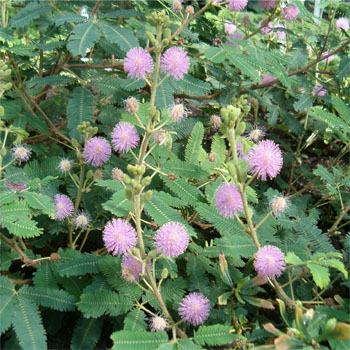
Sensitive Plant is one of the most fascinating and interactive houseplants in the world. Famous for its remarkable ability to fold its leaves when touched, shaken, or disturbed, this unique tropical plant never fails to capture attention. Its delicate fern-like foliage, charming pink puffball flowers, and unusual movement make it one of the most memorable plants a gardener can grow indoors.
Unlike most houseplants, Sensitive Plant actually responds to its environment in ways that can be observed in real time. A gentle touch causes the leaflets to fold inward and the stems to droop temporarily before gradually reopening. This extraordinary behavior makes it a favorite among children, plant collectors, and anyone interested in unusual botanical phenomena.
Indoor Growing InformationSensitive Plant thrives in bright light and appreciates several hours of direct sun each day. A sunny south-facing or east-facing window usually provides ideal growing conditions.
Keep the soil consistently moist but never waterlogged. Unlike drought-tolerant houseplants, Mimosa prefers even moisture and may decline if allowed to dry completely.
Under favorable conditions, plants grow quickly and may reach 12 to 24 inches in height while developing an attractive branching habit.
Container GrowingUse a rich, well-drained potting mix and a container with good drainage. Sensitive Plant adapts very well to container culture and is perfectly suited to windowsills, tabletops, and sunny indoor gardens.
Regular pinching encourages fuller, bushier growth and helps create a more attractive houseplant specimen.
Temperature and HumidityIdeal temperatures range between 65°F and 85°F. Sensitive Plant appreciates moderate to high humidity and generally performs best in warm indoor environments.
Protect plants from cold drafts and temperatures below 55°F.
FlowersThe delightful pink to lavender flower heads resemble tiny powder puffs suspended above the foliage. These spherical blooms appear throughout the growing season and provide an attractive contrast to the delicate green leaves.
The flowers are often followed by small seed pods that can be collected for future planting.
Seed GerminationSeeds benefit from soaking in warm water for 12 to 24 hours before planting. Sow approximately ¼ inch deep in a moist seed-starting mix and maintain temperatures between 70°F and 80°F.
Germination is usually rapid, often occurring within 1 to 3 weeks under warm conditions.
Houseplant Uses- Interactive educational plant.
- Children's gardening projects.
- Windowsill specimen.
- Conversation piece houseplant.
- Tropical indoor collection.
- Science and nature study plant.
The folding response is caused by specialized structures called pulvini located at the base of the leaves. Changes in water pressure within these structures allow the plant to rapidly move its foliage.
At night, the leaves naturally fold closed and reopen in the morning, a behavior known as nyctinasty.
Scientists believe the rapid leaf movement may help protect the plant from grazing animals and heavy rainfall.
Historical NotesNative to tropical regions of Central and South America, Sensitive Plant has fascinated botanists for centuries. Early European explorers were amazed to discover a plant that appeared to react to touch and movement.
By the Victorian era, it had become one of the most popular novelty plants grown in conservatories and botanical collections.
Growing TipWhile it is tempting to trigger the leaf-folding response repeatedly, excessive stimulation can temporarily stress the plant. Allow the foliage time to reopen naturally between demonstrations.
Seedman NoteSensitive Plant is one of the few houseplants that actively interacts with its owner. Its remarkable movement, attractive foliage, and charming flowers make it a favorite among both beginning and experienced gardeners.
Additional Seedman NoteFor pure visitor interest, few plants can compete with Sensitive Plant. Most people remember the first time they touched a leaf and watched it instantly fold shut. It is one of nature's most delightful surprises and remains one of the finest educational and conversation-piece houseplants that can be grown from seed.
For more planting details, see our AI fact sheet for this variety.
For over a thousand more unique seed varieties, all in stock and ready to ship, visit our Seed Catalog Index Page .

Contact Us | Privacy Policy | About Us
Serving gardeners since 1992
State of Mississippi Seedmen's Permit #C-391, Ohio 90152, Minnesota 20086777