
Red Malabar Spinach Seeds
★★★★★ Ornamental & Edible Vine Rating: 5 out of 5 Stars
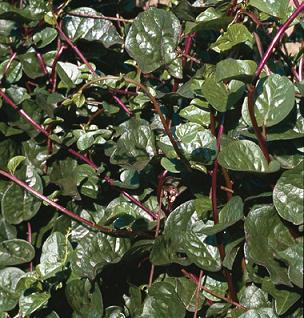
Red Malabar Spinach is one of the most attractive edible vines a gardener can grow. Combining glossy succulent foliage, striking ruby-red stems, delicate pink flower spikes, and edible leaves, this tropical climber serves as both a productive vegetable and a highly ornamental landscape plant.
Unlike true spinach, which struggles in summer heat, Malabar Spinach thrives during the hottest months of the year. The colorful stems and lush foliage quickly climb trellises, fences, and garden structures, creating a tropical display that remains attractive long after many cool-season vegetables have faded.
Its beauty, productivity, and exceptional heat tolerance have made it a favorite among gardeners throughout tropical and subtropical regions worldwide.
Plant Characteristics- Botanical Name: Basella rubra var. rubra
- Common Names: Red Malabar Spinach, Ceylon Spinach, Vine Spinach, Climbing Spinach
- Plant Type: Tropical perennial vine grown as an annual in cooler climates
- Mature Length: 6 to 12 feet
- Growth Rate: Fast
- USDA Zones: 9 to 11
- Flower Color: Pink to white flower spikes
- Bloom Time: Summer through fall
- Foliage: Thick, glossy, edible green leaves on ruby-red stems
Red Malabar Spinach is ideal for trellises, vegetable gardens, edible landscapes, patio containers, raised beds, pergolas, fences, and tropical-themed gardens.
Its ornamental stems and foliage make it attractive enough to be included in flower gardens as well as vegetable plots.
Germination InformationSeeds germinate best when soaked before planting.
- Soak seeds in warm water for 12 to 24 hours.
- Sow seeds approximately 1/2 inch deep.
- Maintain temperatures between 75 and 90°F.
- Keep soil consistently moist.
- Provide bright light.
- Germination generally occurs within 10 to 21 days.
Warm soil significantly improves germination speed and success.
Growing InformationRed Malabar Spinach thrives in full sun and rich, moisture-retentive soils.
Unlike traditional spinach, it loves heat and humidity and often performs best during the hottest part of summer.
Regular watering encourages lush leaf production and vigorous climbing growth.
Provide trellises or supports to maximize harvests and ornamental value.
Container GrowingRed Malabar Spinach performs exceptionally well in large containers equipped with decorative trellises or obelisks.
Its colorful stems and foliage create attractive patio displays while providing a continual harvest of edible leaves.
Container-grown plants require regular watering during hot weather.
Pollinator ValueThe small pink-white flowers attract bees, butterflies, and other beneficial pollinating insects.
Flowering plants contribute additional biodiversity to edible gardens.
Wildlife ValueThe flowers support pollinator populations while dense foliage provides shelter for beneficial insects.
The berries are occasionally visited by birds in warmer climates.
Historical and Cultural FactsRed Malabar Spinach has been cultivated for centuries throughout tropical Asia, Africa, and South America as both a vegetable and medicinal plant.
It became particularly important in hot climates where traditional spinach could not be grown successfully during summer.
Today it remains a staple leafy vegetable in many tropical regions of the world.
Botanical Facts- Member of the Basellaceae family.
- Not closely related to true spinach.
- Produces edible leaves throughout the growing season.
- The deep purple berries have historically been used as a natural dye.
- Thrives in heat that causes traditional spinach to bolt.
- One of the most ornamental edible vines available.
The succulent leaves and tender shoots may be harvested continuously and used fresh in salads or cooked like spinach.
The leaves have a mild flavor and slightly mucilaginous texture that works particularly well in soups, stir-fries, curries, and stews.
Young stems are also edible when harvested while tender.
Seedman's NoteRed Malabar Spinach is one of the few vegetables that is equally valuable as an ornamental plant. The ruby-red stems, glossy leaves, and climbing habit make it beautiful enough for flower gardens while producing abundant edible harvests.
Additional Seedman's NoteIf summer heat makes growing traditional spinach difficult in your area, Red Malabar Spinach is an excellent alternative. Its tropical vigor, ornamental beauty, and continual production make it one of the most rewarding edible vines available from seed.
For over a thousand more unique seed varieties, all in stock and ready to ship, visit our Seed Catalog Index Page .

Contact Us | Privacy Policy | About Us
Serving gardeners since 1992
State of Mississippi Seedmen's Permit #C-391, Ohio 90152, Minnesota 20086777