
Sweet Bay Laurel Seeds
Landscape Rating: ⭐⭐⭐⭐⭐ (5/5 Stars)
Plant CharacteristicsSweet Bay Laurel is one of the most historically significant and useful landscape plants ever cultivated. Native to the Mediterranean region, this handsome evergreen shrub or small tree combines year-round beauty, culinary value, fragrance, and centuries of cultural importance.
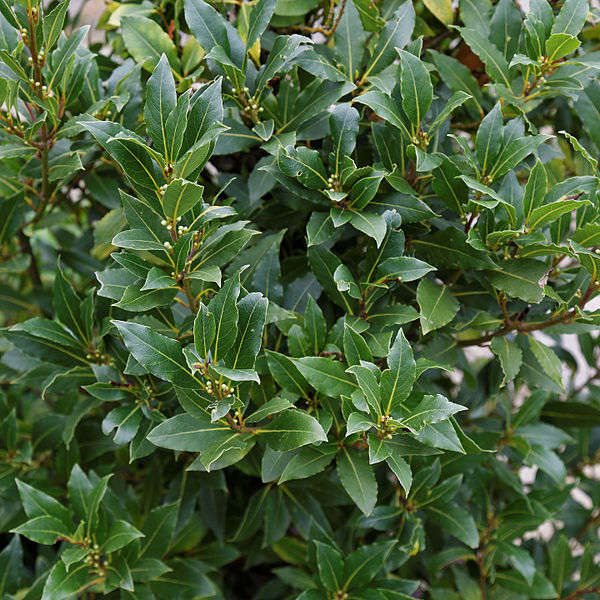
Mature specimens typically reach 15 to 40 feet in height, though they are often maintained as smaller specimen trees or large shrubs through pruning. The dense canopy is composed of glossy, aromatic dark green leaves that remain attractive throughout the year. When crushed, the foliage releases the familiar fragrance associated with bay leaves used in cooking.
Its naturally elegant form and rich evergreen color make Sweet Bay Laurel equally at home in formal landscapes, Mediterranean gardens, and specimen lawn plantings.
Landscape Uses- Specimen lawn tree
- Mediterranean gardens
- Formal landscapes
- Culinary gardens
- Estate plantings
- Courtyard focal points
- Topiary specimens
- Evergreen screening
As a lawn specimen, Bay Laurel provides year-round structure and beauty while offering the bonus of fresh culinary leaves harvested directly from the landscape.
Important Landscape NoteSweet Bay Laurel responds exceptionally well to pruning and shaping. It can be maintained as a formal specimen, clipped hedge, topiary, or allowed to mature naturally into a handsome evergreen tree.
Germination Information- Fresh seeds germinate best.
- Remove outer fruit pulp before sowing.
- Cold stratification for 30-60 days may improve germination.
- Sow approximately ½ inch deep.
- Maintain temperatures between 65-75°F.
- Germination may occur within 1-4 months.
- Botanical Name: Laurus nobilis
- Plant Type: Evergreen Shrub or Small Tree
- USDA Zones: 8-10
- Sun Exposure: Full Sun to Partial Shade
- Mature Height: 15-40 Feet
- Mature Spread: 10-25 Feet
- Growth Rate: Moderate
- Soil Preference: Well-drained soils
- Water Requirements: Moderate
Bay Laurel adapts to a wide variety of soils provided drainage is adequate. Once established, it demonstrates excellent drought tolerance and longevity, often thriving for generations.
Container GrowingSweet Bay Laurel is one of the finest trees for container culture. It thrives in large decorative pots and is frequently grown as a patio specimen, especially in cooler climates where winter protection may occasionally be beneficial.
Pollinator & Wildlife ValueThe small yellow flowers attract bees and beneficial insects during spring. Birds frequently utilize mature plants for shelter and nesting, while the dense evergreen canopy provides year-round cover for wildlife.
Historical & Cultural SignificanceFew plants possess a richer history than Sweet Bay Laurel. In ancient Greece and Rome, wreaths made from Bay Laurel leaves were awarded to victorious athletes, military leaders, scholars, and poets. The phrase "resting on one's laurels" originates from these traditions.
The tree became associated with wisdom, achievement, victory, and honor. Roman emperors wore laurel crowns, and the plant was widely cultivated throughout the Mediterranean world.
The word "baccalaureate" itself derives from the Latin term for laurel berries, reflecting the plant's long association with academic achievement.
Botanical Facts- Member of the Laurel Family (Lauraceae).
- Native to the Mediterranean region.
- Source of culinary bay leaves.
- Evergreen foliage remains aromatic year-round.
- Can live for many decades.
- One of the oldest cultivated herbs and landscape plants.
Sweet Bay Laurel is a rare plant that combines beauty, utility, fragrance, history, and adaptability. Whether grown as a specimen lawn tree, formal accent, or culinary garden centerpiece, it provides year-round value unlike almost any other landscape plant.
Additional Seedman NoteFor over 2,000 years, kings, emperors, scholars, athletes, and poets have been crowned with Bay Laurel wreaths as symbols of accomplishment and honor. Few plants can claim such an enduring connection to human history while still serving a practical role in modern kitchens and gardens.
For over a thousand more unique seed varieties, all in stock and ready to ship, visit our Seed Catalog Index Page .

Contact Us | Privacy Policy | About Us
| Returns
Serving gardeners since 1992
State of Mississippi Seedmen's Permit #C-391, Ohio 90152, Minnesota 20086777