
Tahoka Daisy Seeds
★★★★★ Native Wildflower Rating: 5 out of 5 Stars
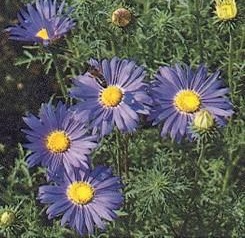
Tahoka Daisy is one of the most beautiful native wildflowers of the American Southwest. This hardy annual produces masses of brilliant lavender-blue daisy-like flowers that blanket roadsides, prairies, desert grasslands, and open plains with spectacular color. Its cheerful blooms often appear in great abundance following seasonal rains, transforming otherwise dry landscapes into vibrant displays of purple-blue blossoms.
Named after the town of Tahoka, Texas, where it is especially common, this resilient wildflower is admired for its drought tolerance, pollinator value, and ability to thrive under challenging growing conditions. Its long bloom period and vivid flower color make it an excellent addition to wildflower gardens and native plant landscapes.
Plant Characteristics- Botanical Name: Machaeranthera tanacetifolia
- Common Names: Tahoka Daisy, Prairie Aster, Lavender Daisy
- Plant Type: Native annual wildflower
- Mature Height: 12 to 30 inches
- Mature Spread: 12 to 24 inches
- Growth Rate: Fast
- USDA Zones: Annual in most regions
- Flower Color: Lavender-blue to violet-purple with yellow centers
- Foliage: Fine-textured gray-green leaves
Tahoka Daisy is ideal for native wildflower meadows, pollinator gardens, prairie restorations, roadside plantings, naturalized landscapes, and drought-tolerant gardens.
Its vivid blue-purple flowers combine beautifully with blanket flowers, black-eyed Susans, bluebonnets, Mexican hats, and other native prairie species.
Germination InformationSeeds are easy to germinate and perform best when directly sown.
- Sow seeds directly outdoors in fall or early spring.
- Lightly press seeds into the soil surface.
- Do not deeply cover the seed.
- Maintain moderate soil moisture during establishment.
- Provide full sun.
- Germination generally occurs within 1 to 3 weeks.
Tahoka Daisy thrives in full sun and well-drained soils. It performs exceptionally well in sandy, rocky, and clay-based soils and tolerates drought once established.
This species is well adapted to hot summers, strong winds, and challenging prairie conditions. Plants often reseed naturally when allowed to mature.
Minimal care is required once established.
Container GrowingTahoka Daisy can be grown successfully in containers, patio planters, and raised beds. Use a well-drained soil mix and place containers in full sun.
Container-grown plants often bloom heavily and attract numerous pollinators.
Pollinator ValueThe nectar-rich flowers attract honeybees, native bees, butterflies, hoverflies, and other beneficial insects. During bloom season, the flowers become active feeding stations for pollinators.
The bright yellow centers serve as visual targets for visiting insects.
Wildlife ValueTahoka Daisy provides nectar for pollinators and seed resources for birds. Native insects utilize the flowers throughout the growing season.
Its presence contributes valuable biodiversity to native plant communities.
Historical and Cultural FactsTahoka Daisy is native to the southern Great Plains and Southwestern United States, particularly Texas, New Mexico, Oklahoma, and neighboring regions.
It gained popularity among wildflower enthusiasts because of its ability to create spectacular spring displays following favorable rainfall years.
Its common name honors Tahoka, Texas, where the species is especially abundant in its native range.
Botanical Facts- Member of the Asteraceae (Daisy) family.
- Native to prairies, plains, and desert grasslands.
- The flowers may remain open for extended periods during favorable weather.
- Excellent drought and heat tolerance.
- Frequently blooms in large natural colonies.
- One of the showiest native annual wildflowers of the Southwest.
Tahoka Daisy brings a burst of prairie color to the garden with very little effort. Its brilliant lavender-blue flowers and rugged nature make it an excellent choice for gardeners seeking beauty, pollinator value, and drought tolerance.
Additional Seedman's NoteIf you enjoy native wildflowers, Tahoka Daisy deserves a place in your landscape. Its vibrant flowers, ease of cultivation, and ability to thrive under tough conditions make it one of the finest annual wildflowers for prairie-style and naturalized gardens.
For over a thousand more unique seed varieties, all in stock and ready to ship, visit our Seed Catalog Index Page .

Contact Us | Privacy Policy | About Us
Serving gardeners since 1992
State of Mississippi Seedmen's Permit #C-391, Ohio 90152, Minnesota 20086777