
Narrow Leaf Cattail Seeds
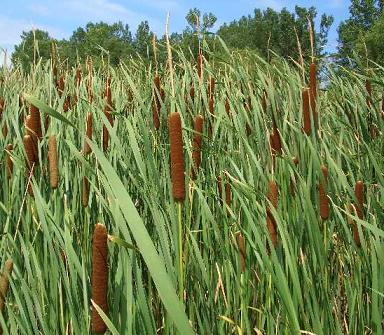
Narrow Leaf Cattail is one of the most recognizable wetland plants in the world, admired for its distinctive cigar-shaped flower spikes and elegant upright foliage. Native to wetlands, marshes, ponds, lakeshores, and slow-moving waterways across Europe, Asia, and North America, this remarkable plant combines ornamental beauty, wildlife value, and centuries of practical human use.
Its slender leaves and graceful growth habit give it a more refined appearance than the common broadleaf cattail, making it especially attractive for water gardens and naturalized aquatic landscapes.
For thousands of years, cattails have provided food, shelter, weaving materials, and wildlife habitat, earning them a reputation as one of the most useful plants in nature.
Plant Characteristics- Botanical Name: Typha angustifolia
- Common Names: Narrow Leaf Cattail, Lesser Bulrush, Narrowleaf Reedmace
- Plant Type: Aquatic Perennial
- Mature Height: 4 to 8 feet
- Mature Spread: 2 to 5 feet
- Growth Rate: Fast
- USDA Zones: 3 to 10
- Sun Exposure: Full Sun
- Soil Requirements: Wet soil or shallow water
Unlike traditional ornamental grasses, Narrow Leaf Cattail thrives in water gardens and aquatic containers. It can be grown successfully in large tubs, pond baskets, and decorative water features.
- Use large aquatic containers.
- Plant in heavy loam soil.
- Maintain 2 to 12 inches of water above the soil.
- Provide full sun.
- Divide periodically to control spread.
For patio water gardens, a decorative container filled with water can create an impressive display of upright foliage and distinctive flower spikes.
Landscape Uses- Water gardens
- Pond margins
- Wetland restoration
- Rain gardens
- Wildlife habitats
- Naturalized shorelines
- Aquatic containers
Its vertical structure creates strong architectural interest and serves as an outstanding backdrop for flowering aquatic plants.
Germination Information- Sow seed on the soil surface.
- Do not deeply cover seed.
- Maintain temperatures between 70°F and 85°F.
- Keep constantly moist.
- Provide bright light.
- Germination generally occurs within 14 to 30 days.
Seedlings establish best when grown in consistently wet conditions.
Growing Information- Plant in wet soils or shallow water.
- Provide full sun for maximum growth.
- Tolerates seasonal flooding.
- Spreads through underground rhizomes.
- Cut back old growth in late winter if desired.
Once established, Narrow Leaf Cattail is extremely durable and can persist for decades.
Pollinator and Wildlife ValueFew wetland plants rival cattails for wildlife value. The dense stands provide nesting sites for red-winged blackbirds, marsh wrens, ducks, and numerous other birds. Amphibians, fish, beneficial insects, and aquatic wildlife all benefit from cattail habitats.
The fluffy seed heads also provide nesting material used by birds throughout the breeding season.
Deer ResistanceMature cattails are generally resistant to deer browsing due to their tough fibrous foliage.
Water ToleranceThis species thrives in standing water and saturated soils, making it ideal for sites where most ornamental plants cannot survive.
Historical and Cultural TidbitsCattails have been called "the supermarket of the swamp" because nearly every part of the plant has been used by people. Indigenous peoples throughout North America utilized cattails for food, shelter construction, weaving, insulation, bedding, and medicinal purposes.
The fluffy seed heads were historically used as stuffing material for pillows, cushions, and mattresses. The leaves were woven into baskets, mats, and chair seats.
Early settlers often relied upon cattails as an important source of practical materials before manufactured goods became readily available.
Botanical Facts- The genus Typha contains some of the world's most widespread wetland plants.
- The brown flower spike consists of thousands of tiny flowers.
- Individual seed heads can release hundreds of thousands of windborne seeds.
- The narrow leaves distinguish this species from Common Cattail.
- Underground rhizomes help stabilize shorelines and reduce erosion.
A single mature cattail seed head may contain over 200,000 tiny seeds. When the fluffy head breaks apart in autumn, it can release a cloud of seeds capable of traveling long distances on the wind.
Seedman NoteNarrow Leaf Cattail is far more than just a wetland plant. Its striking appearance, tremendous wildlife value, and fascinating history make it one of the most interesting aquatic ornamentals available. For ponds, water gardens, and naturalized wetlands, few plants offer so much beauty and ecological importance.
Ornamental Grass Rating: ★★★★★A classic aquatic ornamental prized for its iconic flower spikes, exceptional wildlife value, historical significance, and adaptability to water gardens and wetland landscapes.
AI Fact Sheet: For growing details and quick reference, visit our Narrow Leaf Cattail AI Fact Sheet.
For over a thousand more unique seed varieties, all in stock and ready to ship, visit our Seed Catalog Index Page .

Contact Us | Privacy Policy | About Us
Serving gardeners since 1992
State of Mississippi Seedmen's Permit #C-391, Ohio 90152, Minnesota 20086777