
Boston Ivy Seeds
★★★★★ Architectural Vine Rating: 5 out of 5 Stars
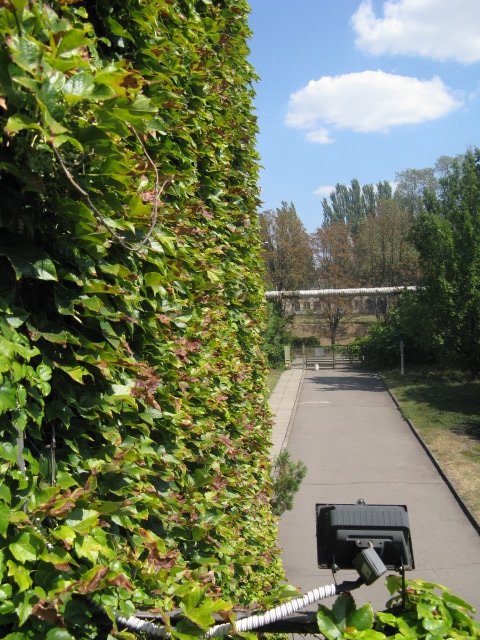
Boston Ivy is one of the most spectacular vines for covering walls, buildings, fences, and masonry structures. Famous for its ability to transform entire buildings into living works of art, this vigorous deciduous climber provides lush green foliage throughout spring and summer before delivering one of the most breathtaking autumn displays in the plant kingdom. As temperatures cool, the leaves erupt into brilliant shades of crimson, scarlet, burgundy, and fiery orange.
Its dramatic seasonal transformation has made Boston Ivy a favorite for universities, historic buildings, estates, and architectural landscapes around the world. Few plants can match its ability to soften hard surfaces while providing year-round visual interest.
Plant Characteristics- Botanical Name: Parthenocissus tricuspidata
- Common Names: Boston Ivy, Japanese Ivy, Wall Ivy
- Plant Type: Deciduous woody vine
- Mature Length: 30 to 60 feet or more
- Growth Rate: Fast
- USDA Zones: 4 to 9
- Flower Color: Small greenish flowers
- Bloom Time: Late spring to early summer
- Foliage: Glossy green leaves turning brilliant red in autumn
Boston Ivy is ideal for brick walls, stone buildings, fences, retaining walls, pergolas, garden structures, privacy screens, and large landscape features.
Its ability to cling directly to vertical surfaces makes it one of the finest vines for architectural applications.
Germination InformationSeeds benefit from cold stratification prior to planting.
- Cold stratify seeds for 60 to 90 days.
- Sow seeds approximately 1/4 inch deep.
- Use a well-drained growing medium.
- Maintain temperatures between 65 and 75°F after stratification.
- Keep soil evenly moist.
- Germination typically occurs within 2 to 8 weeks.
Boston Ivy thrives in full sun to partial shade and adapts to a wide variety of soil conditions.
While it tolerates shade, the most spectacular fall color develops when plants receive ample sunlight.
Once established, it is highly drought tolerant and requires little maintenance beyond occasional pruning.
Container GrowingYoung plants can be grown successfully in large containers with trellises or supports. However, mature plants perform best when planted directly into the landscape where their vigorous growth can be fully appreciated.
Container-grown specimens are often used to create living privacy screens on patios and balconies.
Pollinator ValueThe small flowers attract bees, butterflies, and numerous beneficial pollinating insects.
Although not showy, the blooms provide valuable nectar and pollen resources.
Wildlife ValueThe dark blue berries produced by mature plants provide an important food source for birds during autumn and winter.
Dense foliage offers nesting sites and shelter for numerous bird species.
Historical and Cultural FactsBoston Ivy is native to China, Korea, and Japan but became enormously popular in North America and Europe during the nineteenth century.
Its common name comes from its widespread use on buildings throughout Boston, Massachusetts, where it became a defining feature of many historic structures.
It remains closely associated with Ivy League universities and traditional academic architecture.
Botanical Facts- Member of the Vitaceae (Grape) family.
- Related to grapes and Virginia Creeper.
- Climbs using adhesive tendrils tipped with small suction cups.
- Produces spectacular scarlet autumn foliage.
- Can cover large buildings within a relatively short period.
- Exceptionally cold hardy and long-lived.
Boston Ivy offers a unique combination of vigorous growth, architectural beauty, and unforgettable autumn color. Few vines can transform a wall or building as dramatically as this classic landscape favorite.
Additional Seedman's NoteIf you're looking for a vine that creates instant character and delivers one of the finest fall color displays available, Boston Ivy is difficult to surpass. Its ability to turn entire buildings brilliant crimson each autumn has made it a beloved landscape plant for generations.
More Growing Information: Read our AI fact sheet for Boston Ivy.
For over a thousand more unique seed varieties, all in stock and ready to ship, visit our Seed Catalog Index Page .

Contact Us | Privacy Policy | About Us
Serving gardeners since 1992
State of Mississippi Seedmen's Permit #C-391, Ohio 90152, Minnesota 20086777