
New Seed Arrivals | New Account |
Gift Certificates |
Gardening Products
SEEDS: Unusual | Annuals | Perennials | Vegetables | Herbs | Trees
Wild Ginger Seeds
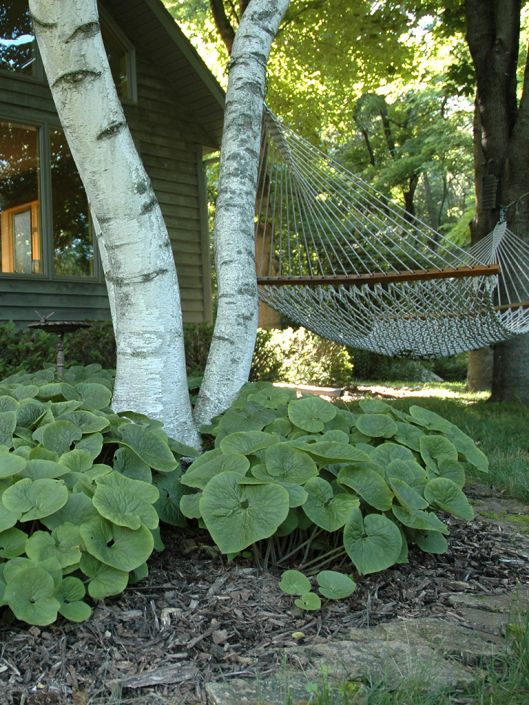
TRZ044 Wild Ginger ( Asarum canadense )
Best known for its use as an attractive, low-growing ground cover in a shaded woodland setting, Wild Ginger is also deer-resistant. It enjoys shaded, moist, somewhat acidic soils and will grow 6" in height and the large heart-shaped leaves can be 6" in diameter. The leaves are shiny when fully opened and the stems are hairy. Unlike many early spring woodland plants, Wild Ginger will keep its foliage throughout the season; it will not go dormant so it is a good species to plant among the spring ephemerals that do go dormant. An attractive dark red flower will appear under the plant early spring but will fade fairly quickly.
Although unpalatable to deer and other mammals, it is an important food source for the Pipevine swallowtail Butterfly. Many insects are attracted to Wild Ginger, including ants, believed to pollinate the plant.
Many Native American Indian tribes used the root of the Wild Ginger plant as a seasoning or to treat colds and fevers. European Settlers to this continent also learned to use the root as a flavor substitute to the tropical ginger they were used to. Other common names include Woodland Ginger, Ginger Root, Heart Snakeroot, Indian Ginger, Asarabaca, and Catfoot. For zones 4-8.
Seeds need a warm, moist period followed by a cold, moist period Mix seeds with sterile media. Place mixture in a sealed plastic bag in a warm place (about 80°F) for 60 to 90 days. Then place in refrigerator (33- 38°F) for 60 to 90 days before sowing. Or, sow outdoors and allow one full year for germination.
Although unpalatable to deer and other mammals, it is an important food source for the Pipevine swallowtail Butterfly. Many insects are attracted to Wild Ginger, including ants, believed to pollinate the plant.
Many Native American Indian tribes used the root of the Wild Ginger plant as a seasoning or to treat colds and fevers. European Settlers to this continent also learned to use the root as a flavor substitute to the tropical ginger they were used to. Other common names include Woodland Ginger, Ginger Root, Heart Snakeroot, Indian Ginger, Asarabaca, and Catfoot. For zones 4-8.
Seeds need a warm, moist period followed by a cold, moist period Mix seeds with sterile media. Place mixture in a sealed plastic bag in a warm place (about 80°F) for 60 to 90 days. Then place in refrigerator (33- 38°F) for 60 to 90 days before sowing. Or, sow outdoors and allow one full year for germination.
For over a thousand more unique seed varieties, all in stock and ready to ship, visit our Seed Catalog Index Page .

Contact Us | Privacy Policy | About Us
Serving gardeners since 1992
State of Mississippi Seedmen's Permit #C-391, Ohio 90152, Minnesota 20086777