
Ylang Ylang Tree Seeds
★★★★★ Landscape Tree Rating: 5 out of 5 Stars
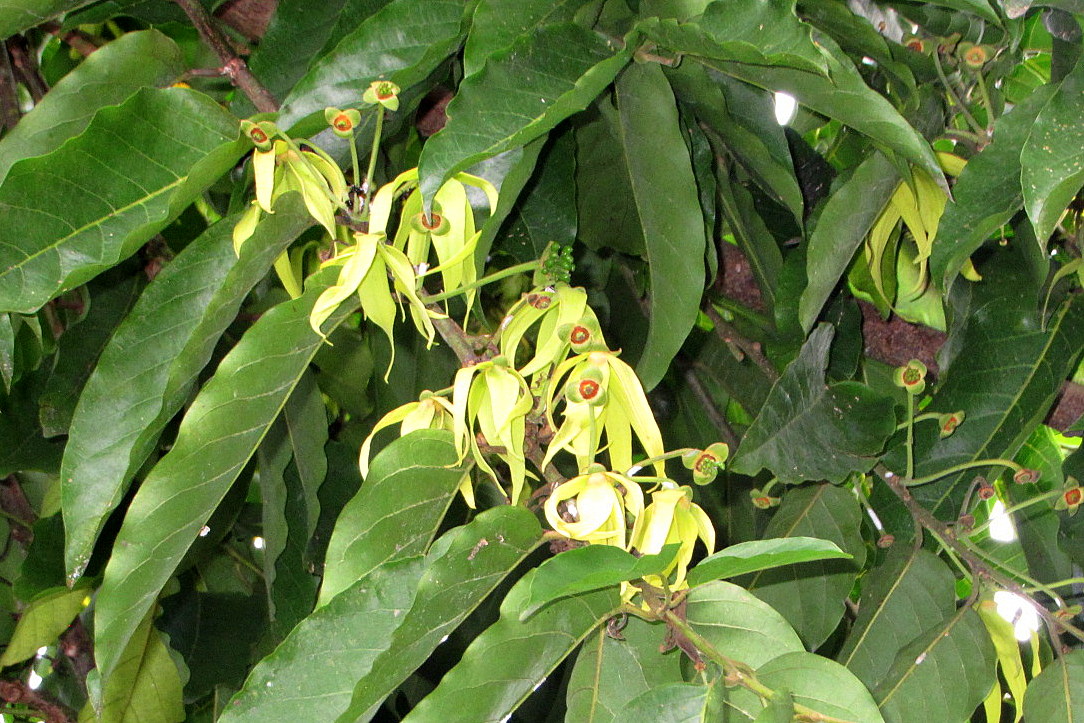
Ylang Ylang Tree is one of the world's most celebrated fragrant flowering trees. Native to the tropical forests of Southeast Asia, this elegant evergreen tree produces highly aromatic yellow-green flowers whose intoxicating perfume has been treasured for centuries. The blossoms are the primary source of ylang ylang essential oil, a key ingredient in many of the world's finest perfumes, including the legendary Chanel No. 5.
Beyond its fragrance, Ylang Ylang is an attractive ornamental tree featuring glossy green foliage, a graceful branching habit, and year-round tropical appeal. When in bloom, the tree fills the surrounding garden with a sweet, exotic scent that becomes especially noticeable during the evening hours.
Plant Characteristics- Botanical Name: Cananga odorata
- Common Names: Ylang Ylang, Perfume Tree, Cananga Tree
- Plant Type: Tropical evergreen flowering tree
- Mature Height: 30 to 60 feet
- Mature Spread: 20 to 40 feet
- Growth Rate: Fast
- USDA Zones: 10 to 12
- Flower Color: Greenish-yellow to golden yellow
- Foliage: Large glossy evergreen leaves
Ylang Ylang is an exceptional specimen tree for tropical and subtropical landscapes. It is often planted near patios, walkways, courtyards, and outdoor living areas where its remarkable fragrance can be enjoyed. The tree also serves as a beautiful lawn specimen, tropical accent, or focal point in botanical gardens and resort landscapes.
Germination InformationFresh seeds generally provide the highest germination rates.
- Soak seeds in warm water for 24 hours before planting.
- Sow approximately 1/2 inch deep in a well-drained germination mix.
- Maintain temperatures between 75 and 90°F.
- Keep soil consistently moist but never waterlogged.
- Provide bright indirect light during germination.
- Germination may occur within 1 to 4 months.
Ylang Ylang thrives in full sun to light shade and prefers rich, well-drained soils with regular moisture. It performs best in warm, humid climates and is highly sensitive to frost.
Young trees grow rapidly and benefit from occasional pruning to encourage stronger branching and a more compact shape. Mature trees become increasingly drought tolerant but perform best with periodic watering during dry periods.
Container GrowingYlang Ylang can be grown in large containers for several years and is often maintained as a conservatory or greenhouse specimen in cooler climates. Use a rich, well-draining potting mix and provide bright light. Regular pruning helps control size when grown in containers.
For long-term performance and maximum flowering, planting in the landscape is recommended where climate permits.
Pollinator ValueThe fragrant flowers attract numerous pollinating insects including bees, butterflies, moths, and other nectar-seeking species. Evening fragrance often attracts night-flying pollinators as well.
Wildlife ValueThe dense canopy provides shelter for birds and beneficial insects. The flowers support pollinator populations while the tree's structure offers nesting and resting sites for various wildlife species.
Historical and Cultural FactsYlang Ylang has been cultivated throughout Southeast Asia for centuries and remains one of the most important perfume crops in the world. The flowers are traditionally gathered by hand during the early morning hours when fragrance levels are highest.
The name "Ylang Ylang" originates from the Tagalog language of the Philippines and is often translated as "flower of flowers."
Its essential oil became internationally famous after being incorporated into luxury European perfumes during the late nineteenth and early twentieth centuries.
Botanical Facts- Member of the Annonaceae family, which also includes custard apples and soursop.
- Flowers become increasingly fragrant as they mature and change color.
- The essential oil is extracted through steam distillation.
- Can flower multiple times per year in tropical climates.
- Produces clusters of dark fruits following pollination.
Few trees can rival Ylang Ylang for fragrance. A flowering specimen near a patio or garden seating area can transform an ordinary landscape into a tropical paradise. The sweet perfume drifting through the evening air is truly unforgettable.
Additional Seedman's NoteFor gardeners in frost-free climates, Ylang Ylang is one of the finest tropical flowering trees available. Its combination of rapid growth, glossy foliage, historical significance, and world-famous fragrance makes it a treasured addition to any tropical landscape collection.
More Growing Information: Read our AI fact sheet.
For over a thousand more unique seed varieties, all in stock and ready to ship, visit our Seed Catalog Index Page .

Contact Us | Privacy Policy | About Us
Serving gardeners since 1992
State of Mississippi Seedmen's Permit #C-391, Ohio 90152, Minnesota 20086777