
Solidago Seed ( Perennial )
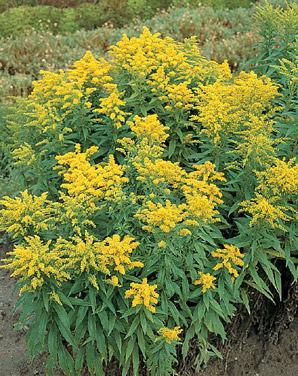
Golden Baby Goldenrod (Solidago canadensis) is a compact, free-flowering selection of the native Canada Goldenrod that produces abundant plumes of brilliant golden-yellow blossoms from late summer well into autumn. Unlike the tall wild species, Golden Baby offers a more manageable size while retaining the spectacular floral display and exceptional wildlife value that have made goldenrods among North America's most important native perennials. Its vibrant blooms brighten the garden just as many summer flowers begin to fade, providing an invaluable late-season nectar source for butterflies, bees, and countless beneficial insects.
Garden UsesGolden Baby is an excellent choice for native plant gardens, pollinator gardens, prairie plantings, cottage gardens, perennial borders, meadow gardens, naturalized landscapes, and cut flower arrangements. Its brilliant golden flower plumes pair beautifully with asters, coneflowers, Joe Pye Weed, ornamental grasses, black-eyed Susans, blazing stars, and sedums, creating spectacular late-season displays that continue into autumn.
Growing InformationSow seeds outdoors in late fall or early spring, or start indoors 8 to 10 weeks before the final spring frost. Press seeds lightly into the surface of a moist seed-starting mix without covering deeply, as light improves germination. Maintain temperatures between 65° and 70°F while keeping the growing medium evenly moist. Germination generally occurs within 14 to 28 days.
Transplant seedlings into full sun or light partial shade in average, well-drained soil. Golden Baby adapts well to clay, sandy, or loamy soils and becomes highly drought tolerant once established. Water regularly during the first growing season while plants develop strong root systems. Deadheading spent flowers will improve appearance, although leaving the seed heads provides winter interest and food for birds.
Quick Facts| Characteristic | Details |
|---|---|
| Botanical Name | Solidago canadensis |
| Common Name | Golden Baby Goldenrod |
| Plant Type | Hardy Native Perennial |
| Flower Color | Brilliant Golden Yellow |
| Bloom Time | Late Summer through Fall |
| Height | 18–30 inches |
| Spread | 18–24 inches |
| Sun Exposure | Full Sun to Light Partial Shade |
| Soil Requirements | Average, well-drained soil; adaptable to clay, loam, and sandy soils |
| Water Requirements | Moderate during establishment; drought tolerant once established |
| USDA Zones | 3–9 |
| Garden Uses | Pollinator gardens, native plant gardens, prairie plantings, perennial borders, meadow gardens, cottage gardens, and cut flowers |
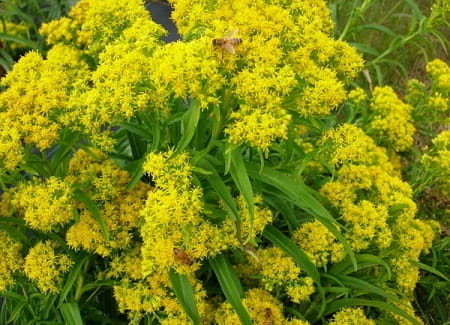
A handsome North American native perennial prized for its brilliant golden-yellow flowers and outstanding value to pollinators. Upright stems are topped in late summer and fall with dense, rounded to somewhat flat-topped clusters of tiny yellow flowers, creating a bright display at a time when many other perennials are beginning to fade. Plants generally reach about 2 to 4 feet tall, with narrow, often arching leaves that give the foliage a graceful appearance. This is an excellent native wildflower for naturalistic gardens, prairie plantings, meadow gardens, rain gardens, and the back or middle of sunny perennial borders.
Grow Riddell's Goldenrod in full sun for the strongest growth and heaviest flowering. Unlike many plants associated with dry prairie conditions, this species naturally favors moist ground and is especially useful in areas with consistently moist soil, including low spots, pond margins, wet meadows, and rain gardens. It is generally hardy in USDA Zones 3-8 and, once established, forms attractive clumps that return reliably each year. The late-season flowers are extremely valuable to bees, butterflies, and numerous other beneficial insects preparing for winter. Goldenrods are frequently blamed for fall hay fever, but their heavy, sticky pollen is primarily carried by insects; wind-pollinated ragweed blooming at the same time is usually the real culprit.
Seeds may be direct sown outdoors in fall or given approximately 30-60 days of cold, moist stratification before spring sowing. Sow on the surface or cover only very lightly, as the small seeds benefit from light during germination, and keep the medium consistently moist until seedlings are established.
Seedman Notes: Riddell's Goldenrod is an especially worthwhile selection for gardeners interested in supporting native bees and butterflies because it provides abundant nectar and pollen very late in the growing season. Leave some spent flower heads standing through winter and they can provide both seed for birds and valuable overwintering habitat for beneficial insects. For a native planting that combines bright fall color, wildlife value, cold hardiness, and dependable perennial performance, Riddell's Goldenrod is difficult to beat.
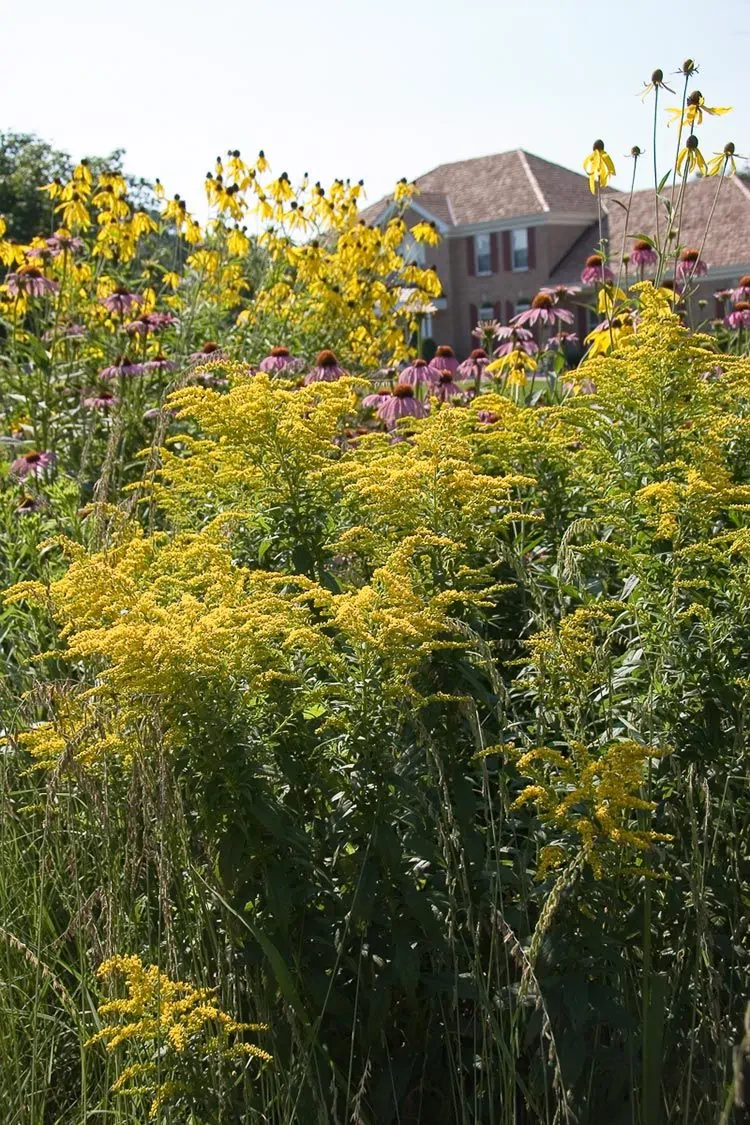
Sweet Goldenrod (Solidago odora) is one of North America's most distinctive native wildflowers, admired for its graceful sprays of brilliant golden-yellow blossoms and wonderfully fragrant foliage. Unlike other goldenrods, the narrow leaves release a delightful sweet anise or licorice aroma when gently crushed, making this species as enjoyable for its fragrance as for its brilliant late-season flowers. Blooming from late summer into autumn, Sweet Goldenrod provides a spectacular display while serving as one of the most valuable nectar plants for butterflies, bees, and migrating monarchs.
Garden UsesSweet Goldenrod is an excellent choice for native plant gardens, pollinator gardens, prairie plantings, meadow gardens, cottage gardens, perennial borders, woodland edges, and naturalized landscapes. Its upright golden flower spikes combine beautifully with asters, coneflowers, blazing stars, Joe Pye Weed, ornamental grasses, black-eyed Susans, and native sedums. The fragrant foliage also makes it an interesting addition to herb gardens and sensory landscapes.
Growing InformationSow seeds outdoors in late fall or early spring, or start indoors 8 to 10 weeks before the last expected frost. Press seeds lightly onto the surface of moist seed-starting mix without covering deeply, as light encourages germination. Maintain temperatures between 65° and 70°F while keeping the growing medium evenly moist. Germination usually occurs within 14 to 28 days.
Transplant seedlings into full sun or light partial shade in well-drained soil. Sweet Goldenrod thrives in sandy, gravelly, or average garden soils and is especially well adapted to dry, acidic conditions. Once established, it is highly drought tolerant and requires very little maintenance. Plants remain well-behaved in the garden and are generally less aggressive than some other goldenrod species.
Quick Facts| Characteristic | Details |
|---|---|
| Botanical Name | Solidago odora |
| Common Name | Sweet Goldenrod, Anise-scented Goldenrod |
| Plant Type | Hardy Native Perennial |
| Flower Color | Bright Golden Yellow |
| Bloom Time | Late Summer through Fall |
| Height | 2–4 feet |
| Spread | 18–24 inches |
| Sun Exposure | Full Sun to Light Partial Shade |
| Soil Requirements | Well-drained sandy, gravelly, or average soil; prefers slightly acidic conditions |
| Water Requirements | Moderate during establishment; drought tolerant once established |
| USDA Zones | 4–9 |
| Garden Uses | Pollinator gardens, native plant gardens, prairie gardens, meadow plantings, perennial borders, herb gardens, and naturalized landscapes |