
Sorghum Seeds
Useful gardening information
Sweet sorghum syrup has been produced in the United States since colonial days. Some sweet sorghum syrup has at one time or another been produced in every one of the contiguous 48 states. Sweet sorghum is grown extensively for syrup production in the southeastern states.
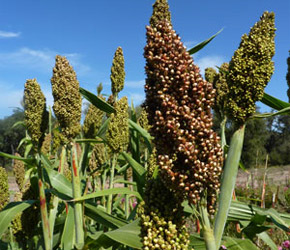
Rox Orange Sweet Sorghum is one of the most respected and widely grown heritage syrup canes in America, prized for its dependable production of rich, flavorful sorghum syrup and its remarkable adaptability to a wide range of growing conditions. Introduced during the early 1900s, Rox Orange quickly earned a reputation as one of the finest all-around sweet sorghums for family syrup making, livestock forage, grain production, and wildlife food plots. Its vigorous growth, excellent juice quality, and dependable yields have made it a favorite among homesteaders and traditional farmers for generations.
Syrup Production
The tall, juicy canes produce an abundance of sweet sap that cooks down into a beautiful amber-colored syrup with a rich, smooth flavor and excellent consistency. Rox Orange has long been considered one of the benchmark varieties for traditional sorghum syrup production because of its dependable sugar content and reliable juice yield. Harvest is best when the seed heads have reached the hard dough stage and the canes are still green and full of juice. Freshly pressed juice should be cooked soon after harvest to preserve its delicate sweetness and produce the highest quality syrup.
For generations, autumn sorghum harvests were community events throughout the South and Midwest. Families gathered around horse-powered and later tractor-powered cane mills to crush the freshly cut stalks before slowly cooking the juice in large evaporator pans into the thick, golden syrup that became a pantry staple. Rox Orange remains one of the classic varieties that helped preserve this treasured American farming tradition.
Growing Characteristics
Rox Orange is a vigorous warm-season annual that commonly reaches 8 to 12 feet in height under good growing conditions. It performs well throughout much of the United States, tolerating heat, summer drought, and periods of limited rainfall better than many traditional grain crops. The strong stalks stand well in the field while producing abundant leafy growth and generous seed heads. Its dependable performance makes it an excellent choice for both experienced growers and those planting sweet sorghum for the first time.
Farm & Homestead Uses
Although best known for syrup production, Rox Orange is an exceptionally versatile crop. After the juice has been extracted, the remaining bagasse can be composted, used as livestock bedding, or incorporated back into the soil as valuable organic matter. The nutritious seed heads are readily consumed by poultry, doves, quail, wild turkeys, and numerous songbirds, while the leafy stalks provide quality forage for cattle, sheep, and goats. Many gardeners also plant Rox Orange as a living privacy screen or seasonal windbreak because of its impressive height and dense foliage.
Soil Improvement & Sustainable Agriculture
The deep, fibrous root system helps loosen compacted soils while improving water infiltration and reducing erosion. Large amounts of organic residue returned to the field contribute valuable humus that improves long-term soil structure. Rox Orange also serves as an excellent rotational crop with corn, soybeans, and small grains, helping diversify cropping systems while interrupting disease and insect cycles. Its vigorous growth naturally shades the soil, reducing weed competition throughout the growing season.
Favorite Wildlife: The mature grain heads provide valuable food for quail, doves, pheasants, wild turkeys, finches, sparrows, and numerous other songbirds, while deer frequently browse the tender foliage. Dense stands also offer protective cover for rabbits, upland game birds, and other small wildlife.
Seedman Notes: Rox Orange remains one of the finest heritage sweet sorghums ever developed and continues to be a favorite wherever traditional sorghum syrup is produced. Its excellent syrup quality, dependable field performance, multiple farm uses, and outstanding wildlife value make it an exceptional choice for homesteaders, small farms, educational gardens, and anyone interested in preserving one of America's great agricultural traditions. If your goal is authentic homemade sorghum syrup with the added benefits of livestock feed, wildlife habitat, and improved soil health, Rox Orange is an outstanding place to begin.
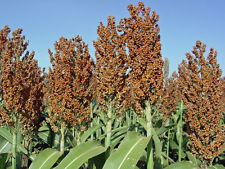
Sugar Drip Sweet Sorghum is one of the legendary heirloom syrup canes of the American South, cherished for generations for producing exceptionally sweet juice and rich, full-bodied sorghum syrup. Long before commercial sweeteners became commonplace, Sugar Drip was a familiar sight on family farms where autumn meant cane cutting, mill wheels turning, and kettles of fragrant syrup slowly cooking over open fires. Today it remains one of the finest varieties for anyone wishing to recreate this treasured agricultural tradition while also producing an exceptionally versatile farm crop.
Syrup Production
Sugar Drip is renowned for its abundant, high-quality juice that cooks into a dark amber syrup with a rich, robust flavor prized by syrup makers. The tall, juicy stalks produce generous quantities of sweet sap, making this variety a favorite wherever traditional sorghum syrup is still prepared. Harvest is generally recommended when the seed heads reach the hard dough stage and the stalks remain green and full of juice. Freshly extracted juice should be cooked soon after pressing to preserve its natural sweetness and produce smooth, flavorful syrup of the highest quality.
For many rural communities, Sugar Drip became the centerpiece of annual syrup-making gatherings where neighbors worked together to harvest canes, operate the cane mill, and patiently cook the juice into thick golden syrup. These family traditions remain an important part of America's agricultural heritage, and Sugar Drip continues to be one of the classic varieties that helped establish that legacy.
Growing Characteristics
Sugar Drip is a vigorous warm-season annual that commonly reaches 10 to 14 feet in height under favorable growing conditions. The strong stalks develop abundant foliage and large seed heads while showing excellent tolerance to summer heat and periods of drought. Its dependable vigor, impressive biomass production, and adaptability to many soil types make it an excellent choice for both commercial syrup production and home gardens dedicated to heirloom crops.
Farm & Homestead Uses
Although famous for its outstanding syrup, Sugar Drip serves many purposes beyond the syrup kettle. The leafy stalks provide excellent forage for livestock, while the nutritious grain heads are highly valued by poultry and a wide variety of wildlife. After the juice has been extracted, the remaining bagasse makes excellent compost, mulch, or livestock bedding, returning valuable organic matter to the farm. The tall plants also provide an effective seasonal privacy screen, windbreak, or natural border for gardens and homesteads.
Soil Improvement & Sustainable Agriculture
The extensive root system helps improve soil structure by reducing compaction and increasing water infiltration. Large quantities of organic residue contribute valuable humus that improves soil fertility and moisture retention over time. Sugar Drip also fits exceptionally well into crop rotation programs with corn, soybeans, and small grains, helping interrupt pest and disease cycles while producing abundant biomass that benefits long-term soil health.
Favorite Wildlife: The mature grain heads attract quail, doves, wild turkeys, pheasants, finches, sparrows, and numerous other songbirds. Deer readily browse the tender foliage, while dense plantings provide valuable cover for rabbits, upland game birds, and other small wildlife throughout the growing season.
Seedman Notes: Sugar Drip has earned its reputation as one of America's great heritage syrup canes through generations of dependable performance and exceptional syrup quality. Whether your goal is producing authentic homemade sorghum syrup, creating wildlife habitat, feeding livestock, improving soil health, or preserving a piece of rural farming history, Sugar Drip remains one of the finest sweet sorghums ever introduced and a variety every homesteader should experience.
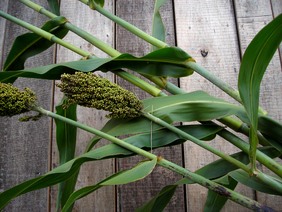
Dale Sweet Sorghum is a modern, high-performing syrup cane developed to provide exceptional juice production, dependable yields, and outstanding adaptability for today's growers. While honoring the long tradition of American sorghum syrup making, Dale was selected to offer improved consistency, vigorous growth, and excellent standability in the field. It has become a favorite among homesteaders, market growers, and small farms seeking a reliable variety for producing rich, flavorful sorghum syrup.
Syrup Production
Dale is widely recognized for its excellent juice yield and consistently high-quality syrup. The tall, sweet stalks contain abundant sap that cooks into a smooth, rich amber syrup with the classic flavor that has made sweet sorghum a treasured staple for generations. The canes are easy to process and produce an excellent balance of sweetness and flavor. For the finest syrup, harvest when the seed heads have reached the hard dough stage while the stalks remain green, juicy, and at peak sugar content. Prompt cooking after pressing helps preserve the natural flavor and produces the highest-quality finished syrup.
Although developed as an improved variety, Dale preserves the spirit of the traditional autumn syrup harvests that once brought entire farming communities together. The familiar sights of freshly cut cane, turning mills, and steaming evaporator pans remain as rewarding today as they were generations ago, allowing modern gardeners to experience one of America's great agricultural traditions.
Growing Characteristics
Dale is a vigorous warm-season annual that commonly grows 10 to 12 feet tall with strong, sturdy stalks that resist lodging under good growing conditions. It performs well across a broad range of climates and soils, showing excellent tolerance to heat and temporary drought while maintaining dependable productivity. The tall leafy plants produce abundant biomass along with generous seed heads, making the variety useful far beyond syrup production alone.
Farm & Homestead Uses
In addition to producing premium syrup, Dale provides valuable forage for livestock and highly nutritious grain for poultry and wildlife. The remaining stalks after juice extraction can be composted, used as mulch, incorporated into the soil, or utilized as livestock bedding. Its impressive height also makes it useful as a seasonal windbreak, privacy screen, or living fence around gardens and homesteads.
Soil Improvement & Sustainable Agriculture
Dale develops a deep, fibrous root system that improves soil structure, increases organic matter, and helps reduce erosion. Its vigorous growth produces substantial biomass that can be returned to the soil, improving fertility and moisture retention over time. It also serves as an outstanding rotational crop with corn, soybeans, and other grain crops, helping diversify production while interrupting insect and disease cycles and naturally suppressing weeds through its dense summer canopy.
Favorite Wildlife: The mature seed heads provide valuable food for quail, doves, wild turkeys, pheasants, finches, sparrows, and numerous other songbirds. Deer frequently browse the foliage, while dense stands provide excellent cover for rabbits, upland game birds, and other small wildlife.
Seedman Notes: Dale represents the successful blending of modern plant improvement with the rich heritage of traditional sweet sorghum. It offers dependable syrup production, vigorous field performance, outstanding wildlife value, and meaningful soil-building benefits, making it an excellent choice for homesteaders, educational farms, wildlife managers, and anyone wishing to carry forward the time-honored tradition of making homemade sorghum syrup.
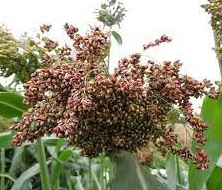
Williams Sweet Sorghum is a productive heritage syrup cane valued for its vigorous growth, abundant sweet juice, and dependable performance across a wide range of growing conditions. Developed for growers seeking both excellent syrup production and reliable field performance, Williams has earned a reputation as an outstanding all-purpose sweet sorghum. Whether grown for traditional syrup making, livestock forage, wildlife habitat, or soil improvement, it continues the proud legacy of one of America's most useful farm crops.
Syrup Production
Williams produces tall, juicy stalks with excellent sugar content, making it an outstanding choice for producing rich, smooth sorghum syrup. The canes yield generous quantities of sweet juice that cook into a beautiful amber syrup with the full-bodied flavor that has been enjoyed by farming families for generations. Harvest is best when the grain reaches the hard dough stage while the stalks remain green and filled with sweet sap. Processing the juice soon after pressing helps preserve its fresh flavor and produces premium-quality syrup.
For well over a century, sweet sorghum has played an important role on American farms, especially throughout the South and Midwest where sugar cane could not be grown successfully. Williams continues this proud tradition, allowing modern gardeners and homesteaders to experience the satisfaction of producing their own natural sweetener while preserving an important chapter of rural agricultural history.
Growing Characteristics
Williams is a vigorous warm-season annual that commonly reaches 10 to 12 feet in height, producing sturdy stalks, abundant foliage, and heavy seed heads. It performs well under hot summer conditions and demonstrates excellent drought tolerance once established. The combination of dependable growth, impressive biomass production, and broad adaptability makes it suitable for farms, homesteads, wildlife plantings, and educational gardens alike.
Farm & Homestead Uses
Beyond its exceptional syrup-making qualities, Williams serves as an outstanding multipurpose crop. The leafy stalks provide excellent forage for cattle, sheep, and goats, while the mature grain heads supply nutritious feed for poultry and countless species of wildlife. After juice extraction, the remaining bagasse can be composted, incorporated into the soil, or used as livestock bedding, ensuring that nearly every part of the crop has practical value. The tall plants also make an effective seasonal windbreak or natural privacy screen.
Soil Improvement & Sustainable Agriculture
The extensive root system improves soil structure by reducing compaction and increasing organic matter while helping prevent erosion. Williams is an excellent rotational crop following or preceding corn and other grain crops, contributing valuable biomass that improves soil fertility while helping interrupt pest and disease cycles. Its dense canopy also shades the soil, reducing weed pressure and conserving moisture during the hottest part of the growing season.
Favorite Wildlife: The mature grain heads are eagerly consumed by quail, doves, pheasants, wild turkeys, finches, sparrows, and many other songbirds. Deer browse the foliage, while the dense stands provide valuable nesting habitat and protective cover for rabbits, upland game birds, and numerous small mammals.
Seedman Notes: Williams Sweet Sorghum is an outstanding choice for growers seeking a dependable heritage syrup cane that offers far more than just syrup production. Its excellent juice yield, strong field performance, wildlife value, livestock forage, and soil-building qualities make it one of the most versatile crops available for modern homesteads and small farms. It is a fitting continuation of America's long tradition of growing sweet sorghum for both the table and the farm.
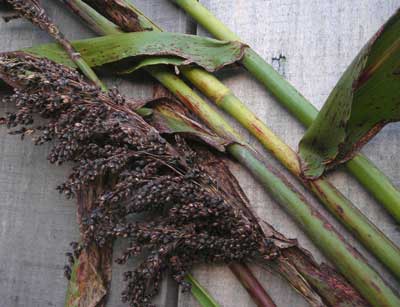
Black Amber Sweet Sorghum is a striking heirloom syrup cane distinguished by its dark purple to nearly black stalks and its outstanding ability to produce rich, flavorful sorghum syrup. Its handsome appearance makes it one of the most ornamental sweet sorghums grown today, while its abundant juice and vigorous growth have earned it a respected place among traditional syrup makers. Combining beauty with productivity, Black Amber is equally at home in the homestead garden, wildlife planting, or heirloom farm.
Syrup Production
Behind its dramatic dark stalks lies an abundance of sweet, high-quality juice that cooks into a smooth amber syrup with the rich, old-fashioned flavor prized by generations of syrup makers. The thick canes produce generous quantities of sap, making Black Amber an excellent variety for both home-scale and small commercial syrup production. Harvest is recommended when the seed reaches the hard dough stage and the stalks remain green and juicy. Prompt milling and cooking preserve the natural sugars and produce syrup of exceptional flavor and consistency.
For many families throughout rural America, sweet sorghum represented more than a crop—it was a tradition that brought neighbors together each autumn to harvest, mill, and cook the year's syrup supply. Black Amber continues that heritage while adding remarkable visual appeal with its unusually dark canes standing proudly in the late summer field.
Growing Characteristics
Black Amber is a vigorous warm-season annual that commonly reaches 10 to 12 feet in height, producing thick stalks, abundant foliage, and heavy grain heads. It performs exceptionally well during hot summers and demonstrates excellent drought tolerance once established. The dramatic dark-colored canes make it one of the most attractive sweet sorghums available, adding ornamental value while delivering dependable agricultural performance.
Farm & Homestead Uses
Although prized primarily for syrup production, Black Amber offers numerous additional benefits. The leafy stalks provide quality forage for livestock, while the mature grain heads furnish nutritious feed for poultry and wildlife. Following juice extraction, the remaining bagasse can be composted, returned to the soil, or used as bedding, contributing to a sustainable farming system with very little waste. Its impressive height also makes it useful as a seasonal windbreak, privacy screen, or attractive backdrop in large gardens.
Soil Improvement & Sustainable Agriculture
The extensive fibrous root system helps loosen compacted soil, improves water infiltration, and contributes valuable organic matter when crop residue is incorporated after harvest. Black Amber fits naturally into crop rotation programs with corn and other grain crops, helping reduce disease pressure while producing abundant biomass that improves long-term soil health. Its vigorous summer growth also shades the ground, helping suppress weeds and conserve valuable soil moisture.
Favorite Wildlife: The mature grain heads attract quail, doves, pheasants, wild turkeys, finches, sparrows, and numerous other seed-eating birds. Deer browse the tender foliage, while the tall, dense stands provide valuable nesting cover and shelter for rabbits, upland game birds, and other small wildlife.
Seedman Notes: Black Amber is one of the most beautiful sweet sorghums ever introduced, combining ornamental dark stalks with excellent syrup-making qualities and outstanding farm versatility. Whether your interest lies in producing traditional homemade sorghum syrup, supporting wildlife, improving soil health, or preserving a historic American crop, Black Amber offers exceptional performance while creating one of the most impressive displays in the late-season garden or field.
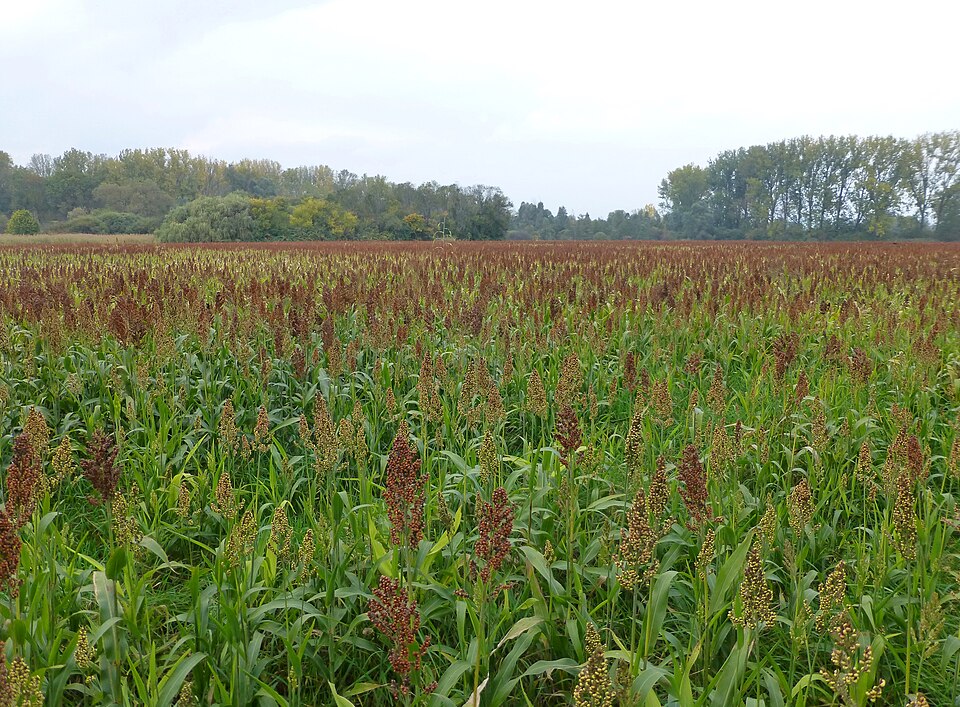
Wild Game Food Plot Sorghum (WGF), commonly known as milo, is a premium grain sorghum selected specifically for establishing productive wildlife food plots. This early-maturing variety reaches mid-bloom approximately 40 to 50 days after emergence and develops abundant grain heads that provide an excellent food source for deer, wild turkey, quail, pheasants, doves, ducks, and countless other game birds. Its dependable production and ability to provide nutrition well into the fall and winter make it one of the most valuable warm-season food plot crops available.
Unlike many conventional grain crops, Wild Game Food Plot Sorghum possesses excellent bird resistance during the early stages of grain development. The natural tannin content helps discourage large flocks of blackbirds and other nuisance birds from stripping the seed before it matures. As the grain weathers through the season, tannin levels gradually decline, making the seed increasingly attractive and palatable to wildlife. This natural progression extends the feeding period, providing a dependable food source long after many other food plot species have been exhausted.
The mature grain heads become a favorite food of quail, wild turkey, pheasants, doves, ducks, and numerous songbirds, while deer readily consume the grain throughout fall and winter. Standing stalks also provide valuable cover, loafing areas, and protection from predators, making WGF Sorghum far more than simply a food source. The combination of grain production, habitat value, and excellent standability makes it an outstanding choice for wildlife managers, hunters, and landowners seeking to improve game populations.
Wild Game Food Plot Sorghum establishes quickly with excellent early seedling vigor and performs best in full sun and well-drained soils. It may be planted alone or blended with other wildlife species such as millets, sunflowers, forage soybeans, cowpeas, or summer peas to create diverse food plots that attract a broad range of wildlife throughout the growing season. Easy to establish and highly adaptable, WGF Sorghum remains one of the finest warm-season food plot crops for creating dependable wildlife habitat year after year.
Botanical Name: Sorghum bicolor
Days to Maturity: 90–120 days
Plant Height: 4–6 feet
Growth Habit: Upright annual grain sorghum
Primary Uses: Wildlife food plots, deer management, game bird habitat, grain production, cover crop, conservation plantings
Seedman Notes: Wild Game Food Plot Sorghum is one of the most dependable warm-season wildlife crops available. Its combination of excellent grain production, natural bird resistance during early seed development, outstanding wildlife value, and protective cover makes it a favorite among wildlife biologists, hunters, conservation organizations, and landowners looking to establish productive food plots that continue feeding wildlife well into the winter months.

Contact Us | Privacy Policy | About Us
Serving gardeners since 1992
State of Mississippi Seedmen's Permit #C-391, Ohio 90152, Minnesota 20086777