
Spearmint Seeds
Spearmint appears in cuisine all around the world. Various types of mint are found in Asian and European cuisine, as well as a host of alcoholic and non-alcoholic drinks.
Spearmint has long been used for a variety of stomach and bowel complaints, as it tends to increase bile production in the stomach and aid digestion. This is the historical reason for the after-dinner mint!
Another popular use for Spearmint is for expectant mothers, as a mild remedy for nausea and vomiting during pregnancy.
Sow the herb seeds only 1/8 inch deep in loose soil. Transplant seedlings when they reach 2 inches tall.
Harvest leaves when the Spearmint herb plant reaches 12 inches tall. Pick the larger outside leaves as the plant grows to encourage more leaf growth. Young leaves and stems have best flavor. Dry mint leaves on trays or by hanging bunched branches upside down in a warm, dark, well-ventilated area. Fresh leaves are easy to freeze too.
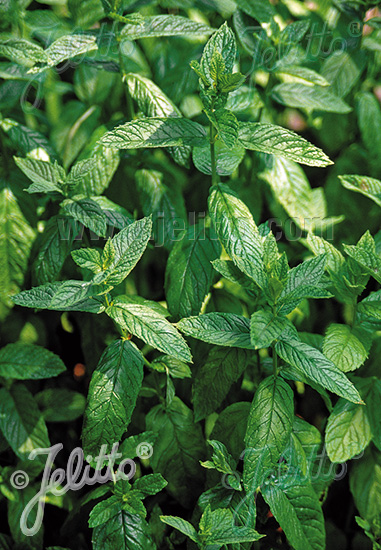
Spearmint is one of the most popular and widely grown culinary herbs in the world, valued for its refreshing fragrance, sweet minty flavor, and remarkable versatility. Its bright green, textured leaves release a delightful aroma whenever touched and are commonly used in teas, beverages, desserts, sauces, and countless culinary creations.
Easy to grow and highly productive, Spearmint thrives in containers where its vigorous spreading habit can be easily managed. Its attractive foliage creates a lush, vibrant display while providing a continual harvest of fresh leaves throughout the growing season.
Whether grown for cooking, herbal teas, pollinator support, or simply for its refreshing scent, Spearmint is a rewarding addition to patios, decks, balconies, and kitchen gardens.
Uses- Fresh leaves for teas, iced beverages, and herbal infusions.
- Excellent flavoring for desserts, fruit dishes, sauces, and syrups.
- Popular ingredient in Middle Eastern, Mediterranean, and Asian cuisine.
- Wonderful addition to lemonade, cocktails, and refreshing summer drinks.
- Attractive fragrant foliage for containers and herb gardens.
- Flowers attract bees, butterflies, and beneficial pollinators.
Spearmint is ideally suited for container gardening. Growing it in a pot helps control its naturally spreading root system while keeping the plant attractive and manageable. Choose a container at least 10–12 inches wide with good drainage.
Place containers in full sun to partial shade. In warmer climates, afternoon shade helps keep leaves tender and flavorful. Keep soil consistently moist, as mint grows best when it has regular access to moisture.
Frequent harvesting encourages dense, bushy growth and ensures a steady supply of fresh leaves throughout the season.
Germination Instructions- Sow seeds on the surface of moist seed-starting mix.
- Press seeds lightly into the soil but do not cover deeply.
- Light aids germination.
- Maintain temperatures between 65–75°F (18–24°C).
- Keep soil evenly moist during germination.
- Seeds typically germinate in 10–20 days.
- Transplant seedlings once several true leaves have developed.
- Botanical Name: Mentha spicata
- Common Name: Spearmint
- Plant Type: Perennial Herb
- Height: 18–36 inches
- Spread: 18–36 inches or more
- Sun Exposure: Full Sun to Partial Shade
- Water Requirements: Moderate to High
- Soil: Rich, moisture-retentive soil
- USDA Zones: 4–9
- Container Size: 10–12 inches minimum diameter
Begin harvesting leaves once plants are well established. Pick individual leaves or cut stems as needed throughout the growing season. Regular harvesting encourages fresh new growth and helps prevent plants from becoming leggy.
Leaves may be used fresh, frozen, or dried for long-term storage. For the best flavor, harvest before flowering when essential oil levels are at their peak.
Why Grow Spearmint?Spearmint combines beauty, fragrance, culinary usefulness, and ease of cultivation in one productive herb. Its refreshing flavor, attractive foliage, pollinator-friendly flowers, and excellent container performance make it a favorite among gardeners and cooks alike. Whether enjoyed fresh in tea, added to recipes, or grown simply for its delightful aroma, Spearmint remains one of the most rewarding herbs for the home garden.

Contact Us | Privacy Policy | About Us
Serving gardeners since 1992
State of Mississippi Seedmen's Permit #C-391, Ohio 90152, Minnesota 20086777