
The Seedman Garden-to-Spice Project
Grow, Harvest, Dry & Grind Your Own Spices
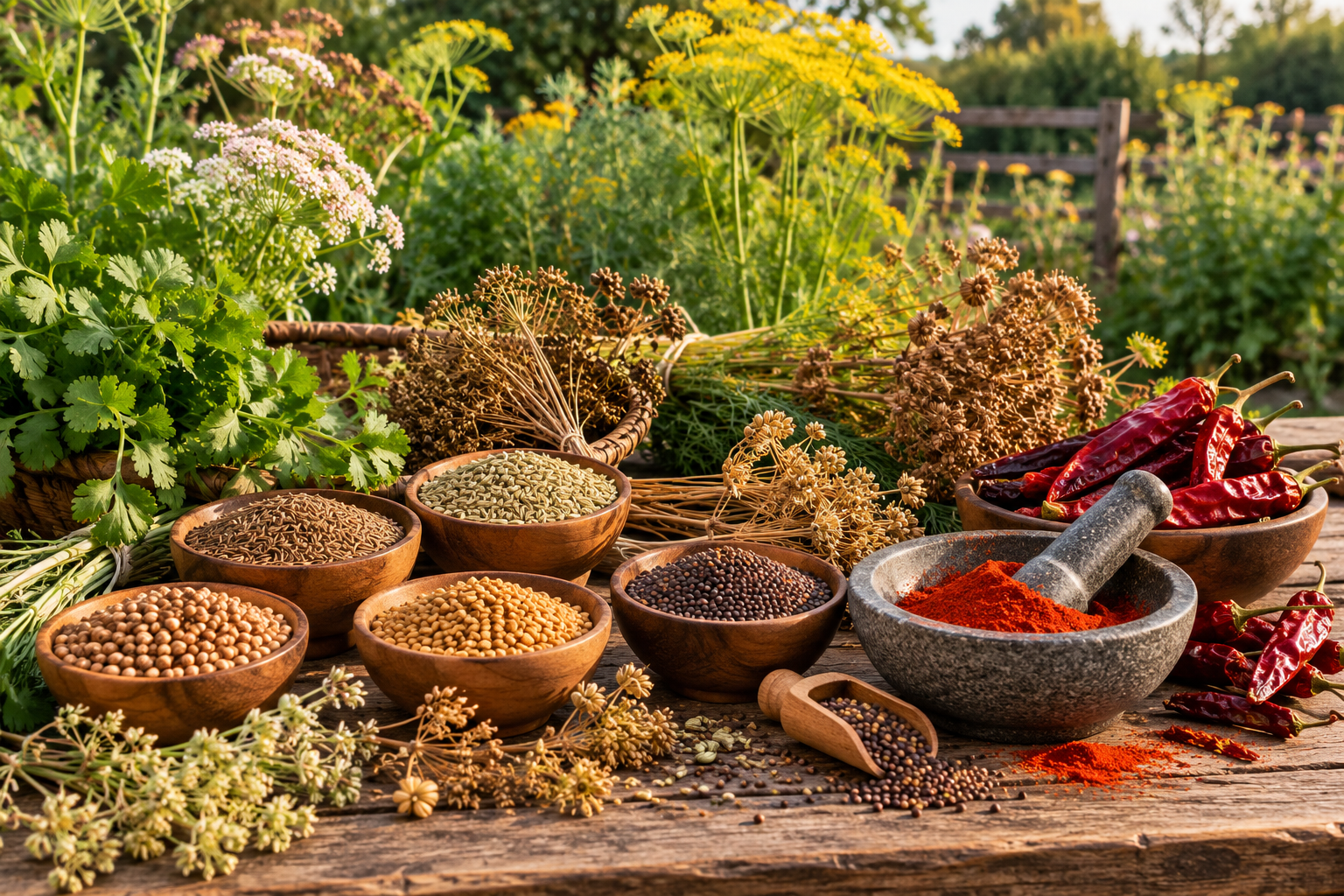
A jar of spice in the kitchen begins with a living plant. The Seedman Garden-to-Spice Project follows eight familiar seasonings all the way from seed to spice cabinet, showing how flowers become seed heads, pods become aromatic seeds, and ripe peppers become brilliant homemade paprika. The goal is not simply to grow herbs—it is to experience the satisfying transformation that happens after harvest.
Plant → Grow → Harvest → Dry → Separate → Toast → Grind → Blend → Cook
Each selection earns its place for a specific kitchen use. Cumin, coriander, anise, dill and fennel provide aromatic seeds; fenugreek develops spice-filled pods; Southern Black Mustard produces pungent black mustard seed; and Paprika Karlo turns a ripe red pepper into colorful ground paprika. Together they make a compact garden with an unusually wide range of flavors and harvesting techniques.
A practical small-garden project: You do not need a field of spice plants. A few well-grown plants can provide enough seed or dried pepper for small jars, recipe experiments and homemade blends. Leave adequate space for selected plants to flower and mature fully, because the harvest stage for a spice crop is often later than the stage at which the same plant would normally be harvested as a fresh herb or vegetable.
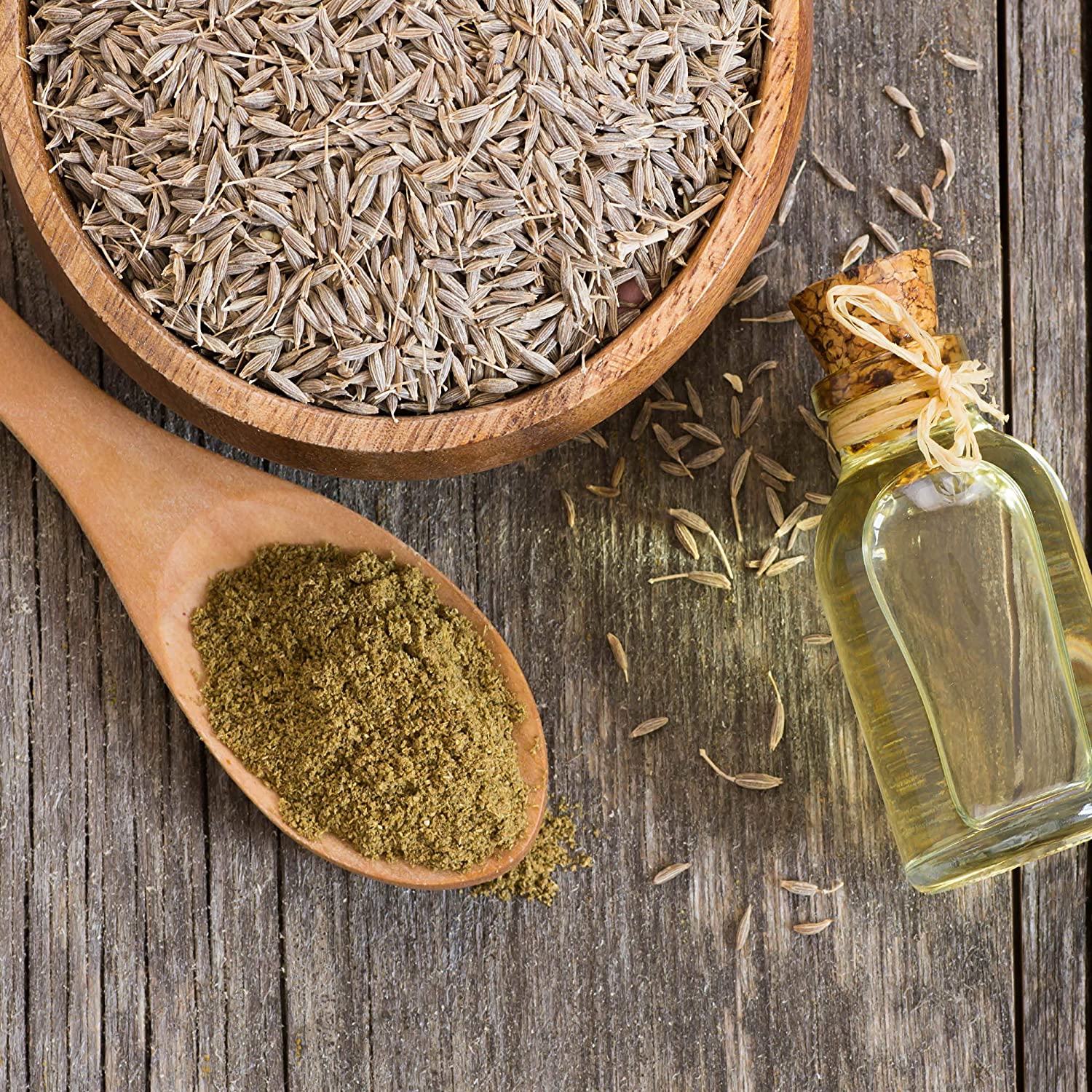
The Earthy Foundation Spice: Cumin (Cuminum cyminum) is a warm-season annual grown for its narrow aromatic seeds, whose earthy flavor is fundamental to cuisines from Mexico and the Mediterranean to India, North Africa and the Middle East. Delicate flower umbels are followed by seed heads that gradually dry and brown.
Give cumin full sun, excellent drainage and a reasonably long period of warm, dry weather. For spice production, allow the heads to mature until the seeds are firm and begin turning brown. Cut before excessive seed loss, finish drying in paper bags or on screens, then thresh and winnow away the chaff.
Garden-to-Spice Notes: Store cumin whole for better flavor retention and grind only what you need. A brief gentle dry-toasting before grinding can deepen its aroma, but watch constantly because small seeds scorch quickly.
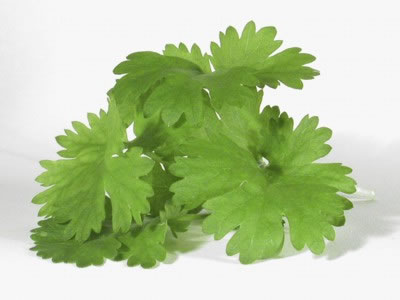
Two Harvests From One Plant: Cilantro and coriander are two culinary stages of Coriandrum sativum. The fresh green leaves are cilantro, while the mature dried fruits are the spice commonly called coriander seed. Letting part of the crop bolt therefore turns a familiar leafy herb into a very different pantry spice.
Grow in full sun to light shade during relatively cool weather. For coriander, stop harvesting leaves from selected plants and allow them to flower. When most seed clusters turn tan to light brown, cut the stems before the fruits begin dropping, place them upside down in paper bags, and let them finish drying before threshing and cleaning.
Garden-to-Spice Notes: Coriander seed has a warm, citrusy character quite unlike fresh cilantro. Keep it whole and crush or grind just before cooking. Comparing the two harvest stages is one of the best lessons on this page.
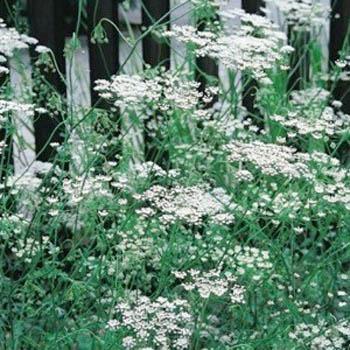
A Sweet, Licorice-Like Seed Spice: Anise (Pimpinella anisum) is an old culinary annual grown for small aromatic fruits commonly called seeds. Their sweet, licorice-like flavor is used in breads, cookies, cakes, candies, teas and traditional spice mixtures.
Grow in full sun and well-drained soil. Allow flower heads to mature until the seeds become gray-brown and aromatic. Cut before they shatter, dry thoroughly in a protected airy location, then rub the heads and separate the seed from stems and chaff.
Garden-to-Spice Notes: Anise is useful whole in baked goods or freshly ground when flavor needs to be distributed through a mixture. Do not confuse culinary anise with star anise, which comes from an entirely different woody plant.
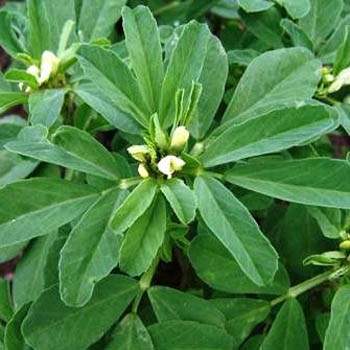
A Spice Hidden in the Pods: Fenugreek (Trigonella foenum-graecum) is a legume whose aromatic golden-brown seeds are important in Indian, Middle Eastern and North African cooking. The plant produces clover-like foliage and slender pods containing the spice seeds.
Grow in full sun in well-drained soil. For spice seed, leave the pods until they turn yellow-brown and dry, harvesting before they split. Finish drying under cover, shell or thresh them, remove the chaff and make certain the seed is fully dry before storage.
Garden-to-Spice Notes: Fenugreek seed is hard and intensely flavored, so a little goes a long way. Whole seed stores better than ground spice. Gentle toasting is used in many recipes, but overheating can make the flavor unpleasantly bitter.
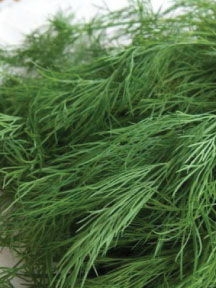
Grow Your Own Dill Seed: Mammoth Dill (Anethum graveolens) is especially well suited to spice production because tall plants develop large flower umbels followed by generous quantities of aromatic seed. Fresh foliage can be harvested earlier, while plants reserved for seed provide the warm dill flavor used in pickling, breads and seasoning mixtures.
Grow in full sun and well-drained soil, preferably by direct sowing. Allow selected heads to remain until seeds flatten, darken and the umbels become dry and brown. Clip the heads into paper bags before heavy shedding, finish drying, then rub or shake the seed free.
Garden-to-Spice Notes: Dill leaf and dill seed are not interchangeable flavors. The seed is warmer and more concentrated and is especially useful for pickles and spice blends.
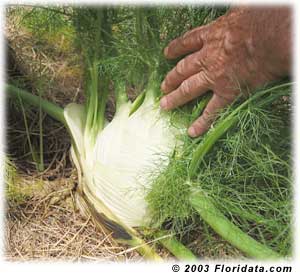
From Vegetable to Fennel Seed: Florence Fennel (Foeniculum vulgare var. azoricum) is usually grown for its crisp swollen leaf bases, but plants allowed to flower can also produce aromatic fennel seed. The sweet, warm seed is used in breads, sausages, sauces, pickles and spice mixtures.
Grow in full sun in fertile, well-drained soil with even moisture. Leave selected plants to send up flowering stalks. Allow the umbels to mature until seeds become firm and greenish-brown to brown, then cut before substantial shattering and finish drying under cover.
Garden-to-Spice Notes: Fennel seed is excellent stored whole and lightly crushed just before use. Its flavor resembles anise but is not identical. Saving plants specifically for seed teaches an important lesson: sometimes the familiar vegetable harvest must be sacrificed to let the spice harvest develop.
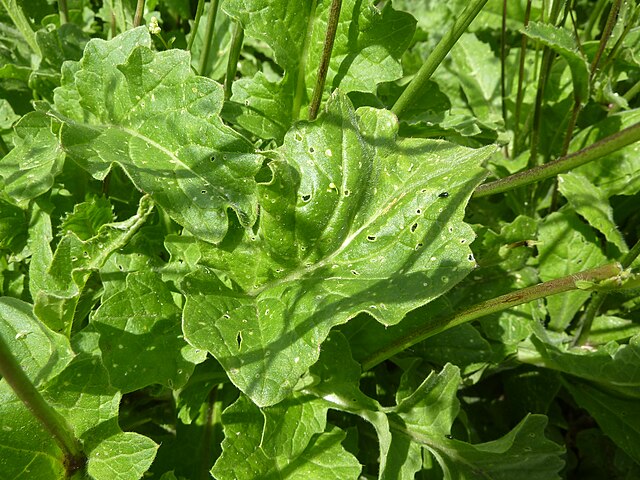
From Seed Pod to Mustard Jar: Ole Southern Black Mustard (Brassica nigra) gives the project one of its clearest transformations. Young plants provide pungent greens, but mature plants develop pods filled with tiny dark seeds that can be used whole, cracked, ground into mustard powder or made into prepared mustard.
Grow in full sun during cool to mild weather. For spice seed, allow selected plants to flower and form pods, then harvest as the pods turn tan and dry but before they become brittle enough to split open. Finish drying, thresh, and winnow the tiny seeds from the pod material.
Garden-to-Spice Notes: Dry mustard seed seems surprisingly mild until crushed and mixed with liquid. Grinding allows compounds in the seed to interact and create mustard's familiar pungency, taking this crop from tiny seed to dry spice and then one step farther to homemade prepared mustard.
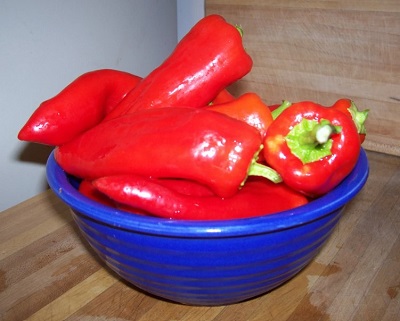
Grow a Pepper, Make a Spice: Paprika Karlo (Capsicum annuum) may be the signature transformation of the Garden-to-Spice project. Allow fruits intended for paprika to ripen completely to a deep mature red. Once dried and ground, those garden peppers become the brilliant red seasoning recognized as paprika.
Start seed indoors well before warm planting weather and transplant to full sun after nights have warmed. Harvest sound, fully colored fruits, remove stems and any spoiled tissue, then split or slice so they dry thoroughly and evenly. A food dehydrator provides the most controllable home method. Pieces must be completely brittle before grinding.
Garden-to-Spice Notes: Grind only thoroughly dried peppers in equipment suitable for dry spices, avoiding airborne pepper dust around eyes and lungs. Store finished paprika airtight, cool and dark to protect its color and aroma.
THE GARDEN-TO-SPICE HANDBOOK
1. Plan for the Harvest You Actually Want
A spice garden is managed differently from a fresh-herb garden. Cilantro, dill and fennel must be allowed to flower and set seed. Mustard and fenugreek need time to mature pods. Paprika peppers must remain on the plant until fully colored and then be dried. Mark several plants in advance as your spice crop so they are not accidentally harvested early.
2. Know When Seed Spices Are Ready
For cumin, coriander, anise, dill and fennel, watch the seed heads rather than the calendar. Seeds should be full-sized and firm, and much of the head should be changing from green toward tan or brown. Do not wait until every seed is bone-dry on the plant; many spice crops naturally shatter when completely ripe. Cutting slightly early and finishing the drying under cover often saves more seed.
3. Harvest Without Losing the Seed
Use clean shears and harvest on a dry day after dew has evaporated. Slip a paper bag beneath a ripe seed head before cutting if seeds are already loosening. Paper bags, sheets and shallow trays catch seeds that fall during final drying. Avoid sealed plastic around material that still contains moisture.
4. Dry Before You Store
Spread seed heads, pods or loose seeds in a thin layer in a warm, dry, shaded place with good air circulation. Turn or stir as needed. Only package material after stems, pods and seeds are genuinely dry. If uncertain, allow additional drying time rather than trapping residual moisture in a jar.
5. Thresh & Winnow Small Batches
Threshing simply means freeing spice seed from its dry head or pod. For a home batch this may mean rubbing umbels between gloved hands, shaking stems inside a paper bag, rolling dry pods gently, or tapping a bundle into a clean container. After threshing, use screens, hand sorting, or a very gentle stream of air to separate lightweight chaff from the heavier spice seed. Work over a tray so escaped seed is not lost.
6. Drying Paprika Peppers
Harvest fully ripe, sound red peppers and discard any showing rot or mold. Remove stems, split or slice the fruit, and dry until pieces are brittle rather than leathery. A food dehydrator is the easiest way to provide controlled airflow and heat. Peppers that still bend because moisture remains inside are not ready for grinding or sealed storage.
7. Whole Spices Usually Store Better
Whenever practical, keep cumin, coriander, anise, fenugreek, dill, fennel and mustard as whole seed and grind smaller amounts as needed. Grinding increases surface area and lets aroma dissipate more quickly. Store thoroughly dried spices in clean airtight containers away from heat, sunlight and humidity, and label every container with crop and harvest year.
8. Toasting: Optional, Powerful & Easy to Overdo
Many seed spices develop a deeper aroma when briefly warmed in a dry pan immediately before grinding. Use low to moderate heat, keep the seeds moving and remove them as soon as they become noticeably fragrant. Toasting is optional and is not appropriate for every recipe. Small dry seeds can scorch very quickly.
9. Grinding Your Harvest
A mortar and pestle is excellent for small amounts and gives good control over texture. A dedicated electric spice grinder is faster for harder seeds. Make certain the spice is fully dry before grinding, and let toasted spices cool first. For paprika, avoid breathing fine airborne pepper dust and keep it away from eyes.
10. Five Simple Ways to Use the Harvest
- Fresh-ground cumin: Grind just before adding to chili, beans, roasted vegetables or spice rubs.
- Coriander & cumin blend: Combine freshly ground coriander and cumin as a simple base for savory dishes; adjust the ratio to taste.
- Homegrown pickling spice: Use dill seed and mustard seed as a foundation, adding other appropriate pantry spices according to the recipe.
- Fennel-anise baking blend: Lightly crush fennel and anise for breads or other recipes where a sweet aromatic seed flavor is wanted.
- Garden paprika: Sprinkle your own ground Karlo paprika over potatoes, eggs, vegetables or seasoning blends.
11. Make a Garden-to-Spice Tasting Flight
Smell each seed whole, crush a few, then compare the freshly crushed aroma. Where appropriate, compare raw and lightly toasted samples. Keep notes on harvest date, drying time, flavor and favorite uses. The following year's garden can then be planned around the spices your household actually uses.
Food-Safety Notes
Use only correctly identified plants grown without treatments that make the harvested portion unsuitable for food. Keep harvested material clean and dry, and discard anything moldy, spoiled or contaminated. Thorough drying is essential before sealed storage. When preserving foods such as pickles, use a tested preservation recipe; adding homegrown spices does not replace required acidity, processing time or other safety controls.
Seedman Notes: A spice garden changes the way you look at familiar plants. Cilantro becomes coriander, a mustard flower becomes a jar of pungent seed, and a ripe red pepper becomes paprika. The harvest may fit into only a few small jars, but every jar carries the complete story from seed packet to spice cabinet.
For over a thousand more unique seed varieties, all in stock and ready to ship, visit our Seed Catalog Index Page .

Contact Us | Privacy Policy | About Us
Serving gardeners since 1992
State of Mississippi Seedmen's Permit #C-391, Ohio 90152, Minnesota 20086777