
Spinach Seeds
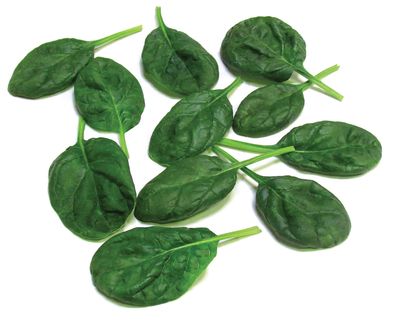
Olympia F1 Spinach is a premium hybrid variety developed for exceptional vigor, outstanding disease resistance, and reliable production throughout the cool growing seasons. Producing abundant crops of smooth, deep green leaves with excellent texture and mild, sweet flavor, Olympia F1 is equally well suited for fresh salads and cooked dishes. Its rapid growth and attractive appearance have made it a favorite among home gardeners, market growers, and commercial producers seeking dependable harvests of high-quality spinach.
The uniform, upright plants produce thick, glossy leaves that are easy to harvest and wash, making Olympia F1 an excellent choice for both baby leaf and full-size spinach production. Its strong resistance to bolting allows gardeners to enjoy a longer harvest window during spring and fall, while excellent disease tolerance contributes to vigorous, healthy growth under a wide range of conditions. Whether harvested young for tender salad greens or allowed to mature for cooking, Olympia consistently delivers outstanding flavor and quality.
Spinach thrives in cool weather and fertile, well-drained soil with consistent moisture. Olympia F1 establishes quickly and produces vigorous growth during both spring and autumn plantings. Successive sowings every few weeks provide a continuous supply of fresh leaves throughout the season. Rich in vitamins A, C, and K, along with iron, folate, antioxidants, and fiber, homegrown spinach is one of the most nutritious vegetables available for the garden.
Whether enjoyed fresh in salads, blended into smoothies, steamed, sautéed, or added to soups, casseroles, and pasta dishes, Olympia F1 offers exceptional versatility in the kitchen. Its dependable performance, attractive smooth leaves, excellent flavor, and impressive disease resistance make it one of the finest hybrid spinach varieties available for gardeners seeking abundant harvests of premium-quality greens.
Botanical Name: Spinacia oleracea
Days to Maturity: 38–45 days
Plant Height: 8–10 inches
Leaf Type: Smooth, dark green leaves
Growth Habit: Upright, compact rosette
Primary Uses: Fresh salads, baby greens, sautéing, steaming, soups, freezing
Seedman Notes: Olympia F1 combines rapid growth, excellent disease resistance, and superior eating quality into one outstanding hybrid. Its smooth leaves are easy to harvest and clean, while its dependable garden performance makes it an excellent choice for both beginning gardeners and experienced growers looking for consistent, nutritious harvests.
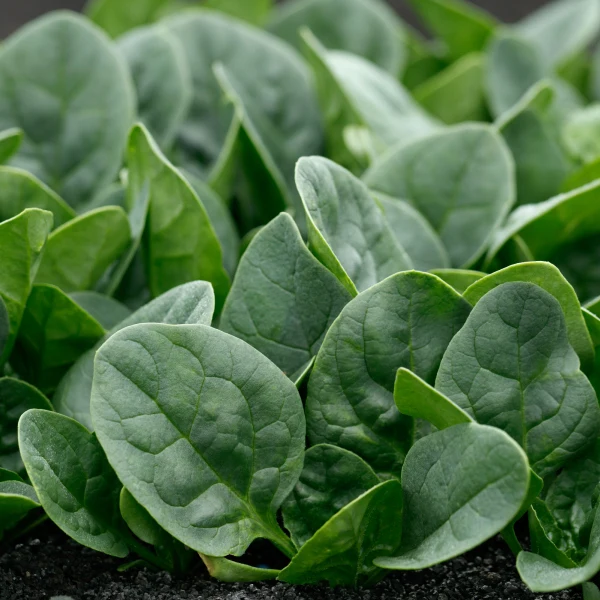
An attractive hybrid developed especially for producing beautiful, uniform baby spinach. Plants form an upright habit with thick, smooth, round-to-oval leaves of a very dark green color. The leaves have excellent substance and holding quality, making Countryside especially well suited for baby-leaf salads, fresh eating and repeated clipping. Its moderate growth rate helps maintain quality in the garden rather than quickly becoming oversized, while the upright foliage makes harvesting and cleaning easier.
Grow Countryside during the cool weather of spring and fall in full sun, or provide some afternoon shade where temperatures warm quickly. Sow directly into fertile, well-drained soil and keep the planting evenly moist for tender, rapid growth. Baby leaves can be harvested in approximately 23–27 days under favorable outdoor conditions, with larger leaves allowed to develop for later harvest. Countryside also offers useful bolt tolerance and excellent disease protection, with high resistance to multiple races of spinach downy mildew (Pe 1–12, 14–16, 19–20), an especially valuable characteristic where this disease has been troublesome.
Sow seed about 1/2 inch deep in cool soil, with germination generally occurring in approximately 5–14 days under favorable conditions. For baby-leaf production, seeds can be planted relatively closely and young leaves clipped as soon as they reach the desired size; allow wider spacing if larger mature plants are wanted.
Seedman Notes: Countryside is an excellent choice for gardeners who enjoy the tender spinach sold in packaged baby-leaf mixes. Its combination of exceptionally dark color, thick smooth leaves, uniform growth and strong downy mildew resistance makes it particularly attractive for succession plantings and repeated fresh harvests.
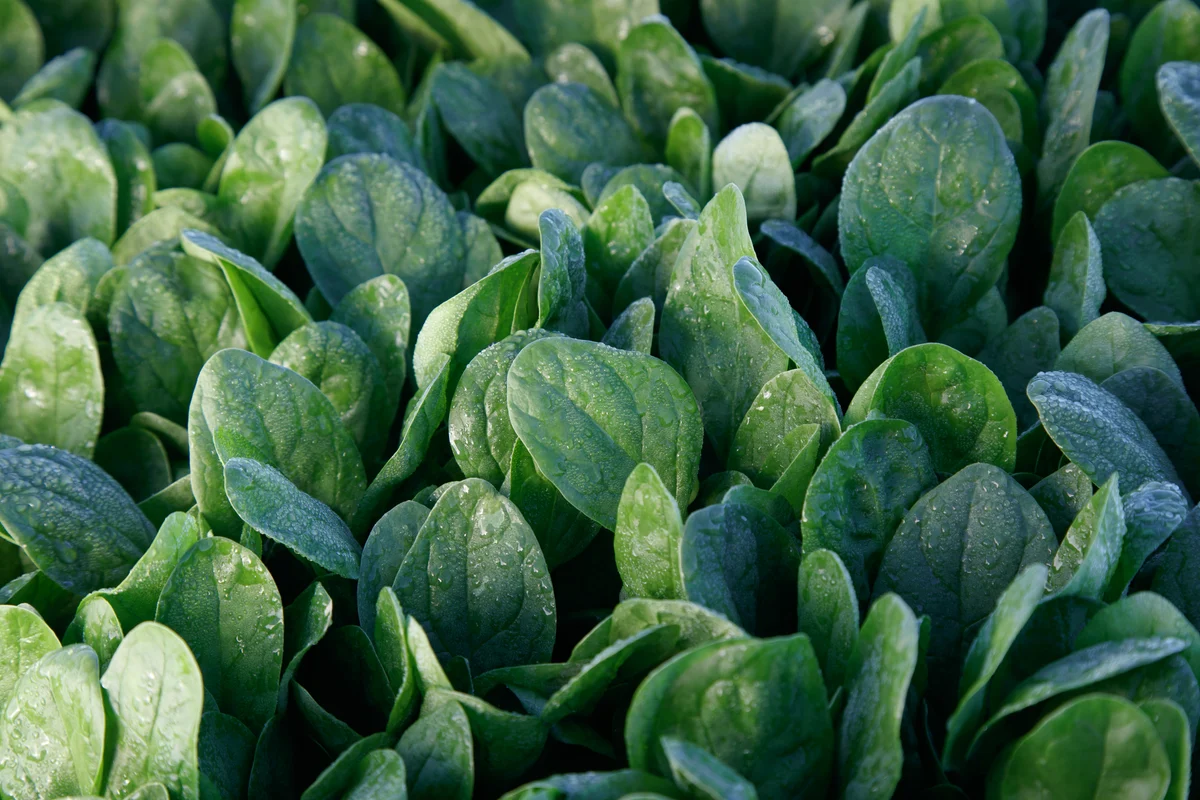
A versatile hybrid producing attractive, smooth, dark green leaves with a rounded to oval shape and an upright growth habit that makes harvesting especially easy. The leaves develop excellent texture and substance along with a mild, pleasing spinach flavor, making Lakeside equally useful for tender baby-leaf salads, fresh bunching and larger leaves for cooking. Its combination of uniform growth, attractive color and excellent eating quality makes it a fine choice for both home gardens and intensive raised-bed production.
Grow Lakeside during the cool weather of spring and fall in fertile, well-drained soil with consistent moisture. Plants perform best in full sun during cool weather, although some afternoon shade can help extend production as temperatures rise. Baby leaves can be ready approximately 25–30 days from direct seeding, and the variety has good bolt tolerance for extending the useful harvest period. Lakeside also offers an excellent disease package, with high resistance to multiple races of spinach downy mildew and intermediate resistance to additional races, an important advantage for gardeners who have experienced this troublesome spinach disease.
Sow seed directly about 1/2 inch deep in cool, moist soil, with germination generally occurring in approximately 5–14 days under favorable conditions. Sow relatively closely for baby-leaf harvesting or thin plants to several inches apart when larger leaves and bunches are desired. Succession sowings every couple of weeks during suitable cool weather can provide an extended supply of fresh spinach.
Seedman Notes: Lakeside is particularly useful for gardeners who want one spinach variety capable of several different harvest styles. Pick the young leaves for baby spinach, allow plants to develop for bunching, or repeatedly clip usable leaves as needed—a productive, adaptable hybrid with excellent garden and kitchen versatility.
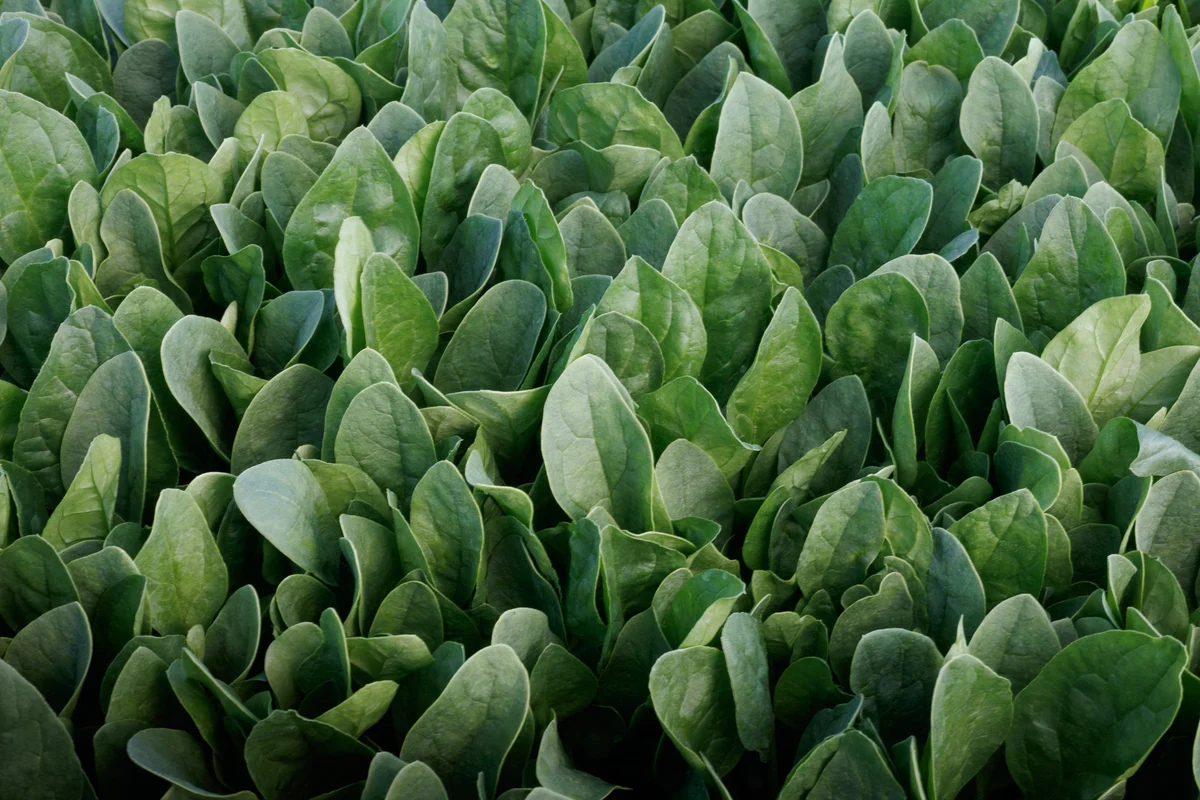
Grow Riverside during the cool weather of spring and fall in fertile, well-drained soil supplied with consistent moisture. It performs best in full sun during cool conditions, with some afternoon shade useful where temperatures rise quickly. Riverside has a moderate growth rate and moderate bolt resistance, with baby leaves generally ready in approximately 25–30 days from direct seeding and mature spinach around 35–40 days under favorable conditions. It also carries an impressive disease package, with high resistance to spinach downy mildew races Pe 1–11, 15–16 and 19–20, plus intermediate resistance to races 12 and 14.
Sow seed directly about 1/2 inch deep in cool, moist soil, where germination generally occurs in approximately 5–14 days under favorable conditions. Plant relatively closely when growing for baby leaves, or thin to several inches apart when larger plants are desired. For a continuous supply, make successive sowings during suitable cool weather and harvest the outer leaves or clip young plants when they reach the preferred size.
Seedman Notes: Riverside is a particularly appealing choice for gardeners wanting the look and quality of premium packaged baby spinach from their own garden. Its unusually dark color, smooth thick leaves, upright growth and strong downy mildew resistance combine excellent appearance with practical garden performance.
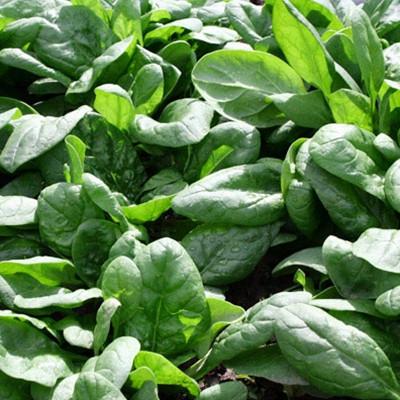
Whale F1 Spinach is an exceptional hybrid variety bred for vigorous growth, outstanding disease resistance, and remarkably large, thick leaves. Producing abundant harvests of rich, dark green foliage, Whale F1 is prized by both home gardeners and commercial growers for its impressive yields and excellent eating quality. The broad, smooth leaves possess a mild, slightly sweet flavor and tender texture, making them equally suitable for fresh salads, sandwiches, sautéing, and cooked dishes. Its rapid growth and dependable performance make it one of the finest choices for continuous harvests throughout the cool growing seasons.
The strong, upright plants produce large, uniform leaves that are easy to harvest and clean, while excellent bolt resistance allows for an extended picking season during both spring and fall. Whale F1 demonstrates outstanding tolerance to many common spinach diseases, resulting in healthy, productive plants that continue producing high-quality foliage even under challenging growing conditions. Harvest leaves individually as needed or cut entire plants for larger harvests, with new growth often continuing under favorable conditions.
Spinach thrives in cool weather, fertile well-drained soil, and consistent moisture. Whale F1 establishes quickly and performs exceptionally well in spring and autumn gardens, where successive sowings every few weeks provide a steady supply of fresh greens. Rich in vitamins A, C, and K, along with iron, folate, calcium, antioxidants, and dietary fiber, homegrown spinach remains one of the most nutritious vegetables available for the kitchen garden.
Whether enjoyed fresh as tender baby greens, blended into smoothies, wilted into pasta dishes, added to soups, or lightly steamed as a nutritious side dish, Whale F1 delivers exceptional flavor, texture, and versatility. Its combination of hybrid vigor, oversized leaves, dependable yields, and superior disease resistance makes it an outstanding choice for gardeners seeking premium-quality spinach throughout the growing season.
Botanical Name: Spinacia oleracea
Days to Maturity: 40–48 days
Plant Height: 10–12 inches
Leaf Type: Large, smooth, dark green leaves
Growth Habit: Upright, vigorous rosette
Primary Uses: Fresh salads, baby greens, sautéing, steaming, soups, smoothies, freezing
Seedman Notes: Whale F1 is aptly named for its impressively large leaves and exceptional productivity. Combining rapid growth, extended harvests, excellent disease resistance, and premium eating quality, it is an outstanding hybrid for gardeners who want abundant harvests of nutritious, easy-to-grow spinach.
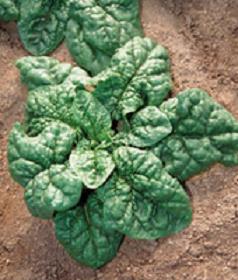
Unipack 151 Hybrid Spinach is a premium hybrid variety developed for exceptional uniformity, rapid growth, and outstanding disease resistance. Producing abundant harvests of thick, dark green leaves with excellent texture and mild, sweet flavor, Unipack 151 is an outstanding choice for both home gardeners and commercial growers. Its attractive, upright plants produce smooth, easy-to-clean foliage that is ideal for fresh salads, baby greens, bunching, and cooked dishes. Reliable performance and consistent quality have made this hybrid a favorite for gardeners seeking nutritious, high-yielding spinach.
The vigorous plants establish quickly and develop an upright growth habit that helps keep leaves clean while simplifying harvest. Excellent resistance to bolting extends the harvest season during cool spring and fall weather, while strong disease tolerance promotes healthy, productive plants throughout the growing cycle. Whether harvested as tender baby leaves or allowed to mature into full-sized spinach, Unipack 151 delivers outstanding flavor, crisp texture, and dependable yields.
Spinach performs best in cool temperatures with fertile, well-drained soil and consistent moisture. Unipack 151 thrives in both spring and autumn gardens, where successive plantings every few weeks provide continuous harvests of fresh greens. Rich in vitamins A, C, and K, along with iron, folate, calcium, antioxidants, and dietary fiber, spinach remains one of the healthiest vegetables available for the home garden.
Equally delicious fresh or cooked, Unipack 151 excels in salads, sandwiches, soups, pasta dishes, casseroles, smoothies, and light sautéing. Its combination of rapid maturity, attractive appearance, vigorous growth, and excellent eating quality makes it one of the finest hybrid spinach varieties for gardeners looking to enjoy abundant harvests throughout the cool growing season.
Botanical Name: Spinacia oleracea
Days to Maturity: 38–45 days
Plant Height: 8–10 inches
Leaf Type: Smooth, dark green leaves
Growth Habit: Upright, vigorous rosette
Primary Uses: Fresh salads, baby greens, bunching, sautéing, steaming, soups, freezing
Seedman Notes: Unipack 151 Hybrid combines rapid growth, excellent disease resistance, and beautiful uniform foliage into one dependable variety. Its clean, upright habit, superior flavor, and outstanding productivity make it an excellent choice for gardeners who want premium-quality spinach from spring through fall.
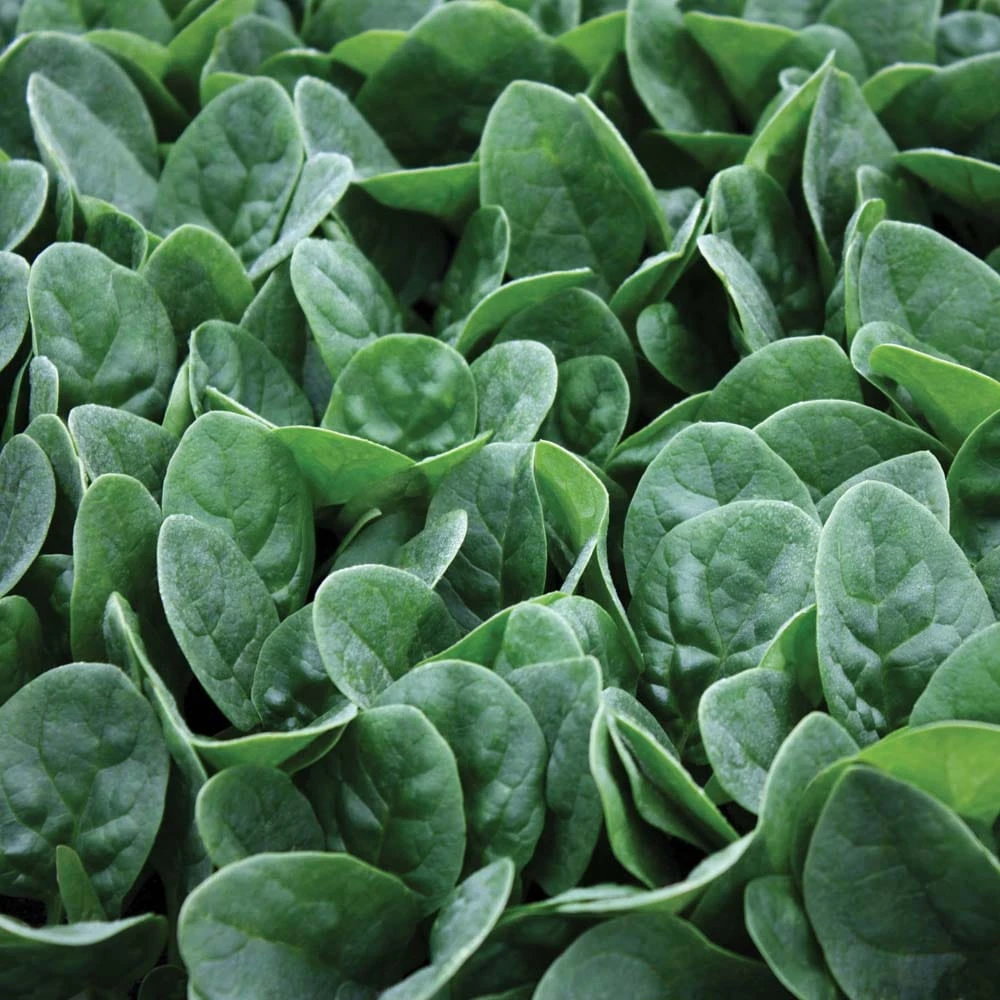
Seaside F1 Spinach is a premium hybrid variety bred for outstanding vigor, excellent disease resistance, and dependable production under a wide range of growing conditions. Producing abundant harvests of smooth, glossy, dark green leaves, Seaside F1 offers a mild, sweet flavor and crisp texture that make it equally suited for fresh salads, baby greens, sandwiches, and cooked dishes. Its rapid growth and exceptional uniformity have made it a favorite among home gardeners, market growers, and commercial producers seeking consistently high-quality spinach.
The vigorous upright plants develop thick, succulent leaves that are easy to harvest and wash, making Seaside F1 an excellent choice for both baby leaf production and mature bunching spinach. Strong bolt resistance extends the harvest season during cool spring and fall weather, while excellent resistance to common spinach diseases helps ensure healthy, productive plants. Whether harvested leaf by leaf or cut as full plants, Seaside F1 delivers exceptional quality throughout the growing season.
Spinach thrives in cool temperatures with fertile, well-drained soil and consistent moisture. Seaside F1 establishes quickly and performs exceptionally well in both spring and autumn gardens. Successive sowings every few weeks provide a continuous harvest of fresh, nutritious greens. Rich in vitamins A, C, and K, along with iron, folate, calcium, antioxidants, and dietary fiber, spinach remains one of the healthiest and easiest vegetables to grow at home.
Whether enjoyed fresh in salads, blended into smoothies, lightly sautéed, steamed, or added to soups, casseroles, and pasta dishes, Seaside F1 offers outstanding versatility and exceptional eating quality. Its combination of hybrid vigor, reliable disease resistance, attractive foliage, and consistently high yields makes it an excellent choice for gardeners seeking premium spinach from early spring through late fall.
Botanical Name: Spinacia oleracea
Days to Maturity: 38–45 days
Plant Height: 8–10 inches
Leaf Type: Smooth, glossy dark green leaves
Growth Habit: Upright, compact rosette
Primary Uses: Fresh salads, baby greens, bunching, sautéing, steaming, soups, smoothies, freezing
Seedman Notes: Seaside F1 combines excellent garden performance with premium eating quality. Its smooth, attractive leaves, dependable yields, strong disease resistance, and extended harvest period make it an outstanding hybrid for gardeners who want beautiful, nutritious spinach throughout the cool growing seasons.
Noble Giant Spinach is a classic heirloom variety renowned for producing enormous, tender leaves with exceptional flavor and outstanding garden performance. Introduced more than a century ago, this dependable variety has become a favorite among home gardeners for its vigorous growth, heavy yields, and versatility in the kitchen. The large, dark green leaves are thick, slightly crinkled, and remarkably tender, making Noble Giant equally suited for fresh salads, steaming, sautéing, soups, and freezing. Its combination of size, flavor, and productivity has made it one of the finest heirloom spinach varieties available.
Vigorous plants develop broad, upright rosettes that produce an abundance of oversized leaves over an extended harvest period. Individual leaves can be picked as needed while allowing the plant to continue producing fresh growth, or entire plants may be harvested at maturity. Noble Giant performs especially well during the cool temperatures of spring and fall, where its excellent vigor and dependable growth reward gardeners with generous harvests of premium-quality greens.
Spinach grows best in fertile, well-drained soil with consistent moisture and full sun to partial shade. Successive plantings every few weeks provide a continuous supply of fresh spinach throughout the cool growing season. Rich in vitamins A, C, and K, along with iron, folate, calcium, antioxidants, and dietary fiber, Noble Giant is one of the most nutritious vegetables that can be grown in the home garden while providing outstanding flavor and exceptional culinary versatility.
Whether harvested as young baby greens or allowed to develop its signature giant leaves, Noble Giant delivers outstanding quality in every stage of growth. Its impressive leaf size, rich color, dependable productivity, and classic heirloom flavor continue to make it one of the most popular spinach varieties for gardeners who appreciate abundant harvests and old-fashioned garden reliability.
Botanical Name: Spinacia oleracea
Days to Maturity: 45–50 days
Plant Height: 10–12 inches
Leaf Type: Large, slightly savoyed dark green leaves
Growth Habit: Upright, vigorous rosette
Primary Uses: Fresh salads, sautéing, steaming, soups, casseroles, freezing, baby greens
Seedman Notes: Noble Giant has remained a gardener's favorite for generations thanks to its enormous, tender leaves and dependable production. If you're looking for a classic heirloom spinach that combines excellent flavor, exceptional nutrition, and abundant harvests, Noble Giant continues to set the standard.
Grow spinach for its exceptional nutritional value, containing high levels of iron, calcium, vitamins A, C, and E, and minerals like potassium and magnesium. It's a fast-growing, versatile, cool-season crop that can be grown by beginners in containers, raised beds, or the ground. Regular harvesting encourages continuous production, and its ability to tolerate partial shade and grow in spring, fall, and even over winter makes it a rewarding choice for many gardeners.
Fresh spinach seed germinates readily at 38-40F and
may be planted with good results when soil temperatures are 50
to 60 F. Higher temperatures reduce seed germination. Soil
temperatures above 85 F will inhibit seed germination. Spinach
seed rapidly loses viability. Fresh seed should be purchased
each year. Spinach should be planted in rows 1 to 2 feet apart.
The seed should be placed 1/2 inch deep and planted to have one
plant every 3 to 4 inches after thinning.
Spinach requires a soil pH of 6.0 - 6.5 and will not grow well
if pH is below 6.0. Indications of possible soil pH problems
include poor seed germination, yellowing and browning of the
margins and tips of seedling leaves, browning of roots, and
generally slow growth or death of the plants. If soil pH is too
high, leaves may show a generalized yellowing or chlorosis.
Spinach is adapted to a range of soil types, from light and
sandy to silty clay loams. In heavier soils, spinach should be
grown on raised beds to improve drainage for the shallow-rooted
plants. Seedling damping off can be reduced by use of raised
beds. After seeding, the soil should be kept uniformly moist.
When irrigating the garden, apply water in the morning so that
the foliage is dry before dark. Apply sufficient water to
moisten the soil to a depth of six inches. A uniform supply of
soil moisture is required to produce high quality, tender
spinach.
Spinach growth starts slowly and then accelerates during the
final 21 days before harvest. If a soil test has not been
taken, broadcast 5-10-10 fertilizer at 30 pounds per 1,000
square feet before planting. Spinach should be side-dressed
once during the growing season with ammonium nitrate at 1 pound
per 100 feet of row or calcium nitrate at 2 pounds per 100 feet
of row. A total of approximately 150 lb/A of actual N is
recommended, usually applied 1/2 preplant and 1/2 as a
broadcast application 3-4 weeks after seeding. Spinach requires
fairly high boron (B). Most soils in Nebraska supply adequate
boron for spinach. Spinach plants can become stunted with dark
roots and small, flattened, yellow leaves when boron is
deficient. An application of 1 pound of boron (10 lb/A of
borax) broadcast before seeding should eliminate the problem in
subsequent years. NEVER use boron unless needed and then only
in the recommended amounts. Boron is highly toxic to many other
garden plants including snap beans, cucumbers, peas and
strawberries.
Emergence rate varies depending upon soil temperature; time
from planting to harvest also is highly temperature dependent.
Generally, most varieties can be harvested 45 to 50 days after
planting. Spinach can be harvested from the time the plants
have five to six leaves until just before seedstalk
formation.

Contact Us | Privacy Policy | About Us
Serving gardeners since 1992
State of Mississippi Seedmen's Permit #C-391, Ohio 90152, Minnesota 20086777