
Spurge ( Euphorbia ) Seeds
Most varieties of Euphorbia plants produce weird and unusual flowers. Gardeners should be cautious when handling Spurge, as all varieties have a milky latex sap that can be irritating or even poisonous.
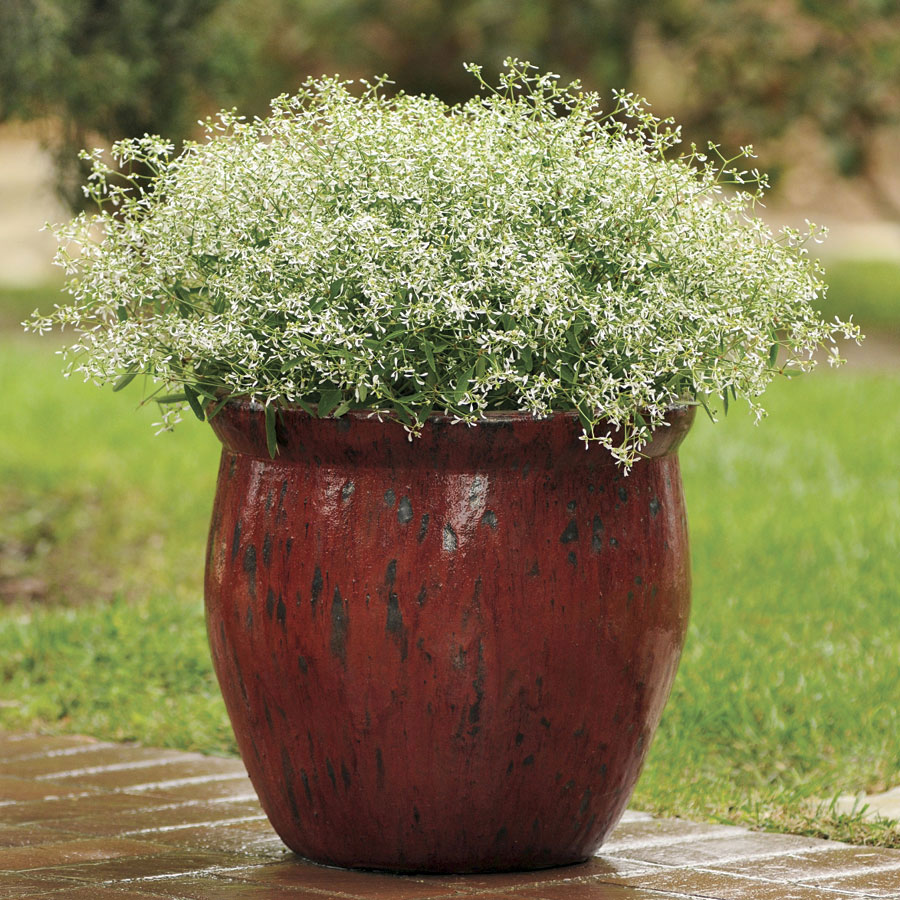
An elegant, airy perennial often grown as an annual in cooler climates, producing hundreds of tiny white flowers that seem to float above fine-textured green foliage from late spring until frost. Unlike the familiar poinsettia or spurge weeds, Glitz forms a naturally rounded mound covered in delicate blooms that resemble clouds of baby's breath, adding softness and movement to containers, borders, and mixed landscape plantings. Its exceptional heat tolerance, drought resistance once established, and remarkably long flowering season have made it a favorite among professional landscapers and home gardeners alike.
The masses of miniature white flowers continuously emerge throughout the growing season without requiring deadheading, creating a graceful, lace-like effect that pairs beautifully with both colorful flowering plants and ornamental grasses. Glitz thrives during the hottest months of summer when many annuals begin to fade, maintaining fresh green foliage and abundant blooms well into autumn. Its refined appearance makes it equally suitable for formal gardens, cottage plantings, modern landscapes, or patio containers.
Garden Uses
Glitz Euphorbia is an outstanding filler plant for mixed containers, window boxes, hanging baskets, and decorative patio pots where its airy white flowers soften bold companion plants. It blends beautifully with petunias, calibrachoa, lantana, salvias, geraniums, coleus, and ornamental grasses, adding texture without overwhelming neighboring flowers.
In landscape beds, it creates attractive borders, edging plantings, cottage gardens, rock gardens, pollinator gardens, and xeriscapes. The continuous white blooms brighten pathways, soften hardscape edges, and provide a delicate backdrop for larger flowering perennials. Florists also appreciate the sprays of tiny flowers as long-lasting filler material in fresh-cut arrangements.
Growing Information
Glitz Euphorbia performs best in full sun to partial shade, although flowering is heaviest with at least six hours of direct sunlight daily. It prefers well-drained soil and tolerates sandy, rocky, or moderately poor soils once established. Plants generally mature 18 to 30 inches tall with an equal spread, forming naturally rounded, branching mounds.
Seeds should be started indoors approximately 8 to 10 weeks before the last expected frost. Sow seeds on the surface of a moist seed-starting mix and lightly press them into the soil, as light improves germination. Maintain temperatures around 70-75°F. Germination typically occurs within 10 to 21 days. Transplant outdoors after all danger of frost has passed.
Once established, Glitz is remarkably drought tolerant and requires only moderate watering during extended dry periods. Little fertilization is needed, although a balanced slow-release fertilizer applied at planting encourages vigorous growth. No deadheading is necessary, and occasional trimming can encourage even fuller branching if desired.
| Quick Facts | |
|---|---|
| Botanical Name | Euphorbia graminea |
| Common Name | Glitz Euphorbia |
| Plant Type | Tender perennial often grown as an annual |
| Height | 18-30 inches |
| Spread | 18-30 inches |
| Bloom Color | Tiny white flowers |
| Bloom Season | Late spring until frost |
| Light Requirements | Full sun to partial shade |
| Water Needs | Low to moderate |
| Soil Type | Well-drained, average to sandy soils |
| USDA Zones | 9-11 (grown as an annual elsewhere) |
| Deer Resistance | High |
| Pollinator Friendly | Yes |
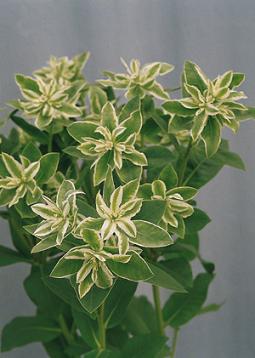
Commonly known as Snow-on-the-Mountain, is a striking heirloom annual prized for its dramatic white-edged foliage that becomes even more brilliant as the season progresses. Native to the Great Plains of North America, this unique Euphorbia develops upright stems clothed in bright green leaves that gradually become frosted with creamy white margins surrounding clusters of tiny flowers. From a distance, mature plants resemble snow-covered shrubs in the middle of summer, creating an unforgettable display in flower borders and naturalized landscapes.
Growing quickly from seed, Kilimanjaro reaches an impressive 2 to 4 feet in height while maintaining a naturally bushy, well-branched habit. Although its actual flowers are small and inconspicuous, the showy white bracts surrounding them create the spectacular display gardeners admire. Exceptionally tolerant of heat, drought, and poor soils, this old-fashioned favorite continues looking fresh and attractive long after many annuals have faded.
Garden Uses
Kilimanjaro is ideal for mixed annual borders, cottage gardens, prairie plantings, naturalized meadows, and drought-tolerant landscapes. Its bright white foliage creates outstanding contrast against colorful flowers such as zinnias, cosmos, sunflowers, salvias, rudbeckias, celosia, and ornamental grasses.
The long stems make excellent additions to fresh and dried floral arrangements, where the white variegated foliage serves as an elegant filler. It also performs well as a dramatic background plant in large containers and can be planted in mass for an eye-catching "snowy" effect that remains attractive until frost.
Growing Information
Kilimanjaro thrives in full sun and prefers well-drained soil but readily adapts to average garden conditions, including sandy, rocky, and moderately poor soils. Plants typically mature 24 to 48 inches tall and 18 to 30 inches wide, depending upon growing conditions.
Seeds may be sown directly outdoors after the final frost or started indoors 4 to 6 weeks earlier for earlier blooms. Sow seeds approximately ¼ inch deep and maintain soil temperatures near 70°F. Germination generally occurs within 10 to 20 days. Thin seedlings to allow good air circulation and strong branching.
Once established, Kilimanjaro requires very little maintenance. It tolerates prolonged dry weather remarkably well and rarely requires supplemental fertilizer. Because the plant naturally develops an attractive branching habit, pinching is generally unnecessary.
Pollinator Value
Although the tiny flowers are often overlooked, they produce nectar that attracts numerous beneficial insects including native bees, hoverflies, parasitic wasps, and small butterflies. The long flowering season provides a dependable food source during midsummer when many native plants have completed blooming.
Its dense branching also offers shelter for predatory insects that contribute to natural pest control throughout the garden.
Natural Garden Benefits
As a North American native species, Euphorbia marginata fits naturally into prairie restorations, native plant gardens, and wildlife-friendly landscapes. Its excellent drought tolerance makes it especially valuable for water-wise gardening, xeriscaping, and low-maintenance plantings.
The milky latex sap naturally discourages browsing by deer and rabbits, allowing plants to remain attractive even where wildlife pressure is significant. Once established, Kilimanjaro requires minimal irrigation while continuing to provide months of ornamental interest.
Historical Significance
Euphorbia marginata is native across the central United States, particularly the Great Plains, where it grows naturally on dry prairies, roadsides, open grasslands, and rocky hillsides. Native Americans were familiar with the plant, although like many Euphorbias, its milky sap required careful handling.
The species entered ornamental cultivation during the 1800s and quickly became a favorite Victorian bedding plant because of its unusual white foliage and ability to withstand difficult summer growing conditions. Today it remains one of the finest ornamental foliage annuals available for sunny gardens.
Interesting Facts
The common name "Snow-on-the-Mountain" comes from the brilliant white upper leaves that resemble freshly fallen snow covering a mountain peak.
The tiny flowers are actually surrounded by specialized white bracts that perform the showy display normally associated with flower petals.
Like all members of the Euphorbia family, broken stems produce a milky white latex that may irritate sensitive skin or eyes. Gloves are recommended when handling or pruning plants.
Despite its delicate appearance, Kilimanjaro tolerates summer heat, drought, wind, and poor soils with remarkable ease, making it one of the toughest ornamental foliage plants available.
Seedman Notes
Kilimanjaro is one of those classic heirloom plants that never seems to go out of style. Its snowy white foliage brightens the garden from midsummer until frost while requiring almost no maintenance. We especially enjoy planting it alongside brightly colored annuals where the glowing white leaves make neighboring flowers appear even more vibrant. If you're looking for something different that is both beautiful and exceptionally easy to grow, Kilimanjaro deserves a place in your garden.
| Quick Facts | |
|---|---|
| Botanical Name | Euphorbia marginata |
| Common Name | Kilimanjaro, Snow-on-the-Mountain |
| Plant Type | Annual native wildflower |
| Height | 24-48 inches |
| Spread | 18-30 inches |
| Bloom Color | Tiny green-white flowers with brilliant white bracts |
| Bloom Season | Mid-summer through frost |
| Light Requirements | Full sun |
| Water Needs | Low once established |
| Soil Type | Well-drained average, sandy or rocky soils |
| USDA Zones | Annual (grown in Zones 2-11) |
| Deer Resistance | Excellent |
| Pollinator Friendly | Yes |
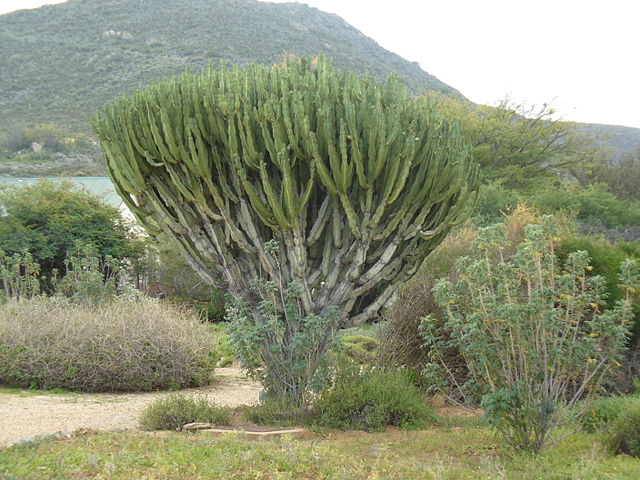
One of Africa's most spectacular succulent trees, forming an impressive candelabra-shaped canopy of upright, branching green columns that can eventually reach 30 to 40 feet tall in its native habitat. Although often called a "Tree Cactus" because of its remarkable resemblance to giant cacti, this fascinating plant actually belongs to the Euphorbia family and is more closely related to poinsettias than true cacti. Its architectural form, blue-green stems, and remarkable drought tolerance have made it one of the world's most recognizable ornamental succulents.
Young plants develop surprisingly quickly from seed, forming thick, four-angled stems with small paired spines along the ridges. As the plant matures, the upper branches repeatedly divide into symmetrical arms that resemble the branches of a massive candelabra or chandelier. This bold sculptural appearance makes Euphorbia ingens an outstanding specimen for xeriscapes, desert gardens, conservatories, and large patio containers in cooler climates.
Garden Uses
Candelabra Tree Cactus serves as an outstanding focal point in desert landscapes, rock gardens, Mediterranean gardens, succulent collections, and xeriscape plantings. In frost-free climates, it eventually becomes a magnificent specimen tree, while gardeners in colder regions enjoy growing it as a dramatic container plant that can be moved indoors during winter.
Its striking silhouette combines beautifully with agaves, aloes, yuccas, barrel cacti, desert spoon, and ornamental grasses. The strong vertical form provides year-round architectural interest and serves as a dramatic accent around patios, courtyards, entryways, and modern landscape designs.
Growing Information
Candelabra Tree Cactus thrives in full sun and requires exceptionally well-drained soil. Sandy, rocky, or cactus potting mixes are ideal, as prolonged moisture around the roots can lead to rot. Mature plants are extremely drought tolerant and require very little supplemental irrigation once established.
Seeds should be sown on the surface of a well-drained cactus seed mix and lightly covered with fine sand or vermiculite. Maintain temperatures between 75 and 85°F while keeping the soil lightly moist but never wet. Germination usually occurs within 2 to 6 weeks. Seedlings grow steadily and eventually develop thick succulent stems that branch with age.
Protect plants from freezing temperatures. Outdoors, Euphorbia ingens performs best in USDA Zones 10-11. In colder climates, grow it as a container specimen and overwinter indoors in a bright, sunny location with reduced watering during winter dormancy.
| Quick Facts | |
|---|---|
| Botanical Name | Euphorbia ingens |
| Common Name | Candelabra Tree Cactus |
| Plant Type | Succulent tree |
| Mature Height | 30-40 feet (smaller in containers) |
| Spread | 15-25 feet |
| Flower Color | Yellow-green |
| Bloom Season | Late winter to spring on mature plants |
| Light Requirements | Full sun |
| Water Needs | Very low once established |
| Soil Type | Fast-draining sandy or cactus soil |
| USDA Zones | 10-11 |
| Drought Tolerance | Excellent |
| Deer Resistance | Excellent |
Growers should exercise caution when handling this succulent tree as the milky latex sap of the Euphorbia ingens is considered extremely toxic to humans and pets.

Contact Us | Privacy Policy | About Us
Serving gardeners since 1992
State of Mississippi Seedmen's Permit #C-391, Ohio 90152, Minnesota 20086777