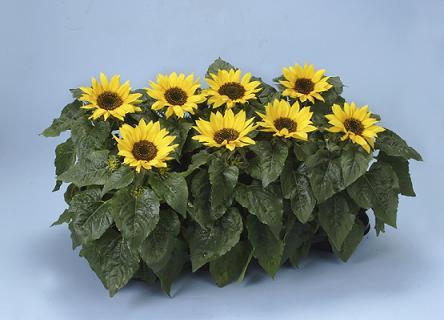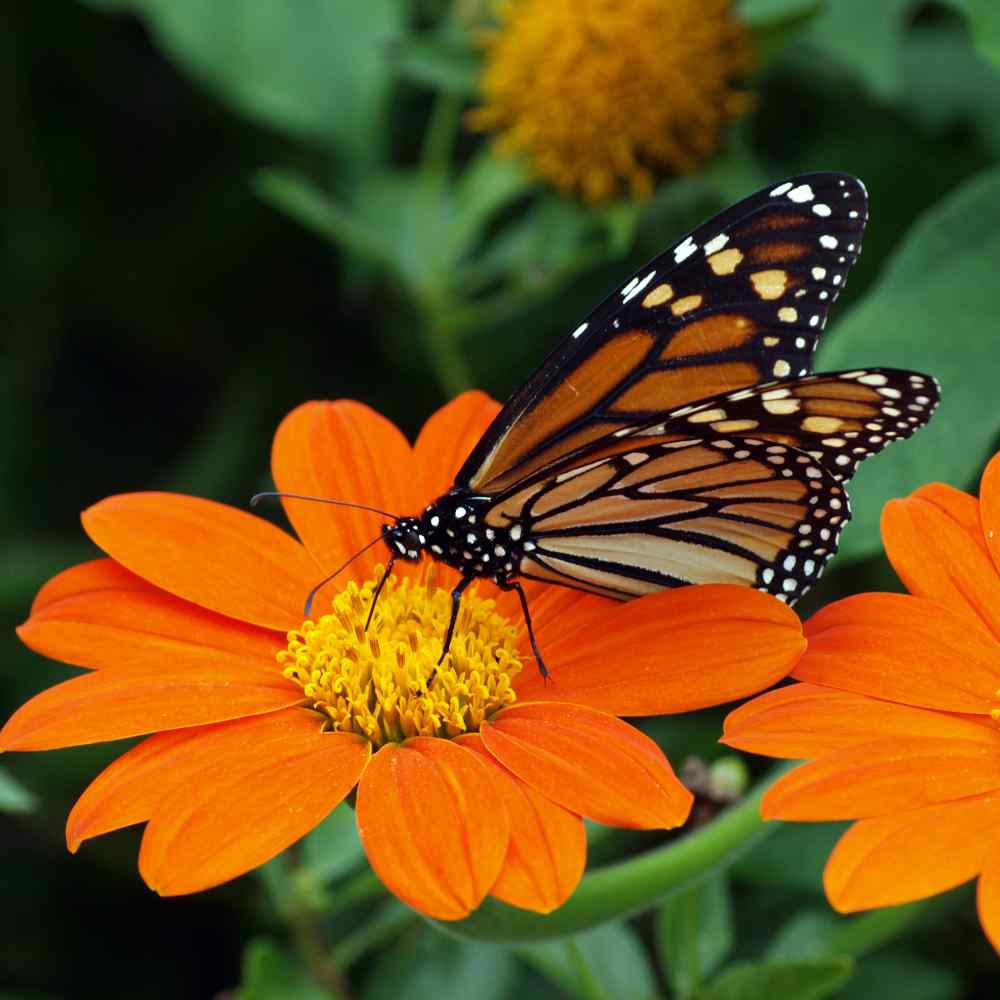
Sunflower Seed ( Annual )


For bird feed varieties, check out Russian, Mammoth, and Sunseed varieties listed below.

Click here for an excellent article on using sunflowers for cutflowers.
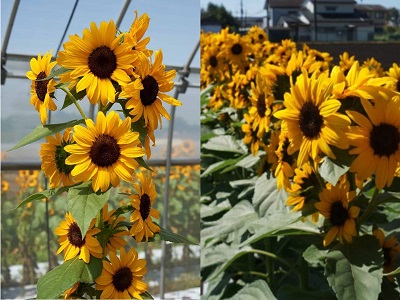

Concert Bell F1 Sun Flower.
JB314 Concert Bell F1 Sunflower

Concert Bell F1 Sunflower is a unique and highly ornamental hybrid sunflower that combines the cheerful beauty of traditional sunflowers with a compact, heavily branched growth habit. Unlike giant field sunflowers that produce a single flower, Concert Bell F1 creates numerous golden-yellow blooms across a well-branched plant, providing months of color and making it an outstanding choice for containers, borders, and cutting gardens.

Garden Uses

Concert Bell F1 is ideal for borders, cutting gardens, patio containers, raised beds, pollinator gardens, and mixed annual plantings. The compact branching habit allows the plant to produce many flowers over an extended period, creating a colorful display throughout the growing season.

The bright yellow blooms combine beautifully with zinnias, gomphrena, cosmos, celosia, salvia, marigolds, and ornamental grasses. Its manageable size makes it especially useful in smaller gardens where traditional giant sunflowers would be impractical.

This variety is also highly valued for cut flower production, producing numerous stems suitable for bouquets and floral arrangements.

Growing Information

Concert Bell F1 grows best in full sun and fertile, well-drained soil. Sunflowers require at least six to eight hours of direct sunlight daily to achieve maximum flower production.

Seeds are best sown directly outdoors after danger of frost has passed and soil temperatures have warmed. Plant seeds approximately ½ to 1 inch deep and keep the soil evenly moist until germination occurs.

Once established, plants are relatively drought tolerant but perform best with regular watering during extended dry periods. Applying a balanced fertilizer during active growth can encourage vigorous flowering.

Deadheading spent blooms often encourages additional flower production and keeps plants looking tidy throughout the season.

Pollinator Value

The bright flowers attract bees, butterflies, hoverflies, and numerous beneficial insects. Sunflowers are among the most valuable pollinator plants available, providing abundant pollen and nectar during the summer months.

As flowers mature, they may also attract seed-eating birds, adding additional wildlife interest to the garden.

The extended flowering period provided by the branching habit makes Concert Bell F1 especially useful for supporting pollinators over a longer season.

Historical Significance

Helianthus annuus originated in North America, where Native American tribes cultivated sunflowers thousands of years ago for food, oil, medicine, and ceremonial purposes.

Spanish explorers introduced sunflowers to Europe during the sixteenth century, where they quickly spread throughout the continent and eventually around the world.

Modern hybrids such as Concert Bell F1 were developed to provide improved branching, extended flowering, compact growth, and greater ornamental value for today's gardeners.

The name "Concert Bell" reflects the plant's ability to produce numerous blooms simultaneously, creating a display of flowers that resembles a chorus performing together.

Interesting Facts

Sunflower buds exhibit heliotropism when young, turning to follow the sun across the sky. Mature flowers usually face east.

The flower head is actually composed of hundreds of tiny individual flowers clustered together into one large bloom.

Branching sunflowers such as Concert Bell F1 often produce dozens of flowers over a growing season rather than a single large bloom.

Sunflowers are among the fastest-growing annual flowers and can develop rapidly during warm summer weather.

Seedman Notes

Concert Bell F1 is an excellent choice for gardeners who love sunflowers but need a more compact, floriferous plant than traditional giant varieties. The continuous production of bright yellow flowers provides season-long beauty and excellent cut flower opportunities.

For the strongest display, plant in groups where the multiple flowering stems can create a colorful mass of golden blooms. This variety performs especially well in cutting gardens and pollinator-friendly plantings.

The combination of compact growth, heavy branching, and abundant flowers makes Concert Bell F1 one of the most versatile ornamental sunflowers available.

Seedman Star Rating: ★★★★★

Outstanding for cutting gardens, borders, pollinator gardens, patio containers, raised beds, and long-season summer color.

Quick Facts

  • Botanical Name: Helianthus annuus
  • Common Name: Concert Bell F1 Sunflower
  • Plant Type: Annual
  • Bloom Color: Bright golden yellow with dark centers
  • Bloom Season: Summer through early fall
  • Height: 24 to 36 inches
  • Spread: 18 to 24 inches
  • Light: Full sun
  • Soil: Fertile, well-drained soil
  • Drought Tolerance: Moderate once established
  • Best Uses: Borders, containers, cutting gardens, pollinator gardens, raised beds
  • Attracts: Bees, butterflies, beneficial insects, seed-eating birds
  • Special Feature: Compact branching habit with numerous flowers per plant
  • Rating: ★★★★★
 10 seeds $2.95
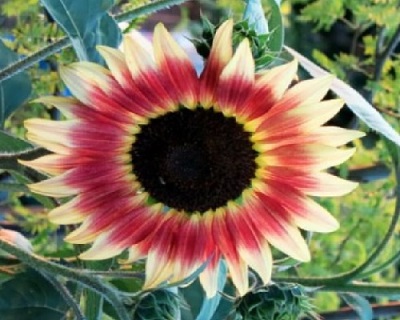
Gypsy Charmer Tricolor Sunflower.
MON081 Gypsy Charmer Tricolor Sunflower
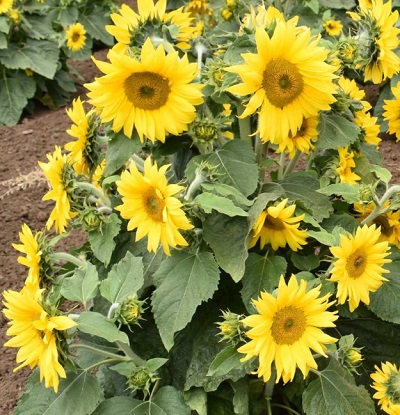
The 'Gypsy Charmer' sunflower is a popular, multi-colored, branching variety known for producing continuous blooms of pollenless flowers in shades of lemon, red, and yellow on bushy plants, making it excellent for cut flowers in small bouquets and garden accents, growing 3-4 feet tall and providing continuous color from midsummer to frost.
Features tri-color petals with yellow bases, red bands, and lemon tips, sometimes blending. Ideal for indoor arrangements as they don't create a mess. Produces multiple flowers on side branches, extending the bloom time.
Typically grows 3-4 feet tall, sometimes up to 6 feet. Great for cutting gardens, mixed borders, containers, and attracting pollinators.
 10 seeds $2.95
Carousel Sunflower.
MON082 Carousel Sunflower

Gypsy Charmer Tricolor Sunflower is a beautiful ornamental sunflower grown for its striking cream-yellow petals brushed with rich burgundy-red around a dark central disk. A colorful selection of Helianthus annuus, this sunflower brings a warm, old-fashioned look to summer gardens and is especially valued for borders, cutting gardens, pollinator plantings, and cheerful seasonal displays.

Garden Uses

Gypsy Charmer Tricolor is ideal for sunny borders, cottage gardens, cutting gardens, pollinator beds, fence lines, and mixed annual plantings. The tricolor blooms provide a dramatic blend of soft yellow, cream, and red tones, making each flower look hand-painted.

This variety combines beautifully with zinnias, cosmos, gomphrena, celosia, marigolds, salvia, ornamental grasses, and other warm-season annuals. It is especially attractive in rustic gardens and country-style plantings where its bold flowers can stand above lower-growing companions.

The blooms also make excellent cut flowers, adding a warm, cheerful focal point to fresh bouquets.

Growing Information

Gypsy Charmer Tricolor grows best in full sun and well-drained soil. Sow seeds directly outdoors after danger of frost has passed and the soil has warmed. Plant seeds about 1/2 to 1 inch deep and keep the soil evenly moist until germination.

Sunflowers grow quickly in warm weather and appreciate regular moisture during early growth. Once established, plants tolerate moderate dry periods but produce the best flowers with consistent watering during hot weather.

Choose a location protected from strong winds if possible, especially for taller plants. Succession sowing every couple of weeks can extend the bloom season and provide more cut flowers throughout summer.

Pollinator Value

The large flower centers attract bees, butterflies, hoverflies, and other beneficial insects. Sunflowers are excellent pollinator plants because their broad centers provide abundant pollen and nectar during the warm season.

As seed heads mature, they may also attract finches and other seed-eating birds, adding wildlife value after the bloom season.

Planting several sunflowers together creates a highly visible food source for pollinators and a lively focal point in the garden.

Historical Significance

Helianthus annuus is native to North America and was cultivated by Indigenous peoples for thousands of years for food, oil, dye, and ceremonial uses. Sunflowers later spread to Europe and became one of the most recognized garden and agricultural plants in the world.

Modern ornamental sunflowers such as Gypsy Charmer Tricolor were selected for unique colors, branching habits, and decorative flower forms suited to home gardens and cut flower use.

The name “sunflower” reflects both the plant’s sunny appearance and the tendency of young buds to turn toward the light as they develop.

Interesting Facts

A sunflower head is actually made up of many tiny individual flowers. The outer petals are ray flowers, while the dark central disk contains hundreds of small disk flowers that can develop into seeds.

Young sunflower buds often show heliotropism, turning toward the sun during the day. Mature flower heads commonly face east.

The tricolor pattern of Gypsy Charmer gives the flowers a dramatic ringed appearance, with burgundy-red tones blending into cream and yellow petal tips.

Sunflowers are among the fastest-growing annual flowers and can create a strong garden display within a single season.

Seedman Notes

Gypsy Charmer Tricolor is an excellent choice for gardeners who want a sunflower with more color variation than the traditional yellow types. The cream, yellow, and burgundy-red pattern gives the blooms a warm vintage look that stands out in borders and bouquets.

For the best display, plant in groups or rows where the flowers can create a strong summer statement. This variety is especially attractive with purple gomphrena, orange marigolds, red celosia, and airy ornamental grasses.

Allow a few seed heads to mature if you want to provide late-season food for birds.

Seedman Star Rating: ★★★★★

Excellent for cutting gardens, pollinator plantings, cottage gardens, sunny borders, wildlife gardens, and colorful summer displays.

Quick Facts

  • Botanical Name: Helianthus annuus
  • Common Name: Gypsy Charmer Tricolor Sunflower
  • Plant Type: Annual
  • Bloom Color: Cream-yellow petals with burgundy-red rings and dark centers
  • Bloom Season: Summer to early fall
  • Height: Usually 4 to 6 feet, depending on conditions
  • Spread: 18 to 24 inches
  • Light: Full sun
  • Soil: Well-drained garden soil
  • Drought Tolerance: Moderate once established
  • Best Uses: Borders, cutting gardens, pollinator gardens, fence lines, wildlife gardens
  • Attracts: Bees, butterflies, hoverflies, beneficial insects, seed-eating birds
  • Special Feature: Striking tricolor petals with a warm vintage appearance
  • Rating: ★★★★★
 400mg pack ( about 15-20 seeds ) $2.95
Choco Sun Sun Flower.
MON152 Choco Sun Sunflower ( Helianthus )

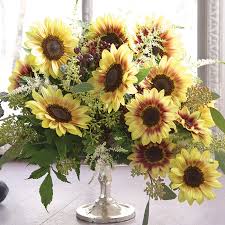
Choco Sun Sunflower is a unique ornamental sunflower prized for its rich chocolate-burgundy petals surrounding a dark central disk. This striking selection of Helianthus annuus offers an elegant departure from traditional yellow sunflowers, bringing dramatic color, excellent branching, and exceptional garden performance to borders, cutting gardens, and pollinator plantings.

Garden Uses

Choco Sun is ideal for cutting gardens, mixed borders, cottage gardens, pollinator plantings, wildlife gardens, and seasonal flower displays. The deep chocolate-red blooms provide a sophisticated color palette that blends beautifully with ornamental grasses, zinnias, celosia, cosmos, gomphrena, rudbeckias, and salvias.

The dark flowers create stunning contrast when planted alongside yellow, orange, white, or silver-foliaged plants. Their unusual coloration makes them especially valuable as focal points in mixed annual plantings.

Choco Sun is also highly prized as a cut flower, where its rich tones add depth and elegance to summer and autumn floral arrangements.

Growing Information

Choco Sun grows best in full sun and fertile, well-drained soil. Sow seeds directly outdoors after danger of frost has passed and soil temperatures have warmed.

Plant seeds approximately 1 inch deep and keep the soil evenly moist until germination. Young plants establish quickly and develop strong stems capable of supporting multiple blooms.

Regular watering during periods of active growth promotes vigorous flowering, although established plants tolerate moderate dry conditions. Fertile soil and full sunlight produce the richest flower color and strongest growth.

Branching plants often continue producing flowers over an extended season, providing weeks of color and cutting material.

Pollinator Value

Like other sunflowers, Choco Sun attracts bees, butterflies, hoverflies, and many beneficial insects. The flower centers provide abundant pollen and nectar throughout the blooming season.

As seeds mature, birds such as finches and chickadees may visit to feed, extending the plant's wildlife value well beyond flowering.

Large plantings can become active pollinator gathering spots during the height of summer.

Historical Significance

Helianthus annuus originated in North America and was cultivated by Indigenous peoples thousands of years ago for food, oil, medicinal purposes, and ceremonial uses. The sunflower remains one of the oldest domesticated crops in the Americas.

As ornamental sunflower breeding expanded, gardeners sought new flower colors beyond traditional yellow forms. Dark red and chocolate-colored sunflowers became especially popular because they added sophistication and versatility to garden designs.

Modern varieties such as Choco Sun showcase how sunflower breeding has transformed a traditional native flower into a remarkable ornamental plant.

Interesting Facts

The deep chocolate coloration comes from natural anthocyanin pigments that produce shades ranging from burgundy and mahogany to rich chocolate-red.

Dark-colored sunflowers are often especially attractive in autumn-themed gardens and seasonal flower arrangements.

Each sunflower bloom is actually made up of hundreds of tiny individual flowers clustered together into a single flower head.

The rich petal color may appear darker or lighter depending on sunlight intensity and growing conditions.

Seedman Notes

Choco Sun is one of the finest dark-colored sunflowers available for gardeners seeking something beyond traditional yellow blooms. Its rich chocolate-red flowers provide dramatic contrast and exceptional visual interest throughout the summer season.

For the strongest display, plant in groups where the dark flowers can create bold blocks of color. The blooms pair especially well with golden rudbeckias, orange zinnias, white cosmos, and ornamental grasses.

This variety is highly recommended for cutting gardens, pollinator plantings, and gardeners who enjoy unusual flower colors.

Seedman Star Rating: ★★★★★

Outstanding for cutting gardens, pollinator plantings, borders, cottage gardens, wildlife gardens, and dramatic seasonal displays.

Quick Facts

  • Botanical Name: Helianthus annuus
  • Common Name: Choco Sun Sunflower
  • Plant Type: Annual
  • Bloom Color: Chocolate-burgundy to deep mahogany red
  • Bloom Season: Summer through early fall
  • Height: 4 to 6 feet
  • Spread: 18 to 24 inches
  • Light: Full sun
  • Soil: Fertile, well-drained soil
  • Drought Tolerance: Moderate once established
  • Best Uses: Borders, cutting gardens, pollinator gardens, cottage gardens, wildlife plantings
  • Attracts: Bees, butterflies, hoverflies, beneficial insects, seed-eating birds
  • Special Feature: Rich chocolate-red blooms rarely seen in traditional sunflowers
  • Rating: ★★★★★
  Package of 10 seeds $3.95
Marley Hybrid Sun Flower.
LET898 Marley Hybrid Sunflower

Marley Hybrid Sunflower is a striking ornamental sunflower grown for its bright golden-yellow petals accented by warm red to mahogany rings around dark central disks. This colorful hybrid of Helianthus annuus produces bold, cheerful blooms with a dramatic two-tone effect, making it excellent for cutting gardens, pollinator plantings, summer borders, and eye-catching seasonal displays.

Garden Uses

Marley Hybrid is ideal for sunny borders, cutting gardens, cottage gardens, pollinator beds, wildlife gardens, and mixed annual plantings. The golden petals with rich red centers give the flowers a warm, glowing appearance that works beautifully in summer and autumn color schemes.

This sunflower combines well with zinnias, cosmos, gomphrena, celosia, marigolds, salvia, rudbeckia, ornamental grasses, and other warm-season annuals. Its bright blooms also make excellent focal flowers in fresh bouquets and market-style arrangements.

Plant in groups for the strongest effect, or use as a colorful backdrop behind lower-growing annuals.

Growing Information

Marley Hybrid grows best in full sun and well-drained garden soil. Sow seeds directly outdoors after danger of frost has passed and soil temperatures have warmed. Plant seeds about 1/2 to 1 inch deep and keep evenly moist until germination.

Sunflowers grow quickly in warm weather and appreciate regular moisture during establishment. Once established, they tolerate moderate dry periods, though consistent watering during hot weather helps produce the best blooms.

Provide fertile soil and good air circulation. Taller plants may benefit from protection from strong winds. Succession sowing every couple of weeks can help extend the harvest season for cut flowers.

Pollinator Value

Marley Hybrid Sunflower attracts bees, butterflies, hoverflies, and many other beneficial insects. The broad flower centers provide abundant pollen and nectar during the warm growing season.

As flowers mature, seed heads may also attract finches and other seed-eating birds, adding wildlife value after the flowering display has passed.

Large plantings are especially useful in pollinator gardens because the flowers are easy for insects to locate and provide generous feeding opportunities.

Historical Significance

Helianthus annuus is native to North America and was cultivated by Indigenous peoples thousands of years ago for food, oil, dye, and ceremonial purposes. Sunflowers later spread to Europe and became important ornamental and agricultural plants around the world.

Modern hybrid sunflowers such as Marley were developed to expand flower color, improve garden performance, and provide excellent stems for cutting. Bicolor sunflowers became especially popular because they add warmth and richness beyond the traditional yellow sunflower look.

The dramatic red-ringed flowers of Marley Hybrid reflect the continuing popularity of sunflowers as both garden plants and florist flowers.

Interesting Facts

A sunflower head is actually a cluster of many tiny flowers. The showy outer petals are ray flowers, while the central disk contains hundreds of small disk flowers that can develop into seeds.

Young sunflower buds often turn toward the sun as they grow, a movement known as heliotropism. Mature blooms usually settle facing east.

The red to mahogany ring near the center of Marley Hybrid gives each bloom a warm, flame-like appearance and makes the flowers especially attractive in autumn-themed arrangements.

Sunflowers are among the fastest-growing annual flowers and can create a dramatic garden display in a single season.

Seedman Notes

Marley Hybrid is an excellent choice for gardeners who want a sunflower with strong color contrast and good bouquet value. The bright yellow petals and rich red centers make the blooms stand out beautifully in the garden and in cut arrangements.

For the best display, sow in groups or rows where the flowers can create a bold summer statement. Marley Hybrid is especially attractive when paired with purple gomphrena, orange zinnias, red celosia, and airy ornamental grasses.

Allow a few heads to mature if you want to provide late-season seed for birds.

Seedman Star Rating: ★★★★★

Excellent for cutting gardens, pollinator plantings, sunny borders, cottage gardens, wildlife gardens, and colorful summer-to-fall displays.

Quick Facts

  • Botanical Name: Helianthus annuus
  • Common Name: Marley Hybrid Sunflower
  • Plant Type: Annual
  • Bloom Color: Golden yellow petals with red to mahogany rings and dark centers
  • Bloom Season: Summer to early fall
  • Height: Usually 4 to 6 feet, depending on growing conditions
  • Spread: 18 to 24 inches
  • Light: Full sun
  • Soil: Fertile, well-drained garden soil
  • Drought Tolerance: Moderate once established
  • Best Uses: Cutting gardens, borders, pollinator gardens, wildlife gardens, cottage gardens
  • Attracts: Bees, butterflies, hoverflies, beneficial insects, seed-eating birds
  • Special Feature: Warm bicolor blooms with excellent garden and bouquet appeal
  • Rating: ★★★★★
  Package of 10 seeds $4.95
FA16 Titan Sunflower

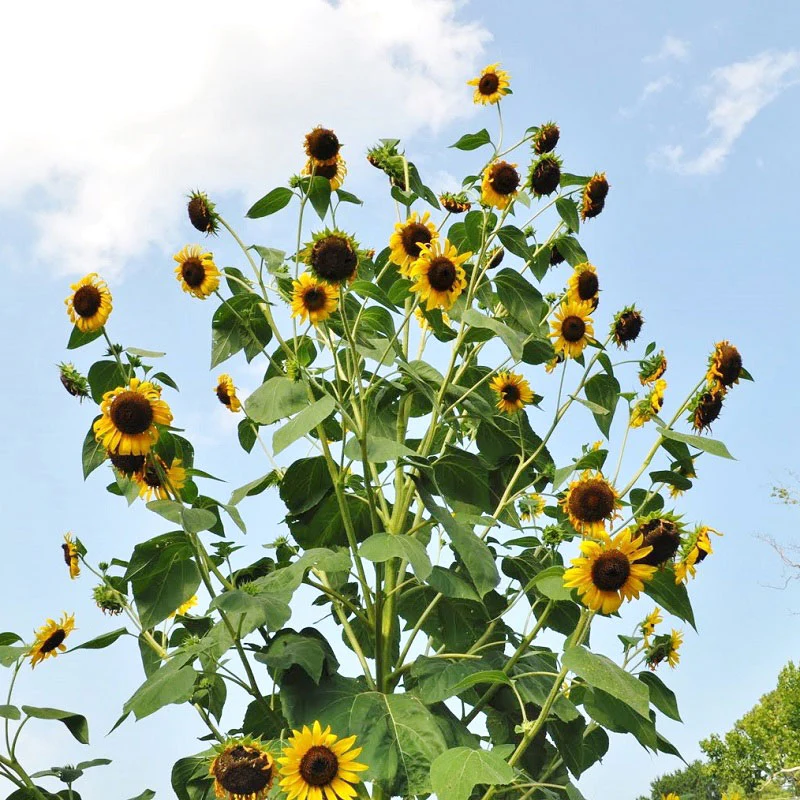
Titan Sunflower is a magnificent giant sunflower variety grown for its towering height, massive golden flower heads, and impressive seed production. A classic form of Helianthus annuus, Titan is one of the great showpiece sunflowers for gardens, wildlife plantings, children’s gardens, and summer displays where bold size and cheerful color are desired.

Garden Uses

Titan Sunflower is ideal for back borders, fence lines, wildlife gardens, children’s gardens, pollinator plantings, edible landscapes, and large sunny spaces. Its huge flower heads and tall stems create a dramatic vertical feature that can be seen from a distance.

This variety is especially useful as a temporary summer screen or backdrop behind lower-growing annuals. It combines well with zinnias, cosmos, marigolds, gomphrena, celosia, ornamental grasses, and other warm-season flowers.

Titan is also excellent for seed production, providing food for birds and wildlife once the large heads mature.

Growing Information

Titan Sunflower grows best in full sun and fertile, well-drained soil. Sow seeds directly outdoors after danger of frost has passed and the soil has warmed. Plant seeds about 1 inch deep and keep evenly moist until germination.

Because Titan develops into a very large plant, provide generous spacing and choose a location protected from strong winds when possible. Rich soil, regular watering, and full sun help produce the tallest plants and largest flower heads.

Young plants grow quickly in warm weather. Staking may be helpful in windy gardens or when plants are grown in exposed areas. Allow seed heads to mature fully if saving seed or feeding birds.

Pollinator Value

Titan Sunflower is highly attractive to bees, butterflies, hoverflies, and other beneficial insects. The huge flower centers provide abundant pollen and nectar during the warm season.

As the seed heads mature, birds such as finches, chickadees, cardinals, and other seed-eating species may visit to feed. This makes Titan valuable not only as an ornamental plant, but also as a wildlife-supporting garden feature.

Historical Significance

Helianthus annuus is native to North America and was cultivated by Indigenous peoples thousands of years ago for edible seed, oil, dye, medicine, and ceremonial use. It later spread to Europe and became one of the world’s most important oilseed and ornamental crops.

Giant sunflowers have long fascinated gardeners because of their remarkable speed of growth and enormous flower heads. Varieties such as Titan continue this tradition, offering gardeners a living example of the sunflower’s impressive vigor and productivity.

Interesting Facts

A sunflower head is made up of many small individual flowers. The outer yellow petals are ray flowers, while the center contains hundreds or even thousands of disk flowers that can develop into seeds.

Young sunflower buds often turn toward the sun as they grow, a movement called heliotropism. Mature flowers commonly face east.

Titan is grown for both its ornamental impact and its large seed heads, making it a favorite for gardeners who enjoy feeding birds or saving sunflower seed.

Giant sunflowers are popular in children’s gardens because they grow rapidly and create a dramatic sense of accomplishment in a single season.

Seedman Notes

Titan Sunflower is an outstanding choice for gardeners wanting a true giant sunflower with impressive height and massive blooms. It is best planted where it has room to grow and where its towering stems can become a summer focal point.

For the largest plants, provide fertile soil, full sun, steady moisture, and adequate spacing. Plant along fences, at the back of garden beds, or in a dedicated sunflower patch for a bold display.

Leave some mature heads standing for birds, or harvest seed heads when the backs turn yellow-brown and the seeds are fully formed.

Seedman Star Rating: ★★★★★

Excellent for giant sunflower displays, wildlife gardens, children’s gardens, pollinator plantings, seed production, and dramatic summer height.

Quick Facts

  • Botanical Name: Helianthus annuus
  • Common Name: Titan Sunflower
  • Plant Type: Annual
  • Bloom Color: Golden yellow with large seed-filled centers
  • Bloom Season: Summer to early fall
  • Height: Often 10 to 12 feet or more in good conditions
  • Flower Size: Very large heads, often 12 to 24 inches across
  • Light: Full sun
  • Soil: Fertile, well-drained garden soil
  • Drought Tolerance: Moderate once established
  • Best Uses: Back borders, wildlife gardens, seed production, children’s gardens, screens
  • Attracts: Bees, butterflies, hoverflies, beneficial insects, seed-eating birds
  • Special Feature: Giant height and massive seed heads
  • Rating: ★★★★★
  $2.95 per Package of 10 seeds
  $7.95 per Package of 50 seeds
Skyscraper Sun Flower.
JM207 Skyscraper

Skyscraper Sunflower is an impressive giant-growing selection of Helianthus annuus renowned for its extraordinary height, massive golden blooms, and commanding presence in the garden. True to its name, this towering sunflower can reach remarkable heights under favorable conditions, creating a dramatic living landmark that attracts pollinators, birds, and admiring visitors throughout the summer season.

Garden Uses

Skyscraper Sunflower is ideal for back borders, fence lines, wildlife gardens, children's gardens, screening plantings, pollinator habitats, and large sunny landscapes. Its tremendous height allows it to serve as a temporary summer hedge, privacy screen, or focal point.

The enormous flower heads create a spectacular display when planted in rows or groups. Skyscraper pairs beautifully with zinnias, cosmos, gomphrena, celosia, ornamental grasses, and other summer annuals planted at its base.

This variety is especially popular in educational gardens and children's projects where its rapid growth and impressive size create excitement throughout the growing season.

Growing Information

Skyscraper Sunflower performs best in full sun and rich, well-drained soil. Sow seeds directly outdoors after all danger of frost has passed and soil temperatures have warmed.

Plant seeds approximately 1 inch deep and provide generous spacing to allow for full development. Consistent moisture during establishment promotes strong root growth and vigorous development.

For maximum height, provide fertile soil enriched with compost or organic matter. Regular watering during dry periods helps support the rapid growth of these giant plants.

Because of their tremendous size, plants may benefit from wind protection or staking in exposed locations. Deep watering encourages stronger root systems and improved stability.

Pollinator Value

The giant flower heads attract bees, butterflies, hoverflies, and numerous beneficial insects throughout the blooming season. The broad flower centers provide abundant pollen and nectar during the height of summer.

As seed heads mature, they become valuable food sources for goldfinches, cardinals, chickadees, nuthatches, and many other seed-eating birds.

Few annual flowers provide as much wildlife value as a mature giant sunflower patch.

Historical Significance

Helianthus annuus originated in North America and was cultivated by Indigenous peoples for thousands of years before European contact. The seeds were harvested for food, oil, flour, medicinal uses, and ceremonial purposes.

Following introduction to Europe in the sixteenth century, sunflowers spread worldwide and became important agricultural and ornamental plants.

Giant varieties such as Skyscraper continue a long tradition of selecting sunflowers for exceptional size and visual impact. These towering plants remain among the most popular novelty garden flowers.

Interesting Facts

Under ideal growing conditions, giant sunflowers can grow several inches in a single day during periods of rapid summer growth.

The large flower head is actually composed of hundreds or thousands of tiny individual flowers arranged in a spiral pattern.

Young sunflower buds follow the sun across the sky, a phenomenon known as heliotropism. Mature flowers typically settle facing east.

The tallest sunflower ever officially recorded exceeded 30 feet in height, demonstrating the remarkable growth potential of this species.

Seedman Notes

Skyscraper Sunflower is one of the finest choices for gardeners seeking maximum height and dramatic garden impact. The combination of towering stems and huge golden blooms creates a display that never fails to attract attention.

For best results, plant in fertile soil with plenty of room to grow. A row of Skyscraper Sunflowers can create a living wall of flowers by midsummer.

Allow mature seed heads to remain on the plants if you wish to attract birds, or harvest them for wildlife feeding and seed saving.

This variety is highly recommended for families, wildlife gardeners, pollinator enthusiasts, and anyone who enjoys growing truly giant flowers.

Seedman Star Rating: ★★★★★

Outstanding for giant flower displays, wildlife gardens, children's gardens, pollinator habitats, living screens, and dramatic summer landscapes.

Quick Facts

  • Botanical Name: Helianthus annuus
  • Common Name: Skyscraper Sunflower
  • Plant Type: Annual
  • Bloom Color: Golden yellow with large seed-filled centers
  • Bloom Season: Summer through early fall
  • Height: Commonly 10 to 14 feet, occasionally taller
  • Flower Size: Often 12 to 18 inches across
  • Light: Full sun
  • Soil: Rich, fertile, well-drained soil
  • Drought Tolerance: Moderate once established
  • Best Uses: Screens, wildlife gardens, children's gardens, back borders, pollinator habitats
  • Attracts: Bees, butterflies, beneficial insects, seed-eating birds
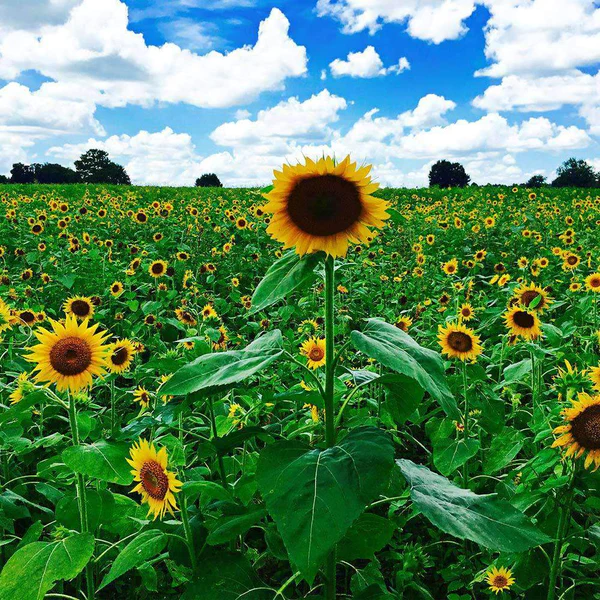
  • Special Feature: Exceptional height and massive flower heads
  • Rating: ★★★★★
  1.4g package ( about 18-20 seeds ) $2.95
Peredovik Black Oil Sun Flower.
DCM002 Peredovik Black Oil Sunflower

Peredovik Black Oil Sunflower is one of the most famous and widely grown sunflower varieties in the world, prized for its high oil content, abundant seed production, and exceptional value for wildlife. A classic selection of Helianthus annuus, Peredovik produces large golden-yellow blooms followed by heavy seed heads packed with nutritious black oil sunflower seeds that are highly attractive to birds and beneficial wildlife.

Garden Uses

Peredovik Black Oil Sunflower is ideal for wildlife gardens, bird-feeding plots, pollinator habitats, large borders, field plantings, edible landscapes, and naturalized areas. Its tall stems and bright flowers provide excellent ornamental value while also serving practical purposes.

This variety is often grown specifically to attract birds, produce seed for wildlife feeding, or create large summer displays. It combines beautifully with native wildflowers, ornamental grasses, cosmos, zinnias, and other pollinator-friendly annuals.

Peredovik is also widely used in food plots and habitat improvement projects because of its ability to attract a wide range of beneficial wildlife.

Growing Information

Peredovik grows best in full sun and fertile, well-drained soil. Sow seeds directly outdoors after danger of frost has passed and soil temperatures have warmed.

Plant seeds approximately 1 inch deep and keep the soil evenly moist until germination. Once established, plants grow rapidly and develop sturdy stems capable of supporting large seed heads.

Regular watering during dry periods promotes maximum seed production. Although moderately drought tolerant once established, plants perform best when provided consistent moisture during flowering and seed development.

Allow flower heads to mature fully if growing for wildlife food, bird seed production, or seed saving.

Pollinator Value

The large flower heads attract bees, butterflies, hoverflies, native pollinators, and numerous beneficial insects. During bloom, the flowers provide abundant pollen and nectar that support pollinator populations.

As seeds mature, the plants become magnets for goldfinches, cardinals, chickadees, doves, nuthatches, and many other seed-eating birds.

Few annual flowers offer the combined pollinator and bird-feeding value of Peredovik Black Oil Sunflower.

Historical Significance

Peredovik was developed in Russia during the twentieth century and became one of the world's most important oilseed sunflower varieties. The name "Peredovik" roughly translates to "advanced" or "leader," reflecting its importance in agricultural sunflower breeding.

The variety gained worldwide popularity because of its high oil content, reliable seed production, and adaptability to a wide range of growing conditions.

Today, Peredovik remains one of the most commonly grown black oil sunflowers for bird seed production and wildlife habitat enhancement.

Interesting Facts

Black oil sunflower seeds contain a higher oil content than many striped sunflower varieties, making them especially nutritious for birds.

The thinner shell of black oil sunflower seeds makes them easier for smaller birds to crack open and consume.

Peredovik is frequently used in commercial birdseed production due to its exceptional seed yield.

One mature flower head can contain hundreds or even thousands of seeds under favorable growing conditions.

Seedman Notes

Peredovik Black Oil Sunflower is one of the finest choices for gardeners who want both beauty and function. The bright flowers provide summer color while the large seed heads offer tremendous value for birds and wildlife.

For the best display, plant in blocks or rows where the tall stems can create a dramatic field of golden blooms. Leave mature heads standing through autumn and winter to provide natural food sources for birds.

This variety is highly recommended for wildlife enthusiasts, pollinator gardeners, homesteaders, bird lovers, and anyone interested in producing their own sunflower seed.

Seedman Star Rating: ★★★★★

Outstanding for wildlife gardens, bird-feeding plots, pollinator habitats, seed production, naturalized plantings, and large summer displays.

Quick Facts

  • Botanical Name: Helianthus annuus
  • Common Name: Peredovik Black Oil Sunflower
  • Plant Type: Annual
  • Bloom Color: Golden yellow with dark centers
  • Bloom Season: Summer through early fall
  • Height: 5 to 8 feet
  • Flower Size: 8 to 12 inches across
  • Light: Full sun
  • Soil: Fertile, well-drained soil
  • Drought Tolerance: Moderate once established
  • Best Uses: Wildlife gardens, bird-feeding plots, pollinator habitats, seed production
  • Attracts: Bees, butterflies, beneficial insects, songbirds, doves, finches
  • Special Feature: High-oil black seeds favored by wild birds
  • Rating: ★★★★★
 1 Ounce Pack Covers over 100 sqare feet $3.95
Grey Stripe Sun Flower.
TPF298 Grey Stripe Sunflower

Mammoth Grey Stripe Sunflower is the classic giant sunflower that has delighted gardeners for generations. This impressive selection of Helianthus annuus produces towering stalks topped with enormous golden-yellow flower heads packed with large, striped edible seeds. Known for its tremendous size, wildlife value, and seed production, Mammoth Grey Stripe remains one of the most popular sunflowers for home gardens, children’s projects, and bird-friendly landscapes.

Garden Uses

Mammoth Grey Stripe is ideal for back borders, wildlife gardens, children's gardens, edible landscapes, pollinator habitats, and large seasonal displays. The towering stems and giant blooms create a dramatic focal point that can be seen from across the garden.

This variety is frequently planted along fences, property lines, vegetable gardens, and open fields where it can reach its full potential. The flowers pair beautifully with zinnias, cosmos, gomphrena, celosia, marigolds, and native wildflowers.

Because of its large edible seeds, Mammoth Grey Stripe is also popular for harvesting seeds for snacks, bird feed, and seed-saving projects.

Growing Information

Mammoth Grey Stripe performs best in full sun and fertile, well-drained soil. Sow seeds directly outdoors after danger of frost has passed and soil temperatures have warmed.

Plant seeds approximately 1 inch deep and space adequately to allow the giant plants room to develop. Consistent moisture during establishment encourages rapid growth and strong stems.

Rich soil, regular watering, and full sun produce the largest plants and biggest flower heads. Mature plants tolerate moderate dry periods but benefit from watering during prolonged drought.

In windy locations, some support may be beneficial due to the tremendous size of the plants and flower heads.

Pollinator Value

The giant blooms attract bees, butterflies, hoverflies, native pollinators, and numerous beneficial insects. During flowering, the large flower centers provide abundant pollen and nectar.

As seeds mature, goldfinches, cardinals, chickadees, doves, nuthatches, and many other birds flock to the seed heads. Few annual flowers provide such exceptional value for both pollinators and birds.

Allowing mature heads to remain standing can create a natural bird-feeding station well into autumn.

Historical Significance

Helianthus annuus was first domesticated by Indigenous peoples of North America more than 4,000 years ago. Sunflowers were cultivated for food, cooking oil, dyes, medicinal uses, and ceremonial purposes.

Mammoth Grey Stripe became one of the most famous heirloom sunflower varieties because of its enormous size and large edible seeds. It helped establish the sunflower as both an ornamental and food crop throughout North America.

For generations, gardeners have grown Mammoth Grey Stripe as the benchmark giant sunflower against which other varieties are often compared.

Interesting Facts

The enormous flower heads can often reach 12 to 18 inches across and occasionally even larger under ideal growing conditions.

The striped seeds are rich in oils and nutrients, making them valuable for both wildlife and human consumption.

Young sunflower buds follow the movement of the sun during the day, a behavior known as heliotropism.

One mature Mammoth Grey Stripe flower head may contain over a thousand individual seeds.

Seedman Notes

Mammoth Grey Stripe remains one of the finest giant sunflowers available for gardeners who want impressive height, huge blooms, and abundant seed production. It is easy to grow and consistently delivers spectacular results.

For the largest plants, provide fertile soil, plenty of sunlight, and regular watering during active growth. Plant in groups to create a dramatic wall of towering sunflowers that will attract pollinators all summer and birds throughout autumn.

This variety is highly recommended for wildlife gardeners, families, homesteaders, seed savers, and anyone who appreciates classic heirloom sunflowers.

Seedman Star Rating: ★★★★★

Outstanding for wildlife gardens, edible landscapes, children's gardens, pollinator habitats, giant flower displays, and bird-feeding plots.

Quick Facts

  • Botanical Name: Helianthus annuus
  • Common Name: Mammoth Grey Stripe Sunflower
  • Plant Type: Annual
  • Bloom Color: Golden yellow with dark seed-filled centers
  • Bloom Season: Summer through early fall
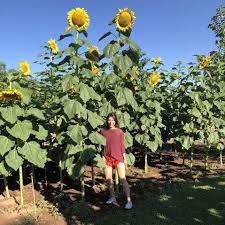
  • Height: 8 to 12 feet, occasionally taller
  • Flower Size: 12 to 18 inches across or larger
  • Light: Full sun
  • Soil: Fertile, well-drained soil
  • Drought Tolerance: Moderate once established
  • Best Uses: Wildlife gardens, edible landscapes, bird feeding, giant displays, children's gardens
  • Attracts: Bees, butterflies, beneficial insects, finches, cardinals, doves, songbirds
  • Special Feature: Massive blooms with large edible striped seeds
  • Rating: ★★★★★
 4.5g Package of about 45-50 seeds $2.95
 4 Ounce Package ( plants about 50 square feet ) $7.95
Mongolian Giant Sun Flower.
TPF284 Mongolian Giant Sunflower

Mongolian Giant Sunflower is an extraordinary giant-growing selection of Helianthus annuus renowned for its towering height, enormous flower heads, and remarkable garden presence. Often reaching heights that rival small trees, this spectacular sunflower produces huge golden blooms that dominate the summer landscape while providing outstanding value for pollinators, birds, and gardeners who enjoy growing record-breaking plants.

Garden Uses

Mongolian Giant is ideal for back borders, wildlife gardens, children's gardens, fence lines, screening plantings, pollinator habitats, and large open landscapes. Its exceptional height makes it one of the most dramatic annual flowers available.

When planted in rows, Mongolian Giant can create a seasonal living wall that provides privacy, wind protection, and an impressive visual display. The towering stems serve as excellent backdrops for zinnias, cosmos, gomphrena, celosia, marigolds, and ornamental grasses.

This variety is especially popular among gardeners who enjoy giant vegetable and flower competitions, educational gardens, and family gardening projects.

Growing Information

Mongolian Giant performs best in full sun and rich, fertile, well-drained soil. Direct sow seeds outdoors after all danger of frost has passed and soil temperatures have warmed.

Plant seeds approximately 1 inch deep and provide generous spacing between plants. Rich soil amended with compost or aged organic matter helps support maximum growth.

Consistent watering throughout the growing season is essential for achieving the greatest height and largest flower heads. Deep watering encourages strong root development and improved drought tolerance.

Because of its tremendous size, Mongolian Giant benefits from protection against strong winds. In exposed locations, staking may be helpful as plants approach maturity.

Pollinator Value

The giant flower heads attract bees, butterflies, hoverflies, native pollinators, and many beneficial insects throughout the blooming season. The large central disks provide abundant pollen and nectar.

Once seeds begin to mature, goldfinches, cardinals, chickadees, doves, nuthatches, and numerous other birds flock to the seed heads.

Few annual flowers offer as much combined value for pollinators and seed-eating wildlife as a mature stand of Mongolian Giant Sunflowers.

Historical Significance

Helianthus annuus originated in North America and was domesticated thousands of years ago by Indigenous peoples who valued the plant for food, oil, medicine, dyes, and ceremonial uses.

Giant sunflower strains have long fascinated gardeners because they demonstrate the remarkable growth potential of the species. Mongolian Giant became especially popular among gardeners seeking maximum height and oversized blooms.

Today it remains one of the best-known giant sunflower varieties and is frequently grown in sunflower-growing contests and educational garden projects.

Interesting Facts

Under ideal conditions, Mongolian Giant Sunflowers may exceed 12 feet in height, with exceptional plants occasionally reaching 14 feet or more.

The huge flower heads can measure well over a foot across and contain hundreds to thousands of seeds.

Young sunflower buds follow the movement of the sun throughout the day, a behavior known as heliotropism.

Sunflowers are among the fastest-growing annual flowers and can gain several inches of height in a single day during peak summer growth.

Seedman Notes

Mongolian Giant is one of the most impressive giant sunflowers available for home gardeners. Its combination of extreme height, enormous blooms, and abundant seed production makes it a standout choice for anyone wanting to grow truly memorable plants.

For maximum performance, plant in rich soil with full sun and provide regular watering throughout the growing season. A row of Mongolian Giants can quickly become the centerpiece of an entire garden.

Leave mature seed heads standing for birds or harvest them for seed saving and wildlife feeding.

This variety is highly recommended for wildlife gardeners, giant flower enthusiasts, children's gardens, and anyone who enjoys growing extraordinary plants.

Seedman Star Rating: ★★★★★

Outstanding for giant flower displays, wildlife gardens, pollinator habitats, children's gardens, living screens, and sunflower-growing competitions.

Quick Facts

  • Botanical Name: Helianthus annuus
  • Common Name: Mongolian Giant Sunflower
  • Plant Type: Annual
  • Bloom Color: Bright golden yellow with large dark centers
  • Bloom Season: Summer through early fall
  • Height: Commonly 10 to 14 feet, occasionally taller
  • Flower Size: Often 12 to 18 inches across or more
  • Light: Full sun
  • Soil: Rich, fertile, well-drained soil
  • Drought Tolerance: Moderate once established
  • Best Uses: Wildlife gardens, giant displays, living screens, pollinator habitats, children's gardens
  • Attracts: Bees, butterflies, beneficial insects, finches, cardinals, doves, songbirds
  • Special Feature: Exceptional height and enormous flower heads
  • Rating: ★★★★★
 3.75g Package ( about 22-25 seeds ) $4.95
All Sorts Sun Flower.
New! TCB002 All Sorts Sunflower Mix
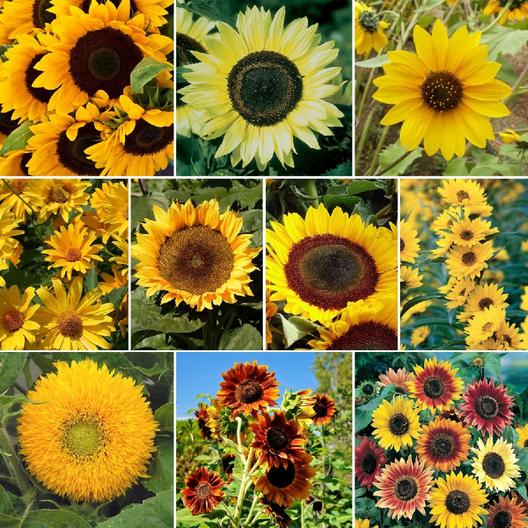
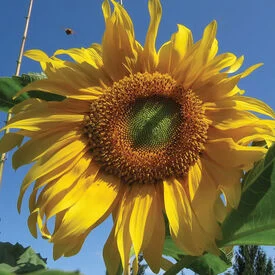
A perfect blend of sunflower varieties for the gardener wanting a large variety in a single pack of seeds. Each pack contains a blend of Sungold Tall, Autumn Beauty, Lemon Queen, Sungold Dwarf, Dwarf Sunspot, Evening Sun, Velvet Queen, Maximilian Sunflower and Large Grey Stripe. You can see photos of the individual varieties on this page.
Each 9g pack of seeds will contain 300-400 seeds.
  $3.95 per 9g Package
Salt N' Roast F1 Sun Flower.
TWT293 Salt N' Roast F1 Sunflower

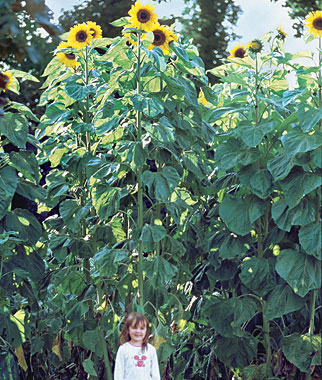
Salt N' Roast F1 Sunflower is a premium hybrid sunflower developed specifically for producing large, high-quality edible seeds ideal for roasting and snacking. This vigorous selection of Helianthus annuus combines impressive garden performance with exceptional seed size, making it a favorite among home gardeners, homesteaders, wildlife enthusiasts, and anyone interested in growing their own nutritious sunflower seeds.

Garden Uses

Salt N' Roast F1 is ideal for edible gardens, wildlife plantings, pollinator habitats, homestead gardens, children's gardens, and large sunny borders. The tall plants produce impressive golden blooms that provide ornamental beauty before developing large seed-filled heads.

This variety works well along fences, property lines, vegetable gardens, and wildlife plots where its height and productivity can be fully appreciated. The flowers also create attractive backdrops for zinnias, cosmos, gomphrena, celosia, and native wildflowers.

Many gardeners grow Salt N' Roast specifically for harvesting seeds, while others enjoy its value as a wildlife-friendly ornamental plant.

Growing Information

Salt N' Roast F1 performs best in full sun and fertile, well-drained soil. Sow seeds directly outdoors after danger of frost has passed and soil temperatures have warmed.

Plant seeds approximately 1 inch deep and provide adequate spacing to allow the plants room to develop large flower heads. Consistent moisture during establishment encourages rapid growth and strong stems.

Rich soil and regular watering during flowering and seed development help maximize seed size and production. Mature plants tolerate moderate drought but perform best when supplied with consistent moisture.

Allow flower heads to fully mature if harvesting seeds. Harvest when the backs of the heads turn yellow-brown and seeds are fully developed.

Pollinator Value

The large blooms attract bees, butterflies, hoverflies, native pollinators, and numerous beneficial insects. The flowers provide abundant pollen and nectar throughout the blooming period.

As seeds mature, birds such as finches, cardinals, chickadees, doves, and other seed-eating species eagerly visit the plants.

Salt N' Roast offers exceptional value as both a pollinator plant and a wildlife food source.

Historical Significance

Helianthus annuus has been cultivated in North America for thousands of years. Indigenous peoples valued sunflowers as an important food crop and used the seeds for food, oil, medicine, and ceremonial purposes.

Modern edible sunflower breeding focused on producing larger, more flavorful seeds with improved yields. Hybrid varieties such as Salt N' Roast were developed specifically to meet the growing demand for home-grown snack seeds and roasting varieties.

Today, edible sunflowers remain among the most popular garden crops for both human consumption and wildlife support.

Interesting Facts

Sunflower seeds are rich in protein, healthy oils, vitamin E, magnesium, and other important nutrients.

The large flower heads contain hundreds or even thousands of individual seeds arranged in remarkable spiral patterns that follow mathematical principles found throughout nature.

Young sunflower buds track the movement of the sun across the sky before mature flowers eventually settle facing east.

Home-grown sunflower seeds are often larger and fresher than commercially packaged seeds.

Seedman Notes

Salt N' Roast F1 is one of the finest sunflower varieties available for gardeners interested in harvesting their own edible seeds. The combination of attractive blooms, vigorous growth, and large seed production makes it both beautiful and productive.

For maximum seed yields, provide fertile soil, full sun, and regular watering during the growing season. Protect ripening seed heads from birds if harvesting for personal use, or leave some heads standing to support wildlife.

This variety is highly recommended for homesteaders, edible gardeners, wildlife enthusiasts, and families looking for a fun and rewarding garden crop.

Seedman Star Rating: ★★★★★

Outstanding for edible gardening, seed harvesting, wildlife plantings, pollinator habitats, homesteads, and children's garden projects.

Quick Facts

  • Botanical Name: Helianthus annuus
  • Common Name: Salt N' Roast F1 Sunflower
  • Plant Type: Annual
  • Bloom Color: Golden yellow with dark seed centers
  • Bloom Season: Summer through early fall
  • Height: 5 to 7 feet
  • Flower Size: 10 to 14 inches across
  • Light: Full sun
  • Soil: Fertile, well-drained soil
  • Drought Tolerance: Moderate once established
  • Best Uses: Seed harvesting, edible gardens, wildlife plots, pollinator gardens
  • Attracts: Bees, butterflies, beneficial insects, finches, cardinals, songbirds
  • Special Feature: Produces large edible seeds ideal for roasting and snacking
  • Rating: ★★★★★
 3.75g Package ( about 25 seeds ) $3.95
Gummy Bear Sun Flower.
LET440 Gummy Bear

Gummy Bear Sunflower is a delightful ornamental sunflower grown for its soft, fluffy, fully double yellow blooms that resemble cheerful golden pom-poms. A unique selection of Helianthus annuus, this variety brings a playful texture and bright summer color to borders, cutting gardens, pollinator plantings, and cottage-style displays.

Garden Uses

Gummy Bear is ideal for cutting gardens, sunny borders, cottage gardens, pollinator beds, children’s gardens, and mixed annual plantings. Its plush, double flowers add a different look from standard sunflowers, offering rounded, cushion-like blooms with a warm golden color.

The flowers combine beautifully with zinnias, gomphrena, celosia, cosmos, marigolds, salvia, rudbeckia, and ornamental grasses. Their unusual fluffy form also makes them excellent conversation pieces in fresh bouquets.

Plant in groups for the strongest effect, or use as a bright focal plant among lower-growing annuals.

Growing Information

Gummy Bear grows best in full sun and well-drained garden soil. Sow seeds directly outdoors after danger of frost has passed and the soil has warmed. Plant seeds about 1/2 to 1 inch deep and keep evenly moist until germination.

Sunflowers grow quickly in warm weather and appreciate regular moisture during early growth. Once established, plants tolerate moderate dry periods, though consistent watering during hot weather encourages the best bloom production.

Provide fertile soil and good air circulation. Taller or heavily blooming plants may benefit from light support in windy locations. Cutting flowers regularly can help encourage continued bloom production on branching plants.

Pollinator Value

Although Gummy Bear has fuller, double blooms than traditional single sunflowers, the flowers can still attract bees, butterflies, hoverflies, and other beneficial insects, especially as the centers mature and become accessible.

Sunflowers are valuable garden plants for pollinators, and any seed heads allowed to mature may also attract finches and other seed-eating birds later in the season.

Historical Significance

Helianthus annuus is native to North America and was cultivated by Indigenous peoples for thousands of years for food, oil, dye, medicine, and ceremonial uses. It later spread across the world as both an agricultural crop and an ornamental flower.

Double-flowered sunflowers such as Gummy Bear reflect modern ornamental breeding, where gardeners selected for unusual flower forms, softer textures, and improved garden appeal. These novelty types bring fresh interest to one of the world’s most familiar flowers.

Interesting Facts

The fluffy appearance of Gummy Bear comes from extra petal-like florets that fill much of the flower head, creating a rounded pom-pom effect.

Sunflower heads are actually made of many individual flowers. The outer petals are ray flowers, while the center contains many disk flowers that can develop into seeds.

Young sunflower buds often turn toward the sun as they grow, a movement called heliotropism. Mature flower heads usually face east.

Double sunflowers are especially popular in floral design because they provide texture and fullness that standard sunflowers do not.

Seedman Notes

Gummy Bear Sunflower is a fun and showy choice for gardeners who want something different from the traditional single yellow sunflower. Its fluffy blooms are bright, cheerful, and excellent for fresh arrangements.

For the best display, plant in groups or rows where the double flowers can create a strong golden mass. This variety is especially attractive when paired with purple gomphrena, red celosia, orange zinnias, and airy ornamental grasses.

Allow a few heads to mature if you would like to provide late-season seed for birds.

Seedman Star Rating: ★★★★★

Excellent for cutting gardens, cottage gardens, pollinator plantings, children’s gardens, sunny borders, and playful summer displays.

Quick Facts

  • Botanical Name: Helianthus annuus
  • Common Name: Gummy Bear Sunflower
  • Plant Type: Annual
  • Bloom Color: Golden yellow
  • Flower Type: Fully double, fluffy pom-pom style blooms
  • Bloom Season: Summer to early fall
  • Height: Usually 4 to 6 feet, depending on growing conditions
  • Spread: 18 to 24 inches
  • Light: Full sun
  • Soil: Fertile, well-drained garden soil
  • Drought Tolerance: Moderate once established
  • Best Uses: Cutting gardens, borders, cottage gardens, pollinator beds, children’s gardens
  • Attracts: Bees, butterflies, hoverflies, beneficial insects, seed-eating birds
  • Special Feature: Fluffy double yellow blooms with excellent bouquet texture
  • Rating: ★★★★★
 10 seeds $2.95
American Giant Hybrid Sun Flower.
TWT303 American Giant Hybrid

American Giant Hybrid Sunflower is a towering, old-fashioned garden giant grown for its impressive height, massive golden-yellow flower heads, and bold summer presence. This is the kind of sunflower that becomes a landmark in the garden, often rising well above people, fences, and surrounding annuals. Its thick stems, broad green leaves, and huge seed-filled centers make it a favorite for children’s gardens, wildlife plantings, back borders, and dramatic summer displays.

Garden Uses: American Giant Hybrid Sunflower is excellent for the back of flower beds, along fence lines, vegetable garden borders, wildlife gardens, and sunny open spaces where its great height can be fully appreciated. It makes a wonderful living screen during summer and is especially useful where a bold vertical accent is needed. The large flower heads are also outstanding for attracting birds once seed begins to mature.

Growing Information: Plant in full sun after all danger of frost has passed. Sow seeds directly into warm, well-drained soil about 1 inch deep. Space plants generously, as this variety can grow very tall and develop heavy stems and large leaves. Rich soil, steady moisture, and protection from strong winds will help plants reach their best size. Staking may be helpful in exposed locations, especially when flower heads begin to mature.

Pollinator Value: The large blooms provide abundant pollen and nectar for bees and other beneficial insects. Later in the season, the seed heads become valuable food for finches, cardinals, doves, and other seed-eating birds. Leaving a few heads standing in the garden after bloom adds wildlife value and late-season interest.

Historical Significance: Sunflowers have a long history of use in North America, where they were grown for food, oil, dye, and ornament. Giant sunflowers became especially popular in home gardens because they combine practical seed production with a dramatic, cheerful appearance. Their towering form has made them a classic symbol of summer gardens and rural landscapes.

Interesting Facts: Young sunflower buds often follow the sun across the sky, a movement known as heliotropism. Once the flowers mature, they usually face a more fixed direction. Giant types like American Giant Hybrid are often grown in garden contests because of their impressive height and enormous flower heads. The heavy seed heads may bend downward as the seeds ripen.

Seedman Notes: American Giant Hybrid Sunflower is a great choice when customers want a true giant sunflower with strong visual impact. It is especially popular for children’s gardens, school gardens, wildlife plots, and anyone wanting a “wow” plant for summer. For best results, give plants plenty of room, good soil, and regular watering during rapid growth.

Quick Facts:

  • Botanical Name: Helianthus annuus
  • Common Name: American Giant Hybrid Sunflower
  • Plant Type: Annual
  • Sun Exposure: Full sun
  • Height: Very tall; often 10 feet or more under good conditions
  • Bloom Color: Golden yellow petals with large dark seed centers
  • Bloom Season: Summer to early fall
  • Best Uses: Back borders, wildlife gardens, children’s gardens, screens, seed heads
  • Pollinator Rating: ★★★★★
  • Garden Drama Rating: ★★★★★
  • Ease of Growing: ★★★★★
 1.25g Package ( about 15-18 seeds ) $3.95
Lemon Cutie F1 Sun Flower.
JB242 Lemon Cutie F1 Sunflower

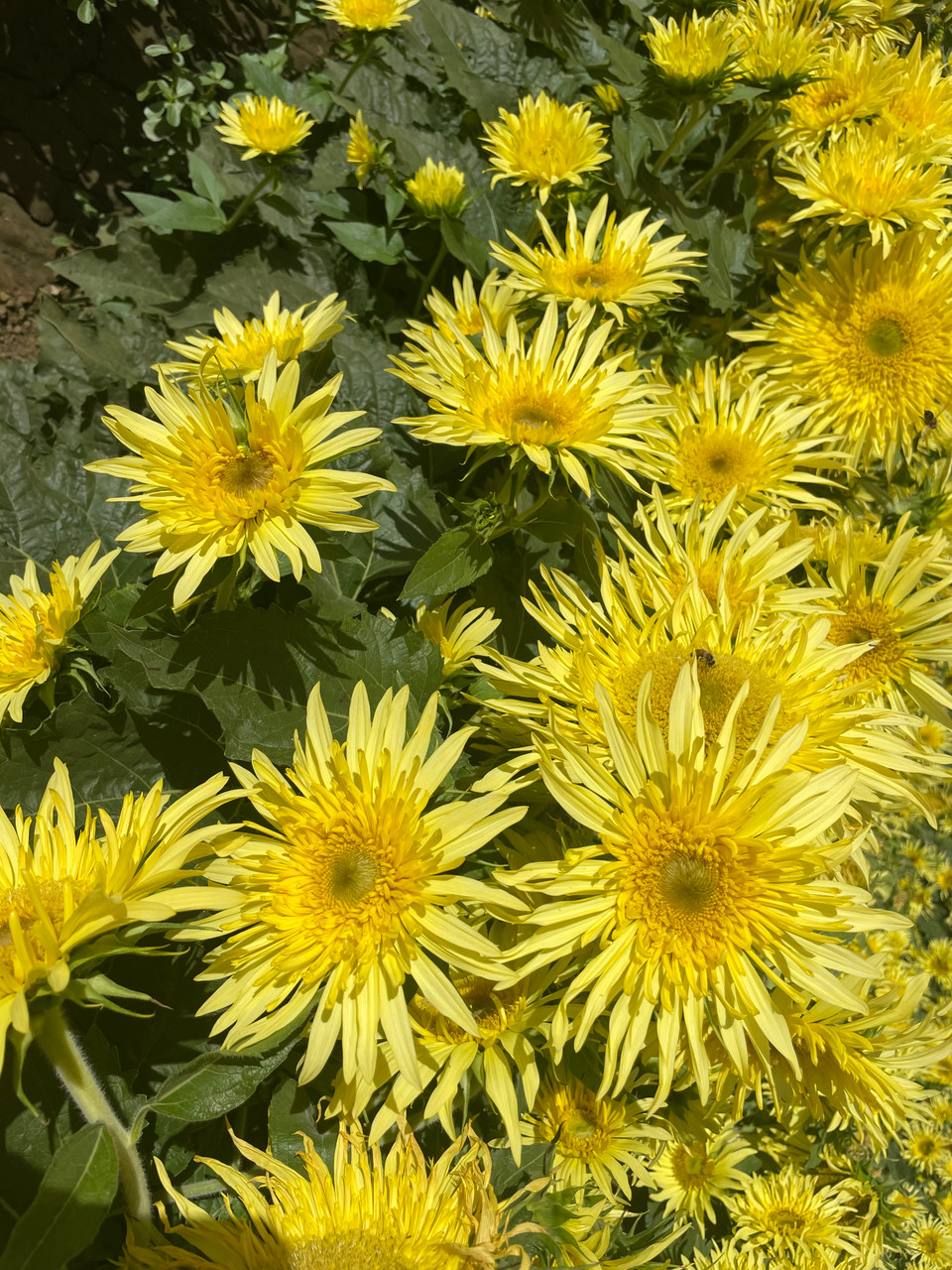
Lemon Cutie F1 Sunflower is a compact, cheerful sunflower grown for its soft lemon-yellow blooms, tidy branching habit, and excellent performance in containers. Unlike the towering giant sunflowers, this smaller hybrid brings the same sunny personality to patios, porches, decks, and small garden spaces. Its bright double to semi-double flowers create a full, fluffy look that gives containers a fresh summer display without needing a large garden bed.

Garden Uses: Lemon Cutie F1 Sunflower is especially well suited for containers, patio planters, small-space gardens, front borders, children’s gardens, and sunny porch displays. Its compact size makes it easy to place where taller sunflowers would be too large. It also works beautifully in mixed annual plantings with alyssum, petunias, zinnias, marigolds, or trailing foliage plants.

Growing Information: Grow in full sun with rich, well-drained soil. For containers, use a good quality potting mix and choose a pot with drainage holes. Sow seed after danger of frost has passed, or start indoors a few weeks early for earlier bloom. Keep soil evenly moist but not soggy, especially during hot weather. Regular feeding helps container-grown plants keep producing strong growth and plenty of flowers.

Pollinator Value: The bright yellow blooms attract bees, butterflies, and other beneficial insects. Even compact sunflowers can provide excellent nectar and pollen value, especially when grown in groups or containers near vegetable gardens and patio plantings. Later blooms may also produce small seeds that interest birds.

Historical Significance: Sunflowers have long been treasured for food, oil, ornament, and wildlife value. Compact modern hybrids such as Lemon Cutie F1 continue that tradition in a form that fits today’s smaller gardens, patios, and container displays. These newer types make it possible for nearly anyone to enjoy sunflowers, even without room for giant varieties.

Interesting Facts: Sunflowers belong to the daisy family, and what appears to be one large flower is actually made up of many tiny individual florets. Compact double-flowered types like Lemon Cutie F1 have extra petal-like florets that give the bloom a fuller, more decorative appearance. Their smaller size also makes them less likely to need staking than taller sunflower varieties.

Seedman Notes: Lemon Cutie F1 Sunflower is a very useful selection for customers who want sunflowers but do not have space for tall plants. It is ideal for container sales, patio gardening, and bright summer displays near entryways. For the best look, plant several seeds in a large container and thin to the strongest plants, allowing enough room for good branching and airflow.

Quick Facts:

  • Botanical Name: Helianthus annuus
  • Common Name: Lemon Cutie F1 Sunflower
  • Plant Type: Annual
  • Sun Exposure: Full sun
  • Height: Compact; excellent for containers
  • Bloom Color: Soft lemon yellow
  • Bloom Form: Double to semi-double decorative blooms
  • Bloom Season: Summer to early fall
  • Best Uses: Containers, patios, small gardens, borders, pollinator plantings
  • Pollinator Rating: ★★★★☆
  • Container Rating: ★★★★★
  • Ease of Growing: ★★★★★
  Package of 10 seeds $3.95
Evening Sun Sun Flower.
LET725 Evening Sun

Evening Sun Sunflower is a spectacular branching sunflower prized for its rich autumn-inspired colors and long season of bloom. Producing large flowers in shades of golden yellow, deep orange, bronze, mahogany, and reddish-brown, this variety creates a dramatic display that captures the warm tones of a late summer sunset. Unlike single-stem giant sunflowers, Evening Sun produces numerous blooms over an extended period, making it one of the most colorful and rewarding sunflowers for garden use.

Garden Uses: Evening Sun Sunflower is perfect for cottage gardens, cutting gardens, pollinator plantings, back borders, wildlife gardens, and seasonal displays. Its branching habit provides weeks of colorful blooms, making it especially valuable for fresh flower arrangements. The warm colors blend beautifully with zinnias, cosmos, celosia, ornamental grasses, and other late-season annuals.

Growing Information: Sow seeds directly outdoors after danger of frost has passed and the soil has warmed. Plant in full sun and well-drained soil. Seeds should be covered approximately 1 inch deep. Space plants 18 to 24 inches apart to allow good branching and airflow. Regular watering during dry periods promotes vigorous growth and abundant flowering. Deadheading spent blooms can encourage continued flower production.

Pollinator Value: The large, nectar-rich blooms attract honeybees, native bees, butterflies, hoverflies, and numerous other beneficial insects throughout the summer. As flowers mature and seed develops, goldfinches and other songbirds often visit the garden to feed on the ripening seed heads.

Historical Significance: Sunflowers were first domesticated by Native American peoples thousands of years ago and were valued for food, oil, dyes, and ceremonial purposes. Modern ornamental varieties such as Evening Sun were developed to emphasize the remarkable range of colors found within the species while retaining the vigor and ease of growth that made sunflowers popular throughout history.

Interesting Facts: Unlike traditional yellow sunflowers, Evening Sun displays a remarkable range of sunset colors on a single planting. Individual plants often produce blooms in several different shades, creating a natural mixed bouquet effect in the garden. Because the plants branch heavily, a single plant may produce dozens of flowers over the growing season. The dark centers and rich petal colors make the blooms especially attractive in floral arrangements.

Seedman Notes: Evening Sun remains one of the finest heirloom-style branching sunflowers available for home gardeners. Customers frequently select it for its unique color range and exceptional cut flower performance. It is an excellent choice for gardeners who want the beauty of sunflowers but prefer many medium-sized blooms rather than a single giant flower head. Plant in groups for the most dramatic sunset-inspired display.

Quick Facts:

  • Botanical Name: Helianthus annuus
  • Common Name: Evening Sun Sunflower
  • Plant Type: Annual
  • Sun Exposure: Full sun
  • Height: 5 to 8 feet
  • Spread: 2 to 3 feet
  • Bloom Colors: Yellow, gold, orange, bronze, red, mahogany
  • Bloom Season: Mid-summer through fall
  • Growth Habit: Multi-branching
  • Best Uses: Cut flowers, borders, wildlife gardens, pollinator gardens
  • Pollinator Rating: ★★★★★
  • Cut Flower Rating: ★★★★★
  • Garden Impact Rating: ★★★★★
  • Ease of Growing: ★★★★★
 1.5g package ( about 50 seeds ) $2.95
Tithonia Fiesta del Sol.
SF347 Tithonia Fiesta del Sol

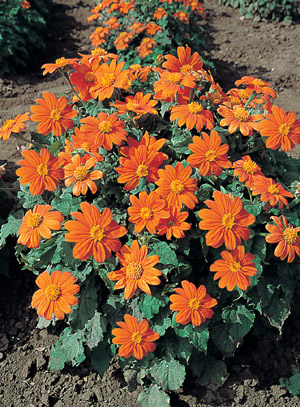
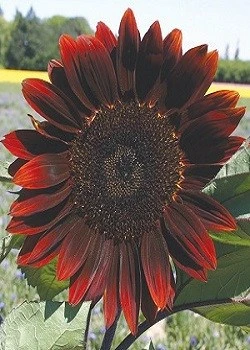
Chocolate Sunflower is a unique and eye-catching ornamental sunflower prized for its rich, deep mahogany to chocolate-brown blooms. The velvety petals surround a dark central disk, creating a dramatic appearance unlike traditional yellow sunflowers. Its warm, earthy coloring adds elegance and sophistication to flower gardens while still providing the cheerful charm and easy-growing nature that sunflowers are known for. Chocolate Sunflower stands out beautifully in both garden beds and fresh-cut floral arrangements.

Garden Uses: Chocolate Sunflower is an excellent choice for cottage gardens, cutting gardens, mixed annual borders, pollinator gardens, and seasonal landscape displays. The rich flower color pairs beautifully with golden yellow sunflowers, orange tithonia, purple salvias, and ornamental grasses. Its unusual blooms make it a favorite among gardeners seeking something different from traditional sunflower varieties.

Growing Information: Sow seeds directly outdoors after danger of frost has passed and the soil has warmed. Plant seeds approximately 1 inch deep in fertile, well-drained soil. Choose a sunny location that receives at least six to eight hours of direct sunlight daily. Space plants 18 to 24 inches apart to encourage healthy branching and air circulation. Water regularly during establishment and provide supplemental moisture during extended dry periods. Plants are generally easy to grow and perform well in most garden soils.

Pollinator Value: The nectar and pollen-rich flowers attract honeybees, native bees, butterflies, and numerous beneficial insects. As seed heads mature, they become a valuable food source for finches, chickadees, cardinals, and other seed-eating birds. Chocolate Sunflower contributes both beauty and wildlife value throughout the growing season.

Historical Significance: Sunflowers were first domesticated in North America more than 4,000 years ago and were grown for food, oil, medicine, and dyes. Modern ornamental breeding has expanded the available color palette far beyond the familiar yellow forms. Chocolate Sunflower is part of a newer generation of ornamental selections developed specifically for their unique coloration and ornamental appeal.

Interesting Facts: The dark coloration of Chocolate Sunflower can appear almost black from a distance, especially during early morning or evening light. Up close, the petals reveal beautiful shades of chocolate, mahogany, burgundy, and deep red. The flowers photograph exceptionally well and are often used by floral designers to add depth and contrast to autumn bouquets and seasonal arrangements.

Seedman Notes: Chocolate Sunflower consistently attracts attention wherever it is planted. Customers often choose it because it offers something dramatically different from standard sunflowers while remaining just as easy to grow. It is particularly effective when planted in groups or combined with traditional yellow sunflower varieties to create striking color contrasts throughout the garden.

Quick Facts:

  • Botanical Name: Helianthus annuus
  • Common Name: Chocolate Sunflower
  • Plant Type: Annual
  • Sun Exposure: Full sun
  • Height: 5 to 7 feet
  • Spread: 2 to 3 feet
  • Bloom Color: Chocolate-brown, mahogany, burgundy tones
  • Bloom Season: Summer through early fall
  • Growth Habit: Branching
  • Best Uses: Cut flowers, borders, pollinator gardens, cottage gardens
  • Pollinator Rating: ★★★★★
  • Cut Flower Rating: ★★★★★
  • Garden Impact Rating: ★★★★★
  • Color Uniqueness Rating: ★★★★★
  • Ease of Growing: ★★★★★
 150mg Package ( about 20-25 seeds ) $2.95
Chocolate Cherry Sun Flower.
TPF272 Chocolate Cherry

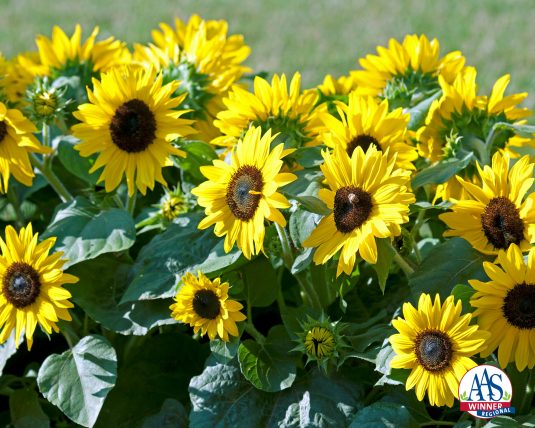
Suntastic Yellow-Black Eye Sunflower is a compact, award-winning sunflower that combines brilliant golden-yellow petals with a bold dark center, creating the classic sunflower look in a tidy, container-friendly package. Bred for abundant blooms and a naturally branching habit, Suntastic produces a continuous display of cheerful flowers over an extended season. Its manageable size makes it ideal for patios, decks, balconies, and smaller garden spaces where traditional giant sunflowers would be impractical.

Garden Uses: Suntastic Yellow-Black Eye Sunflower is perfect for containers, patio planters, window boxes, raised beds, front borders, children's gardens, and pollinator plantings. The compact plants create a bright focal point in small gardens and mix beautifully with other summer annuals. Because of its neat habit and continuous flowering, it is especially useful in decorative containers placed near entryways and outdoor living areas.

Growing Information: Sow seeds directly outdoors after all danger of frost has passed, or start indoors several weeks before transplanting. Plant in full sun and well-drained soil. In containers, use a quality potting mix and provide consistent moisture throughout the growing season. Plants benefit from occasional feeding, especially when grown in pots. Deadheading spent flowers encourages additional blooms and helps maintain a tidy appearance.

Pollinator Value: The bright, pollen-rich blooms attract honeybees, native bees, butterflies, and other beneficial insects throughout the summer. Despite its compact size, Suntastic provides an excellent nectar and pollen source for pollinators. As flowers mature, developing seeds may also attract small songbirds later in the season.

Historical Significance: Sunflowers have been cultivated for thousands of years, originally serving as important food and oil crops among Native American cultures. Modern breeding programs have developed compact ornamental forms such as Suntastic, allowing gardeners with limited space to enjoy the beauty and ecological benefits of sunflowers. These dwarf varieties represent an important advancement in ornamental sunflower breeding.

Interesting Facts: Suntastic Yellow-Black Eye was developed specifically for container culture and small-space gardening. Unlike traditional sunflowers that may produce only one large bloom, Suntastic branches naturally and produces numerous flowers over an extended period. Its dark center provides a striking contrast to the bright yellow petals, giving it the classic "black-eyed sunflower" appearance that gardeners immediately recognize.

Seedman Notes: Suntastic Yellow-Black Eye is one of the best sunflower choices for customers who want all the charm of traditional sunflowers in a compact package. Its excellent branching habit, heavy bloom production, and suitability for containers make it a dependable performer for both experienced and novice gardeners. We especially recommend it for patios, balconies, and areas where space is limited but color is desired.

Quick Facts:

  • Botanical Name: Helianthus annuus
  • Common Name: Suntastic Yellow-Black Eye Sunflower
  • Plant Type: Annual
  • Sun Exposure: Full sun
  • Height: 18 to 24 inches
  • Spread: 18 to 24 inches
  • Bloom Color: Bright yellow with dark center
  • Bloom Season: Summer through early fall
  • Growth Habit: Compact, branching, bushy
  • Best Uses: Containers, patios, borders, pollinator gardens
  • Pollinator Rating: ★★★★★
  • Container Performance: ★★★★★
  • Flower Production: ★★★★★
  • Garden Impact Rating: ★★★★☆
  • Ease of Growing: ★★★★★
 2g pack ( about 50 seeds ) $2.95
Suntastic Yellow-Black Eye Sunflower.
SF345 Suntastic Yellow-Black Eye

Suntastic Yellow-Black Eye Sunflower is a compact, award-winning sunflower that combines brilliant golden-yellow petals with a bold dark center, creating the classic sunflower appearance in a neat, easy-to-manage plant. Developed specifically for modern gardens and containers, this variety delivers an abundance of blooms over an extended season while maintaining a tidy, bushy habit. Its cheerful flowers bring the beauty of traditional sunflowers to patios, decks, balconies, and smaller garden spaces.

Garden Uses: Suntastic Yellow-Black Eye is ideal for containers, patio planters, window boxes, front borders, raised beds, children's gardens, and pollinator plantings. Its compact size allows gardeners with limited space to enjoy sunflowers without sacrificing flower production. The bright blooms create eye-catching displays in containers and blend beautifully with petunias, marigolds, alyssum, zinnias, and other summer annuals.

Growing Information: Sow seeds directly outdoors after all danger of frost has passed, or start indoors several weeks before transplanting. Plant in full sun and fertile, well-drained soil. Container-grown plants perform best in quality potting mix and benefit from regular watering during hot weather. Feed occasionally with a balanced fertilizer to encourage continuous flowering. Removing spent blooms helps keep plants tidy and can encourage additional flower production.

Pollinator Value: Despite its compact size, Suntastic Yellow-Black Eye provides excellent nectar and pollen resources for honeybees, native bees, butterflies, and other beneficial insects. The bright flowers serve as pollinator magnets throughout the growing season. As flower heads mature, developing seeds may attract finches and other small songbirds.

Historical Significance: Sunflowers have been cultivated for more than 4,000 years and were originally grown by Native American peoples as important food and oil crops. Modern breeding efforts have expanded the sunflower family to include compact ornamental varieties such as Suntastic, making these beloved flowers accessible to gardeners with smaller growing spaces and container gardens.

Interesting Facts: Suntastic Yellow-Black Eye was bred specifically to provide the classic sunflower look on plants that remain compact and manageable. Unlike giant sunflowers that often produce a single large bloom, Suntastic develops multiple flowers over an extended period. The striking contrast between its bright yellow petals and dark center gives it the traditional "black-eyed" appearance that has made sunflowers a favorite garden flower for generations.

Seedman Notes: Suntastic Yellow-Black Eye is one of the finest compact sunflowers available for containers and small gardens. Customers love its dependable performance, heavy flowering habit, and ability to brighten patios and entryways with minimal care. It is an excellent choice for beginners, children, and experienced gardeners alike. Plant several together in larger containers for a spectacular display of color throughout the summer.

Quick Facts:

  • Botanical Name: Helianthus annuus
  • Common Name: Suntastic Yellow-Black Eye Sunflower
  • Plant Type: Annual
  • Sun Exposure: Full sun
  • Height: 18 to 24 inches
  • Spread: 18 to 24 inches
  • Bloom Color: Bright yellow with dark brown to black center
  • Bloom Season: Summer through early fall
  • Growth Habit: Compact, bushy, branching
  • Best Uses: Containers, patios, borders, pollinator gardens
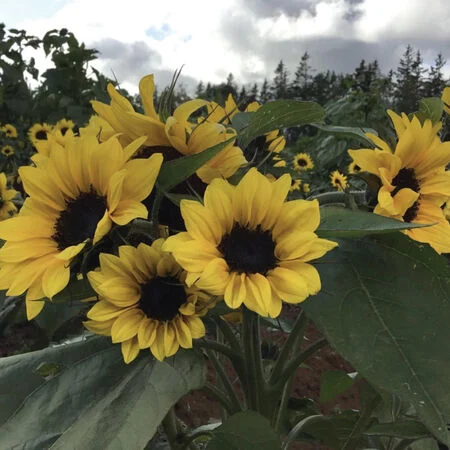
  • Pollinator Rating: ★★★★★
  • Container Performance: ★★★★★
  • Flower Production: ★★★★★
  • Garden Impact Rating: ★★★★☆
  • Ease of Growing: ★★★★★
 10 seeds $4.95
Junior Dwarf Sunflower.
JB303 Junior Dwarf

Junior Dwarf Sunflower is a charming compact sunflower that delivers bright golden-yellow blooms on sturdy, easy-to-manage plants. Specially bred for smaller gardens, borders, and containers, this variety provides all the classic beauty of traditional sunflowers without requiring large amounts of space. Its cheerful flowers and manageable size make it an excellent choice for children's gardens, patio plantings, and colorful summer displays.

Garden Uses: Junior Dwarf Sunflower is ideal for containers, patio planters, window boxes, front borders, raised beds, children's gardens, and pollinator plantings. Its compact growth habit allows it to fit comfortably into small garden spaces while still producing an abundance of bright blooms. It combines beautifully with marigolds, zinnias, alyssum, petunias, and other summer annuals.

Growing Information: Sow seeds directly outdoors after all danger of frost has passed and soil temperatures have warmed. Seeds may also be started indoors several weeks before transplanting. Plant in full sun and well-drained soil. Space plants approximately 10 to 12 inches apart to encourage healthy growth and airflow. Water regularly during establishment and maintain consistent moisture during periods of hot weather. Container-grown plants benefit from occasional feeding to encourage continuous flowering.

Pollinator Value: The bright blooms attract honeybees, native bees, butterflies, and other beneficial pollinators throughout the growing season. The flowers provide valuable nectar and pollen resources, while mature seed heads may attract finches and other small songbirds. Junior Dwarf Sunflower is an excellent addition to pollinator-friendly gardens.

Historical Significance: Sunflowers have been cultivated in North America for thousands of years and were valued by Native American peoples for food, oil, medicine, and dyes. Dwarf sunflower varieties were developed to meet the needs of modern gardeners seeking compact plants suitable for containers and smaller landscapes. Junior Dwarf continues this tradition by offering outstanding ornamental value in a space-saving form.

Interesting Facts: Although much smaller than giant sunflower varieties, Junior Dwarf produces blooms that retain the same classic sunflower appearance. Its compact size makes it particularly popular for school gardens and youth gardening projects. The plants often bloom earlier than taller sunflower varieties, providing cheerful color relatively quickly after planting.

Seedman Notes: Junior Dwarf Sunflower is one of the easiest sunflowers for beginners to grow successfully. Customers appreciate its dependable performance, compact habit, and ability to brighten containers and flower beds with minimal care. It is especially well suited for gardeners with limited space who still want the traditional sunflower experience. Plant in groups for maximum visual impact and a longer season of bloom.

Quick Facts:

  • Botanical Name: Helianthus annuus
  • Common Name: Junior Dwarf Sunflower
  • Plant Type: Annual
  • Sun Exposure: Full sun
  • Height: 18 to 30 inches
  • Spread: 10 to 15 inches
  • Bloom Color: Bright golden yellow with dark center
  • Bloom Season: Summer through early fall
  • Growth Habit: Compact, upright
  • Best Uses: Containers, borders, children's gardens, pollinator plantings
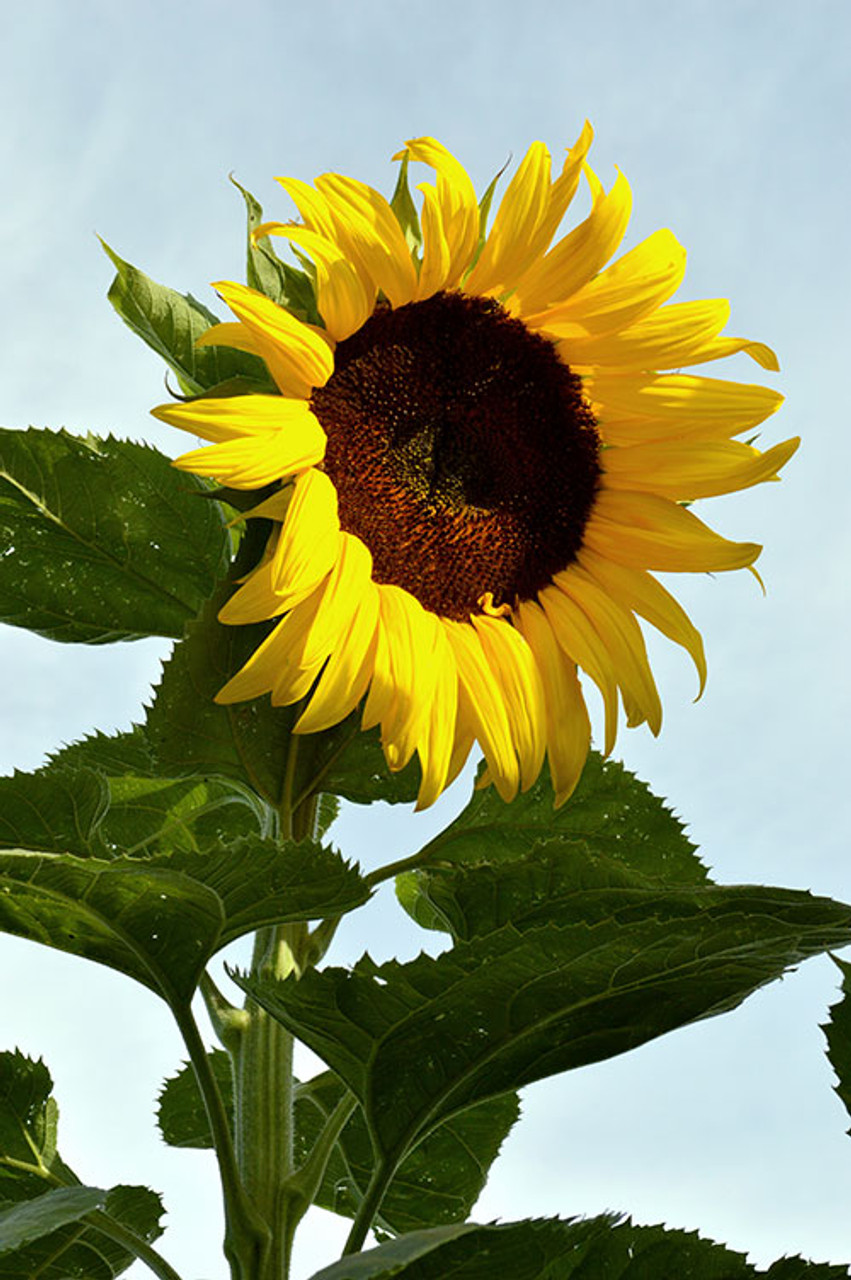
  • Pollinator Rating: ★★★★★
  • Container Performance: ★★★★★
  • Child-Friendly Garden Rating: ★★★★★
  • Garden Impact Rating: ★★★★☆
  • Ease of Growing: ★★★★★
 325mg pack ( about 15 seeds ) $3.95
Black Russian Sun Flower.
TWT295 Black Russian

Black Russian Sunflower is a classic heirloom sunflower grown primarily for its abundant production of large, oil-rich black seeds. Originally developed in Eastern Europe and Russia for commercial oil production, this impressive variety also serves as an outstanding ornamental plant with tall stems, broad leaves, and large golden-yellow flower heads. Black Russian combines beauty, wildlife value, and practical usefulness, making it one of the most versatile sunflowers available to gardeners.

Garden Uses: Black Russian Sunflower is ideal for wildlife gardens, bird-feeding plots, vegetable garden borders, back-of-the-border plantings, and educational gardens. Its towering growth habit creates a dramatic summer display while the mature seed heads provide valuable food for birds and other wildlife. It is also popular among gardeners who enjoy harvesting sunflower seeds for personal use or feeding backyard birds.

Growing Information: Sow seeds directly outdoors after all danger of frost has passed and soil temperatures have warmed. Plant seeds approximately 1 inch deep in fertile, well-drained soil. Select a location receiving full sun throughout the day. Space plants 18 to 24 inches apart to accommodate their large size and strong root systems. Regular watering during establishment promotes vigorous growth, although mature plants are relatively drought tolerant. Rich soil and consistent moisture will encourage maximum height and larger seed heads.

Pollinator Value: The large flower heads attract honeybees, native bees, butterflies, and numerous beneficial insects throughout the blooming season. As flowers mature into seed heads, they become magnets for goldfinches, cardinals, chickadees, doves, and many other bird species. Few annual flowers provide as much value to pollinators and wildlife as Black Russian Sunflower.

Historical Significance: Black Russian Sunflower traces its origins to agricultural breeding programs in Russia, where sunflowers became an important oilseed crop during the 18th and 19th centuries. Russian farmers selected plants that produced larger seeds with higher oil content, resulting in varieties such as Black Russian. These improved sunflowers were later introduced throughout Europe and North America, helping establish the sunflower as a major agricultural crop worldwide.

Interesting Facts: The seeds of Black Russian Sunflower contain a high percentage of oil and have long been valued for both human consumption and livestock feed. During the height of sunflower cultivation in Russia, millions of acres were planted annually for oil production. The large seed heads can contain hundreds, sometimes over a thousand seeds, making them especially attractive to wildlife and bird enthusiasts.

Seedman Notes: Black Russian remains one of the finest traditional sunflowers for gardeners seeking both beauty and productivity. Customers frequently select it for wildlife gardens, bird-feeding areas, and educational projects because of its historical significance and impressive seed production. Allow some seed heads to remain standing after bloom for maximum wildlife benefit, or harvest them for winter bird feeding.

Quick Facts:

  • Botanical Name: Helianthus annuus
  • Common Name: Black Russian Sunflower
  • Plant Type: Annual
  • Sun Exposure: Full sun
  • Height: 6 to 10 feet
  • Spread: 2 to 3 feet
  • Bloom Color: Golden yellow with dark center
  • Seed Type: Large black oil-rich seeds
  • Bloom Season: Mid to late summer
  • Growth Habit: Tall, upright, single-stemmed
  • Best Uses: Wildlife gardens, bird feeding, borders, seed production
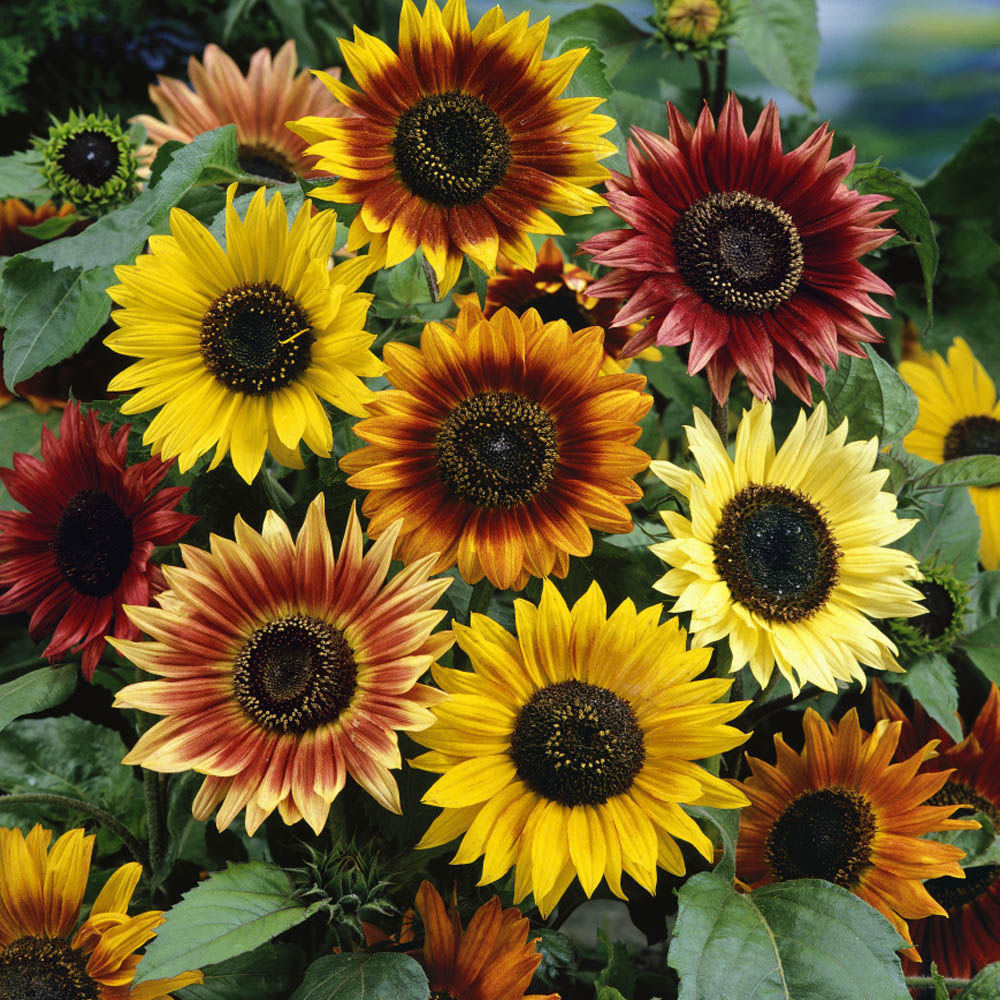
  • Pollinator Rating: ★★★★★
  • Wildlife Value: ★★★★★
  • Seed Production Rating: ★★★★★
  • Historical Significance Rating: ★★★★★
  • Ease of Growing: ★★★★★
  3.2g Package ( about 50 seeds ) $3.95
Autumn Beauty Sun Flower.
1A034 Autumn Beauty

Autumn Beauty Sunflower is one of the most colorful and beloved branching sunflowers ever introduced. Producing large blooms in a remarkable blend of golden yellow, bronze, mahogany, orange, red, and burgundy shades, this variety transforms the garden into a living tapestry of autumn colors. Unlike single-stem sunflowers, Autumn Beauty produces numerous blooms on branching plants, providing weeks of spectacular color from midsummer until frost.

Garden Uses: Autumn Beauty Sunflower is perfect for cottage gardens, cutting gardens, wildlife plantings, pollinator gardens, back borders, and seasonal displays. Its diverse flower colors make it easy to combine with zinnias, cosmos, celosia, ornamental grasses, and other late-season bloomers. The long-lasting flowers are excellent for fresh bouquets, adding warm autumn tones to floral arrangements.

Growing Information: Sow seeds directly outdoors after danger of frost has passed and soil temperatures have warmed. Plant seeds approximately 1 inch deep in fertile, well-drained soil. Select a location that receives full sun throughout the day. Space plants 18 to 24 inches apart to encourage strong branching and healthy growth. Water regularly during establishment and during prolonged dry spells. Removing spent blooms may encourage additional flowering and keep plants looking tidy.

Pollinator Value: The nectar-rich blooms attract honeybees, native bees, butterflies, hoverflies, and numerous beneficial insects throughout the growing season. As flower heads mature, they provide valuable food for finches, cardinals, chickadees, and many other songbirds. Autumn Beauty is an outstanding addition to pollinator and wildlife-friendly landscapes.

Historical Significance: Sunflowers have been cultivated for thousands of years by Native American cultures for food, oil, dyes, and ceremonial purposes. Ornamental sunflower breeding expanded significantly during the twentieth century, resulting in colorful varieties such as Autumn Beauty. This variety became especially popular because it introduced a broad palette of sunset-inspired colors while maintaining the vigor and ease of growth associated with traditional sunflowers.

Interesting Facts: No two plantings of Autumn Beauty look exactly alike. Individual flowers may display shades ranging from bright yellow and gold to copper, mahogany, burgundy, and deep red. Some blooms may even feature multiple colors on a single flower. Because the plants branch freely, a single specimen can produce dozens of blooms over the course of a season, creating a natural bouquet effect in the garden.

Seedman Notes: Autumn Beauty remains one of our most popular ornamental sunflower selections because of its extraordinary color range and extended flowering season. Customers frequently choose it for cut flower production, wildlife gardens, and dramatic landscape displays. Plant in groups for the most impressive visual impact and allow some seed heads to mature for visiting birds.

Quick Facts:

  • Botanical Name: Helianthus annuus
  • Common Name: Autumn Beauty Sunflower
  • Plant Type: Annual
  • Sun Exposure: Full sun
  • Height: 5 to 7 feet
  • Spread: 2 to 3 feet
  • Bloom Colors: Yellow, gold, bronze, orange, red, mahogany, burgundy
  • Flower Size: 4 to 8 inches across
  • Bloom Season: Mid-summer through frost
  • Growth Habit: Branching, multi-flowered
  • Best Uses: Cut flowers, borders, wildlife gardens, pollinator gardens
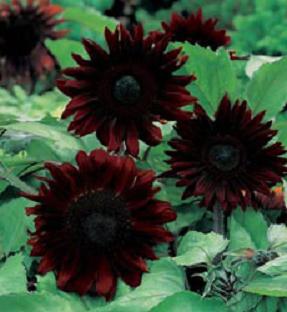
  • Pollinator Rating: ★★★★★
  • Cut Flower Rating: ★★★★★
  • Garden Impact Rating: ★★★★★
  • Color Diversity Rating: ★★★★★
  • Ease of Growing: ★★★★★
 2.2g pack ( over 100 seeds ) $2.95
 250 seeds $5.95
Black Magic Hybrid Sun Flower.
3734 Black Magic Hybrid

Black Magic Hybrid Sunflower is a dramatic ornamental sunflower grown for its deep wine-red to nearly black blooms and bold garden presence. The dark petals surround a rich central disk, creating a striking contrast against the plant's broad green foliage. This variety brings an elegant, almost mysterious look to the sunflower family and is especially valuable for gardeners wanting something unusual beyond the traditional yellow sunflower.

Garden Uses: Black Magic Hybrid Sunflower is excellent for cutting gardens, cottage gardens, mixed annual borders, pollinator gardens, and dramatic seasonal displays. Its dark flower color pairs beautifully with yellow sunflowers, orange tithonia, white cosmos, purple salvia, and ornamental grasses. The blooms are especially useful in floral arrangements where their deep coloring adds contrast and depth.

Growing Information: Sow seeds directly outdoors after all danger of frost has passed and soil temperatures have warmed. Plant seeds approximately 1 inch deep in fertile, well-drained soil. Choose a full sun location for the strongest stems and best flower color. Space plants 18 to 24 inches apart to allow good airflow and branching. Water regularly during establishment and during extended dry periods. Deadheading can encourage additional blooms and keep plants looking fresh.

Pollinator Value: Black Magic Hybrid Sunflower attracts honeybees, native bees, butterflies, and other beneficial insects. The dark blooms are not only ornamental but also provide pollen and nectar resources during the summer season. As seed heads mature, they may attract finches and other seed-eating birds.

Historical Significance: Sunflowers have been grown for thousands of years for food, oil, dye, medicine, and ornament. Traditional sunflowers were primarily yellow, but modern breeding has expanded the range into red, bronze, burgundy, mahogany, and nearly black shades. Black Magic Hybrid is part of this newer ornamental sunflower group, bred for dramatic flower color and strong garden appeal.

Interesting Facts: The dark petals of Black Magic Hybrid Sunflower can appear different depending on the light. In bright sun, the blooms may show deep burgundy and red highlights, while in shade or evening light they can appear almost black. This color-changing effect makes the flowers especially attractive for photography and fresh-cut arrangements.

Seedman Notes: Black Magic Hybrid is a standout choice for customers looking for a truly unusual sunflower. It is especially effective when planted in groups or used as a contrast variety among yellow, orange, and bronze sunflowers. For best display, plant where the dark blooms can be viewed against lighter flowers or bright green foliage.

Quick Facts:

  • Botanical Name: Helianthus annuus
  • Common Name: Black Magic Hybrid Sunflower
  • Plant Type: Annual
  • Sun Exposure: Full sun
  • Height: 4 to 6 feet
  • Spread: 18 to 24 inches
  • Bloom Color: Deep burgundy, wine-red, nearly black tones
  • Bloom Season: Summer through early fall
  • Growth Habit: Upright, ornamental sunflower
  • Best Uses: Cut flowers, borders, dramatic displays, pollinator gardens
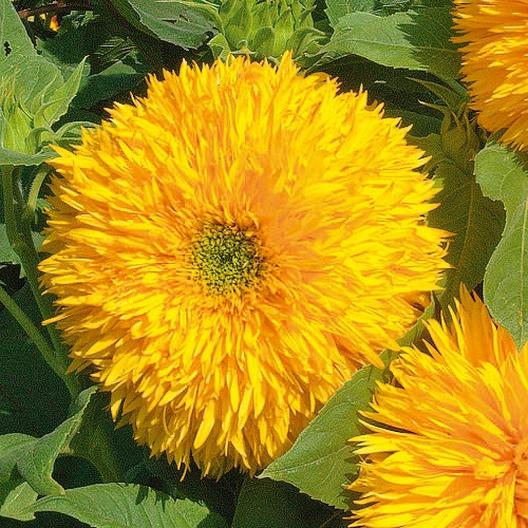
  • Pollinator Rating: ★★★★★
  • Cut Flower Rating: ★★★★★
  • Garden Impact Rating: ★★★★★
  • Color Uniqueness Rating: ★★★★★
  • Ease of Growing: ★★★★★
  Package of 10 seeds $2.95
Giant Teddy Bear Sun Flower.
JB126 Giant Teddy Bear

Giant Teddy Bear Sunflower is a delightful double-flowered sunflower prized for its enormous fluffy blooms that resemble oversized golden teddy bears. Unlike traditional sunflowers with visible central disks, Giant Teddy Bear produces densely packed petals that create a soft, rounded appearance. The large blooms are bright golden-yellow and stand out dramatically in the garden, making this variety a favorite among children, flower enthusiasts, and gardeners seeking something truly unique.

Garden Uses: Giant Teddy Bear Sunflower is ideal for cottage gardens, cutting gardens, children's gardens, pollinator plantings, and seasonal landscape displays. Its unusual fluffy flowers provide texture and color unlike any other sunflower. The blooms are excellent for fresh arrangements, and the cheerful appearance makes them especially popular near patios, walkways, and family gardens where they can be admired up close.

Growing Information: Sow seeds directly outdoors after all danger of frost has passed and soil temperatures have warmed. Plant seeds approximately 1 inch deep in fertile, well-drained soil. Choose a location receiving full sun for the best flowering performance. Space plants 18 to 24 inches apart to allow good airflow and strong growth. Water regularly during establishment and provide supplemental moisture during prolonged dry weather. Rich soil encourages larger plants and bigger blooms.

Pollinator Value: While the double blooms contain fewer exposed pollen-producing structures than traditional sunflowers, Giant Teddy Bear still attracts bees and other beneficial insects. The plants contribute beauty and diversity to pollinator gardens and provide habitat value throughout the growing season. Nearby single-flowered sunflowers can further enhance pollinator activity.

Historical Significance: Double-flowered sunflowers became increasingly popular during the twentieth century as ornamental breeding programs focused on flower form and garden performance. Giant Teddy Bear represents one of the most successful examples of this breeding work, transforming the traditional sunflower into a fully double ornamental flower while maintaining the vigor and reliability that gardeners expect from sunflowers.

Interesting Facts: The blooms of Giant Teddy Bear can reach 6 to 8 inches or more across and often resemble giant pom-poms or shaggy chrysanthemums. The densely packed petals completely hide the center of the flower, creating the variety's distinctive teddy bear appearance. Children are particularly drawn to these unusual flowers because they look soft and fuzzy despite being sturdy garden plants.

Seedman Notes: Giant Teddy Bear is one of the most requested novelty sunflowers in our collection. Customers love its unique appearance, cheerful personality, and exceptional cut flower qualities. It performs especially well in family gardens and educational plantings where its unusual blooms become instant conversation pieces. For maximum impact, plant several together in groups where their oversized golden flowers can create a dramatic summer display.

Quick Facts:

  • Botanical Name: Helianthus annuus
  • Common Name: Giant Teddy Bear Sunflower
  • Plant Type: Annual
  • Sun Exposure: Full sun
  • Height: 4 to 6 feet
  • Spread: 18 to 24 inches
  • Bloom Color: Bright golden yellow
  • Flower Size: 6 to 8 inches or larger
  • Bloom Form: Fully double, fluffy, pom-pom style
  • Bloom Season: Summer through early fall
  • Best Uses: Cut flowers, children's gardens, borders, novelty plantings
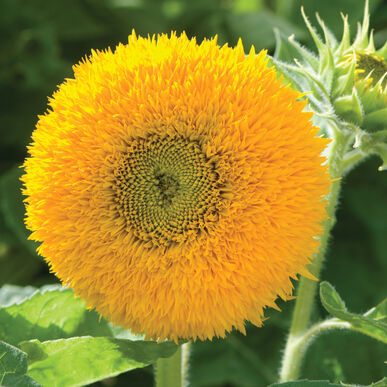
  • Pollinator Rating: ★★★★☆
  • Cut Flower Rating: ★★★★★
  • Novelty Appeal: ★★★★★
  • Child-Friendly Garden Rating: ★★★★★
  • Ease of Growing: ★★★★★
  800mg pack ( about 30 seeds ) $3.95
Teddy Bear Sun Flower.
IP030 Teddy Bear

Teddy Bear Sunflower is one of the most beloved ornamental sunflowers ever introduced, famous for its soft, fluffy double blooms that resemble golden teddy bears. Unlike traditional sunflowers with visible centers, Teddy Bear produces densely packed petals that create a rounded, pom-pom appearance. The compact plants are easy to grow, bloom abundantly, and bring a cheerful, whimsical charm to gardens, containers, and floral arrangements.

Garden Uses: Teddy Bear Sunflower is perfect for cottage gardens, children's gardens, cutting gardens, patio containers, borders, and seasonal displays. Its manageable size makes it especially useful where taller sunflowers would be overwhelming. The bright yellow blooms provide excellent color throughout summer and combine beautifully with zinnias, marigolds, cosmos, and other warm-season annuals.

Growing Information: Sow seeds directly outdoors after danger of frost has passed and soil temperatures have warmed. Plant seeds approximately 1 inch deep in fertile, well-drained soil. Select a location with full sun for the best flowering performance. Space plants 12 to 18 inches apart to encourage healthy growth and airflow. Water regularly during establishment and during dry periods. Plants are relatively low maintenance and bloom heavily throughout the summer season.

Pollinator Value: Because Teddy Bear Sunflower produces fully double flowers, less pollen is exposed than on traditional single-flowered sunflowers. Nevertheless, the plants still attract bees and beneficial insects while contributing beauty and diversity to pollinator-friendly landscapes. Planting alongside traditional sunflowers can provide additional pollinator resources.

Historical Significance: Double-flowered sunflowers became increasingly popular during the twentieth century as breeders selected plants for unusual bloom forms and ornamental value. Teddy Bear quickly became one of the most successful introductions because it transformed the familiar sunflower into a fluffy, decorative flower while retaining the species' easy-growing nature and garden reliability.

Interesting Facts: The blooms of Teddy Bear Sunflower often resemble giant golden pom-poms or shaggy chrysanthemums more than traditional sunflowers. The compact plants are particularly popular with children because of their playful appearance. Individual flowers may remain attractive for weeks, making them valuable both in the garden and as cut flowers.

Seedman Notes: Teddy Bear remains one of our most popular novelty sunflowers year after year. Customers love its cheerful appearance, compact growth habit, and suitability for smaller gardens and containers. It is an excellent choice for family gardens, school projects, and anyone wanting a sunflower that is truly different from the traditional forms. Plant in groups for a spectacular display of fluffy golden blooms.

Quick Facts:

  • Botanical Name: Helianthus annuus
  • Common Name: Teddy Bear Sunflower
  • Plant Type: Annual
  • Sun Exposure: Full sun
  • Height: 2 to 4 feet
  • Spread: 12 to 18 inches
  • Bloom Color: Bright golden yellow
  • Flower Size: 4 to 6 inches across
  • Bloom Form: Fully double, fluffy, pom-pom style
  • Bloom Season: Summer through early fall
  • Growth Habit: Compact, bushy
  • Best Uses: Containers, borders, cut flowers, children's gardens
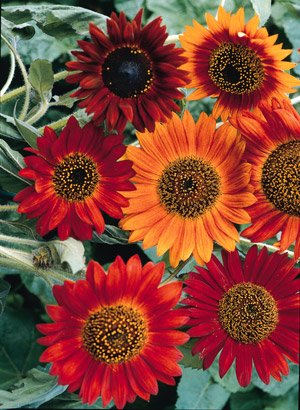
  • Pollinator Rating: ★★★★☆
  • Cut Flower Rating: ★★★★★
  • Novelty Appeal: ★★★★★
  • Container Performance: ★★★★★
  • Ease of Growing: ★★★★★
  Package of 50 seeds $5.95
Earthwalker Sun Flower.
IP095 Earthwalker Sunflower ( Helianthus )

Earthwalker Sunflower is a stunning multi-colored branching sunflower celebrated for its rich blend of earthy autumn shades. The large blooms appear in a remarkable range of colors including bronze, copper, mahogany, burgundy, gold, rust, and deep red, creating a natural tapestry of fall-inspired tones. With its vigorous growth, abundant branching, and long flowering season, Earthwalker has become one of the most admired ornamental sunflowers for gardeners seeking something beyond traditional yellow varieties.

Garden Uses: Earthwalker Sunflower is perfect for cottage gardens, cutting gardens, pollinator plantings, wildlife gardens, and back-border displays. The warm, earthy flower colors blend beautifully with ornamental grasses, celosia, cosmos, zinnias, tithonia, and other late-season bloomers. It is especially popular for creating stunning fresh-cut bouquets and autumn-themed floral arrangements.

Growing Information: Sow seeds directly outdoors after danger of frost has passed and the soil has warmed. Plant seeds approximately 1 inch deep in fertile, well-drained soil. Choose a location that receives full sun throughout the day. Space plants 18 to 24 inches apart to allow room for branching and healthy air circulation. Regular watering during establishment encourages strong growth, while mature plants tolerate short periods of drought. Deadheading may encourage continued flowering throughout the season.

Pollinator Value: Earthwalker Sunflower is highly attractive to honeybees, native bees, butterflies, hoverflies, and numerous beneficial insects. The large flower centers provide abundant pollen and nectar resources throughout the blooming season. Later in the year, mature seed heads attract finches, cardinals, chickadees, and many other seed-eating birds.

Historical Significance: Sunflowers originated in North America and were cultivated for thousands of years by Native American cultures for food, oil, medicine, and ceremonial purposes. Modern ornamental breeding expanded the color range of sunflowers dramatically. Earthwalker represents one of the finest achievements in ornamental sunflower breeding, combining exceptional color diversity with vigorous growth and reliable garden performance.

Interesting Facts: No two Earthwalker plants are exactly alike. Individual flowers may range from golden bronze to deep mahogany and burgundy, with many displaying multiple colors on a single bloom. The variety earned widespread recognition among flower growers and gardeners because of its extraordinary color palette and exceptional performance as a cut flower. The blooms often seem to glow in late afternoon sunlight, enhancing their autumn-inspired appearance.

Seedman Notes: Earthwalker is one of our favorite ornamental sunflowers for customers seeking unusual colors and extended flowering. Its branching habit ensures a continuous supply of blooms throughout the season, while the warm, earthy tones make it a standout in both the garden and floral arrangements. For the most dramatic display, plant in groups where the varied flower colors can blend together naturally to create a living autumn landscape.

Quick Facts:

  • Botanical Name: Helianthus annuus
  • Common Name: Earthwalker Sunflower
  • Plant Type: Annual
  • Sun Exposure: Full sun
  • Height: 6 to 9 feet
  • Spread: 2 to 3 feet
  • Bloom Colors: Bronze, copper, gold, rust, mahogany, burgundy, red
  • Flower Size: 4 to 6 inches across
  • Bloom Season: Mid-summer through frost
  • Growth Habit: Tall, branching, multi-flowered
  • Best Uses: Cut flowers, borders, wildlife gardens, pollinator gardens
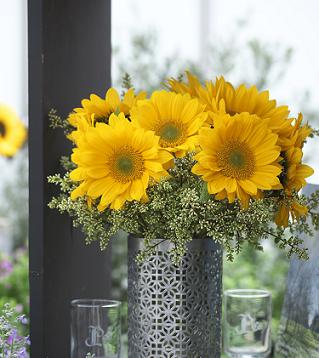
  • Pollinator Rating: ★★★★★
  • Cut Flower Rating: ★★★★★
  • Garden Impact Rating: ★★★★★
  • Color Diversity Rating: ★★★★★
  • Ease of Growing: ★★★★★
  Package of 10 seeds $2.95
  Package of 50 seeds $5.95
Sunrich Orange Sun Flower.
IP270 Sunrich Orange

Sunrich Orange Sunflower is a professional-quality sunflower prized for its brilliant orange petals, strong stems, and exceptional uniformity. Developed specifically for the cut flower industry, this pollen-free variety produces stunning blooms with rich orange coloring surrounding a dark central disk. Its vibrant appearance, dependable performance, and long vase life have made Sunrich Orange a favorite among commercial flower growers, market gardeners, and home gardeners alike.

Garden Uses: Sunrich Orange Sunflower is ideal for cutting gardens, market flower production, cottage gardens, borders, and seasonal displays. Its vivid orange blooms create striking color contrasts when planted alongside traditional yellow sunflowers, deep red varieties, and ornamental grasses. The uniform plants make beautiful mass plantings and provide a continuous supply of fresh-cut flowers during the summer season.

Growing Information: Sow seeds directly outdoors after danger of frost has passed and soil temperatures have warmed. Plant seeds approximately 1 inch deep in fertile, well-drained soil. Choose a location with full sun exposure for maximum flower production. Space plants 6 to 12 inches apart when grown for cut flowers or slightly farther apart for landscape use. Regular watering and fertile soil encourage strong stems and large blooms. Successive sowings every two weeks can provide continuous flowers throughout the growing season.

Pollinator Value: Because Sunrich Orange is a pollen-free sunflower, it produces less pollen than traditional varieties. However, the flowers may still attract some pollinators seeking nectar and contribute visual beauty to pollinator-friendly landscapes. Gardeners primarily grow this variety for its ornamental value and exceptional cut flower qualities rather than wildlife benefits.

Historical Significance: The Sunrich series was developed to meet the demands of professional flower growers seeking uniform plants, reliable flowering, and clean, pollen-free blooms. These innovations revolutionized sunflower production for the floral industry, allowing sunflowers to become one of the most popular commercial cut flowers worldwide. Sunrich Orange remains one of the flagship colors in this highly successful series.

Interesting Facts: Pollen-free sunflowers were developed specifically for the cut flower trade because they do not shed pollen onto furniture, clothing, table linens, or floral arrangements. Sunrich Orange is often selected by florists because its bright color photographs beautifully and holds well in arrangements. The flowers typically face the same direction, making them especially attractive when grown in rows for commercial production.

Seedman Notes: Sunrich Orange is one of the finest cut flower sunflowers available. Customers appreciate its dependable bloom quality, vivid orange coloration, and professional appearance. It is an excellent choice for gardeners who enjoy cutting flowers for indoor arrangements, roadside markets, or flower stands. For maximum flower production, consider planting multiple sowings throughout the season.

Quick Facts:

  • Botanical Name: Helianthus annuus
  • Common Name: Sunrich Orange Sunflower
  • Plant Type: Annual
  • Sun Exposure: Full sun
  • Height: 4 to 6 feet
  • Spread: 12 to 18 inches
  • Bloom Color: Rich orange with dark center
  • Flower Size: 4 to 6 inches across
  • Bloom Season: Summer
  • Growth Habit: Upright, single stem
  • Special Feature: Pollen-free blooms
  • Best Uses: Cut flowers, market production, borders, mass plantings
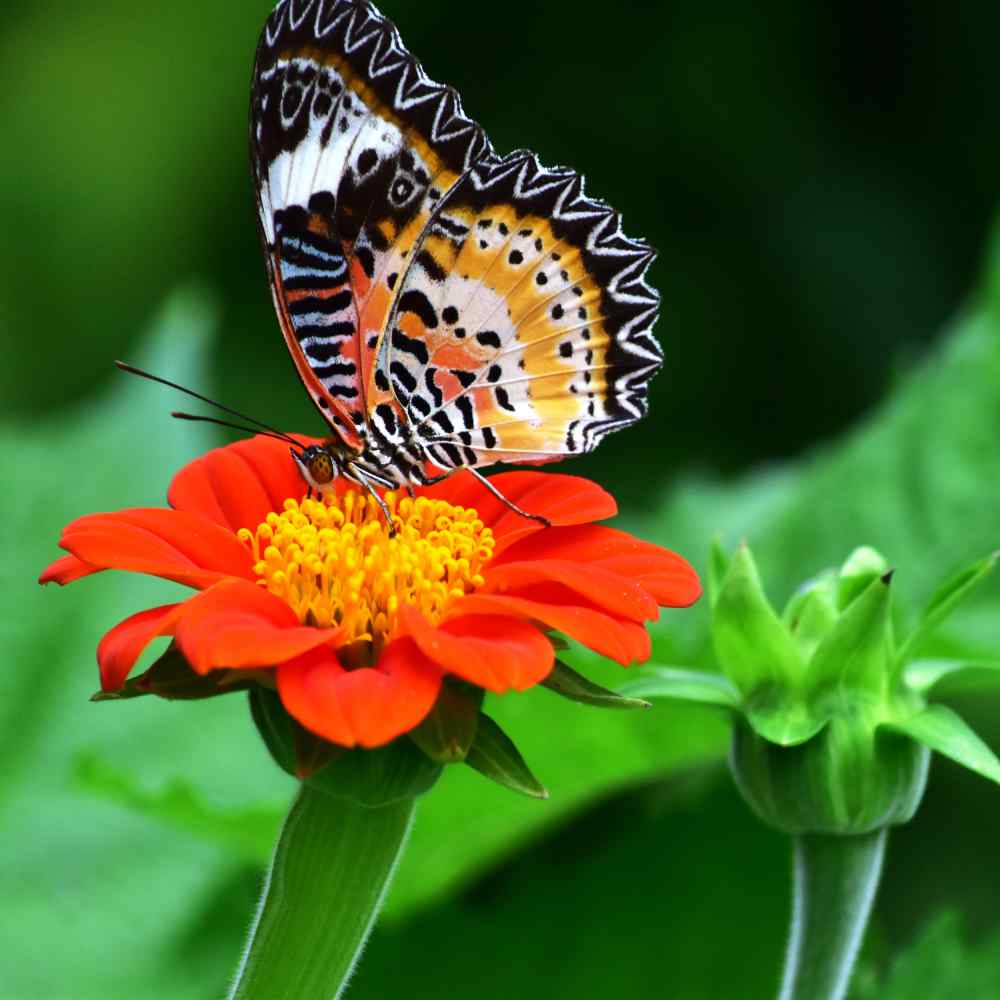
  • Cut Flower Rating: ★★★★★
  • Uniformity Rating: ★★★★★
  • Color Impact Rating: ★★★★★
  • Florist Favorite Rating: ★★★★★
  • Ease of Growing: ★★★★★
  Package of 10 seeds $2.95
Sunrich Gold Sun Flower.
JB280 Sunrich Gold Summer

Sunrich Gold Summer Sunflower is a premium pollen-free sunflower developed for outstanding cut flower production and dependable garden performance. Featuring brilliant golden-yellow petals surrounding a rich dark center, this variety produces uniform blooms on sturdy stems that are highly prized by florists and market growers. Its vibrant color, excellent vase life, and professional appearance make Sunrich Gold Summer one of the most popular members of the renowned Sunrich sunflower series.

Garden Uses: Sunrich Gold Summer is ideal for cutting gardens, flower farms, roadside market production, cottage gardens, borders, and mass plantings. The bright golden blooms provide a classic sunflower look that complements virtually any summer garden design. Its uniform growth habit makes it particularly valuable for gardeners growing flowers specifically for bouquets and floral arrangements.

Growing Information: Sow seeds directly outdoors after danger of frost has passed and soil temperatures have warmed. Plant seeds approximately 1 inch deep in fertile, well-drained soil. Select a site with full sun exposure for the strongest stems and best flower quality. Space plants 6 to 12 inches apart for cut flower production or slightly farther apart for landscape use. Regular watering and fertile soil will encourage vigorous growth and larger blooms. Successive sowings every two to three weeks can extend the harvest season.

Pollinator Value: As a pollen-free sunflower, Sunrich Gold Summer produces significantly less pollen than traditional sunflower varieties. While some pollinators may still visit the flowers for nectar, this variety is grown primarily for ornamental and cut flower purposes. Gardeners seeking maximum pollinator benefits may wish to plant traditional pollen-producing sunflowers nearby.

Historical Significance: The development of the Sunrich series represented a major advancement in sunflower breeding. Professional growers sought varieties that offered uniform flowering, strong stems, pollen-free blooms, and excellent shipping qualities. The resulting Sunrich varieties became some of the most widely grown cut flower sunflowers in the world, helping establish sunflowers as a staple of the commercial floral industry.

Interesting Facts: Pollen-free sunflowers were specifically developed to solve one of the biggest challenges in floral design—pollen shedding. Traditional sunflower pollen can stain clothing, furniture, and table linens, while Sunrich Gold Summer remains clean and attractive in arrangements. Its blooms often last longer indoors because they do not expend energy producing large amounts of pollen.

Seedman Notes: Sunrich Gold Summer is an outstanding choice for gardeners who enjoy bringing fresh flowers indoors. Its professional-quality blooms, strong stems, and exceptional uniformity make it a favorite among both commercial growers and home gardeners. Customers appreciate its reliability, classic sunflower appearance, and excellent performance as a cut flower. Plant multiple sowings throughout the season for a continuous harvest of golden blooms.

Quick Facts:

  • Botanical Name: Helianthus annuus
  • Common Name: Sunrich Gold Summer Sunflower
  • Plant Type: Annual
  • Sun Exposure: Full sun
  • Height: 4 to 6 feet
  • Spread: 12 to 18 inches
  • Bloom Color: Bright golden yellow with dark center
  • Flower Size: 4 to 6 inches across
  • Bloom Season: Summer
  • Growth Habit: Upright, single stem
  • Special Feature: Pollen-free blooms
  • Best Uses: Cut flowers, market production, borders, mass plantings
  • Cut Flower Rating: ★★★★★
  • Uniformity Rating: ★★★★★
  • Florist Favorite Rating: ★★★★★
  • Garden Performance Rating: ★★★★★
  • Ease of Growing: ★★★★★
  Package of 10 seeds $2.95
  Package of 50 seeds $6.95
Sunrich Provence Summer Sun Flower.
LET542 Sunrich Provence Summer

Sunrich Provence Summer Sunflower is a premium cut flower sunflower admired for its warm golden-orange petals, rich dark center, and professional-quality bloom form. Part of the highly regarded Sunrich series, this variety was developed for uniform growth, strong stems, pollen-free flowers, and excellent vase life. Its glowing summer color gives bouquets and garden plantings a warm, cheerful appearance while maintaining the clean, florist-quality performance that makes Sunrich sunflowers so popular.

Garden Uses: Sunrich Provence Summer Sunflower is ideal for cutting gardens, flower farms, market bouquets, cottage gardens, borders, and summer floral displays. The warm golden-orange blooms pair beautifully with zinnias, celosia, cosmos, ornamental grasses, and darker sunflower varieties. Its uniform stems and clean flowers make it especially valuable for fresh arrangements and roadside flower sales.

Growing Information: Sow seeds directly outdoors after all danger of frost has passed and the soil has warmed. Plant seeds approximately 1 inch deep in fertile, well-drained soil. Choose a full sun location for the strongest stems and best flower quality. Space plants 6 to 12 inches apart for cut flower production or slightly farther apart for garden display. Provide regular moisture during active growth. Successive sowings every two to three weeks can extend the harvest season and provide a steady supply of blooms.

Pollinator Value: Sunrich Provence Summer is a pollen-free sunflower, so it provides less pollen than traditional sunflower varieties. Some pollinators may still visit the blooms, but this variety is grown primarily for clean cut flowers and ornamental display. For maximum pollinator support, plant it alongside pollen-producing sunflowers and other nectar-rich annuals.

Historical Significance: The Sunrich series helped transform sunflowers into one of the world's most important professional cut flowers. Breeders selected for uniformity, strong stems, quick flowering, pollen-free blooms, and reliable vase life. Sunrich Provence Summer continues that tradition by offering the warm, richly colored flowers favored by florists and bouquet growers.

Interesting Facts: Pollen-free sunflowers are especially useful indoors because they do not shed yellow pollen onto tablecloths, furniture, or clothing. Sunrich Provence Summer has the classic sunflower shape but with refined florist-quality characteristics. Its warm tones make it particularly useful in summer and early autumn arrangements.

Seedman Notes: Sunrich Provence Summer is an excellent choice for customers who want professional-looking sunflowers for cutting. Its clean blooms, strong stems, and attractive golden-orange coloring make it dependable for bouquets and garden display. For best results, plant in succession and harvest when petals are beginning to open for longest vase life.

Quick Facts:

  • Botanical Name: Helianthus annuus
  • Common Name: Sunrich Provence Summer Sunflower
  • Plant Type: Annual
  • Sun Exposure: Full sun
  • Height: 4 to 6 feet
  • Spread: 12 to 18 inches
  • Bloom Color: Golden-orange with dark center
  • Flower Size: 4 to 6 inches across
  • Bloom Season: Summer
  • Growth Habit: Upright, single stem
  • Special Feature: Pollen-free blooms
  • Best Uses: Cut flowers, bouquets, market production, borders
  • Cut Flower Rating: ★★★★★
  • Uniformity Rating: ★★★★★
  • Florist Favorite Rating: ★★★★★
  • Color Impact Rating: ★★★★★
  • Ease of Growing: ★★★★★
  Package of 10 seeds $2.95
  Package of 50 seeds $6.95
Red Mexican Torch Sun Flower.
LET263 Red Mexican Torch Sunflower ( Tithonia Speciosa )

Red Mexican Torch Sunflower is a spectacular heat-loving annual grown for its brilliant scarlet-red to fiery orange-red blooms and exceptional ability to attract butterflies. Despite its common name, this plant is actually a species of Tithonia rather than a true sunflower. The vivid flowers appear atop tall, sturdy stems and seem to glow in the summer sunlight, creating one of the most dramatic displays available for hot-weather gardens. Its tropical appearance and nonstop flowering make it a favorite among pollinator enthusiasts and gardeners seeking bold seasonal color.

Garden Uses: Red Mexican Torch Sunflower is ideal for butterfly gardens, pollinator plantings, cottage gardens, cutting gardens, wildlife landscapes, and back-border displays. The vibrant flowers create striking combinations with zinnias, cosmos, salvias, ornamental grasses, and traditional sunflowers. Its tall growth habit makes it especially useful as a seasonal screen or dramatic background planting.

Growing Information: Sow seeds outdoors after all danger of frost has passed and the soil has warmed thoroughly. Seeds may also be started indoors several weeks before transplanting. Plant in full sun and well-drained soil. Once established, Red Mexican Torch Sunflower is remarkably tolerant of heat, drought, and poor soils. Space plants 18 to 24 inches apart to allow for proper airflow and branching. Avoid excessive fertilization, which can encourage foliage growth at the expense of flowers.

Pollinator Value: Few annual flowers can match the pollinator appeal of Red Mexican Torch Sunflower. The nectar-rich blooms attract monarchs, swallowtails, painted ladies, fritillaries, hummingbirds, honeybees, native bees, and numerous beneficial insects throughout the growing season. Many butterfly gardeners consider Tithonia among the very best nectar plants available.

Historical Significance: Native to Mexico and Central America, Tithonia has long been admired for its brilliant flowers and ability to thrive in hot climates. The plant was introduced to gardens around the world as an ornamental and quickly became popular because of its intense color, drought tolerance, and exceptional butterfly attraction. Today it remains one of the most widely recommended annuals for pollinator gardens.

Interesting Facts: The flowers of Red Mexican Torch Sunflower are often described as looking like glowing embers or miniature flames. Butterflies frequently visit the blooms in such numbers that the plants can become living butterfly magnets during peak flowering season. In warm climates, a single plant may produce dozens or even hundreds of flowers over the course of a summer.

Seedman Notes: Red Mexican Torch Sunflower is one of our favorite recommendations for customers wanting maximum butterfly activity in the garden. Its combination of brilliant color, heat tolerance, and nonstop flowering makes it an outstanding performer even during the hottest parts of summer. Plant several together for a truly breathtaking display of color and pollinator activity.

Quick Facts:

  • Botanical Name: Tithonia speciosa
  • Common Name: Red Mexican Torch Sunflower
  • Plant Type: Annual
  • Sun Exposure: Full sun
  • Height: 4 to 8 feet
  • Spread: 2 to 4 feet
  • Bloom Color: Scarlet-red to fiery orange-red
  • Flower Size: 3 to 5 inches across
  • Bloom Season: Mid-summer through frost
  • Growth Habit: Tall, branching, upright
  • Best Uses: Butterfly gardens, pollinator gardens, borders, wildlife plantings
  • Butterfly Attraction: ★★★★★
  • Pollinator Rating: ★★★★★
  • Heat Tolerance: ★★★★★
  • Garden Impact Rating: ★★★★★
  • Ease of Growing: ★★★★★
 325mg Package ( about 25 seeds ) $2.95
Mexican Torch Sun Flower.
LET264 Mexican Torch Sunflower Goldfinger ( Tithonia Speciosa )

Mexican Torch Sunflower Goldfinger is a spectacular selection of Tithonia prized for its brilliant golden-orange blooms, vigorous growth, and extraordinary ability to attract butterflies and pollinators. The large daisy-like flowers seem to glow in the summer sun, producing a display of fiery color that lasts from midsummer until frost. Goldfinger combines the rugged heat tolerance of its Mexican heritage with nonstop flowering, making it one of the most dependable annuals for hot, sunny gardens.

Garden Uses: Goldfinger is ideal for butterfly gardens, pollinator plantings, cottage gardens, wildlife habitats, cutting gardens, and back-border displays. Its bright golden-orange flowers blend beautifully with zinnias, cosmos, salvias, celosia, ornamental grasses, and traditional sunflowers. The tall plants create an impressive backdrop while providing months of vibrant color.

Growing Information: Sow seeds directly outdoors after all danger of frost has passed and soil temperatures have warmed. Seeds may also be started indoors several weeks before transplanting. Plant in full sun and well-drained soil. Once established, Goldfinger thrives in hot weather and tolerates drought remarkably well. Space plants 18 to 24 inches apart to allow for branching and airflow. Avoid overly rich soils, as excessive fertility may encourage foliage growth at the expense of flowers.

Pollinator Value: Goldfinger is considered one of the finest annual flowers for attracting butterflies. Monarchs, swallowtails, painted ladies, fritillaries, and numerous other butterfly species flock to its nectar-rich blooms. Honeybees, native bees, hummingbirds, and beneficial insects also visit regularly, making it an outstanding addition to pollinator-friendly landscapes.

Historical Significance: Tithonia is native to Mexico and Central America, where it has long flourished in warm, sunny environments. Introduced into ornamental gardening because of its brilliant flowers and exceptional drought tolerance, it quickly became a favorite among gardeners worldwide. Goldfinger represents one of the finest golden-flowered selections, combining ornamental beauty with exceptional garden performance.

Interesting Facts: Goldfinger often produces flowers continuously until frost, even during periods of intense summer heat. The blooms can appear almost fluorescent in bright sunlight, creating a glowing effect that is visible from considerable distances. Many butterfly gardeners rank Tithonia among the top annual nectar plants available, often rivaling butterfly bush and lantana for visitor activity.

Seedman Notes: Goldfinger is one of our favorite recommendations for gardeners who want maximum color and pollinator activity with minimal maintenance. It thrives where many other annuals struggle and rewards gardeners with months of brilliant blooms. Plant several together to create a stunning wall of golden-orange flowers and a constant parade of butterflies throughout the season.

Quick Facts:

  • Botanical Name: Tithonia speciosa
  • Common Name: Mexican Torch Sunflower Goldfinger
  • Plant Type: Annual
  • Sun Exposure: Full sun
  • Height: 4 to 6 feet
  • Spread: 2 to 4 feet
  • Bloom Color: Brilliant golden-orange
  • Flower Size: 3 to 5 inches across
  • Bloom Season: Mid-summer through frost
  • Growth Habit: Tall, branching, upright
  • Best Uses: Butterfly gardens, pollinator gardens, borders, wildlife habitats
  • Butterfly Attraction: ★★★★★
  • Pollinator Rating: ★★★★★
  • Heat Tolerance: ★★★★★
  • Garden Impact Rating: ★★★★★
  • Drought Tolerance: ★★★★★
 300mg Package ( about 25 seeds ) $2.95


Jim's Plant Growth Stimulator

Please note that this is not a plant food or fertilize, this is a combination of natural ingredients intended to improve plant growth.
Many greenhouse growers and commercial farms use a combination of these ingredients in their growing process. We have been using this formula in our gardens, fields and greenhouses since 1992, and we use it on everything we grow. We would not make this available to our customers if we did not firmly believe that it does enhance the growth and health of plants that it is applied to.
To see the results for yourself, we advise using it on some plants and not on others and see the difference.

Note: We only ship this product to addresses inside the USA. The following ingredients are used in making Jim's Plant Growth Stimulator:

Gibberellic Acid

Gibberellic Acid is a member of a type of plant hormone called Gibberellins, which regulate the growth rate of plants. It was first discovered in Japan, in 1935 as a result of the study of a condition common in rice plants called "foolish seedling" disease, which caused the plants to grow much taller than normal. The effects of gibberellins weren't widely understood until years later.
Gibberellic Acid is EPA approved, and is commercially used to grow most fruits and vegetables we eat.

B1 Vitamins and Plant Hormones

We add a blend of plant vitamins and hormones to stimulate plant growth and allow the plant to absorb food from the soil quicker and also assimilate micronutrients that they may not normally be able to absorb due to various soil conditions.

Micronutrients

All plants benefit from micronutrients, so we've added a humic acid base with Boron (B), Copper (Cu), Iron (Fe), Manganese (Mn), Molybdenum (Mo), Sulfur (S) and Zinc (Zn) in our solution.

Other ingredients

We also add a natural detergent additive that causes the sprayed on solution to "stick" to the plant leaves until the solution is absorbed by the plant, this detergent also discourages insects from feeding on the leaves for a short time after the solution is applied.

Each 8 ounce bottle of JPG01 Plant Growth Stimulator makes 16 gallons spray-on solution, you can also use a drench and pour it around the base of the plant if you prefer. The bottle comes with a 1/2 ounce measuring spoon, simply mix a half ounce of plant growth stimulator with a gallon of water and spray onto the plants, or drench the soil around the plant. :

Spray plants weekly, best to apply in early morning/late evening. Start spraying when plants are young. Can be sprayed onto vegetable plants upto harvest. Mix 1/2 ounce stimulator with one gallon of water.
JPG01 Plant Growth Stimulator
  $15.95

All seed packets listed on this page are in stock and ready to ship.