
Sweet Cicely Seeds
Sweet cicely (Myrrhis odorata) is an underrated plant deserving of more attention as a culinary herb and as a sugar saver. The sweet, anise-flavoured leaves and stalks are used as a sweetener in desserts, saving as much as half the sugar. Because it has no calories, sweet cicely is a good alternative in sugarreduced diets. Sweet cicely is tolerated well by diabetics.
Also known as Myrhh, this is grown in the garden both as an herb and flowering perennial. Foliage is bright green and almost fernlike in appearance, with a strong flavor and smell of sweet licorice. Large umbels of tiny white flowers appear in early summer, followed by shiny black seeds. Prune back hard after flowering to rejuvenate the leaves. Excellent for specimen effect in the June border.
Rodents love to eat the seeds, so protect seeds by laying a 1/4" mesh wire screen over the seeded area. Cover the screen with a mulch and leave on until early spring. before germination begins.
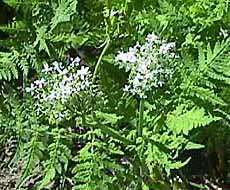
Sweet Cicely is a beautiful and fragrant perennial herb treasured for its fern-like foliage, delicate white flowers, and naturally sweet, anise-like flavor. Native to the mountainous regions of Europe, this graceful plant has been cultivated for centuries as both a culinary herb and an ornamental garden favorite.
The finely divided, lacy foliage creates an elegant appearance in containers and herb gardens, while clusters of small white flowers attract bees, butterflies, and other beneficial pollinators. Every part of the plant carries a pleasant sweet aroma reminiscent of licorice or anise.
Its attractive appearance and versatility make Sweet Cicely one of the most rewarding herbs for gardeners seeking both beauty and usefulness.
Uses- Fresh leaves may be used to flavor fruit dishes, salads, and desserts.
- Popular ingredient in herbal teas and refreshing beverages.
- Sweet flavor can reduce the need for added sugar in recipes.
- Decorative foliage adds texture to herb gardens and containers.
- Flowers attract bees, butterflies, and beneficial pollinators.
- Excellent addition to cottage gardens and edible landscapes.
Sweet Cicely grows well in large containers where its attractive foliage can be fully appreciated. Choose a container at least 12–16 inches wide and deep with good drainage. Use a rich, moisture-retentive potting mix that remains evenly moist without becoming waterlogged.
Unlike many culinary herbs, Sweet Cicely prefers partial shade, especially in warmer climates. Morning sun with afternoon shade often produces the healthiest plants and best foliage quality.
Regular watering helps maintain vigorous growth and keeps leaves tender and flavorful throughout the growing season.
Germination Instructions- Sow seeds outdoors in autumn or refrigerate for 4–6 weeks before spring sowing.
- Plant seeds about 1/4 inch deep in moist soil.
- Cold stratification improves germination success.
- Keep soil evenly moist during germination.
- Germination may occur slowly and irregularly.
- Provide bright light once seedlings emerge.
- Botanical Name: Myrrhis odorata
- Common Name: Sweet Cicely
- Plant Type: Perennial Herb
- Height: 24–48 inches
- Spread: 24–36 inches
- Sun Exposure: Partial Shade to Full Sun in cool climates
- Water Requirements: Moderate
- Soil: Rich, fertile, moisture-retentive soil
- USDA Zones: 3–7
- Container Size: 12–16 inches minimum diameter
Harvest young leaves throughout the growing season as needed. The tender foliage offers the mildest flavor and is excellent when used fresh. Flowers may also be harvested for decorative culinary uses.
Regular harvesting encourages fresh growth and helps maintain an attractive, compact plant. Seeds can be collected once mature and are also known for their sweet flavor.
Why Grow Sweet Cicely?Sweet Cicely offers a rare combination of ornamental beauty, sweet fragrance, pollinator appeal, and culinary usefulness. Its elegant fern-like foliage, delicate white flower clusters, and naturally sweet flavor make it a standout addition to herb gardens and patio containers. Easy to grow and highly attractive, Sweet Cicely brings charm and versatility to any garden setting.

Contact Us | Privacy Policy | About Us
| Returns
Serving gardeners since 1992
State of Mississippi Seedmen's Permit #C-391, Ohio 90152, Minnesota 20086777