
Tarragon Seeds
This perennial thrives in hot, barren soils and grows about anywhere. It is native to northwestern United States, Russia and Asia, and it is closely related to sagebrush. It is both a medicinal herb as well as a popular culinary herb. Tarragon plants can reach 60 inches in height, and they have thin, blade-like leaves that are wonderfully aromatic with a sweet anise-like flavor.
Transplant the young herb plants outdoors after temperatures warm up.
Plants prefer sunshine and sharply draining soils that are sandy or rocky.
Once established, plants require little care. Keep the soil on the dry side. Harvest the leaves and flowers throughout the summer. Dry or freeze for long-term use.
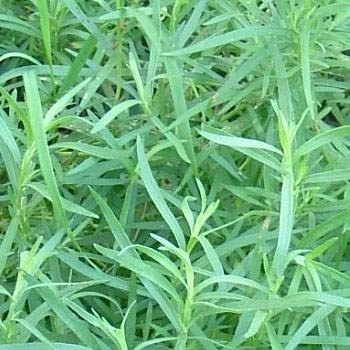
Russian Tarragon is a hardy, easy-to-grow perennial herb valued for its attractive narrow foliage, pleasant aroma, and adaptability to a wide range of growing conditions. While milder in flavor than French Tarragon, Russian Tarragon is more vigorous, more tolerant of heat and cold, and can be easily grown from seed, making it a popular choice for herb gardeners.
The plant forms an upright clump of slender green leaves that add texture and beauty to herb gardens, containers, and edible landscapes. Its resilience and long growing season make it an excellent herb for beginners and experienced gardeners alike.
Russian Tarragon provides attractive foliage throughout the season and serves as a useful culinary herb while also contributing ornamental value to the garden.
Uses- Fresh leaves may be used to season salads, vegetables, poultry, and fish dishes.
- Useful in herb vinegars and herbal blends.
- Attractive foliage adds texture to herb gardens and containers.
- Excellent for edible landscaping and kitchen gardens.
- Can be harvested repeatedly throughout the growing season.
- Hardy perennial that returns year after year in suitable climates.
Russian Tarragon performs very well in containers. Select a pot at least 12–14 inches wide with excellent drainage. Use a well-draining potting mix and place the container in a location receiving at least 6 hours of direct sunlight daily.
Allow the soil surface to dry slightly between waterings. Once established, Russian Tarragon is relatively drought tolerant and prefers moderately dry conditions rather than constantly wet soil.
Regular trimming helps maintain a bushy, attractive plant and encourages fresh new growth throughout the growing season.
Germination Instructions- Sow seeds on the surface of moist seed-starting mix.
- Press seeds lightly into the soil but do not cover deeply.
- Light aids germination.
- Maintain temperatures of 65–75°F (18–24°C).
- Keep soil evenly moist until germination occurs.
- Seeds typically germinate in 10–21 days.
- Provide bright light after seedlings emerge.
- Botanical Name: Artemisia dracunculus
- Common Name: Russian Tarragon
- Plant Type: Perennial Herb
- Height: 24–48 inches
- Spread: 18–30 inches
- Sun Exposure: Full Sun
- Water Requirements: Low to Moderate
- Soil: Well-draining, moderately fertile soil
- USDA Zones: 4–8
- Container Size: 12–14 inches minimum diameter
Begin harvesting leaves once plants are well established and producing vigorous growth. Cut stems as needed throughout the season, leaving enough foliage to support continued growth.
Leaves may be used fresh or dried. For the best flavor, harvest before flowering and dry stems in a warm, well-ventilated location away from direct sunlight.
Why Grow Russian Tarragon?Russian Tarragon offers gardeners an easy-care perennial herb that combines attractive foliage, culinary usefulness, and exceptional hardiness. Its adaptability to containers, drought tolerance, and long harvest season make it an excellent choice for herb gardens, patio plantings, and edible landscapes. Whether grown for seasoning, ornamental value, or simply as a reliable garden herb, Russian Tarragon is a rewarding addition to any sunny garden.
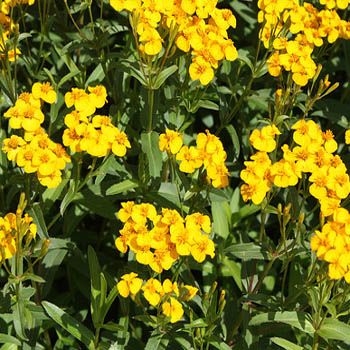
Winter Tarragon, also known as Mexican Tarragon, Sweet Mace, or Texas Tarragon, is a highly aromatic herb treasured for its pleasant anise-like flavor and its ability to thrive in hot climates where traditional French Tarragon often struggles. This attractive perennial produces glossy green foliage and cheerful golden-yellow flowers that brighten the garden from late summer into fall.
Native to Mexico and Central America, Winter Tarragon has long been cultivated for culinary use, ornamental value, and pollinator appeal. Its sweet licorice fragrance and reliable garden performance make it an excellent choice for herb gardens, patio containers, and edible landscapes.
Easy to grow and highly productive, Winter Tarragon offers gardeners a flavorful alternative to traditional tarragon while adding beauty to the garden.
Uses- Leaves provide a sweet anise-like flavor similar to French Tarragon.
- Excellent for flavoring poultry, fish, vegetables, sauces, and vinegars.
- Popular ingredient in herbal teas and refreshing beverages.
- Bright yellow flowers attract bees, butterflies, and beneficial insects.
- Beautiful ornamental plant for herb gardens and containers.
- Useful in edible landscapes and pollinator gardens.
Winter Tarragon grows exceptionally well in containers. Choose a pot at least 12 inches wide with good drainage and fill it with a quality, well-draining potting mix.
Place containers in full sun for best growth and flowering. Water regularly during active growth, allowing the soil surface to dry slightly between waterings. Once established, plants are moderately drought tolerant but perform best with consistent moisture.
Regular harvesting helps maintain a compact, bushy plant and encourages fresh new growth throughout the season.
Germination Instructions- Sow seeds on the surface of moist seed-starting mix.
- Cover lightly with a thin layer of fine soil or vermiculite.
- Maintain temperatures of 70–80°F (21–27°C).
- Keep soil evenly moist during germination.
- Seeds typically germinate in 7–14 days.
- Provide bright light once seedlings emerge.
- Transplant after seedlings develop several true leaves.
- Botanical Name: Tagetes lucida
- Common Name: Winter Tarragon, Mexican Tarragon
- Plant Type: Tender Perennial Herb
- Height: 24–36 inches
- Spread: 18–24 inches
- Sun Exposure: Full Sun
- Water Requirements: Moderate
- Soil: Well-draining soil
- USDA Zones: 8–11
- Container Size: 12 inches minimum diameter
Harvest leaves and tender stems throughout the growing season as needed. The foliage may be used fresh or dried for later use. For maximum flavor, harvest before the plant reaches full bloom.
The bright flowers can also be enjoyed in the garden and help attract beneficial pollinators during late-season bloom periods.
Why Grow Winter Tarragon?Winter Tarragon is an outstanding herb for gardeners who live in warm climates or who want an easy-to-grow alternative to French Tarragon. Its sweet anise flavor, attractive foliage, bright yellow flowers, and excellent container performance make it both beautiful and useful. Whether grown for culinary purposes, pollinator support, or ornamental appeal, Winter Tarragon is a rewarding addition to any herb garden.

Contact Us | Privacy Policy | About Us
Serving gardeners since 1992
State of Mississippi Seedmen's Permit #C-391, Ohio 90152, Minnesota 20086777