
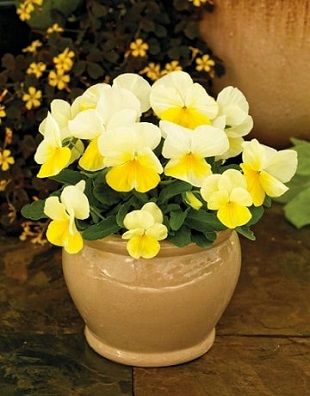
ColorMax Lemon Splash Pansy is a cheerful cool-season annual featuring large blooms in soft lemon yellow accented with dramatic purple and lavender splashes radiating from the flower's center. Each blossom has its own unique pattern, creating an artistic, watercolor-like display across the planting. Bred for vigorous growth, outstanding branching, and excellent weather tolerance, the ColorMax series produces abundant blooms from fall through spring in mild climates, or from early spring into early summer in cooler regions.
Garden Uses:
Ideal for containers, hanging baskets, window boxes, borders, edging, cottage gardens, entryway planters, and mass plantings. ColorMax Lemon Splash pairs beautifully with violas, ornamental kale, dusty miller, sweet alyssum, dianthus, snapdragons, flowering cabbage, and spring-flowering bulbs. Its bright yellow tones add warmth to cool-season displays while the purple markings provide striking contrast.
Growing Information:
Start seeds indoors 10–12 weeks before transplanting or sow outdoors in late summer or early spring where climates permit. Cover seed lightly and keep the soil consistently moist during germination. Grow in full sun during cool weather or provide afternoon shade in warmer regions. Plants thrive in fertile, well-drained soil rich in organic matter and benefit from regular watering. Deadheading spent blooms encourages continuous flowering. Plants typically grow 8–10 inches tall and spread 8–12 inches.
Quick Facts:
Type: Cool-Season Annual
Botanical Name: Viola × wittrockiana
Common Name: ColorMax Lemon Splash Pansy
Height: 8–10 Inches
Spread: 8–12 Inches
Light: Full Sun to Partial Shade
Bloom Time: Fall through Spring in Mild Climates; Spring to Early Summer in Cooler Areas
Flower Color: Soft Lemon Yellow with Purple-Lavender Splash Pattern
Soil: Fertile, Well-Drained
Water: Moderate
Uses: Containers, Borders, Window Boxes, Cottage Gardens, Edging, Mass Plantings
Attracts: Bees & Other Early Pollinators
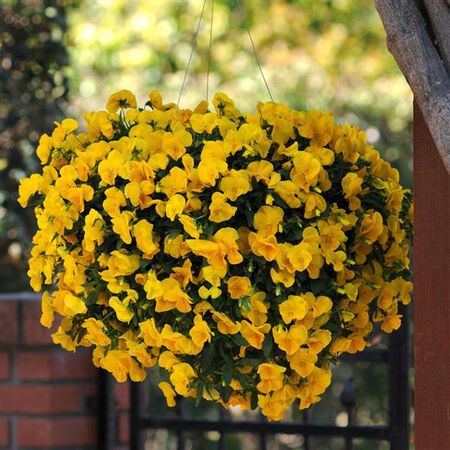
Cool Wave Golden Yellow F1 Pansy is a vigorous trailing pansy that produces masses of cheerful golden-yellow flowers over an exceptionally spreading, cascading plant. Part of the award-winning Cool Wave series, this F1 hybrid combines outstanding cold tolerance with rapid spreading growth, making it ideal for hanging baskets, window boxes, containers, and landscape beds. The bright golden blooms continue flowering through the cool seasons, often blooming from fall through spring in mild climates or from early spring into summer in northern regions.
Garden Uses:
Perfect for hanging baskets, window boxes, patio containers, borders, raised beds, retaining walls, landscape beds, and as a colorful cool-season groundcover. Cool Wave Golden Yellow combines beautifully with purple violas, blue lobelia, white alyssum, ornamental kale, snapdragons, dianthus, flowering cabbage, and spring bulbs. Its trailing habit softens the edges of containers while creating bright carpets of color in the landscape.
Growing Information:
Start seeds indoors 10–12 weeks before transplanting or sow outdoors in late summer or early spring where climates permit. Cover seed lightly and maintain consistent moisture during germination. Grow in full sun during cool weather or provide afternoon shade in warmer climates. Plants prefer fertile, well-drained soil rich in organic matter. Regular watering and occasional deadheading encourage even heavier flowering, although the Cool Wave series naturally continues blooming with minimal maintenance. Plants typically grow 6–8 inches tall while spreading 24–30 inches or more.
Quick Facts:
Type: Cool-Season Annual
Botanical Name: Viola × wittrockiana
Common Name: Cool Wave Golden Yellow F1 Pansy
Height: 6–8 Inches
Spread: 24–30 Inches
Light: Full Sun to Partial Shade
Bloom Time: Fall through Spring in Mild Climates; Spring to Early Summer in Cooler Regions
Flower Color: Bright Golden Yellow
Soil: Fertile, Well-Drained
Water: Moderate
Uses: Hanging Baskets, Containers, Window Boxes, Groundcover, Borders, Landscape Beds
Attracts: Bees & Other Early Pollinators
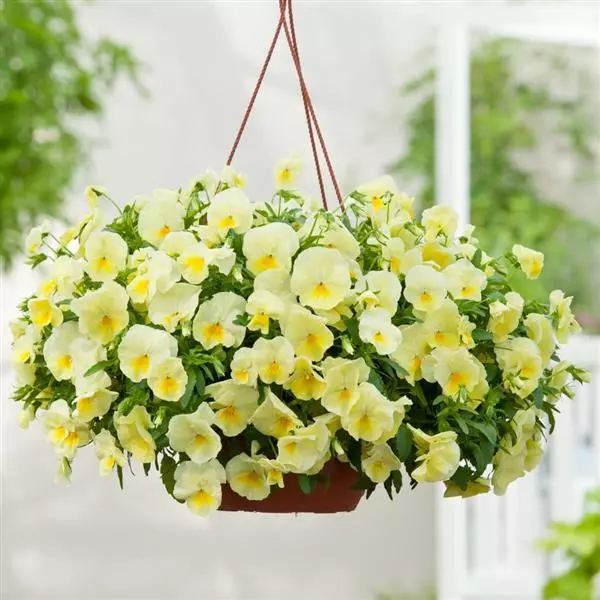
Cool Wave Lemon F1 Pansy is a vigorous trailing pansy that produces masses of cheerful soft lemon-yellow flowers over a spreading, cascading plant. The delicate pastel blooms brighten cool-season gardens with a fresh, sunny appearance while the award-winning Cool Wave growth habit quickly fills containers, hanging baskets, and landscape beds. This F1 hybrid is prized for its exceptional cold tolerance, rapid spreading habit, and remarkably long flowering season, often blooming from fall through spring in mild climates or from early spring into early summer in colder regions.
Garden Uses:
Outstanding for hanging baskets, window boxes, patio containers, raised beds, borders, retaining walls, groundcover plantings, and mass landscape displays. Cool Wave Lemon pairs beautifully with purple violas, blue lobelia, white alyssum, pink dianthus, ornamental kale, flowering cabbage, snapdragons, and spring bulbs. The soft yellow flowers blend easily with nearly every cool-season color palette.
Growing Information:
Start seeds indoors 10–12 weeks before transplanting or sow outdoors during late summer or early spring where conditions permit. Cover seed lightly and maintain even moisture during germination. Plant in full sun during cool weather or provide afternoon shade where spring temperatures warm quickly. Grow in fertile, well-drained soil enriched with organic matter. Regular watering and occasional deadheading encourage heavier flowering, although Cool Wave varieties naturally produce abundant blooms with minimal maintenance. Plants typically grow 6–8 inches tall while spreading 24–30 inches or more.
Quick Facts:
Type: Cool-Season Annual
Botanical Name: Viola × wittrockiana
Common Name: Cool Wave Lemon F1 Pansy
Height: 6–8 Inches
Spread: 24–30 Inches
Light: Full Sun to Partial Shade
Bloom Time: Fall through Spring in Mild Climates; Spring to Early Summer in Cooler Regions
Flower Color: Soft Lemon Yellow
Soil: Fertile, Well-Drained
Water: Moderate
Uses: Hanging Baskets, Containers, Window Boxes, Borders, Groundcover, Landscape Beds
Attracts: Bees & Other Early Pollinators
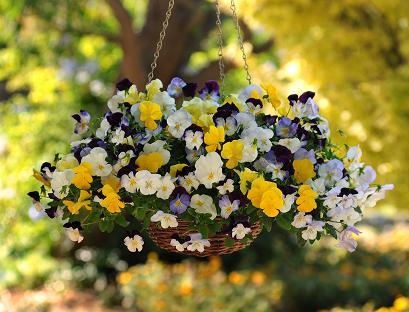
Cool Wave Mix F1 Pansy is an award-winning blend of vigorous trailing pansies that produces a spectacular carpet of large blooms in a wide range of brilliant colors. The mix includes shades of golden yellow, lemon, white, sky blue, violet, purple, rose, burgundy, and striking bi-colors, creating an ever-changing display throughout the cool growing season. Unlike traditional upright pansies, the Cool Wave series spreads rapidly and cascades gracefully from containers and hanging baskets while also serving as an outstanding flowering groundcover.
Garden Uses:
Perfect for hanging baskets, window boxes, patio containers, raised beds, borders, retaining walls, mass plantings, landscape beds, and cool-season groundcovers. Cool Wave Mix blends beautifully with ornamental kale, flowering cabbage, sweet alyssum, snapdragons, dianthus, violas, lobelia, and spring-flowering bulbs. Its trailing habit creates spectacular overflowing baskets and colorful landscape displays.
Growing Information:
Start seeds indoors 10–12 weeks before transplanting or sow outdoors during late summer or early spring where climates permit. Cover seeds lightly with soil and maintain consistent moisture throughout germination. Grow in full sun during cool weather or provide afternoon shade in warmer regions. Plants perform best in fertile, well-drained soil rich in organic matter. Water regularly and remove spent blooms occasionally to encourage maximum flowering, although the Cool Wave series naturally continues blooming with minimal maintenance. Plants generally reach 6–8 inches tall while spreading 24–30 inches or more.
Quick Facts:
Type: Cool-Season Annual
Botanical Name: Viola × wittrockiana
Common Name: Cool Wave Mix F1 Pansy
Height: 6–8 Inches
Spread: 24–30 Inches
Light: Full Sun to Partial Shade
Bloom Time: Fall through Spring in Mild Climates; Spring to Early Summer in Cooler Regions
Flower Colors: Yellow, Lemon, White, Blue, Purple, Violet, Rose, Burgundy & Bi-Color Mix
Soil: Fertile, Well-Drained
Water: Moderate
Uses: Hanging Baskets, Containers, Window Boxes, Borders, Groundcover, Landscape Beds
Attracts: Bees & Other Early Pollinators
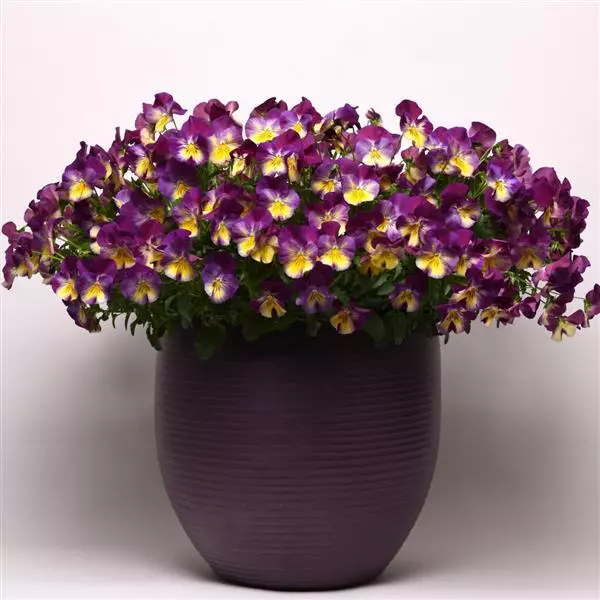
Cool Wave Raspberry Swirl F1 Pansy is a spectacular trailing pansy featuring large blossoms in creamy white brushed and swirled with rich raspberry-pink and deep rose tones. Each bloom displays its own unique watercolor-like pattern, creating an artistic display that changes across the planting. As part of the award-winning Cool Wave series, this F1 hybrid combines beautiful flower patterns with vigorous spreading growth, allowing plants to cascade gracefully from hanging baskets and containers or quickly carpet garden beds with months of colorful blooms.
Garden Uses:
Ideal for hanging baskets, window boxes, patio containers, raised beds, retaining walls, borders, landscape beds, and flowering groundcovers. Cool Wave Raspberry Swirl combines beautifully with white alyssum, blue lobelia, purple violas, ornamental kale, silver dusty miller, snapdragons, dianthus, and spring bulbs. The soft raspberry tones blend wonderfully with both pastel and vibrant cool-season plantings.
Growing Information:
Start seeds indoors 10–12 weeks before transplanting or sow outdoors during late summer or early spring where climates permit. Cover seeds lightly with soil and keep evenly moist during germination. Plant in full sun during cool weather or provide afternoon shade as temperatures begin to warm. Grow in fertile, well-drained soil enriched with organic matter. Water regularly and remove spent blooms occasionally to promote continuous flowering. Plants typically reach 6–8 inches tall while spreading 24–30 inches or more.
Quick Facts:
Type: Cool-Season Annual
Botanical Name: Viola × wittrockiana
Common Name: Cool Wave Raspberry Swirl F1 Pansy
Height: 6–8 Inches
Spread: 24–30 Inches
Light: Full Sun to Partial Shade
Bloom Time: Fall through Spring in Mild Climates; Spring to Early Summer in Cooler Regions
Flower Color: Creamy White with Raspberry Pink & Rose Swirls
Soil: Fertile, Well-Drained
Water: Moderate
Uses: Hanging Baskets, Containers, Window Boxes, Borders, Groundcover, Landscape Beds
Attracts: Bees & Other Early Pollinators
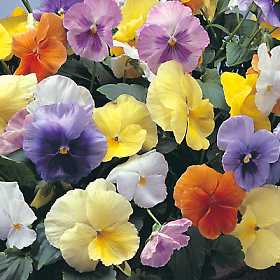
Swiss Giants Mix Pansy is a classic large-flowered pansy blend known for its bold blooms, rich colors, and traditional garden charm. This mix produces generous flowers in shades of yellow, gold, orange, white, lavender, purple, rose, blue, and bi-color combinations, many with attractive faces or blotches. Blooming during the cool seasons, Swiss Giants Mix brings bright color to containers, borders, and spring or fall beds when many other annuals are not at their peak.
Garden Uses:
Excellent for containers, patio pots, window boxes, edging, borders, cottage gardens, mass plantings, and cool-season bedding displays. Swiss Giants Mix pairs beautifully with violas, sweet alyssum, snapdragons, dianthus, ornamental kale, flowering cabbage, dusty miller, and spring bulbs. Its large flowers make it especially showy in decorative planters and front-of-border plantings.
Growing Information:
Start seeds indoors 10–12 weeks before transplanting or sow outdoors in late summer or early spring where conditions permit. Cover seeds lightly and keep the soil evenly moist during germination. Grow in full sun during cool weather or provide partial shade where temperatures warm quickly. Plants prefer fertile, well-drained soil rich in organic matter. Regular watering and removal of spent blooms encourage continued flowering. Plants typically grow 6–10 inches tall with a spread of 8–12 inches.
Quick Facts:
Type: Cool-Season Annual
Botanical Name: Viola × wittrockiana
Common Name: Swiss Giants Mix Pansy
Height: 6–10 Inches
Spread: 8–12 Inches
Light: Full Sun to Partial Shade
Bloom Time: Fall through Spring in Mild Climates; Spring to Early Summer in Cooler Regions
Flower Colors: Yellow, Gold, Orange, White, Lavender, Purple, Rose, Blue & Bi-Color Mix
Soil: Fertile, Well-Drained
Water: Moderate
Uses: Containers, Borders, Window Boxes, Edging, Cottage Gardens, Mass Plantings
Attracts: Bees & Other Early Pollinators
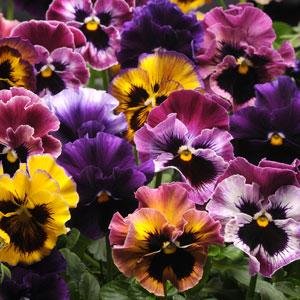
Fizzy Fruit Salad Mix Pansy is a lively cool-season annual blend filled with ruffled, frilled blooms in fruity shades of purple, plum, rose, pink, orange, yellow, lavender, and cream. Many flowers display dark faces, painted edges, and soft color washes, giving each plant a cheerful, old-fashioned yet playful appearance. This mix is especially attractive in containers and patio planters, where the colorful blooms can be appreciated up close throughout fall, winter, and spring in mild climates.
Garden Uses:
Excellent for containers, window boxes, patio pots, edging, borders, cottage gardens, entryway planters, and cool-season bedding displays. Fizzy Fruit Salad Mix pairs beautifully with sweet alyssum, violas, ornamental kale, flowering cabbage, snapdragons, dianthus, dusty miller, and spring bulbs. Its ruffled flowers add extra texture and charm to mixed plantings.
Growing Information:
Start seeds indoors 10–12 weeks before transplanting or sow outdoors in late summer or early spring where conditions permit. Cover seed lightly and keep evenly moist during germination. Grow in full sun during cool weather or provide partial shade where temperatures warm quickly. Plants prefer fertile, well-drained soil rich in organic matter. Water regularly and remove spent blooms to encourage continuous flowering. Plants typically grow 6–8 inches tall with a spread of 8–10 inches.
Quick Facts:
Type: Cool-Season Annual
Botanical Name: Viola × wittrockiana
Common Name: Fizzy Fruit Salad Mix Pansy
Height: 6–8 Inches
Spread: 8–10 Inches
Light: Full Sun to Partial Shade
Bloom Time: Fall through Spring in Mild Climates; Spring to Early Summer in Cooler Regions
Flower Colors: Purple, Plum, Rose, Pink, Orange, Yellow, Lavender, Cream & Mixed Faces
Soil: Fertile, Well-Drained
Water: Moderate
Uses: Containers, Borders, Window Boxes, Edging, Cottage Gardens, Patio Pots
Attracts: Bees & Other Early Pollinators
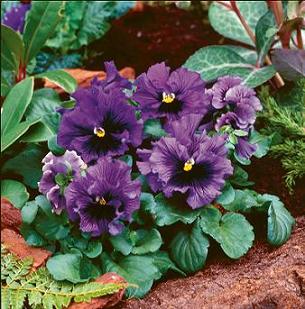
Fizzle Sizzle Blue Pansy is a stunning cool-season annual prized for its richly ruffled petals and deep blue to violet-blue blooms accented with dramatic dark blotches. The heavily frilled flower edges give each blossom an elegant, almost carnation-like appearance, setting it apart from traditional smooth-petaled pansies. Blooming generously through the cool months, Fizzle Sizzle Blue creates eye-catching displays in containers, borders, and garden beds while providing exceptional cold-weather performance.
Garden Uses:
Perfect for containers, patio pots, window boxes, borders, edging, cottage gardens, entryway planters, and cool-season landscape beds. Fizzle Sizzle Blue combines beautifully with white alyssum, yellow violas, silver dusty miller, pink dianthus, ornamental kale, flowering cabbage, snapdragons, and spring bulbs. The richly textured flowers add both color and dimension to mixed plantings.
Growing Information:
Start seeds indoors 10–12 weeks before transplanting or sow outdoors during late summer or early spring where climates permit. Cover seeds lightly with soil and maintain even moisture during germination. Grow in full sun during cool weather or provide afternoon shade where spring temperatures become warm. Plants thrive in fertile, well-drained soil enriched with organic matter. Water regularly and remove spent blooms to encourage continuous flowering. Mature plants typically grow 6–8 inches tall with an 8–10 inch spread.
Quick Facts:
Type: Cool-Season Annual
Botanical Name: Viola × wittrockiana
Common Name: Fizzle Sizzle Blue Pansy
Height: 6–8 Inches
Spread: 8–10 Inches
Light: Full Sun to Partial Shade
Bloom Time: Fall through Spring in Mild Climates; Spring to Early Summer in Cooler Regions
Flower Color: Deep Blue to Violet-Blue with Dark Face
Soil: Fertile, Well-Drained
Water: Moderate
Uses: Containers, Borders, Window Boxes, Cottage Gardens, Edging, Landscape Beds
Attracts: Bees & Other Early Pollinators
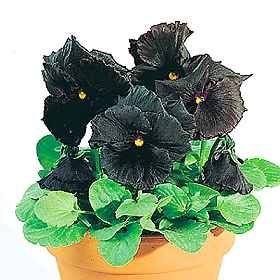
Black Prince Pansy is a dramatic heirloom variety celebrated for its velvety blooms in the deepest shades of purple, appearing almost black in cool weather or soft evening light. Each large flower is accented by a small golden eye that provides a striking contrast against the dark petals. This timeless favorite has been grown for generations and remains one of the finest dark-flowered pansies for adding elegance, depth, and sophistication to cool-season gardens.
Garden Uses:
Ideal for containers, patio pots, window boxes, borders, edging, cottage gardens, memorial gardens, formal landscapes, and mass plantings. Black Prince pairs beautifully with white alyssum, yellow pansies, silver dusty miller, ornamental kale, flowering cabbage, pink dianthus, blue forget-me-nots, and spring bulbs. Its nearly black flowers create stunning contrast with lighter-colored companions.
Growing Information:
Start seeds indoors 10–12 weeks before transplanting or sow outdoors during late summer or early spring where climates permit. Cover seeds lightly with soil and keep evenly moist during germination. Plant in full sun during cool weather or provide afternoon shade where temperatures rise quickly. Grow in fertile, well-drained soil enriched with organic matter. Regular watering and removal of spent blooms encourage continuous flowering. Mature plants typically reach 6–8 inches tall with an 8–10 inch spread.
Quick Facts:
Type: Cool-Season Annual
Botanical Name: Viola × wittrockiana
Common Name: Black Prince Pansy
Height: 6–8 Inches
Spread: 8–10 Inches
Light: Full Sun to Partial Shade
Bloom Time: Fall through Spring in Mild Climates; Spring to Early Summer in Cooler Regions
Flower Color: Deep Velvety Purple, Nearly Black with Golden Eye
Soil: Fertile, Well-Drained
Water: Moderate
Uses: Containers, Borders, Window Boxes, Cottage Gardens, Formal Gardens, Mass Plantings
Attracts: Bees & Other Early Pollinators
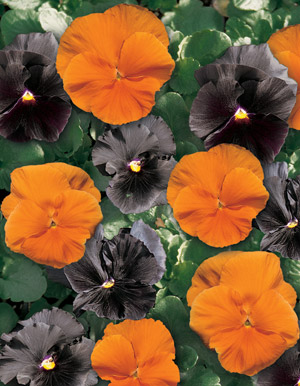
Trick or Treat Mix Pansy is a festive cool-season annual blend featuring bold Halloween-inspired flowers in rich orange, deep black-purple, smoky charcoal, and dark violet shades. The dramatic contrast of glowing pumpkin-orange blooms against velvety near-black flowers makes this mix especially striking in fall containers, porch planters, and seasonal garden displays. Blooming through the cool months, Trick or Treat Mix brings playful autumn color to beds and pots while continuing long after many warm-season annuals have finished.
Garden Uses:
Perfect for fall containers, Halloween displays, porch planters, window boxes, borders, edging, cottage gardens, and cool-season bedding. Trick or Treat Mix pairs beautifully with ornamental kale, flowering cabbage, dusty miller, black mondo grass, purple violas, orange calendula, snapdragons, and small pumpkins or gourds for seasonal displays.
Growing Information:
Start seeds indoors 10–12 weeks before transplanting, or sow outdoors in late summer or early spring where conditions permit. Cover seeds lightly and keep evenly moist during germination. Grow in full sun during cool weather, or provide partial shade if temperatures warm quickly. Plants prefer fertile, well-drained soil rich in organic matter. Water regularly and remove spent blooms to encourage continuous flowering. Plants typically grow 6–8 inches tall with an 8–10 inch spread.
Quick Facts:
Type: Cool-Season Annual
Botanical Name: Viola × wittrockiana
Common Name: Trick or Treat Mix Pansy
Height: 6–8 Inches
Spread: 8–10 Inches
Light: Full Sun to Partial Shade
Bloom Time: Fall through Spring in Mild Climates; Spring to Early Summer in Cooler Regions
Flower Colors: Orange, Black-Purple, Charcoal, Dark Violet & Seasonal Mix
Soil: Fertile, Well-Drained
Water: Moderate
Uses: Fall Containers, Halloween Displays, Borders, Window Boxes, Porch Planters, Seasonal Bedding
Attracts: Bees & Other Cool-Season Pollinators
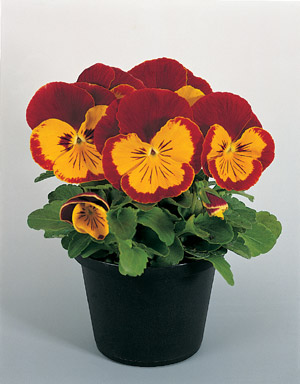
Joker Red Gold Pansy is a brilliant cool-season annual featuring vivid golden-yellow petals highlighted by rich crimson-red upper petals and a bold, dark face. The striking color contrast gives each bloom a dramatic "masked" appearance, making it one of the most recognizable and eye-catching pansies available. Part of the popular Joker series, this variety blooms heavily during cool weather, providing months of colorful displays in containers, borders, and landscape beds from fall through spring in mild climates or from early spring into summer in northern gardens.
Garden Uses:
Excellent for patio containers, window boxes, borders, edging, cottage gardens, mass plantings, entryway planters, and cool-season bedding displays. Joker Red Gold combines beautifully with blue violas, white alyssum, ornamental kale, flowering cabbage, dusty miller, snapdragons, dianthus, and spring-flowering bulbs. Its vivid colors create outstanding focal points in mixed plantings.
Growing Information:
Start seeds indoors 10–12 weeks before transplanting or sow outdoors during late summer or early spring where climates permit. Cover seeds lightly with soil and maintain consistent moisture throughout germination. Grow in full sun during cool weather or provide afternoon shade where spring temperatures become warm. Plants thrive in fertile, well-drained soil enriched with organic matter. Water regularly and remove faded flowers to encourage continuous blooming. Mature plants typically grow 6–8 inches tall with an 8–10 inch spread.
Quick Facts:
Type: Cool-Season Annual
Botanical Name: Viola × wittrockiana
Common Name: Joker Red Gold Pansy
Height: 6–8 Inches
Spread: 8–10 Inches
Light: Full Sun to Partial Shade
Bloom Time: Fall through Spring in Mild Climates; Spring to Early Summer in Cooler Regions
Flower Color: Golden Yellow with Crimson-Red Upper Petals and Dark Face
Soil: Fertile, Well-Drained
Water: Moderate
Uses: Containers, Borders, Window Boxes, Cottage Gardens, Mass Plantings, Entry Planters
Attracts: Bees & Other Early Pollinators
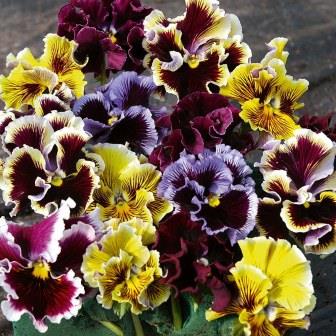
Fluffy Ruffle Mix Pansy is a highly decorative cool-season annual blend known for its frilled, ruffled petals and rich color combinations. The blooms appear in shades of burgundy, yellow, lavender, purple, rose, cream, and bi-color patterns, often with dark faces and contrasting edges. Its ornate flower form gives containers, hanging baskets, and borders a full, romantic appearance, making it a standout choice for gardeners who want pansies with extra texture and personality.
Garden Uses:
Excellent for hanging baskets, containers, window boxes, patio pots, edging, borders, cottage gardens, and cool-season bedding displays. Fluffy Ruffle Mix pairs beautifully with sweet alyssum, violas, ornamental kale, flowering cabbage, dusty miller, snapdragons, dianthus, and spring bulbs. The ruffled petals make it especially attractive in baskets and planters where the flowers can be viewed up close.
Growing Information:
Start seeds indoors 10–12 weeks before transplanting, or sow outdoors in late summer or early spring where conditions permit. Cover seed lightly and keep evenly moist during germination. Grow in full sun during cool weather or provide partial shade where temperatures warm quickly. Plants prefer fertile, well-drained soil rich in organic matter. Water regularly and remove faded blooms to encourage continued flowering. Plants typically grow 6–8 inches tall with an 8–10 inch spread.
Quick Facts:
Type: Cool-Season Annual
Botanical Name: Viola × wittrockiana
Common Name: Fluffy Ruffle Mix Pansy
Height: 6–8 Inches
Spread: 8–10 Inches
Light: Full Sun to Partial Shade
Bloom Time: Fall through Spring in Mild Climates; Spring to Early Summer in Cooler Regions
Flower Colors: Burgundy, Yellow, Lavender, Purple, Rose, Cream & Bi-Color Ruffled Mix
Soil: Fertile, Well-Drained
Water: Moderate
Uses: Hanging Baskets, Containers, Window Boxes, Borders, Edging, Cottage Gardens
Attracts: Bees & Other Early Pollinators
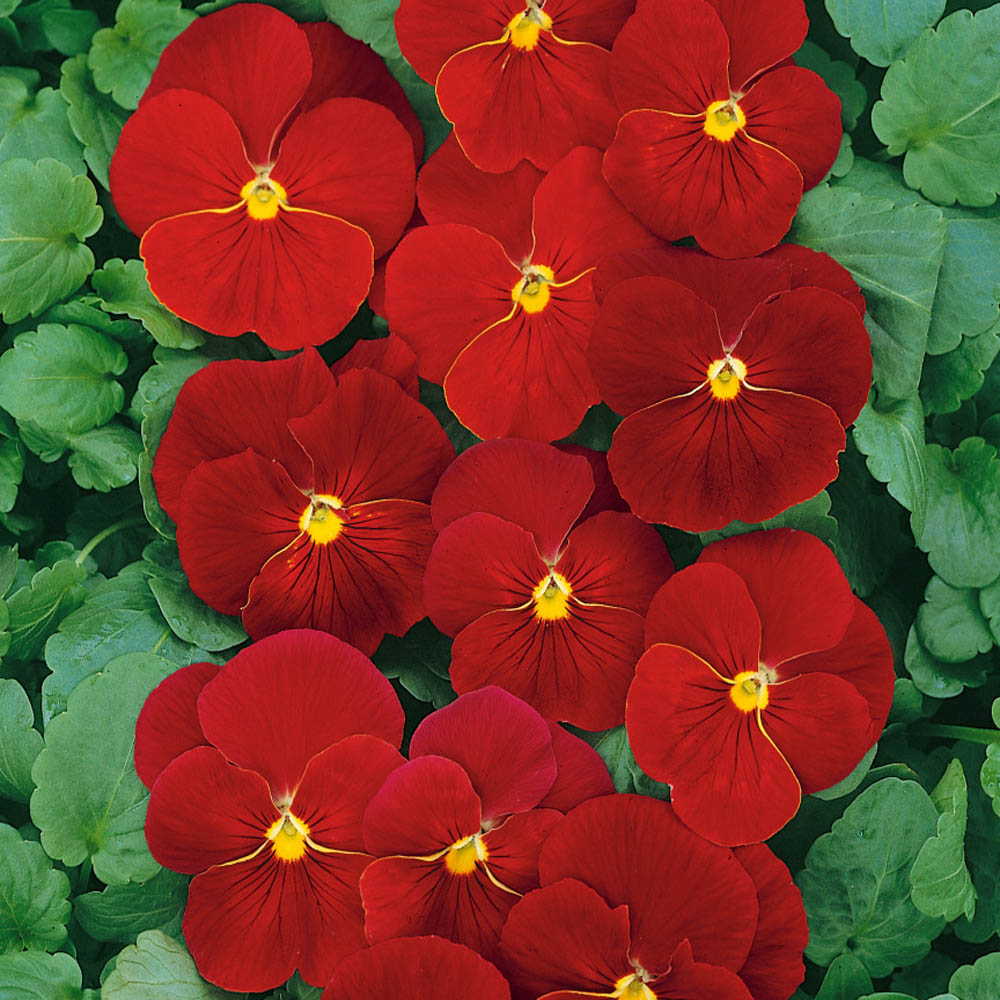
Clear Crystals Scarlet Pansy is a vivid cool-season annual known for its clear, bright scarlet-red blooms accented by a small golden-yellow eye. Unlike many pansies with dark blotches or faces, the Clear Crystals series is valued for clean, solid flower color that gives beds and containers a bold, polished appearance. This variety brings rich red color to fall, winter, and spring plantings, making it especially useful for containers, borders, porch planters, and cool-season bedding displays.
Garden Uses:
Excellent for containers, patio pots, window boxes, borders, edging, mass plantings, entryway planters, and cool-season landscape beds. Clear Crystals Scarlet pairs beautifully with white alyssum, blue violas, yellow pansies, dusty miller, ornamental kale, flowering cabbage, snapdragons, dianthus, and spring bulbs. Its clear red blooms create strong contrast in mixed plantings.
Growing Information:
Start seeds indoors 10–12 weeks before transplanting or sow outdoors in late summer or early spring where conditions permit. Cover seed lightly and keep evenly moist during germination. Grow in full sun during cool weather or provide partial shade where temperatures warm quickly. Plants prefer fertile, well-drained soil rich in organic matter. Water regularly and remove spent flowers to encourage continued blooming. Plants typically grow 6–8 inches tall with an 8–10 inch spread.
Quick Facts:
Type: Cool-Season Annual
Botanical Name: Viola × wittrockiana
Common Name: Clear Crystals Scarlet Pansy
Height: 6–8 Inches
Spread: 8–10 Inches
Light: Full Sun to Partial Shade
Bloom Time: Fall through Spring in Mild Climates; Spring to Early Summer in Cooler Regions
Flower Color: Clear Scarlet Red with Golden Eye
Soil: Fertile, Well-Drained
Water: Moderate
Uses: Containers, Borders, Window Boxes, Edging, Mass Plantings, Porch Planters
Attracts: Bees & Other Early Pollinators
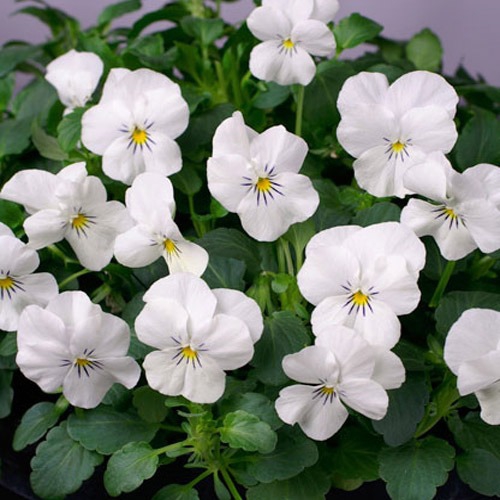
White Perfection Viola is a graceful cool-season annual or short-lived perennial that produces masses of clear white blooms accented by tiny golden centers and delicate violet markings. Smaller and more refined than many large-flowered pansies, Viola cornuta varieties are valued for their free-flowering habit, tidy growth, and charming old-fashioned appearance. White Perfection brings a clean, elegant look to containers, baskets, borders, and cool-season displays, blooming generously through spring and fall and often continuing through mild winter weather.
Garden Uses:
Excellent for containers, hanging baskets, window boxes, edging, borders, cottage gardens, rock gardens, woodland edges, and cool-season bedding. White Perfection pairs beautifully with blue violas, lavender pansies, sweet alyssum, primroses, dianthus, ornamental kale, flowering cabbage, dusty miller, and spring bulbs. Its bright white flowers are especially useful for moon gardens, wedding-themed plantings, and soft pastel combinations.
Growing Information:
Start seeds indoors 10–12 weeks before transplanting or sow outdoors in late summer or early spring where conditions permit. Cover seeds lightly and keep evenly moist during germination. Grow in full sun during cool weather or partial shade where temperatures warm quickly. Plants prefer fertile, well-drained soil rich in organic matter. Water regularly, especially in containers and baskets. Removing spent flowers encourages continued blooming. Plants typically grow 6–8 inches tall with an 8–12 inch spread.
Quick Facts:
Type: Cool-Season Annual or Short-Lived Perennial
Botanical Name: Viola cornuta
Common Name: White Perfection Viola, Horned Violet
Height: 6–8 Inches
Spread: 8–12 Inches
Light: Full Sun to Partial Shade
Bloom Time: Fall through Spring in Mild Climates; Spring to Early Summer in Cooler Regions
Flower Color: White with Yellow Center and Fine Violet Markings
Soil: Fertile, Well-Drained
Water: Moderate
Uses: Containers, Hanging Baskets, Window Boxes, Borders, Edging, Cottage Gardens
Attracts: Bees & Other Early Pollinators
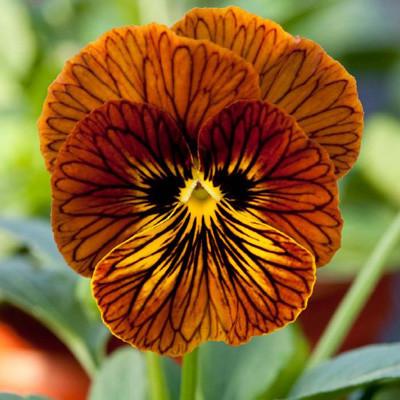
Tiger Eye Red Pansy is a striking cool-season annual known for its fiery blend of copper-red, bronze, golden yellow, and dark tiger-like veining. Each bloom has a dramatic patterned face that stands out beautifully against fresh green foliage, giving containers and borders a warm, exotic look. This compact, free-flowering pansy is especially valuable for fall and spring displays, where its rich colors bring bold contrast and long-lasting seasonal interest.
Garden Uses:
Perfect for containers, baskets, window boxes, borders, edging, cottage gardens, entryway planters, and mass bedding displays. Tiger Eye Red pairs beautifully with purple violas, black pansies, white alyssum, ornamental kale, dusty miller, snapdragons, and spring bulbs. Its warm colors make it especially effective in autumn and early spring plantings.
Growing Information:
Start seeds indoors 10–12 weeks before transplanting or sow outdoors in late summer or early spring where conditions permit. Cover seed lightly and keep evenly moist during germination. Grow in full sun during cool weather or provide partial shade where temperatures warm quickly. Plants prefer fertile, well-drained soil rich in organic matter. Water regularly and remove faded blooms to encourage continued flowering. Plants typically grow 6–8 inches tall with an 8–10 inch spread.
Quick Facts:
Type: Cool-Season Annual
Botanical Name: Viola × wittrockiana
Common Name: Tiger Eye Red Pansy
Height: 6–8 Inches
Spread: 8–10 Inches
Light: Full Sun to Partial Shade
Bloom Time: Fall through Spring in Mild Climates; Spring to Early Summer in Cooler Regions
Flower Color: Red, Copper, Bronze & Golden Yellow with Dark Veining
Soil: Fertile, Well-Drained
Water: Moderate
Uses: Containers, Baskets, Borders, Edging, Window Boxes, Cottage Gardens, Mass Plantings
Attracts: Bees & Other Early Pollinators
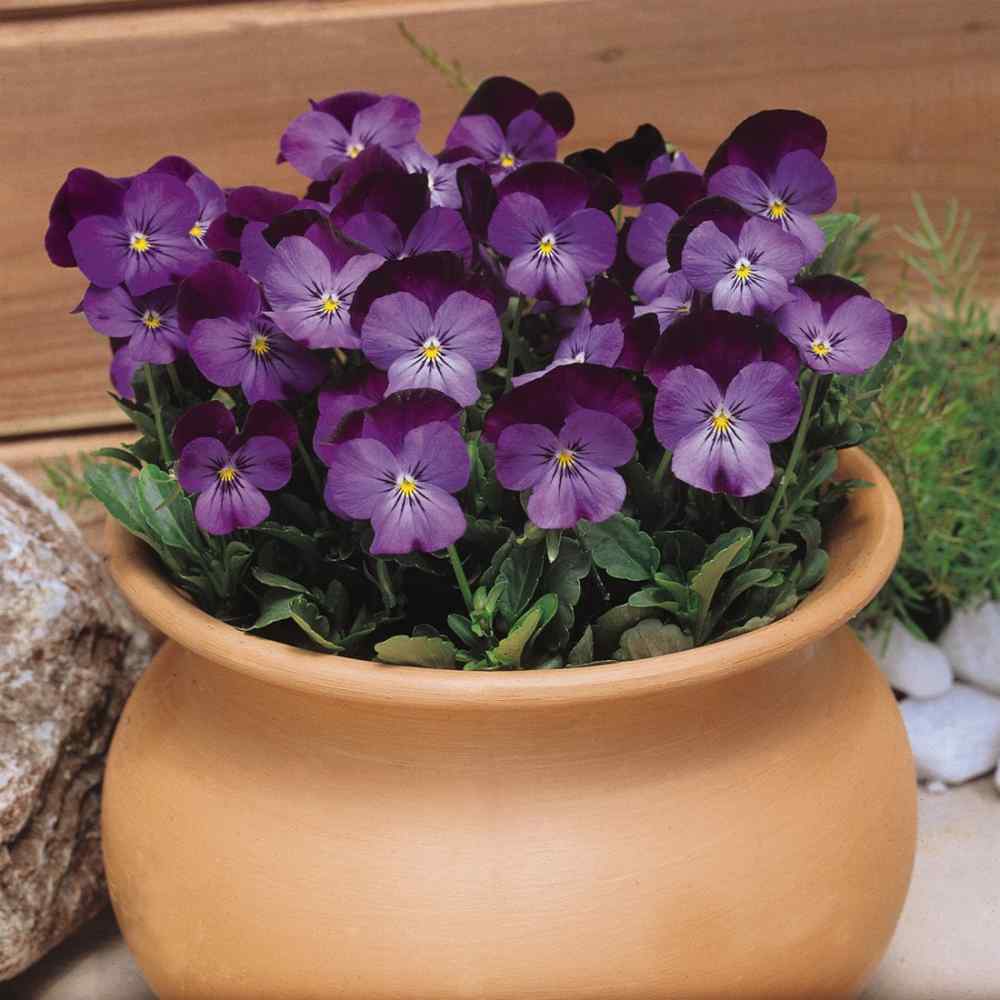
Admiration Large Flowered Viola is a charming cool-season annual or short-lived perennial that produces an abundance of oversized blooms on compact, well-branched plants. The flowers display rich shades of violet, lavender, blue, cream, yellow, and purple depending on the strain, often accented with delicate whisker-like markings and bright golden centers. As a large-flowered Viola cornuta, Admiration combines the floriferous nature of traditional violas with blooms approaching pansy size, providing months of dependable color in cool weather.
Garden Uses:
Ideal for containers, hanging baskets, window boxes, borders, edging, rock gardens, woodland gardens, cottage gardens, and cool-season bedding displays. Admiration Large Flowered Viola pairs beautifully with pansies, sweet alyssum, primroses, dianthus, ornamental kale, flowering cabbage, dusty miller, and spring-flowering bulbs. Its neat habit also makes it an excellent choice for planting beneath tulips and daffodils.
Growing Information:
Start seeds indoors 10–12 weeks before transplanting or sow outdoors during late summer or early spring where conditions permit. Cover seeds lightly and maintain even moisture during germination. Plant in full sun during cool weather or provide partial shade where spring temperatures warm quickly. Grow in fertile, well-drained soil enriched with organic matter. Water regularly, particularly in containers, and remove spent blooms to encourage continuous flowering. Plants typically reach 6–8 inches tall with an 8–12 inch spread.
Quick Facts:
Type: Cool-Season Annual or Short-Lived Perennial
Botanical Name: Viola cornuta
Common Name: Admiration Large Flowered Viola
Height: 6–8 Inches
Spread: 8–12 Inches
Light: Full Sun to Partial Shade
Bloom Time: Fall through Spring in Mild Climates; Spring to Early Summer in Cooler Regions
Flower Colors: Shades of Violet, Blue, Lavender, Purple, Yellow, Cream & Mixed Colors
Soil: Fertile, Well-Drained
Water: Moderate
Uses: Containers, Hanging Baskets, Window Boxes, Borders, Edging, Rock Gardens, Cottage Gardens
Attracts: Bees & Other Early Pollinators
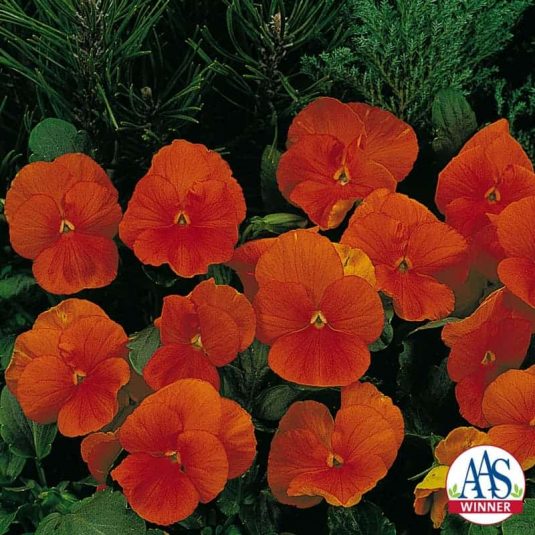
Padparadja Pansy is a radiant cool-season annual admired for its glowing orange, apricot, copper, and warm sunset-colored blooms. Named for the rare Padparadscha sapphire, this variety brings jewel-like color to containers, baskets, borders, and spring or fall bedding displays. The bright orange flowers stand out beautifully against fresh green foliage, creating a warm and cheerful look during the cooler months when strong garden color is especially welcome.
Garden Uses:
Excellent for containers, hanging baskets, window boxes, edging, borders, cottage gardens, entryway planters, and mass plantings. Padparadja pairs beautifully with purple violas, blue pansies, white alyssum, dusty miller, ornamental kale, flowering cabbage, snapdragons, and spring bulbs. Its warm coloring is especially effective in autumn displays and early spring containers.
Growing Information:
Start seeds indoors 10–12 weeks before transplanting or sow outdoors in late summer or early spring where conditions permit. Cover seed lightly and keep evenly moist during germination. Grow in full sun during cool weather or provide partial shade where temperatures warm quickly. Plants prefer fertile, well-drained soil rich in organic matter. Water regularly and remove spent flowers to encourage continued bloom. Plants typically grow 6–8 inches tall with an 8–10 inch spread.
Quick Facts:
Type: Cool-Season Annual
Botanical Name: Viola × wittrockiana
Common Name: Padparadja Pansy
Height: 6–8 Inches
Spread: 8–10 Inches
Light: Full Sun to Partial Shade
Bloom Time: Fall through Spring in Mild Climates; Spring to Early Summer in Cooler Regions
Flower Color: Orange, Apricot, Copper & Warm Sunset Tones
Soil: Fertile, Well-Drained
Water: Moderate
Uses: Containers, Baskets, Window Boxes, Borders, Edging, Cottage Gardens, Mass Plantings
Attracts: Bees & Other Early Pollinators
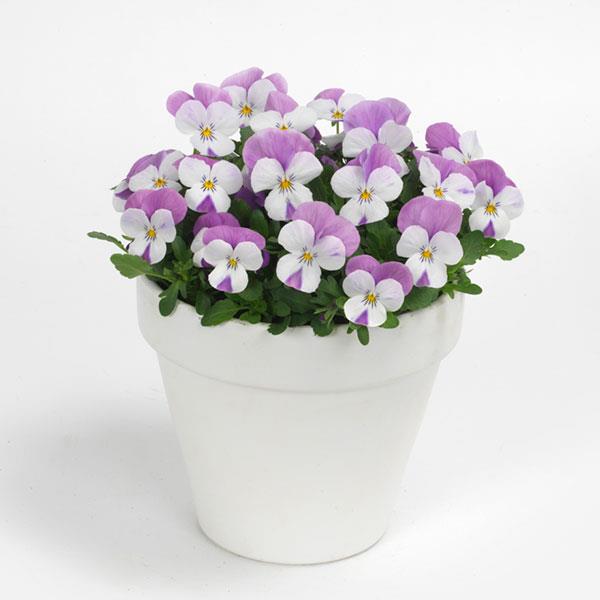
Sorbet Pink Wing Pansy is a charming and distinctive viola that brings a graceful splash of soft pink and creamy white to cool-season gardens. Each bloom features delicate pink upper petals that appear like tiny wings floating above creamy white lower petals, creating a unique two-tone effect that brightens containers, borders, baskets, and window boxes. Part of the dependable Sorbet Series, this compact variety is known for exceptional branching, early flowering, and outstanding performance in both spring and fall gardens.
Garden Uses
Sorbet Pink Wing is perfect anywhere soft color and long-lasting blooms are desired. Its compact, mounded habit makes it ideal for edging pathways, filling flower beds, brightening patio containers, hanging baskets, and mixed planters. The elegant pink and white flowers blend beautifully with blues, purples, lavender, silver foliage, ornamental kale, dusty miller, alyssum, violas, and spring bulbs. Because of its uniform growth, it also creates attractive mass plantings with a refined, cottage garden appearance.
Growing Information
Sow seeds indoors 10–12 weeks before the last expected frost. Seeds germinate best in darkness at 65–70°F and typically emerge within 10–20 days. Once seedlings develop several true leaves, transplant into fertile, well-drained soil in full sun to partial shade. In warmer climates, afternoon shade helps prolong flowering. Plants generally reach 6 to 8 inches tall with a spread of 8 to 10 inches. Regular watering, occasional feeding, and removal of faded blooms encourage an exceptionally long bloom season from early spring through late spring, often returning for another impressive display during cool autumn weather.
Quick Facts
- Botanical Name: Viola × wittrockiana
- Common Name: Sorbet Pink Wing Pansy
- Plant Type: Cool-season annual
- Height: 6–8 inches
- Spread: 8–10 inches
- Bloom Color: Soft pink upper petals with creamy white lower petals
- Bloom Season: Spring and fall; winter in mild climates
- Sun Requirements: Full sun to partial shade
- Soil Requirements: Fertile, moist, well-drained soil
- USDA Zones: Grown as an annual in Zones 2–11
- Pollinator Friendly: Yes
- Deer Resistant: Moderately
- Edible Flowers: Yes
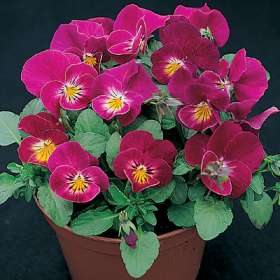
Strawberry Sundae Fragrant Pansy is a delightfully scented heirloom-style pansy that combines soft strawberry pink, creamy white, and warm pastel tones with a sweet floral fragrance rarely found in modern bedding plants. Unlike many contemporary pansies bred primarily for flower size, this charming variety has been selected to preserve the wonderful perfume that once made pansies a favorite near patios, garden paths, and cottage garden seating areas. Its cheerful blooms and pleasant scent create an inviting display throughout the cool seasons.
Garden Uses
Strawberry Sundae Fragrant Pansy is an excellent choice for containers, hanging baskets, window boxes, borders, cottage gardens, and fragrance gardens where its sweet perfume can be appreciated up close. It performs beautifully around entryways, outdoor seating areas, patios, and walkways, where visitors can enjoy both the colorful blooms and delicate scent. The soft pastel flowers blend beautifully with alyssum, violas, snapdragons, dusty miller, ornamental cabbage, flowering kale, and spring bulbs.
Growing Information
Start seeds indoors approximately 10 to 12 weeks before the final spring frost. Seeds germinate best in darkness at temperatures between 65–70°F, usually emerging within 10–20 days. Transplant seedlings into fertile, moist, well-drained soil after hardening them off. Plants thrive in full sun during cool weather but appreciate afternoon shade in warmer regions. Mature plants typically reach 6 to 8 inches tall with a spread of 8 to 10 inches. Regular watering, light fertilization, and removal of spent blooms encourage continuous flowering from early spring until warm summer temperatures arrive, with another flush of blooms during autumn in many climates.
Quick Facts
- Botanical Name: Viola × wittrockiana
- Common Name: Strawberry Sundae Fragrant Pansy
- Plant Type: Cool-season annual
- Height: 6–8 inches
- Spread: 8–10 inches
- Bloom Color: Soft strawberry pink, creamy white, and pastel shades
- Bloom Season: Spring and fall; winter in mild climates
- Fragrance: Sweet floral fragrance
- Sun Requirements: Full sun to partial shade
- Soil Requirements: Fertile, moist, well-drained soil
- USDA Zones: Grown as an annual in Zones 2–11
- Pollinator Friendly: Yes
- Deer Resistant: Moderately
- Edible Flowers: Yes
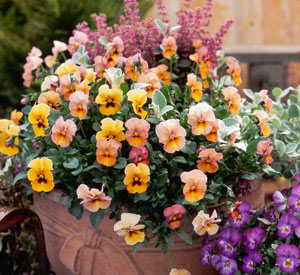
Imperial Antique Shades Pansy is a beautifully refined large-flowered pansy that produces an elegant blend of vintage-inspired colors, including soft lavender, dusty rose, creamy apricot, warm bronze, mauve, smoky blue, butter yellow, and rich plum. Many blooms feature dramatic dark blotches or delicate whiskering that enhance their old-world charm. The Imperial Series is known for producing exceptionally large flowers on sturdy, compact plants, making Antique Shades a sophisticated choice for gardeners who appreciate timeless beauty and classic color palettes.
Garden Uses
Imperial Antique Shades is ideal for borders, cottage gardens, formal flower beds, window boxes, patio containers, hanging baskets, and spring landscape displays. Its muted antique colors blend effortlessly with ornamental kale, flowering cabbage, dusty miller, sweet alyssum, violas, snapdragons, dianthus, tulips, daffodils, and hyacinths. The subtle color variations create a rich tapestry effect when planted in groups, while also complementing both traditional and contemporary garden designs.
Growing Information
Start seeds indoors 10 to 12 weeks before the final expected frost. Germination occurs best in complete darkness at temperatures between 65–70°F, with seedlings typically emerging within 10–20 days. After developing several true leaves, transplant into fertile, well-drained soil in full sun to partial shade. In warmer climates, afternoon shade helps extend flowering. Mature plants generally grow 6 to 8 inches tall with an 8 to 10-inch spread. Regular watering, occasional feeding, and deadheading spent blooms encourage abundant flowering throughout the cool seasons of spring and fall.
Quick Facts
- Botanical Name: Viola × wittrockiana
- Common Name: Imperial Antique Shades Pansy
- Plant Type: Cool-season annual
- Height: 6–8 inches
- Spread: 8–10 inches
- Bloom Color: Blend of lavender, dusty rose, apricot, bronze, mauve, blue, yellow, plum, and antique pastel shades
- Bloom Season: Spring and fall; winter in mild climates
- Sun Requirements: Full sun to partial shade
- Soil Requirements: Fertile, moist, well-drained soil
- USDA Zones: Grown as an annual in Zones 2–11
- Pollinator Friendly: Yes
- Deer Resistant: Moderately
- Edible Flowers: Yes
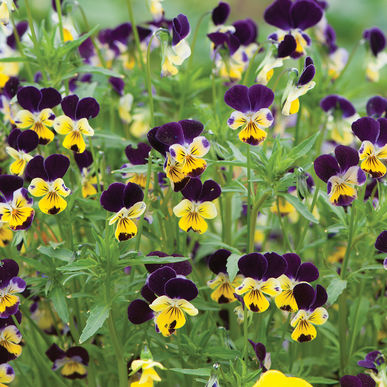
Johnny Jump Up (Viola cornuta) is a charming heirloom viola treasured for its cheerful tri-colored blossoms of deep violet, golden yellow, and creamy white. Blooming in remarkable abundance over many months, these petite flowers seem to appear almost overnight throughout the garden, giving rise to the delightful common name "Johnny Jump Up." With its compact growth, exceptional cold tolerance, and tendency to self-seed gently, this beloved old-fashioned favorite has brightened cottage gardens, rock gardens, and flower borders for generations.
Garden Uses
Johnny Jump Up is one of the most versatile cool-season flowers available. It is perfect for edging flower beds, filling rock gardens, softening pathways, brightening containers, window boxes, hanging baskets, and naturalizing beneath shrubs or around spring bulbs. Its small flowers create colorful carpets of blooms and blend beautifully with pansies, alyssum, snapdragons, dianthus, forget-me-nots, primroses, and ornamental cabbage. Because of its self-seeding nature, it is especially valuable in informal cottage gardens and wildlife plantings.
Growing Information
Start seeds indoors 10 to 12 weeks before the final spring frost, or sow directly outdoors in early spring or late summer for fall flowering. Seeds germinate best in darkness at temperatures between 65–70°F, usually within 10–20 days. Plants thrive in fertile, moist, well-drained soil in full sun to partial shade, with afternoon shade beneficial in warmer climates. Mature plants generally reach 6 to 8 inches tall and spread 8 to 12 inches. Regular watering and occasional deadheading encourage nearly continuous blooming, although many gardeners allow some flowers to mature into seed for natural reseeding.
Quick Facts
- Botanical Name: Viola cornuta
- Common Name: Johnny Jump Up
- Plant Type: Cool-season annual or short-lived perennial in mild climates
- Height: 6–8 inches
- Spread: 8–12 inches
- Bloom Color: Violet, yellow, and creamy white tricolor flowers
- Bloom Season: Early spring through late spring; often reblooms in fall and may flower through winter in mild climates
- Sun Requirements: Full sun to partial shade
- Soil Requirements: Fertile, moist, well-drained soil
- USDA Zones: 3–9 as a perennial; grown as an annual elsewhere
- Pollinator Friendly: Excellent
- Deer Resistant: Moderately
- Edible Flowers: Yes
- Self-Seeding: Readily self-sows under favorable conditions
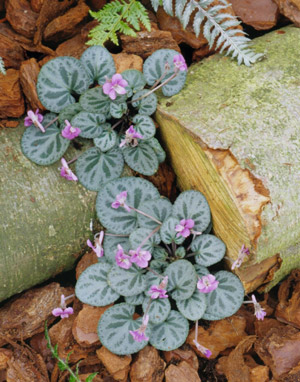
Viola labradorica purpurea is a beautiful, low-growing violet treasured for its dark purple-bronze foliage and delicate lavender-violet flowers. Unlike many violas grown mainly for bloom color, this variety offers ornamental value even when not in flower, thanks to its richly tinted heart-shaped leaves. Its compact habit, woodland character, and graceful spring blooms make it an excellent choice for shaded borders, rock gardens, naturalized areas, containers, and cool-season groundcover plantings.
Garden Uses
Viola labradorica purpurea is ideal for woodland gardens, shaded paths, rock gardens, alpine-style plantings, border edges, containers, and naturalized areas beneath shrubs or small trees. Its dark foliage contrasts beautifully with ferns, hostas, heuchera, primroses, spring bulbs, sweet woodruff, and other shade-loving plants. It also works well tucked between stones, along garden steps, or in small containers where the bronze-purple leaves and dainty flowers can be appreciated up close.
Growing Information
Sow seeds indoors 8 to 10 weeks before the last expected frost, or sow outdoors in fall to allow natural chilling. Seeds may benefit from a period of cold stratification to improve germination. Press seeds lightly into moist seed-starting mix and cover lightly, as darkness often helps germination. Maintain moderate moisture and cool temperatures. Transplant seedlings into humus-rich, moist, well-drained soil in partial shade to full shade. Plants typically grow 4 to 6 inches tall and spread 6 to 10 inches. Once established, they require little care beyond regular moisture during dry periods and occasional removal of older foliage.
Quick Facts
- Botanical Name: Viola labradorica purpurea
- Common Name: Labrador Violet, Purple Labrador Violet
- Plant Type: Hardy perennial violet
- Height: 4–6 inches
- Spread: 6–10 inches
- Bloom Color: Lavender-violet to purple
- Foliage Color: Purple-bronze to dark green with purple tones
- Bloom Season: Spring, with occasional rebloom in cool weather
- Sun Requirements: Partial shade to full shade
- Soil Requirements: Moist, humus-rich, well-drained soil
- USDA Zones: 3–8
- Pollinator Friendly: Yes
- Deer Resistant: Moderately
- Naturalizing: Yes, under favorable conditions
- Container Suitable: Yes
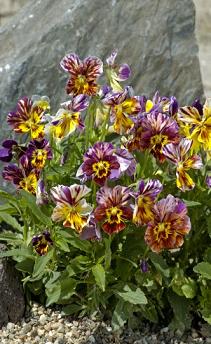
Brush Strokes (Viola williamsiana) is a striking and artistic viola variety known for its painterly blooms marked with dramatic streaks, splashes, and feathered markings in shades of golden yellow, amber, cream, copper, burgundy, rose, purple, and mahogany. Each flower appears hand-painted, making every plant slightly different and every planting full of movement and character. Compact, floriferous, and wonderfully colorful, Brush Strokes is an excellent choice for cool-season containers, borders, baskets, and cottage garden displays.
Garden Uses
Brush Strokes is perfect for containers, window boxes, hanging baskets, flower borders, edging, cottage gardens, rock gardens, and mixed spring or fall planters. Its warm, brush-marked flowers pair beautifully with ornamental kale, flowering cabbage, dusty miller, bronze carex, alyssum, snapdragons, dianthus, heuchera, and spring bulbs. Because each bloom has a different color pattern, mass plantings create a lively tapestry effect that looks especially attractive near patios, walkways, and entryways.
Growing Information
Start seeds indoors 10 to 12 weeks before the last expected frost, or sow outdoors in late summer for fall and early spring bloom in mild climates. Seeds germinate best in darkness at 65–70°F and usually sprout within 10–20 days. Transplant seedlings into fertile, moist, well-drained soil in full sun to partial shade. Afternoon shade is helpful in warmer regions. Plants generally reach 6 to 8 inches tall with an 8 to 10-inch spread. Keep soil evenly moist, feed lightly, and remove faded flowers to encourage continuous blooming through the cool season.
Quick Facts
- Botanical Name: Viola williamsiana
- Common Name: Brush Strokes Viola
- Plant Type: Cool-season annual or short-lived perennial in mild climates
- Height: 6–8 inches
- Spread: 8–10 inches
- Bloom Color: Yellow, cream, amber, copper, rose, burgundy, purple, and mahogany with streaked markings
- Bloom Season: Spring and fall; winter in mild climates
- Sun Requirements: Full sun to partial shade
- Soil Requirements: Fertile, moist, well-drained soil
- USDA Zones: Grown as an annual in Zones 2–11; may overwinter in mild climates
- Pollinator Friendly: Yes
- Deer Resistant: Moderately
- Edible Flowers: Yes
- Container Suitable: Excellent
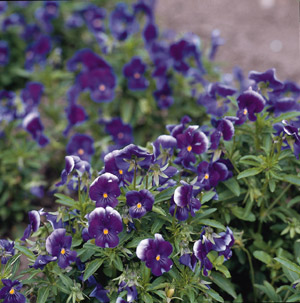
Fragrant Queen Charlotte (Viola odorata) is a classic sweet violet prized for its richly perfumed purple-blue flowers, compact growth, and old-fashioned woodland charm. This beloved fragrant violet produces small but intensely appealing blooms above heart-shaped green foliage, making it especially valuable near paths, patios, shaded seating areas, and containers where its sweet scent can be enjoyed up close. Long treasured in cottage gardens and scented gardens, Queen Charlotte brings both beauty and fragrance to the cool seasons.
Garden Uses
Fragrant Queen Charlotte is ideal for baskets, containers, woodland gardens, shaded borders, rock gardens, fragrance gardens, cottage gardens, and naturalized plantings beneath shrubs or small trees. Its low-growing habit makes it useful as a small-scale groundcover, while its fragrant blooms are perfect near doorways, benches, garden paths, and porch steps. It combines beautifully with ferns, primroses, hostas, hellebores, spring bulbs, sweet woodruff, forget-me-nots, and other shade-loving companions.
Growing Information
Sow seeds indoors 8 to 10 weeks before the last expected frost, or sow outdoors in fall for natural chilling. Viola odorata seed may benefit from cold stratification before germination. Plant seeds in moist seed-starting mix, cover lightly, and keep evenly moist. Germination can be slow and irregular, often taking several weeks. Transplant seedlings into humus-rich, moist, well-drained soil in partial shade to full shade. Plants usually grow 4 to 6 inches tall and spread 8 to 12 inches. Keep soil evenly moist, especially during dry periods, and divide established clumps as needed to maintain vigor.
Quick Facts
- Botanical Name: Viola odorata
- Common Name: Fragrant Queen Charlotte Sweet Violet
- Plant Type: Hardy perennial violet
- Height: 4–6 inches
- Spread: 8–12 inches
- Bloom Color: Purple-blue to deep violet
- Bloom Season: Early spring, with occasional rebloom in cool weather
- Fragrance: Strong sweet violet fragrance
- Sun Requirements: Partial shade to full shade
- Soil Requirements: Moist, humus-rich, well-drained soil
- USDA Zones: 4–8
- Pollinator Friendly: Yes
- Deer Resistant: Moderately
- Edible Flowers: Yes
- Naturalizing: Yes, under favorable conditions
- Container Suitable: Yes
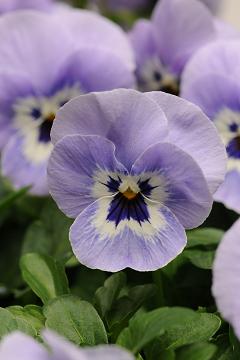
Shangri-La Marina (Viola cornuta) is a refined horned viola with soft lavender-blue flowers accented by creamy white centers and delicate dark whiskering. The blooms have a calm, cool-toned appearance that makes them especially attractive in containers, baskets, borders, and spring garden displays. Compact, floriferous, and graceful, this variety brings a peaceful pastel effect to cool-season plantings while offering the dependable performance and long bloom season associated with Viola cornuta.
Garden Uses
Shangri-La Marina is excellent for patio containers, window boxes, hanging baskets, border edging, rock gardens, cottage gardens, and mixed cool-season planters. Its soft lavender coloring blends beautifully with white alyssum, blue lobelia, dusty miller, silver foliage plants, primroses, snapdragons, forget-me-nots, spring bulbs, and darker purple violas. The compact habit makes it useful for mass plantings, while the gentle color pattern is especially effective in peaceful garden spaces and shaded seating areas.
Growing Information
Start seeds indoors 10 to 12 weeks before the last expected frost, or sow outdoors in late summer for fall and early spring bloom in mild climates. Seeds germinate best in darkness at 65–70°F and usually emerge within 10–20 days. Transplant seedlings into fertile, moist, well-drained soil in full sun to partial shade. In warmer climates, afternoon shade helps prolong flowering. Plants typically grow 6 to 8 inches tall and spread 8 to 10 inches. Keep soil evenly moist, feed lightly during active growth, and remove faded flowers to encourage continuous blooming.
Quick Facts
- Botanical Name: Viola cornuta
- Common Name: Shangri-La Marina Horned Viola
- Plant Type: Cool-season annual or short-lived perennial in mild climates
- Height: 6–8 inches
- Spread: 8–10 inches
- Bloom Color: Soft lavender-blue with creamy white center and dark whiskering
- Bloom Season: Spring and fall; winter in mild climates
- Sun Requirements: Full sun to partial shade
- Soil Requirements: Fertile, moist, well-drained soil
- USDA Zones: Grown as an annual in Zones 2–11; may overwinter in mild climates
- Pollinator Friendly: Yes
- Deer Resistant: Moderately
- Edible Flowers: Yes
- Container Suitable: Excellent
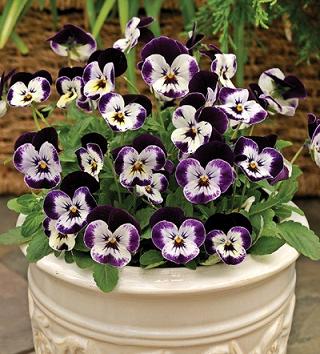
Penny Mickey Pansy is an eye-catching miniature pansy that features crisp white petals dramatically accented by a bold black to deep purple face, creating a charming pattern that resembles the familiar features of a cartoon mouse. Part of the popular Penny Series, this compact variety is prized for its exceptional branching, early flowering, weather tolerance, and remarkable bloom production. Its cheerful flowers bring playful character to spring and fall gardens while maintaining the dependable performance that has made the Penny Series a favorite among gardeners.
Garden Uses
Penny Mickey is ideal for containers, hanging baskets, window boxes, edging, rock gardens, border fronts, and mass plantings. Its distinctive black-and-white flowers create striking contrast when planted with blue violas, bright yellow pansies, alyssum, snapdragons, ornamental cabbage, flowering kale, and spring bulbs. Because of its compact size and abundant flowering, it performs exceptionally well in mixed containers and high-visibility garden areas where the unique facial markings can be fully appreciated.
Growing Information
Start seeds indoors approximately 10 to 12 weeks before the final expected frost. Sow seeds on moist growing media and cover lightly, as darkness improves germination. Maintain temperatures of 65–70°F, with seedlings typically emerging within 10–20 days. After seedlings develop several true leaves, transplant into fertile, moist, well-drained soil in full sun to partial shade. Afternoon shade is beneficial in warmer climates. Plants mature at approximately 4 to 6 inches tall with a spread of 6 to 8 inches. Regular watering, occasional feeding, and removal of faded blooms encourage continuous flowering throughout the cool growing season.
Quick Facts
- Botanical Name: Viola × wittrockiana
- Common Name: Penny Mickey Pansy
- Plant Type: Cool-season annual
- Height: 4–6 inches
- Spread: 6–8 inches
- Bloom Color: White with bold black to deep purple face
- Bloom Season: Spring and fall; winter in mild climates
- Sun Requirements: Full sun to partial shade
- Soil Requirements: Fertile, moist, well-drained soil
- USDA Zones: Grown as an annual in Zones 2–11
- Pollinator Friendly: Yes
- Deer Resistant: Moderately
- Edible Flowers: Yes
- Container Suitable: Excellent
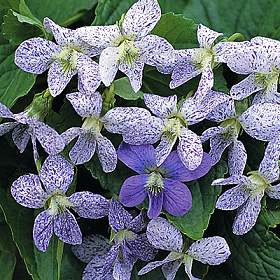
Freckles Pansy is a delightful and unusual viola treasured for its charming white to pale lavender blooms covered with countless purple-blue speckles. Each flower looks as though it has been dusted by hand with tiny freckles, creating a soft, whimsical effect that is especially attractive in containers, baskets, shaded edges, and cottage garden plantings. Compact, floriferous, and full of character, Freckles brings a refreshing change from solid-colored pansies and violas.
Garden Uses
Freckles Pansy is ideal for containers, window boxes, hanging baskets, border edging, rock gardens, cottage gardens, woodland edges, and mixed cool-season plantings. Its speckled flowers pair beautifully with blue violas, white alyssum, lavender pansies, primroses, ferns, hostas, dusty miller, forget-me-nots, and spring bulbs. It is especially effective where the flowers can be viewed up close, allowing the delicate markings to be fully appreciated.
Growing Information
Start seeds indoors 10 to 12 weeks before the last expected frost, or sow outdoors in late summer for fall and early spring bloom in mild climates. Seeds germinate best in darkness at 65–70°F and usually emerge within 10–20 days. Transplant seedlings into fertile, moist, well-drained soil in full sun to partial shade. Afternoon shade is helpful in warmer regions to extend the bloom season. Plants typically grow 4 to 6 inches tall and spread 6 to 10 inches. Keep soil evenly moist, feed lightly during active growth, and remove faded blooms to encourage continued flowering.
Quick Facts
- Botanical Name: Viola species hybrid
- Common Name: Freckles Pansy, Freckles Viola
- Plant Type: Cool-season annual or short-lived perennial in mild climates
- Height: 4–6 inches
- Spread: 6–10 inches
- Bloom Color: White to pale lavender with purple-blue speckles
- Bloom Season: Spring and fall; winter in mild climates
- Sun Requirements: Full sun to partial shade
- Soil Requirements: Fertile, moist, well-drained soil
- USDA Zones: Grown as an annual in Zones 2–11; may overwinter in mild climates
- Pollinator Friendly: Yes
- Deer Resistant: Moderately
- Edible Flowers: Yes
- Container Suitable: Excellent
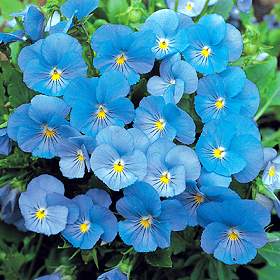
Viola Perfection Blue (Viola cornuta) is a lovely horned viola known for its clear blue flowers, cheerful yellow centers, and compact, free-flowering habit. The soft blue blooms create a refreshing cool-season display that is especially attractive in baskets, containers, window boxes, border edges, and cottage garden plantings. With its dependable performance, excellent branching, and long bloom season, this variety brings a bright yet gentle blue accent to spring and fall gardens.
Garden Uses
Viola Perfection Blue is excellent for hanging baskets, patio containers, window boxes, edging, rock gardens, cottage gardens, and mixed cool-season plantings. Its blue flowers combine beautifully with white alyssum, yellow pansies, lavender violas, dusty miller, silver foliage plants, primroses, snapdragons, forget-me-nots, and spring bulbs. In baskets, the plants create a soft mound of foliage and flowers that looks charming on porches, patios, and garden tables.
Growing Information
Start seeds indoors 10 to 12 weeks before the last expected frost, or sow outdoors in late summer for fall and early spring bloom in mild climates. Seeds germinate best in darkness at 65–70°F and usually emerge within 10–20 days. Transplant seedlings into fertile, moist, well-drained soil in full sun to partial shade. Afternoon shade is helpful in warmer areas to prolong flowering. Plants typically grow 6 to 8 inches tall and spread 8 to 10 inches. Keep soil evenly moist, feed lightly during active growth, and remove faded blooms to encourage continuous flowering.
Quick Facts
- Botanical Name: Viola cornuta
- Common Name: Viola Perfection Blue, Blue Horned Viola
- Plant Type: Cool-season annual or short-lived perennial in mild climates
- Height: 6–8 inches
- Spread: 8–10 inches
- Bloom Color: Clear blue with yellow centers
- Bloom Season: Spring and fall; winter in mild climates
- Sun Requirements: Full sun to partial shade
- Soil Requirements: Fertile, moist, well-drained soil
- USDA Zones: Grown as an annual in Zones 2–11; may overwinter in mild climates
- Pollinator Friendly: Yes
- Deer Resistant: Moderately
- Edible Flowers: Yes
- Basket Suitable: Excellent

Contact Us | Privacy Policy | About Us
Serving gardeners since 1992
State of Mississippi Seedmen's Permit #C-391, Ohio 90152, Minnesota 20086777