
Watermelon Seeds
For example:
Sugar Baby – small, fast, great for beginners. (If you have limited space, look for “bush” or “compact” varieties.)
Crimson Sweet – classic large watermelon if you have plenty of space.
Charleston Gray – good disease resistance if you have known soil disease problems.
2. Plant at the right time. Watermelons love warm soil. Plant 2–3 weeks after the last frost. Soil temperature should be 70–95°F (21–35°C).
3. Pick a sunny location. Watermelons need:
Full sun (8+ hours daily).
Loose, well-draining soil.
Soil pH around 6.0–6.8.
Tip: Mix in compost or aged manure before planting.
4. Planting the seeds: Watermelons grow best when planted in mounds (hills).
Make soil mounds about 12 inches wide.
Plant 3–4 seeds per mound.
Depth: 1 inch (2.5 cm).
Space hills 4–6 feet apart.
After seedlings appear, thin to the strongest 1–2 plants.
5. Water Properly: Water deeply but not every day.
About 1–2 inches of water per week.
Keep soil moist while fruits develop.
Reduce watering slightly near harvest to improve sweetness. Avoid watering leaves to reduce disease.
6. Fertilize: Watermelons are heavy feeders.
Early growth: use nitrogen-rich fertilizer.
When vines start flowering: switch to phosphorus and potassium.
Example ratio: 5-10-10 fertilizer.
7.To prevent rot: Put straw, cardboard, or mulch under growing melons. 8. Watch for Pests & Problems
Common issues: Aphids, Cucumber beetles, Powdery mildew.
Solutions: Neem oil spray, row covers early in the season, good airflow between plants.
9. Harvest at the Right Time
Signs a watermelon is ripe: The curly tendril near the fruit turns brown, the bottom spot turns creamy yellow, it sounds deep and hollow when tapped.
Typical harvest time: 70–100 days after planting.
Quick tips for bigger, sweeter watermelons: Give vines lots of space, sse black plastic mulch to warm soil, limit each plant to 2–4 fruits.
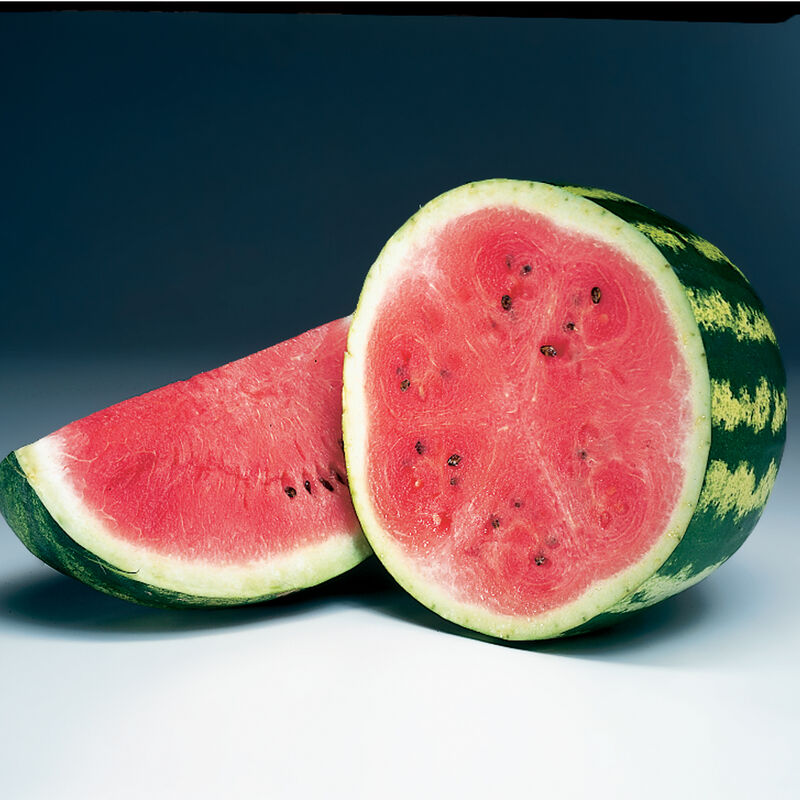
Crimson Sweet is one of the most popular and widely grown watermelon varieties in the world, prized for its dependable production, outstanding sweetness, and beautiful appearance. Introduced in the 1960s as an improved open-pollinated variety, it quickly became a favorite among home gardeners, market growers, and roadside farm stands. Its large, round to slightly oval fruits feature a light green rind accented with broad, dark green stripes, making them instantly recognizable in gardens and produce markets alike.
The brilliant crimson-red flesh is exceptionally crisp, juicy, and remarkably sweet, with high natural sugar content that has made Crimson Sweet a standard for flavor. Fruits typically weigh between 20 and 30 pounds under normal growing conditions, although larger melons are possible with fertile soil and ample moisture. The rind is thick enough to provide good protection during harvesting and transportation while still being easy to cut, making this variety an excellent choice for both home use and local market sales.
Crimson Sweet performs exceptionally well in warm climates and produces vigorous vines capable of setting multiple fruits over a long growing season. Plants thrive in full sun and rich, well-drained soil where they receive consistent watering during fruit development. Once established, the vines demonstrate good heat tolerance and continue producing through the summer months. Gardeners appreciate its reliable yields, uniform fruit size, and excellent resistance to splitting, helping ensure an attractive harvest even during periods of changing weather.
Whether served fresh at backyard picnics, sliced for family gatherings, blended into refreshing beverages, or added to colorful fruit salads, Crimson Sweet delivers outstanding flavor every time. Its vibrant red flesh, small dark seeds, and classic watermelon taste have made it a summertime tradition for generations. Few open-pollinated watermelons combine beauty, productivity, and eating quality as successfully as Crimson Sweet, making it an excellent choice for gardeners of every experience level.
Specifications
- Botanical Name: Citrullus lanatus
- Plant Type: Annual warm-season vine
- Fruit Shape: Round to slightly oval
- Rind: Light green with broad dark green stripes
- Flesh Color: Deep crimson red
- Fruit Weight: 20–30 pounds
- Days to Harvest: Approximately 80–90 days
- Vine Length: 8–12 feet
- Sun Requirements: Full sun
- Soil Requirements: Fertile, well-drained soil
- Uses: Fresh eating, fruit salads, beverages, farmers markets, home gardens
Disease Resistance
Crimson Sweet is well known for its resistance to Anthracnose (Race 1) and Fusarium Wilt (Race 1), two of the most common diseases affecting watermelon production. Combined with good crop rotation, proper spacing, and well-drained soil, these natural resistances contribute to vigorous plants and dependable harvests throughout the growing season.
Seedman Notes
Crimson Sweet has earned its reputation as one of America's finest open-pollinated watermelons. Its dependable yields, beautiful striped fruits, exceptional sweetness, and excellent disease resistance have kept it a favorite for decades. If you're looking for the classic picnic watermelon with outstanding flavor, crisp texture, and reliable garden performance, Crimson Sweet remains one of the very best choices available. It's the variety many gardeners compare all others against, and year after year it continues to live up to its outstanding reputation.
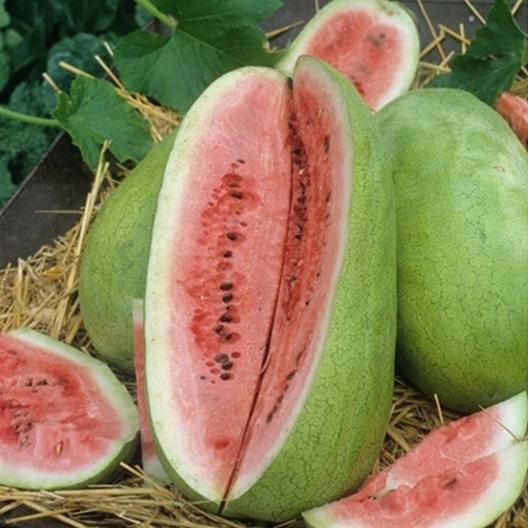
Charleston Gray is one of the most recognizable and successful watermelon varieties ever introduced, renowned for its large size, outstanding flavor, and exceptional shipping qualities. Developed by the USDA in Charleston, South Carolina during the 1950s, this open-pollinated variety quickly became the standard for commercial production and home gardens alike. Its distinctive elongated shape and smooth grayish-green rind have made it a favorite for decades, while its dependable performance continues to earn the trust of growers across the country.
The attractive fruits typically weigh between 25 and 35 pounds and feature firm, bright red flesh with a crisp texture and wonderfully sweet flavor. The durable rind provides excellent protection during harvesting, handling, and transportation, making Charleston Gray an outstanding choice for roadside markets and commercial growers. Despite its thick rind, the flesh remains exceptionally juicy and refreshing, with relatively few seeds compared to many older heirloom varieties.
Charleston Gray thrives during hot summer weather and produces vigorous vines capable of yielding several large melons throughout the season. Plants perform best in fertile, well-drained soil with full sun and consistent moisture during fruit development. This dependable variety tolerates heat extremely well and has become especially popular throughout the southern United States, where long growing seasons allow fruits to reach their full size and exceptional sweetness.
Whether enjoyed fresh at family gatherings, sliced for summer picnics, or sold at local farmers markets, Charleston Gray consistently delivers premium-quality melons with outstanding flavor and beautiful appearance. Its combination of dependable yields, excellent eating quality, and rugged field performance has made it one of the finest open-pollinated watermelons ever developed. More than half a century after its introduction, it remains one of the most respected watermelon varieties available to gardeners and professional growers alike.
Specifications
- Plant Type: Annual warm-season vine
- Fruit Shape: Elongated cylindrical
- Rind: Smooth grayish-green
- Flesh Color: Bright crimson red
- Fruit Weight: 25–35 pounds
- Days to Harvest: Approximately 85–90 days
- Vine Length: 10–12 feet
- Sun Requirements: Full sun
- Soil Requirements: Fertile, well-drained soil
- Uses: Fresh eating, farmers markets, roadside stands, home gardens, shipping
Disease Resistance
Charleston Gray offers good resistance to Anthracnose and Fusarium Wilt, contributing to vigorous vines and dependable production under a wide range of growing conditions. Proper crop rotation, adequate spacing, and well-drained soil further enhance plant health and maximize yields.
Seedman Notes
Charleston Gray has earned legendary status among watermelon growers for good reason. Its large, attractive fruits, sweet crisp flesh, dependable yields, and rugged shipping ability helped revolutionize commercial watermelon production and continue to make it a favorite in home gardens today. If you're looking for a classic American watermelon that combines history, beauty, and outstanding eating quality, Charleston Gray remains one of the finest choices you can grow.
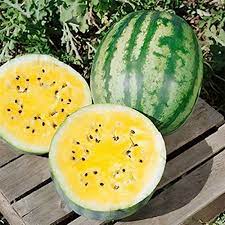
Golden Honey is a beautiful heirloom watermelon prized for its brilliant golden-yellow flesh, exceptional sweetness, and refreshing tropical flavor. This unique variety offers a delightful alternative to traditional red-fleshed watermelons while maintaining the crisp texture and juicy eating quality that gardeners expect from a premium summer melon. Its attractive fruits and rich honey-like sweetness make Golden Honey a favorite for home gardens, family picnics, and farmers markets where its unusual color always attracts attention.
The round to slightly oval fruits typically weigh between 8 and 15 pounds, making them an ideal size for family meals without excessive leftovers. Beneath the smooth green rind lies firm, juicy golden flesh that is remarkably sweet and refreshingly crisp. The bright yellow interior creates a striking presentation when sliced and is perfect for fruit trays, desserts, fresh juices, or simply enjoyed ice-cold on a hot summer afternoon. The contrast between the traditional green rind and vibrant golden flesh makes every melon a pleasant surprise.
Golden Honey grows vigorously in warm weather, producing healthy vines that thrive in full sun and fertile, well-drained soil. Plants require consistent moisture during flowering and fruit development but reward gardeners with dependable yields of uniformly shaped melons. Like most watermelons, this variety flourishes during long, hot summers where abundant sunshine helps develop maximum sweetness and rich flavor. Its manageable fruit size also makes harvesting and handling easier than many of the giant watermelon varieties.
Whether grown for its novelty, outstanding flavor, or eye-catching appearance, Golden Honey continues to impress gardeners year after year. Children especially enjoy discovering the unexpected yellow flesh, while experienced gardeners appreciate its dependable production and excellent eating quality. Its unique appearance makes it a wonderful conversation piece at summer gatherings, yet its delicious flavor ensures it is remembered for much more than its unusual color.
Specifications
- Plant Type: Annual warm-season vine
- Fruit Shape: Round to slightly oval
- Rind: Medium green with darker green striping
- Flesh Color: Brilliant golden yellow
- Fruit Weight: 8–15 pounds
- Days to Harvest: Approximately 80–90 days
- Vine Length: 8–10 feet
- Sun Requirements: Full sun
- Soil Requirements: Fertile, well-drained soil
- Uses: Fresh eating, fruit trays, desserts, juices, home gardens, farmers markets
Disease Resistance
Golden Honey performs best when grown with good cultural practices, including crop rotation, adequate spacing, and well-drained soil. Healthy vines exhibit good overall vigor, and proper garden management helps minimize common watermelon diseases such as anthracnose, fusarium wilt, and powdery mildew while promoting strong growth and abundant fruit production.
Seedman Notes
Golden Honey is an excellent choice for gardeners looking to grow something a little different without sacrificing outstanding flavor. Its beautiful golden flesh, refreshing sweetness, and dependable garden performance make it one of the finest yellow-fleshed heirloom watermelons available. Slice one open at your next summer picnic, and you're almost guaranteed to hear surprised smiles as everyone discovers that this watermelon is just as delicious as it is beautiful.
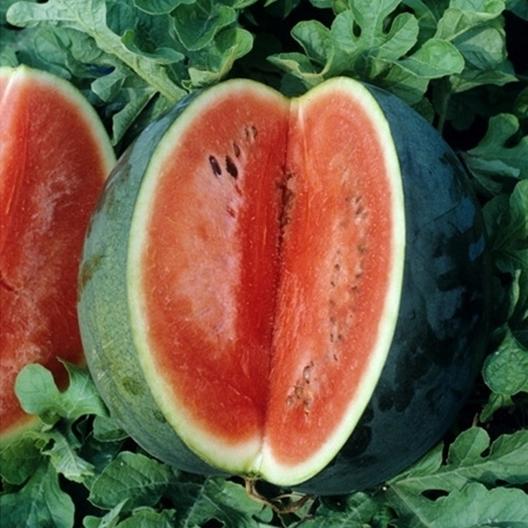
Florida Giant is a classic open-pollinated watermelon developed for producing exceptionally large, sweet fruits under the hot, humid growing conditions of the southern United States. True to its name, this vigorous variety is capable of producing enormous melons that impress both gardeners and market growers alike. Its dependable productivity, outstanding flavor, and ability to thrive in warm climates have made it a longtime favorite throughout the South and other regions with extended growing seasons.
The large, oval fruits commonly weigh between 30 and 50 pounds, with well-grown specimens occasionally reaching even greater sizes under ideal conditions. The rind is medium green with darker green stripes, providing an attractive appearance while offering sufficient durability for harvesting and transportation. Inside, the flesh is a vibrant deep red, exceptionally crisp, juicy, and wonderfully sweet with the refreshing flavor that defines a premium summertime watermelon. Every slice delivers the rich taste and satisfying crunch that watermelon lovers expect.
Florida Giant thrives in full sun and fertile, well-drained soil where its vigorous vines have plenty of room to spread. Plants perform especially well during long, hot summers and continue setting large fruits throughout the growing season when provided with consistent moisture and proper fertilization. Its excellent heat tolerance makes it particularly well suited for southern gardens, where high temperatures encourage rapid vine growth and outstanding fruit development.
Whether you're growing prize-sized melons for county fairs, supplying roadside markets, or simply enjoying homegrown watermelon with family and friends, Florida Giant consistently delivers impressive results. Its combination of enormous fruit size, dependable yields, beautiful appearance, and exceptional eating quality has secured its reputation as one of the finest large-fruited open-pollinated watermelons available. Gardeners looking for a true Southern classic will find Florida Giant difficult to surpass.
Specifications
- Plant Type: Annual warm-season vine
- Fruit Shape: Large oval
- Rind: Medium green with dark green stripes
- Flesh Color: Deep crimson red
- Fruit Weight: 30–50 pounds
- Days to Harvest: Approximately 90–95 days
- Vine Length: 10–15 feet
- Sun Requirements: Full sun
- Soil Requirements: Rich, fertile, well-drained soil
- Uses: Fresh eating, roadside markets, home gardens, exhibitions, family gatherings
Disease Resistance
Florida Giant demonstrates good vigor under hot growing conditions and performs best with proper crop rotation, good air circulation, and well-drained soil. Healthy plants show field tolerance to many common watermelon diseases, while careful garden management helps minimize problems with anthracnose, fusarium wilt, gummy stem blight, and powdery mildew.
Seedman Notes
Florida Giant is exactly what its name promises—a dependable producer of truly impressive watermelons with outstanding Southern flavor. If you have the garden space to let its vigorous vines roam, you'll be rewarded with enormous, sweet, juicy melons that become the centerpiece of every summer picnic. Few varieties combine such remarkable size with consistently excellent eating quality, making Florida Giant a favorite among generations of watermelon growers.
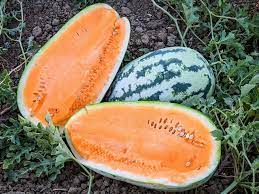
Orangeglo is an outstanding heirloom watermelon celebrated for its brilliant orange flesh, exceptional sweetness, and remarkably crisp texture. Originally developed from an old heirloom line and carefully selected for superior eating quality, Orangeglo has become one of the most highly regarded orange-fleshed watermelons available today. Its beautiful appearance and rich, tropical flavor make it a favorite among home gardeners, specialty growers, and anyone looking for a unique alternative to traditional red-fleshed varieties.
The large, elongated fruits typically weigh between 20 and 30 pounds and feature an attractive light green rind marked with darker green stripes. Beneath the rind lies vivid deep orange flesh that is incredibly juicy, crisp, and sweet, often producing sugar levels that rival or exceed many popular red watermelons. The firm flesh holds together well when sliced, making Orangeglo an excellent choice for fruit trays, picnics, and fresh market sales where its brilliant color immediately captures attention.
Orangeglo grows vigorously during warm weather, producing long, healthy vines that thrive in full sun and fertile, well-drained soil. Plants perform especially well in regions with long, hot summers where abundant sunshine allows the fruits to develop their outstanding sweetness and vibrant flesh color. Consistent watering during fruit development encourages uniform growth, while reducing irrigation as harvest approaches helps concentrate sugars for maximum flavor.
Whether enjoyed fresh from the garden, served at family gatherings, or displayed at local farmers markets, Orangeglo never fails to impress. The unexpected orange interior often surprises first-time visitors, but it is the rich, refreshing flavor that earns lasting praise. Combining heirloom character, dependable productivity, and extraordinary eating quality, Orangeglo has rightfully earned its reputation as one of the finest specialty watermelons available.
Specifications
- Plant Type: Annual warm-season vine
- Fruit Shape: Elongated oval
- Rind: Light green with dark green stripes
- Flesh Color: Brilliant deep orange
- Fruit Weight: 20–30 pounds
- Days to Harvest: Approximately 85–90 days
- Vine Length: 10–12 feet
- Sun Requirements: Full sun
- Soil Requirements: Rich, fertile, well-drained soil
- Uses: Fresh eating, fruit trays, picnics, farmers markets, home gardens
Disease Resistance
Orangeglo is a vigorous heirloom variety that performs best with proper cultural practices, including crop rotation, full sun, and well-drained soil. Healthy vines exhibit excellent field vigor, while good spacing and careful watering help minimize common watermelon diseases such as anthracnose, fusarium wilt, gummy stem blight, and powdery mildew.
Seedman Notes
Orangeglo is one of those rare watermelon varieties that delights gardeners every time a ripe fruit is opened. Its vivid orange flesh, exceptional sweetness, crisp texture, and impressive size make it a true conversation piece as well as an outstanding dessert melon. If you've only grown traditional red watermelons, Orangeglo offers a delicious new experience that is every bit as sweet—if not sweeter—than many classic varieties. It's one of our favorite specialty watermelons for both flavor and eye-catching beauty.
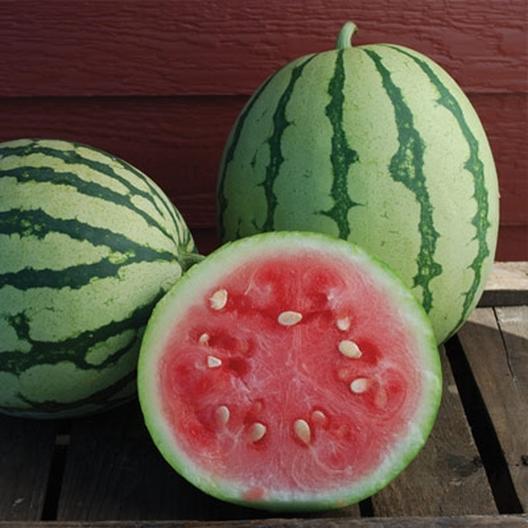
Dixie Queen is a time-honored heirloom watermelon that has been a Southern favorite for generations. Introduced in the early 1900s, this dependable variety quickly earned a reputation for producing large, beautifully striped melons with outstanding sweetness and excellent yields. Its vigorous growth, impressive fruit size, and exceptional flavor have made Dixie Queen a staple in home gardens, roadside markets, and family farms throughout the warm regions of the United States.
The large, oblong fruits typically weigh between 25 and 40 pounds and feature an attractive light green rind highlighted with dark green stripes. Inside, the flesh is a rich crimson red, remarkably crisp, juicy, and exceptionally sweet. The fine-grained texture makes every bite refreshing, while the sturdy rind provides good protection during harvest and transport. Whether enjoyed fresh from the garden or served at a summer gathering, Dixie Queen consistently delivers the classic watermelon flavor that has delighted families for more than a century.
Dixie Queen thrives in full sun and fertile, well-drained soil where its vigorous vines have ample room to spread. It performs especially well in long, hot summers and is well adapted to the Southern climate where warm days and mild nights encourage rapid vine growth and excellent fruit development. Regular watering during fruit formation followed by slightly drier conditions as harvest approaches helps produce melons with maximum sweetness and outstanding texture.
This variety is equally well suited for home gardeners seeking dependable harvests and market growers looking for attractive, high-quality fruit. Its combination of large size, beautiful appearance, and consistently sweet flavor continues to make Dixie Queen one of the finest heirloom watermelons available. Decades after its introduction, it remains a trusted favorite that represents the very best of traditional Southern watermelon breeding.
Specifications
- Plant Type: Annual warm-season vine
- Fruit Shape: Oblong
- Rind: Light green with dark green stripes
- Flesh Color: Deep crimson red
- Fruit Weight: 25–40 pounds
- Days to Harvest: Approximately 85–90 days
- Vine Length: 10–15 feet
- Sun Requirements: Full sun
- Soil Requirements: Rich, fertile, well-drained soil
- Uses: Fresh eating, picnics, farmers markets, roadside stands, home gardens
Disease Resistance
Dixie Queen is a vigorous heirloom variety that performs reliably when grown with proper crop rotation, adequate spacing, and well-drained soil. Healthy plants exhibit good field vigor, while sound cultural practices help reduce the impact of common watermelon diseases including anthracnose, fusarium wilt, gummy stem blight, and powdery mildew.
Seedman Notes
Dixie Queen has earned its place among the great American heirloom watermelons through more than a century of dependable performance. Gardeners continue to grow it for its impressive size, beautiful striped rind, sweet crimson flesh, and reliable yields during hot summer weather. If you're looking for an old-fashioned Southern watermelon with outstanding flavor and plenty of nostalgic charm, Dixie Queen remains one of the very best varieties you can plant.
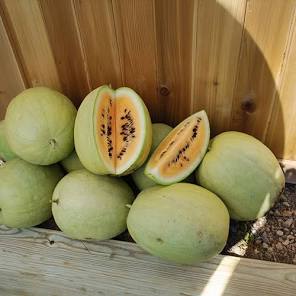
Desert King is a unique heirloom watermelon developed specifically to thrive in hot, dry climates where many other varieties struggle. Originally introduced in the arid regions of the western United States, it has earned a reputation for exceptional heat tolerance, dependable production, and outstanding eating quality. Its ability to continue producing sweet, flavorful fruit during periods of intense summer heat has made Desert King a favorite among gardeners in the Southwest, high desert regions, and other areas with challenging growing conditions.
The large, oval fruits typically weigh between 20 and 30 pounds and feature a smooth, pale green rind that remains light in color even when fully mature. Beneath the attractive rind lies crisp, juicy flesh ranging from rich salmon-pink to bright yellow, depending on the strain. The flesh is remarkably sweet, refreshing, and fine-textured, providing excellent flavor even during prolonged hot weather. Its thick rind offers good protection from sunscald while helping the fruit remain in excellent condition after harvest.
Desert King grows vigorously in full sun and performs exceptionally well where daytime temperatures regularly exceed those preferred by most watermelon varieties. Strong vines develop extensive root systems that help plants tolerate periods of drought once established, although consistent irrigation during fruit development produces the largest and sweetest melons. Its remarkable adaptability allows gardeners in hot inland valleys and desert climates to enjoy reliable watermelon harvests where other varieties may fail.
Whether grown for home use, local markets, or regions with extreme summer temperatures, Desert King consistently rewards gardeners with beautiful, flavorful melons and dependable yields. Its combination of outstanding heat tolerance, attractive fruit, and delicious flesh has made it one of the finest watermelon varieties for warm climates. Even in areas where summer temperatures become intense, Desert King continues to live up to its reputation as one of the most dependable watermelons available.
Specifications
- Plant Type: Annual warm-season vine
- Fruit Shape: Oval
- Rind: Smooth pale green
- Flesh Color: Salmon-pink to golden yellow (depending on strain)
- Fruit Weight: 20–30 pounds
- Days to Harvest: Approximately 80–90 days
- Vine Length: 10–15 feet
- Sun Requirements: Full sun
- Soil Requirements: Fertile, well-drained soil
- Uses: Fresh eating, home gardens, farmers markets, hot and arid climates
Disease Resistance
Desert King is valued primarily for its exceptional heat and drought tolerance rather than specific genetic disease resistance. Healthy vines perform well when grown in well-drained soil with proper crop rotation and adequate spacing, helping reduce the occurrence of common watermelon diseases such as fusarium wilt, anthracnose, gummy stem blight, and powdery mildew.
Seedman Notes
When summer temperatures soar, Desert King truly shines. Few watermelon varieties can match its ability to produce large, sweet, refreshing melons under extreme heat and dry conditions. Gardeners throughout the Southwest have relied on this outstanding heirloom for decades, and its dependable performance continues to make it one of our favorite choices for challenging climates. If your summers are long, hot, and dry, Desert King is an excellent variety that rarely disappoints.
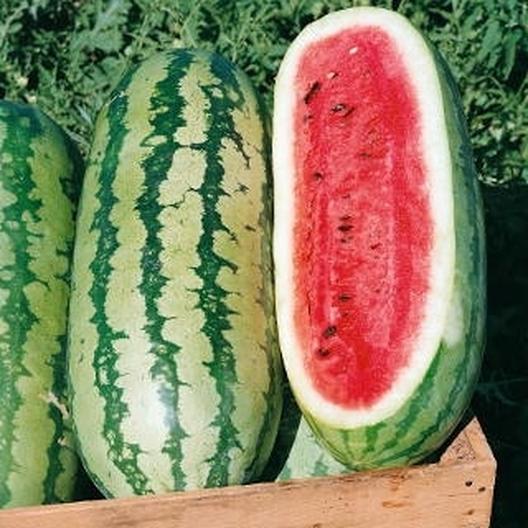
Georgia Rattlesnake is one of America's most celebrated heirloom watermelons, with a history dating back to the late 1800s. This Southern favorite earned its unusual name from the distinctive dark green stripes that wind across its light green rind, resembling the markings of a rattlesnake. For generations, gardeners and commercial growers have prized this variety for its dependable yields, impressive fruit size, outstanding sweetness, and ability to perform exceptionally well during long, hot summers.
The large, elongated fruits commonly weigh between 25 and 35 pounds, although well-grown melons may become even larger under ideal conditions. Beneath the striking rind lies brilliant crimson-red flesh that is exceptionally crisp, juicy, and richly sweet. The fine-grained texture makes every slice refreshing and satisfying, while the sturdy rind provides excellent durability for harvesting, transportation, and short-term storage. Its beautiful appearance and classic watermelon flavor have made Georgia Rattlesnake a favorite at farmers markets and family picnics for well over a century.
Georgia Rattlesnake thrives in warm climates with full sun and fertile, well-drained soil. The vigorous vines spread generously, producing multiple large fruits throughout the growing season when provided with adequate moisture and nutrients. Its excellent heat tolerance makes it particularly well adapted to Southern gardens, where long growing seasons allow the melons to develop maximum sweetness and full flavor. Gardeners appreciate its reliable productivity even during periods of intense summer heat.
Whether grown for fresh eating, roadside sales, county fairs, or simply to preserve a piece of gardening history, Georgia Rattlesnake continues to rank among the finest heirloom watermelons ever introduced. Its combination of impressive size, beautiful striped rind, exceptional eating quality, and proven field performance has allowed it to remain a favorite for generations of watermelon enthusiasts across the United States.
Specifications
- Plant Type: Annual warm-season vine
- Fruit Shape: Long, oblong
- Rind: Light green with narrow, dark green stripes
- Flesh Color: Deep crimson red
- Fruit Weight: 25–35 pounds
- Days to Harvest: Approximately 85–90 days
- Vine Length: 10–15 feet
- Sun Requirements: Full sun
- Soil Requirements: Rich, fertile, well-drained soil
- Uses: Fresh eating, farmers markets, roadside stands, home gardens, exhibitions
Disease Resistance
Georgia Rattlesnake is a vigorous heirloom variety that performs reliably when grown with proper cultural practices. Crop rotation, adequate spacing, consistent watering, and well-drained soil help maintain healthy vines and reduce the occurrence of common watermelon diseases such as anthracnose, fusarium wilt, gummy stem blight, and powdery mildew.
Seedman Notes
Few heirloom watermelons carry as much history and recognition as Georgia Rattlesnake. Its distinctive striped rind, enormous fruits, sweet crimson flesh, and dependable Southern performance have made it a favorite for well over 100 years. If you're looking for a true old-fashioned picnic watermelon that combines impressive appearance with exceptional flavor, Georgia Rattlesnake remains one of the finest heirloom varieties you can grow and a worthy addition to any summer garden.
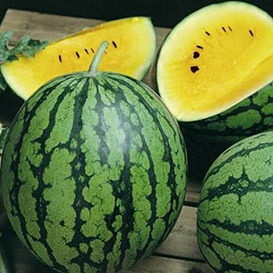
Yellow Petite is a delightful personal-sized watermelon that combines compact fruit size with brilliant golden-yellow flesh and outstanding sweetness. Developed for gardeners who want a watermelon that's easy to grow, harvest, and serve, this variety produces attractive melons that are perfect for small families and home gardens. Its manageable size and exceptional flavor have made Yellow Petite a favorite among gardeners looking for something both unique and practical.
The round fruits typically weigh between 5 and 8 pounds, making them ideal for a single meal without the waste often associated with larger watermelons. The thin green rind is attractively marked with darker green stripes, while the interior reveals beautiful bright yellow flesh that is crisp, juicy, and remarkably sweet. Its refreshing flavor rivals many larger watermelon varieties, and the vibrant golden color makes an eye-catching addition to fruit trays, picnics, and summer gatherings.
Yellow Petite grows vigorously on compact but productive vines that require less garden space than many standard watermelon varieties. Plants perform best in full sun and fertile, well-drained soil, producing dependable harvests during warm summer weather. The relatively short growing season allows gardeners in many regions to enjoy ripe melons earlier than larger varieties, while consistent watering during fruit development helps maximize sweetness and overall fruit quality.
Whether you're gardening in a traditional vegetable patch, a smaller backyard, or simply prefer watermelons that fit easily into the refrigerator, Yellow Petite is an excellent choice. Its combination of compact fruit size, dependable yields, beautiful yellow flesh, and exceptional eating quality has made it one of the finest small yellow-fleshed watermelons available. Every harvest brings colorful, delicious melons that are sure to become a family favorite.
Specifications
- Plant Type: Annual warm-season vine
- Fruit Shape: Round
- Rind: Green with dark green stripes
- Flesh Color: Bright golden yellow
- Fruit Weight: 5–8 pounds
- Days to Harvest: Approximately 70–75 days
- Vine Length: 6–8 feet
- Sun Requirements: Full sun
- Soil Requirements: Fertile, well-drained soil
- Uses: Fresh eating, fruit trays, home gardens, small gardens, family-sized servings
Disease Resistance
Yellow Petite is a vigorous variety that performs well under proper growing conditions. Good crop rotation, adequate spacing, and well-drained soil help maintain healthy vines and minimize common watermelon diseases such as anthracnose, fusarium wilt, gummy stem blight, and powdery mildew throughout the growing season.
Seedman Notes
Yellow Petite is proof that great things come in small packages. Its compact size makes it easy to grow and convenient to serve, while the brilliant yellow flesh offers a pleasant surprise for anyone expecting a traditional red watermelon. Sweet, juicy, and refreshingly crisp, it's an excellent choice for gardeners with limited space or anyone who enjoys harvesting perfectly sized melons without sacrificing outstanding flavor.
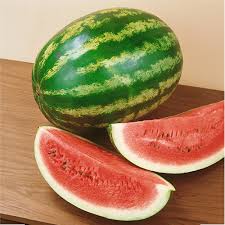
Royalty F1 is an outstanding hybrid watermelon developed to deliver premium-quality fruit with exceptional sweetness, beautiful appearance, and dependable garden performance. This modern hybrid combines vigorous vine growth with excellent fruit uniformity, producing attractive melons that are equally at home in backyard gardens and commercial fields. Gardeners appreciate its reliable yields, outstanding flavor, and strong field performance, making Royalty F1 one of the finest hybrid watermelons available.
The large, oval fruits typically weigh between 18 and 24 pounds and feature an attractive medium-green rind highlighted with dark green stripes. Inside, the flesh is a brilliant deep red with a crisp, fine-grained texture and outstanding sweetness. The fruit develops excellent internal quality with small seeds and a high sugar content, providing the refreshing flavor that watermelon lovers expect. Its firm rind offers good durability during harvesting and transportation while protecting the juicy interior.
Royalty F1 produces vigorous vines that perform best in full sun with fertile, well-drained soil and consistent moisture throughout the growing season. Plants set fruit reliably even during periods of summer heat, producing a uniform harvest of beautiful melons with excellent size and shape. The hybrid vigor contributes to strong plant growth and dependable production, making Royalty F1 an excellent choice for both experienced gardeners and first-time watermelon growers seeking consistent results.
Whether enjoyed fresh at summer picnics, displayed at farmers markets, or harvested from the home garden, Royalty F1 consistently delivers outstanding eating quality and attractive presentation. Its combination of rich sweetness, crisp texture, dependable productivity, and excellent disease resistance makes it one of the premier hybrid watermelons for today's gardeners. Every harvest showcases the benefits of modern hybrid breeding while preserving the classic flavor of a traditional summertime watermelon.
Specifications
- Plant Type: Annual warm-season vine
- Fruit Shape: Oval
- Rind: Medium green with dark green stripes
- Flesh Color: Deep crimson red
- Fruit Weight: 18–24 pounds
- Days to Harvest: Approximately 82–86 days
- Vine Length: 8–12 feet
- Sun Requirements: Full sun
- Soil Requirements: Rich, fertile, well-drained soil
- Uses: Fresh eating, home gardens, farmers markets, roadside stands, commercial production
Disease Resistance
Royalty F1 offers excellent resistance to Fusarium Wilt (Race 0 & 1) and Anthracnose (Race 1). Its hybrid vigor promotes healthy vines and dependable fruit production, while proper crop rotation, adequate spacing, and well-drained soil further reduce the risk of common watermelon diseases and help maximize yields.
Seedman Notes
Royalty F1 lives up to its regal name by producing consistently beautiful melons with outstanding sweetness and dependable garden performance. Its excellent disease resistance, uniform fruit size, crisp deep-red flesh, and exceptional flavor make it one of our top recommendations for gardeners who want premium-quality watermelons with the reliability of modern hybrid breeding. If you're looking for a watermelon that delivers both beauty and outstanding eating quality, Royalty F1 is an excellent choice.
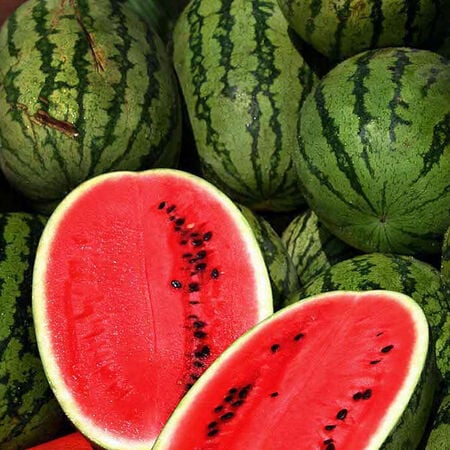
Allsweet is a classic open-pollinated watermelon that has earned its reputation as one of the finest large-fruited varieties for home gardens and commercial production. Introduced as an improvement over earlier striped watermelons, Allsweet combines excellent yields, beautiful appearance, and exceptional eating quality in one dependable variety. Its long, attractive fruits and rich crimson flesh have made it a favorite at roadside markets, farmers markets, and backyard gardens throughout the United States.
The elongated melons typically weigh between 25 and 35 pounds and feature an attractive light green rind overlaid with broad, dark green stripes. Inside, the flesh is a deep crimson red with a crisp, fine-grained texture that is remarkably juicy and sweet. The relatively small seed cavity provides an abundance of delicious edible flesh, while the thick rind helps protect the fruit during harvest and transportation. Every slice offers the refreshing sweetness and classic watermelon flavor that has made Allsweet a longtime favorite among gardeners.
Allsweet produces vigorous vines that thrive in full sun and fertile, well-drained soil. Given plenty of space, the plants develop rapidly and set multiple large fruits throughout the growing season. This variety performs especially well during long, warm summers where consistent sunshine encourages excellent sugar development and fruit quality. Regular watering during fruit development followed by slightly drier conditions as harvest approaches helps maximize sweetness and overall eating quality.
Whether you're growing watermelon for family picnics, local markets, or simply enjoying fresh fruit straight from the garden, Allsweet consistently delivers impressive harvests of beautiful, flavorful melons. Its dependable production, attractive appearance, excellent storage qualities, and exceptional sweetness have kept it among the most popular watermelon varieties for decades. Few open-pollinated varieties combine size, beauty, and flavor quite as successfully as Allsweet.
Specifications
- Plant Type: Annual warm-season vine
- Fruit Shape: Elongated oval
- Rind: Light green with broad dark green stripes
- Flesh Color: Deep crimson red
- Fruit Weight: 25–35 pounds
- Days to Harvest: Approximately 85–90 days
- Vine Length: 10–15 feet
- Sun Requirements: Full sun
- Soil Requirements: Rich, fertile, well-drained soil
- Uses: Fresh eating, farmers markets, roadside stands, home gardens, picnics
Disease Resistance
Allsweet offers good resistance to Fusarium Wilt (Race 1) and Anthracnose (Race 1), helping maintain vigorous vines and dependable fruit production throughout the growing season. Proper crop rotation, adequate spacing, and well-drained soil further promote healthy plants and excellent yields.
Seedman Notes
Allsweet has remained a favorite for generations because it delivers exactly what gardeners want in a classic watermelon—large, attractive fruits, crisp deep-red flesh, exceptional sweetness, and dependable harvests. Its beautiful striped rind and outstanding eating quality make it equally popular for backyard gardens and market growers. If you're looking for a traditional watermelon that consistently produces premium-quality fruit, Allsweet continues to be one of the finest choices available.
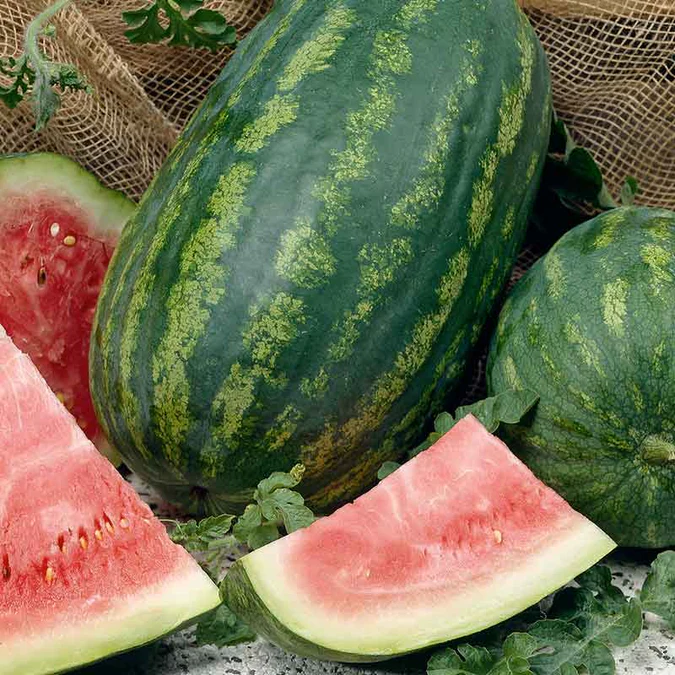
Jubilee II is an improved hybrid version of the famous Jubilee watermelon, offering the same classic appearance and outstanding flavor with enhanced vigor, improved uniformity, and excellent disease resistance. Developed for both home gardeners and commercial growers, Jubilee II produces consistently large, attractive melons that are prized for their exceptional sweetness and dependable performance. Its combination of hybrid reliability and traditional watermelon flavor has made it one of the finest long-fruited varieties available.
The elongated fruits typically weigh between 25 and 40 pounds and feature a beautiful light green rind accented with broad, dark green stripes. Inside, the flesh is a brilliant crimson red with a crisp, firm texture that is both juicy and exceptionally sweet. The attractive interior contains relatively few seeds, allowing for generous servings of delicious flesh. Its thick, durable rind helps protect the fruit during harvest and transportation while maintaining excellent internal quality.
Jubilee II thrives in full sun and fertile, well-drained soil where its vigorous vines have plenty of room to spread. Plants produce dependable harvests throughout the growing season and perform particularly well in regions with long, warm summers. Hybrid vigor promotes strong vine growth, excellent fruit set, and uniform melon size, making this variety an excellent choice for gardeners seeking reliable production as well as growers supplying local markets.
Whether served fresh at summer gatherings, displayed at roadside stands, or harvested from the family garden, Jubilee II consistently delivers beautiful, flavorful melons with excellent eating quality. Its combination of attractive appearance, dependable yields, crisp texture, and rich sweetness has made it one of the premier hybrid watermelons for gardeners who appreciate both traditional flavor and modern performance.
Specifications
- Plant Type: Annual warm-season vine
- Fruit Shape: Long, elongated oval
- Rind: Light green with broad dark green stripes
- Flesh Color: Deep crimson red
- Fruit Weight: 25–40 pounds
- Days to Harvest: Approximately 90–95 days
- Vine Length: 10–15 feet
- Sun Requirements: Full sun
- Soil Requirements: Rich, fertile, well-drained soil
- Uses: Fresh eating, farmers markets, roadside stands, home gardens, commercial production
Disease Resistance
Jubilee II offers excellent resistance to Anthracnose (Race 1) and Fusarium Wilt (Race 0 & 1). Its hybrid vigor promotes healthy vines and dependable fruit production, while proper crop rotation, consistent watering, and good air circulation further help reduce common watermelon diseases and maximize yields.
Seedman Notes
Jubilee II builds upon the outstanding reputation of the original Jubilee by combining its classic appearance and exceptional flavor with the advantages of modern hybrid breeding. Gardeners will appreciate its vigorous growth, dependable harvests, beautiful elongated fruits, and rich, sweet crimson flesh. If you're looking for a premium hybrid watermelon that consistently produces large, eye-catching melons with outstanding eating quality, Jubilee II is an excellent choice for the home garden or market grower alike.
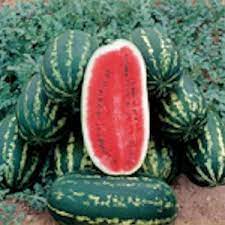
Legacy is a premium hybrid watermelon developed to combine exceptional sweetness, dependable yields, and excellent garden performance. Bred with today's growers in mind, this variety produces attractive, uniformly shaped melons with outstanding internal quality and reliable field performance. Its vigorous vines, beautiful striped fruits, and rich flavor have made Legacy an excellent choice for home gardeners, market growers, and anyone seeking a modern watermelon with classic summertime taste.
The attractive oval fruits typically weigh between 18 and 24 pounds and feature a medium-green rind highlighted with dark green stripes. Inside, the flesh is a brilliant crimson red with a crisp, fine-grained texture that is exceptionally juicy and sweet. The fruit develops excellent sugar content while maintaining a firm texture, making it ideal for slicing, serving at family gatherings, or displaying at farmers markets. Its durable rind also provides good protection during harvesting and handling without sacrificing eating quality.
Legacy grows vigorously in full sun and fertile, well-drained soil, producing healthy vines capable of setting multiple uniform fruits throughout the growing season. Hybrid vigor contributes to strong plant growth, dependable fruit set, and excellent adaptability across a wide range of growing conditions. Consistent watering during fruit development encourages maximum size and sweetness, while warm summer temperatures help develop its outstanding flavor and attractive appearance.
Whether grown for fresh home use or local market sales, Legacy consistently produces beautiful, high-quality melons that satisfy both gardeners and consumers. Its combination of dependable production, crisp texture, exceptional sweetness, and attractive appearance makes it an outstanding addition to any watermelon patch. With the reliability of modern hybrid breeding and the flavor of a traditional picnic watermelon, Legacy continues to live up to its name.
Specifications
- Plant Type: Annual warm-season vine
- Fruit Shape: Oval
- Rind: Medium green with dark green stripes
- Flesh Color: Deep crimson red
- Fruit Weight: 18–24 pounds
- Days to Harvest: Approximately 82–88 days
- Vine Length: 8–12 feet
- Sun Requirements: Full sun
- Soil Requirements: Rich, fertile, well-drained soil
- Uses: Fresh eating, home gardens, farmers markets, roadside stands, commercial production
Disease Resistance
Legacy offers excellent resistance to Fusarium Wilt (Race 0 & 1) and Anthracnose (Race 1). Its hybrid vigor promotes strong, healthy vines with dependable fruit production, while proper crop rotation, good air circulation, and well-drained soil further help minimize common watermelon diseases and ensure productive harvests.
Seedman Notes
Legacy is an excellent choice for gardeners who want the dependable performance of a modern hybrid without giving up the classic flavor of a traditional watermelon. Its attractive striped fruits, crisp deep-red flesh, excellent sweetness, and reliable disease resistance make it one of the easiest premium watermelons to grow successfully. Whether you're planting a few hills in the backyard or growing for local markets, Legacy delivers the quality and consistency that its name represents.
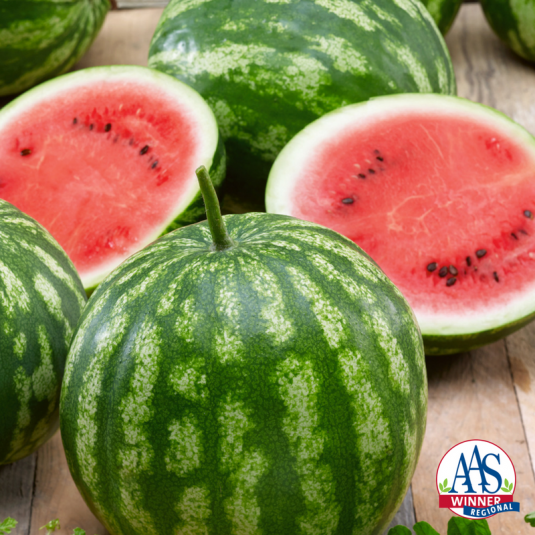
California Sweet Bush Hybrid is an exciting compact watermelon developed specifically for gardeners with limited growing space who still want to harvest full-sized, delicious fruit. Unlike traditional watermelon varieties that require sprawling vines stretching across the garden, this unique hybrid produces shorter, bush-type plants that fit neatly into raised beds, small gardens, and even large containers. Its compact growth habit, dependable productivity, and outstanding flavor make it an excellent choice for today's home gardener.
The attractive round to slightly oval fruits typically weigh between 10 and 15 pounds and feature a smooth light green rind accented with darker green stripes. Inside, the flesh is a brilliant crimson red with a crisp, juicy texture and exceptional sweetness. Despite the plant's compact size, the fruit rivals much larger watermelon varieties in both flavor and quality. The manageable fruit size is ideal for family meals, fitting easily into the refrigerator after harvest while providing generous servings with little waste.
California Sweet Bush Hybrid performs best in full sun with fertile, well-drained soil and consistent moisture during fruit development. Its shorter vines, usually growing only 3 to 5 feet long, require significantly less space than conventional watermelons while still producing dependable yields throughout the growing season. This makes it an outstanding variety for urban gardens, patio planters, raised beds, and gardeners who simply want to maximize production in a smaller area.
Whether grown in a traditional vegetable garden or a compact backyard planting, California Sweet Bush Hybrid consistently produces attractive, flavorful melons with excellent eating quality. Its combination of bush-type growth, dependable hybrid vigor, crisp sweet flesh, and space-saving habit has made it one of the finest watermelon choices for gardeners who thought they didn't have enough room to grow this summertime favorite.
Specifications
- Plant Type: Annual warm-season bush hybrid
- Growth Habit: Compact bush, short vines
- Fruit Shape: Round to slightly oval
- Rind: Light green with dark green stripes
- Flesh Color: Deep crimson red
- Fruit Weight: 10–15 pounds
- Days to Harvest: Approximately 75–80 days
- Vine Length: 3–5 feet
- Sun Requirements: Full sun
- Soil Requirements: Rich, fertile, well-drained soil
- Uses: Fresh eating, raised beds, patio gardens, containers, small gardens, family-sized servings
Disease Resistance
California Sweet Bush Hybrid exhibits strong hybrid vigor with excellent field performance. Healthy plants benefit from resistance to Fusarium Wilt (Race 0 & 1) and Anthracnose (Race 1). Proper spacing, crop rotation, and consistent watering further promote vigorous growth and productive harvests.
Seedman Notes
California Sweet Bush Hybrid is proof that you don't need a large garden to grow outstanding watermelons. Its compact vines fit where traditional watermelons simply won't, yet it produces beautiful, sweet, crisp melons that rival full-sized varieties in flavor. We especially recommend this hybrid for gardeners with raised beds, suburban lots, patio gardens, or anyone wanting to make the most of limited growing space without sacrificing the joy of harvesting homegrown watermelon.
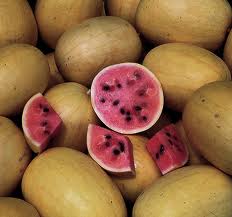
Golden Midget is a charming heirloom icebox watermelon that has delighted gardeners for decades with its unique appearance and exceptionally early harvest. Unlike most watermelon varieties, Golden Midget signals its ripeness by changing its rind from light green to a brilliant golden-yellow, making it one of the easiest watermelons to know exactly when to pick. Combined with its compact size and delicious flavor, this distinctive variety has become a favorite for home gardens and small families.
The round fruits typically weigh between 3 and 7 pounds, making them perfect for individual servings or family meals without the need to store large leftovers. Beneath the bright golden rind lies beautiful salmon-pink to deep rose-colored flesh that is crisp, juicy, and surprisingly sweet for such an early variety. The attractive contrast between the golden exterior and colorful interior makes Golden Midget a true conversation piece at picnics, family gatherings, and farmers markets.
Golden Midget grows on vigorous but manageable vines that mature earlier than most standard watermelon varieties, often producing ripe fruit in as little as 70 days. Plants thrive in full sun and fertile, well-drained soil, making them an excellent choice for northern climates or regions with shorter growing seasons. Their compact fruit size also allows gardeners to enjoy multiple harvests throughout the summer while requiring far less garden space than giant watermelon varieties.
Whether you're introducing children to gardening, growing in a smaller backyard, or simply looking for an early watermelon with unique appeal, Golden Midget consistently delivers outstanding results. Its dependable productivity, easy-to-read ripeness indicator, attractive appearance, and sweet refreshing flavor have earned it a well-deserved reputation as one of the finest early icebox watermelons available.
Specifications
- Plant Type: Annual warm-season vine
- Fruit Shape: Round
- Rind: Changes from light green to brilliant golden yellow at maturity
- Flesh Color: Salmon-pink to rose red
- Fruit Weight: 3–7 pounds
- Days to Harvest: Approximately 68–72 days
- Vine Length: 6–8 feet
- Sun Requirements: Full sun
- Soil Requirements: Rich, fertile, well-drained soil
- Uses: Fresh eating, small gardens, northern climates, family-sized servings, early harvests
Disease Resistance
Golden Midget is a vigorous heirloom variety that performs well under proper growing conditions. Good crop rotation, adequate spacing, and well-drained soil help maintain healthy vines while minimizing common watermelon diseases such as anthracnose, fusarium wilt, gummy stem blight, and powdery mildew.
Seedman Notes
Golden Midget is one of the easiest watermelons to harvest because nature tells you exactly when it's ready—the rind turns a beautiful golden yellow. Its early maturity, compact fruit size, sweet refreshing flesh, and dependable garden performance make it an outstanding choice for gardeners with short growing seasons or limited space. If you're looking for a unique watermelon that's as attractive as it is delicious, Golden Midget is sure to become one of your summertime favorites.
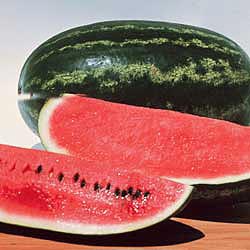
Congo is a classic heirloom watermelon that has earned a reputation for producing enormous, exceptionally sweet melons with outstanding garden performance. Introduced in the mid-20th century, this impressive variety quickly became a favorite among home gardeners, market growers, and exhibition enthusiasts for its remarkable size, beautiful appearance, and consistently delicious flavor. Its dependable production and vigorous growth have made Congo one of the premier large-fruited watermelons grown throughout the United States.
The large, oblong fruits commonly weigh between 30 and 40 pounds, with well-grown specimens frequently exceeding 50 pounds under ideal conditions. The attractive rind is medium green with darker green striping, surrounding brilliant crimson-red flesh that is crisp, juicy, and exceptionally sweet. The firm texture and fine grain make every slice refreshing and satisfying, while the thick rind provides excellent durability for harvesting, transportation, and short-term storage. Its combination of size and eating quality has made Congo a favorite for family reunions, church picnics, and roadside markets.
Congo thrives during long, warm summers where full sun and fertile, well-drained soil encourage vigorous vine growth and heavy fruit production. Plants spread generously and benefit from ample growing space, regular watering during fruit development, and consistent fertility throughout the season. Once established, the vines demonstrate excellent heat tolerance and produce dependable harvests even during periods of intense summer weather, making this variety especially popular throughout the South and Midwest.
Whether you're growing giant melons for the family table, local markets, or simply to enjoy an old-fashioned heirloom with outstanding flavor, Congo consistently delivers impressive results. Its combination of enormous fruit size, dependable yields, beautiful striped rind, and rich crimson flesh has kept it among the most respected heirloom watermelons for generations. Few varieties combine classic appearance and exceptional eating quality quite as successfully as Congo.
Specifications
- Plant Type: Annual warm-season vine
- Fruit Shape: Large oblong
- Rind: Medium green with dark green striping
- Flesh Color: Deep crimson red
- Fruit Weight: 30–40 pounds (larger under ideal conditions)
- Days to Harvest: Approximately 90–95 days
- Vine Length: 10–15 feet
- Sun Requirements: Full sun
- Soil Requirements: Rich, fertile, well-drained soil
- Uses: Fresh eating, farmers markets, roadside stands, home gardens, exhibitions, family gatherings
Disease Resistance
Congo exhibits excellent field vigor and dependable performance when grown under proper cultural conditions. Good crop rotation, adequate plant spacing, and well-drained soil help minimize common watermelon diseases such as anthracnose, fusarium wilt, gummy stem blight, and powdery mildew while promoting vigorous vines and abundant harvests.
Seedman Notes
Congo is one of those heirloom watermelons that never goes out of style. Gardeners love its impressive size, dependable production, and exceptionally sweet crimson flesh, while families appreciate having a single melon large enough to serve a crowd. If you're looking for a true old-fashioned picnic watermelon that combines giant fruits with outstanding flavor, Congo remains one of the finest heirloom varieties you can grow.
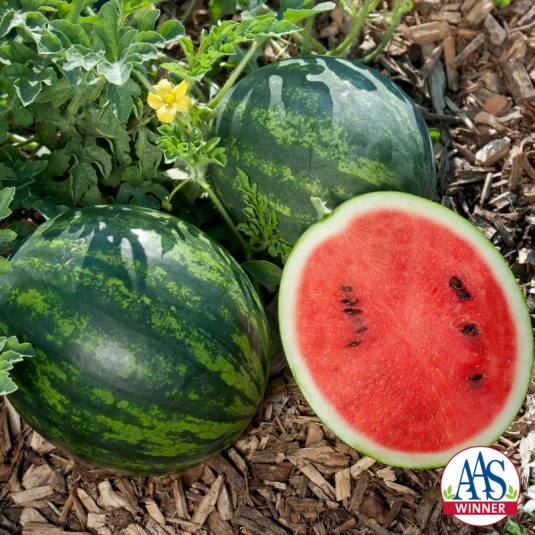
Mini Love Hybrid is a premium personal-sized seedless watermelon that delivers all the sweetness and refreshing flavor of a full-sized melon in a compact, easy-to-handle package. Bred for today's home gardeners and fresh market growers, this outstanding hybrid produces attractive, uniformly round fruits that are perfectly sized for small families and convenient refrigerator storage. Its vigorous plants, dependable yields, and exceptional eating quality have quickly made Mini Love one of the most popular personal watermelons available.
The beautiful round fruits typically weigh between 7 and 9 pounds and feature a dark green rind with subtle striping that protects the brilliant crimson-red flesh inside. Nearly seedless, the crisp flesh is remarkably juicy, fine-textured, and exceptionally sweet, offering outstanding flavor with every bite. Its compact size makes slicing and serving easy while eliminating the waste often associated with oversized watermelons. Mini Love is equally at home on picnic tables, fruit trays, or simply chilled and enjoyed straight from the refrigerator.
Mini Love Hybrid grows on vigorous, space-efficient vines that thrive in full sun and fertile, well-drained soil. Plants produce dependable harvests of uniformly sized melons and perform well in both traditional gardens and raised beds. The relatively compact vines require less space than many standard watermelon varieties while maintaining excellent productivity. Consistent watering during fruit development and plenty of sunshine encourage maximum sweetness and outstanding fruit quality.
Whether grown for home use or local farmers markets, Mini Love Hybrid consistently produces beautiful, premium-quality melons that appeal to gardeners and consumers alike. Its convenient size, nearly seedless flesh, dependable production, and outstanding flavor make it one of the finest modern hybrid watermelons for today's gardens. It's an excellent choice for anyone who wants gourmet watermelon quality in a perfectly sized fruit.
Specifications
- Plant Type: Annual warm-season hybrid vine
- Fruit Shape: Round
- Rind: Dark green with faint striping
- Flesh Color: Deep crimson red
- Fruit Weight: 7–9 pounds
- Seed Type: Nearly seedless (triploid hybrid)
- Days to Harvest: Approximately 70–75 days
- Vine Length: 6–8 feet
- Sun Requirements: Full sun
- Soil Requirements: Rich, fertile, well-drained soil
- Uses: Fresh eating, home gardens, raised beds, farmers markets, family-sized servings
Disease Resistance
Mini Love Hybrid offers excellent resistance to Fusarium Wilt (Race 0 & 1) and Anthracnose (Race 1). Strong hybrid vigor promotes healthy vines and dependable fruit production, while proper spacing, crop rotation, and consistent moisture help maintain excellent plant health throughout the growing season.
Seedman Notes
Mini Love Hybrid has become one of our favorite personal-sized watermelons because it combines premium flavor with unmatched convenience. The nearly seedless, crisp crimson flesh is incredibly sweet, and the perfectly sized fruits fit easily into the refrigerator without taking up an entire shelf. For gardeners who want gourmet-quality watermelon from compact, productive vines, Mini Love Hybrid is an outstanding modern variety that consistently delivers delicious results.
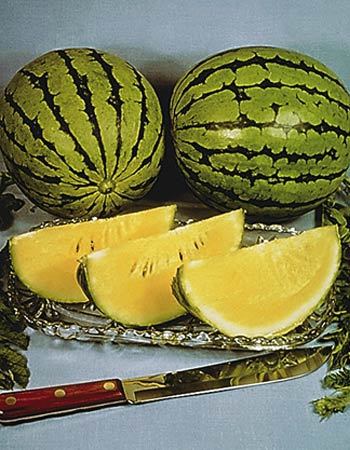
Yellow Doll is one of the finest early-maturing icebox watermelons available, producing beautiful personal-sized fruits with brilliant golden-yellow flesh and exceptional sweetness. This dependable hybrid has become a favorite among home gardeners and market growers alike for its early harvest, compact fruit size, and outstanding eating quality. Combining rapid maturity with excellent flavor, Yellow Doll allows gardeners to enjoy delicious homegrown watermelon weeks before many standard varieties are ready.
The attractive round fruits typically weigh between 5 and 8 pounds, making them the perfect size for small families, picnics, and convenient refrigerator storage. The smooth light green rind is accented with darker green striping, while the interior reveals vibrant golden-yellow flesh that is crisp, juicy, and remarkably sweet. Nearly every bite offers refreshing flavor with very few seeds, making Yellow Doll both attractive and easy to enjoy. Its bright yellow flesh creates a striking presentation that always surprises first-time visitors.
Yellow Doll grows vigorously on compact vines that perform exceptionally well in full sun and fertile, well-drained soil. Its early maturity makes it an excellent choice for northern gardeners and regions with shorter growing seasons, while gardeners in warmer climates often enjoy an extended harvest season by planting successive crops. The plants produce dependable yields of uniformly sized melons that mature quickly without sacrificing sweetness or overall fruit quality.
Whether grown in backyard gardens, raised beds, or for local farmers markets, Yellow Doll consistently produces beautiful melons with premium flavor and eye-catching color. Its combination of early maturity, manageable fruit size, dependable production, and exceptionally sweet golden flesh has earned it a reputation as one of the best yellow-fleshed watermelons available for home gardeners.
Specifications
- Plant Type: Annual warm-season hybrid vine
- Fruit Shape: Round
- Rind: Light green with dark green stripes
- Flesh Color: Bright golden yellow
- Fruit Weight: 5–8 pounds
- Days to Harvest: Approximately 68–72 days
- Vine Length: 6–8 feet
- Sun Requirements: Full sun
- Soil Requirements: Rich, fertile, well-drained soil
- Uses: Fresh eating, home gardens, raised beds, farmers markets, family-sized servings
Disease Resistance
Yellow Doll offers excellent resistance to Fusarium Wilt (Race 0 & 1) and Anthracnose (Race 1). Its hybrid vigor promotes healthy vines, dependable fruit set, and consistent harvests, while proper crop rotation, adequate spacing, and well-drained soil further support strong plant health throughout the growing season.
Seedman Notes
Yellow Doll has become one of our favorite early watermelons because it combines speed, beauty, and outstanding flavor in one compact package. Its brilliant yellow flesh is exceptionally sweet, the fruits are perfectly sized for today's families, and the early harvest means you can enjoy homegrown watermelon while many larger varieties are still maturing. If you're looking for a colorful, dependable, and delicious icebox watermelon, Yellow Doll is an outstanding choice that rarely disappoints.
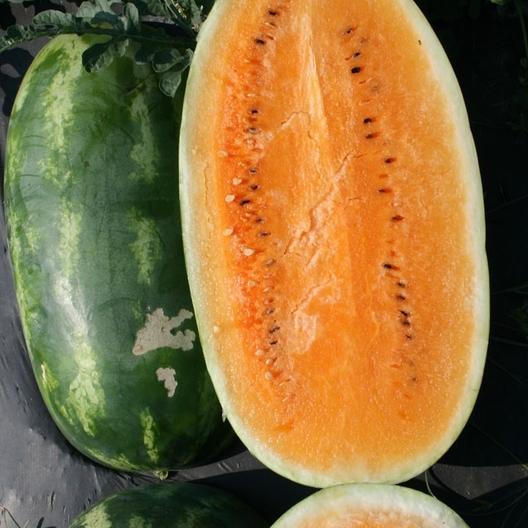
Tendersweet Orange is a spectacular heirloom watermelon prized for its brilliant deep orange flesh, outstanding sweetness, and impressive fruit size. Originally introduced as part of the renowned Tendersweet series, this unique variety has become a favorite among gardeners who enjoy growing something a little different without sacrificing the rich, refreshing flavor of a traditional watermelon. Its striking appearance and exceptional eating quality make it one of the finest orange-fleshed watermelons available.
The large, elongated fruits typically weigh between 20 and 35 pounds and feature an attractive light green rind with darker green striping. Inside, the flesh is a vibrant deep orange, remarkably crisp, juicy, and exceptionally sweet with a rich, tropical flavor that sets it apart from ordinary red-fleshed varieties. The fine-grained texture provides an outstanding eating experience, while the colorful interior creates a stunning presentation for picnics, fruit trays, and summer gatherings. Its durable rind also offers excellent protection during harvest and transport.
Tendersweet Orange thrives during long, warm summers where full sun and fertile, well-drained soil promote vigorous vine growth and abundant fruit production. Plants develop long, healthy vines capable of producing multiple large melons throughout the growing season. Consistent watering during fruit development encourages maximum size and sweetness, while reducing irrigation as harvest approaches helps concentrate natural sugars and enhance the fruit's outstanding flavor.
Whether grown for family enjoyment, farmers markets, or simply to surprise friends with its brilliant orange flesh, Tendersweet Orange never fails to impress. Its combination of beautiful appearance, dependable yields, exceptional sweetness, and unique interior color has earned it a loyal following among heirloom watermelon enthusiasts. For gardeners looking to grow something truly memorable, few varieties can match the beauty and flavor of Tendersweet Orange.
Specifications
- Plant Type: Annual warm-season vine
- Fruit Shape: Elongated oval
- Rind: Light green with dark green striping
- Flesh Color: Brilliant deep orange
- Fruit Weight: 20–35 pounds
- Days to Harvest: Approximately 85–90 days
- Vine Length: 10–15 feet
- Sun Requirements: Full sun
- Soil Requirements: Rich, fertile, well-drained soil
- Uses: Fresh eating, fruit trays, farmers markets, home gardens, picnics
Disease Resistance
Tendersweet Orange is a vigorous heirloom variety that performs exceptionally well under proper growing conditions. Crop rotation, adequate spacing, consistent watering, and well-drained soil help minimize common watermelon diseases such as anthracnose, fusarium wilt, gummy stem blight, and powdery mildew while promoting healthy vines and dependable harvests.
Seedman Notes
Tendersweet Orange is one of those rare watermelon varieties that captures attention before it's even tasted. Slice open one of these beautiful melons and the brilliant orange flesh immediately stands out from the crowd. Fortunately, its outstanding sweetness and crisp texture are every bit as impressive as its appearance. If you're looking for a watermelon that combines heirloom character, exceptional flavor, and unforgettable color, Tendersweet Orange is one of our highest recommendations.
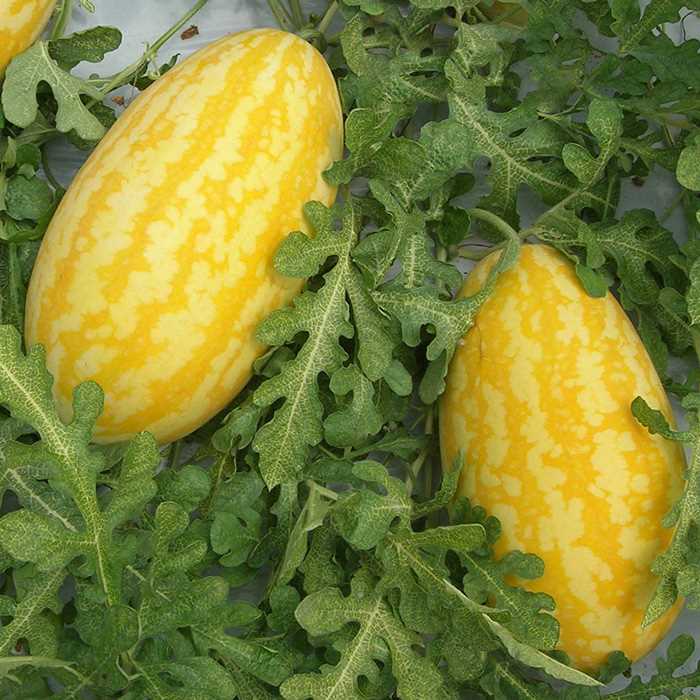
Gold in Gold Hybrid is a premium hybrid watermelon developed for gardeners who appreciate outstanding sweetness, dependable performance, and the striking beauty of golden-yellow flesh. This exceptional variety combines modern hybrid vigor with excellent fruit quality, producing attractive melons that are as delicious as they are eye-catching. Its vibrant golden interior and refreshing flavor offer a delightful alternative to traditional red-fleshed watermelons, making it a favorite for home gardens and specialty markets.
The round to slightly oval fruits typically weigh between 12 and 18 pounds and feature a smooth medium-green rind accented with darker green stripes. Beneath the rind lies brilliant golden-yellow flesh that is exceptionally crisp, juicy, and remarkably sweet with a clean, refreshing flavor. The fine-grained texture provides an excellent eating experience, while the vivid yellow interior creates an impressive display when sliced for family gatherings, picnics, or fresh fruit platters. The fruits are also known for their attractive uniformity and excellent internal quality.
Gold in Gold Hybrid thrives in full sun and fertile, well-drained soil where its vigorous vines produce dependable harvests throughout the growing season. Plants exhibit strong hybrid vigor, excellent fruit set, and uniform development, making them well suited for both home gardeners and market growers. Regular watering during fruit development encourages maximum size and sweetness, while warm summer temperatures help concentrate sugars and develop the variety's exceptional flavor.
Whether grown for its unique appearance, outstanding sweetness, or dependable productivity, Gold in Gold Hybrid consistently delivers premium-quality watermelons that stand out from ordinary varieties. Its combination of beautiful golden flesh, crisp texture, attractive fruit size, and reliable hybrid performance makes it one of the finest yellow-fleshed watermelons available for today's gardeners.
Specifications
- Plant Type: Annual warm-season hybrid vine
- Fruit Shape: Round to slightly oval
- Rind: Medium green with dark green striping
- Flesh Color: Brilliant golden yellow
- Fruit Weight: 12–18 pounds
- Days to Harvest: Approximately 78–82 days
- Vine Length: 8–10 feet
- Sun Requirements: Full sun
- Soil Requirements: Rich, fertile, well-drained soil
- Uses: Fresh eating, fruit trays, home gardens, farmers markets, specialty markets
Disease Resistance
Gold in Gold Hybrid offers excellent resistance to Fusarium Wilt (Race 0 & 1) and Anthracnose (Race 1). Strong hybrid vigor promotes healthy vines, dependable fruit production, and excellent field performance, while proper crop rotation, adequate spacing, and well-drained soil further support vigorous plant growth and productive harvests.
Seedman Notes
Gold in Gold Hybrid is an exceptional choice for gardeners who want something truly distinctive. The beautiful golden flesh is every bit as sweet and refreshing as the finest red watermelons, while its brilliant color creates an unforgettable presentation at the table. Combined with dependable hybrid vigor, attractive fruits, and consistently outstanding flavor, Gold in Gold Hybrid is one of our favorite yellow-fleshed watermelons for both home gardens and specialty growers.
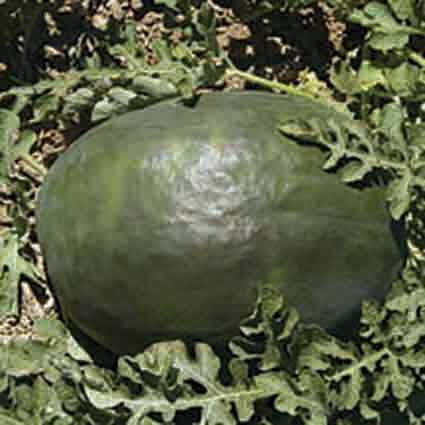
Black Diamond is one of the most famous heirloom watermelons ever introduced, celebrated for its enormous size, nearly black rind, and exceptionally sweet crimson-red flesh. For generations, this classic variety has been a favorite among home gardeners, commercial growers, and county fair exhibitors who appreciate its dependable production and impressive appearance. Its combination of old-fashioned flavor, vigorous growth, and giant fruits has earned Black Diamond a permanent place among America's finest heirloom watermelons.
The large, round to slightly oval fruits commonly weigh between 30 and 50 pounds, with exceptional specimens often exceeding 75 pounds under ideal growing conditions. The smooth, dark green rind is so deep in color that it appears almost black, creating a striking contrast with the brilliant crimson-red flesh inside. The flesh is firm, crisp, remarkably juicy, and exceptionally sweet with the rich, old-fashioned watermelon flavor that has delighted families for decades. Its thick rind provides excellent protection during harvest and transport while helping maintain freshness after picking.
Black Diamond thrives during long, hot summers where full sun and fertile, well-drained soil encourage vigorous vine growth and heavy fruit production. Plants develop long, sprawling vines that require generous garden space but reward growers with dependable harvests of truly impressive melons. Regular watering during fruit development promotes maximum size and quality, while reducing irrigation as the fruits mature helps concentrate sugars and produce their outstanding sweetness.
Whether grown for family picnics, roadside markets, county fairs, or simply to enjoy a true heirloom classic, Black Diamond consistently delivers spectacular results. Its massive fruits, beautiful dark rind, crisp crimson flesh, and dependable productivity continue to make it one of the most recognized and respected watermelon varieties ever developed. Few heirloom watermelons have earned such lasting popularity among gardeners throughout North America.
Specifications
- Plant Type: Annual warm-season vine
- Fruit Shape: Round to slightly oval
- Rind: Smooth, very dark green (nearly black)
- Flesh Color: Deep crimson red
- Fruit Weight: 30–50 pounds (larger under ideal conditions)
- Days to Harvest: Approximately 90–95 days
- Vine Length: 10–15 feet
- Sun Requirements: Full sun
- Soil Requirements: Rich, fertile, well-drained soil
- Uses: Fresh eating, farmers markets, roadside stands, home gardens, exhibitions, family gatherings
Disease Resistance
Black Diamond is a vigorous heirloom variety that performs exceptionally well when grown using good cultural practices. Crop rotation, proper plant spacing, fertile well-drained soil, and consistent watering help maintain healthy vines while minimizing common watermelon diseases such as anthracnose, fusarium wilt, gummy stem blight, and powdery mildew.
Seedman Notes
Few watermelons are as instantly recognizable as Black Diamond. Its nearly black rind, giant fruits, and rich crimson flesh have made it a favorite for generations of gardeners who appreciate old-fashioned watermelon flavor. If you have plenty of garden space and enjoy growing truly impressive melons, Black Diamond is one of the finest heirloom varieties you can plant. It remains a timeless classic that continues to produce some of the sweetest and most memorable watermelons of summer.
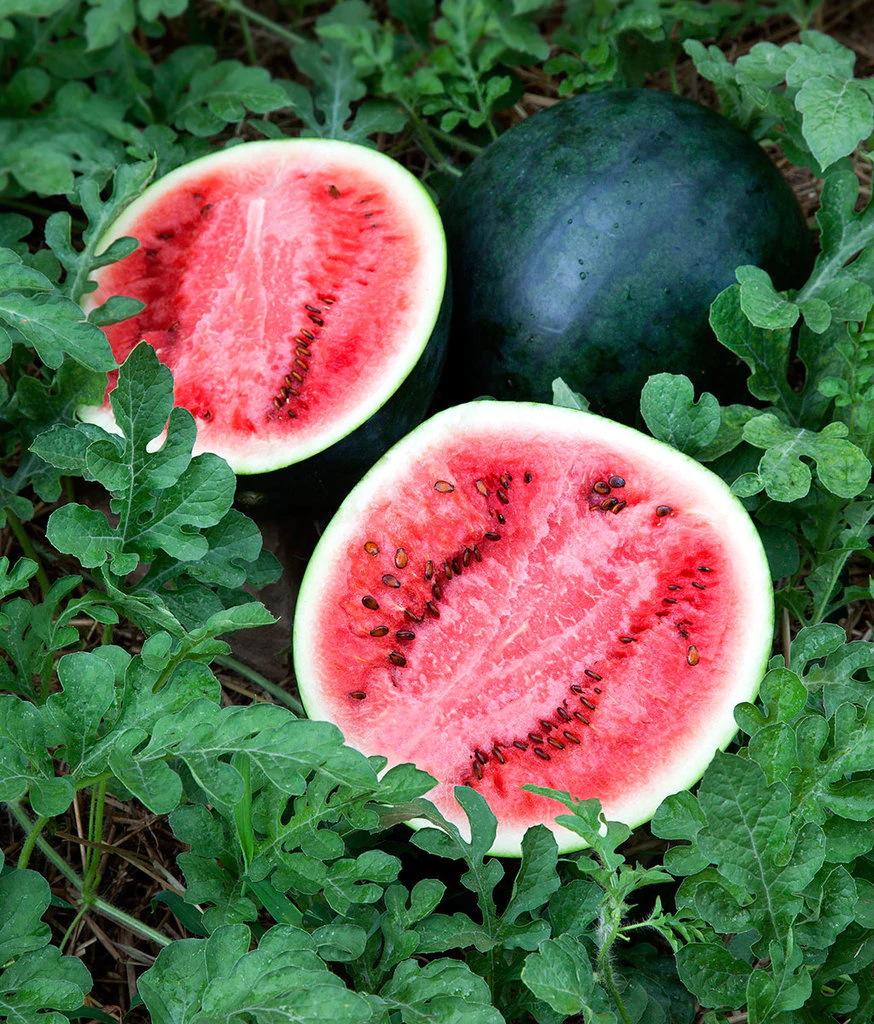
Sugar Baby is one of the most beloved icebox watermelons ever introduced, prized for its compact size, remarkably sweet flavor, and dependable productivity. Since its introduction in the 1950s, this classic heirloom has become a favorite among home gardeners who want delicious, family-sized watermelons without sacrificing valuable garden space. Its early maturity and exceptional eating quality have made Sugar Baby one of the most widely grown personal watermelons in the world.
The attractive round fruits typically weigh between 8 and 12 pounds and are covered with a smooth, deep green rind that appears almost black when fully mature. Inside, the flesh is a brilliant crimson red with a fine-grained, crisp texture that is exceptionally juicy and bursting with sweetness. The relatively small seed cavity provides an abundance of edible flesh, making Sugar Baby ideal for family meals, picnics, and refrigerator storage. Its compact size makes harvesting and handling easy while still delivering the rich flavor expected from much larger watermelons.
Sugar Baby thrives in full sun and fertile, well-drained soil, producing vigorous vines that require considerably less space than many standard watermelon varieties. Its early maturity makes it an excellent choice for northern gardeners and regions with shorter growing seasons, while gardeners in warmer climates appreciate its ability to produce reliable harvests early in the summer. Regular watering during fruit development encourages maximum sweetness and juicy, high-quality flesh.
Whether grown in backyard gardens, raised beds, or small family farms, Sugar Baby consistently produces beautiful, flavorful melons that satisfy gardeners year after year. Its combination of early maturity, manageable fruit size, dependable yields, and exceptionally sweet crimson flesh has earned it a well-deserved reputation as one of the finest personal-sized heirloom watermelons ever developed.
Specifications
- Plant Type: Annual warm-season vine
- Fruit Shape: Round
- Rind: Smooth, very dark green (almost black)
- Flesh Color: Deep crimson red
- Fruit Weight: 8–12 pounds
- Days to Harvest: Approximately 75–80 days
- Vine Length: 6–10 feet
- Sun Requirements: Full sun
- Soil Requirements: Rich, fertile, well-drained soil
- Uses: Fresh eating, home gardens, raised beds, small gardens, family-sized servings, farmers markets
Disease Resistance
Sugar Baby is a vigorous heirloom variety that performs reliably under a wide range of growing conditions. Proper crop rotation, adequate spacing, fertile well-drained soil, and consistent watering help maintain healthy vines while minimizing common watermelon diseases such as anthracnose, fusarium wilt, gummy stem blight, and powdery mildew.
Seedman Notes
Sugar Baby has remained a gardener's favorite for more than half a century because it delivers everything people love about watermelon in a perfectly manageable size. Its nearly black rind, crisp crimson flesh, exceptional sweetness, and early maturity make it ideal for home gardens of every size. If you're looking for a dependable, old-fashioned watermelon that fits easily into the refrigerator and consistently produces outstanding flavor, Sugar Baby remains one of the very best choices available.
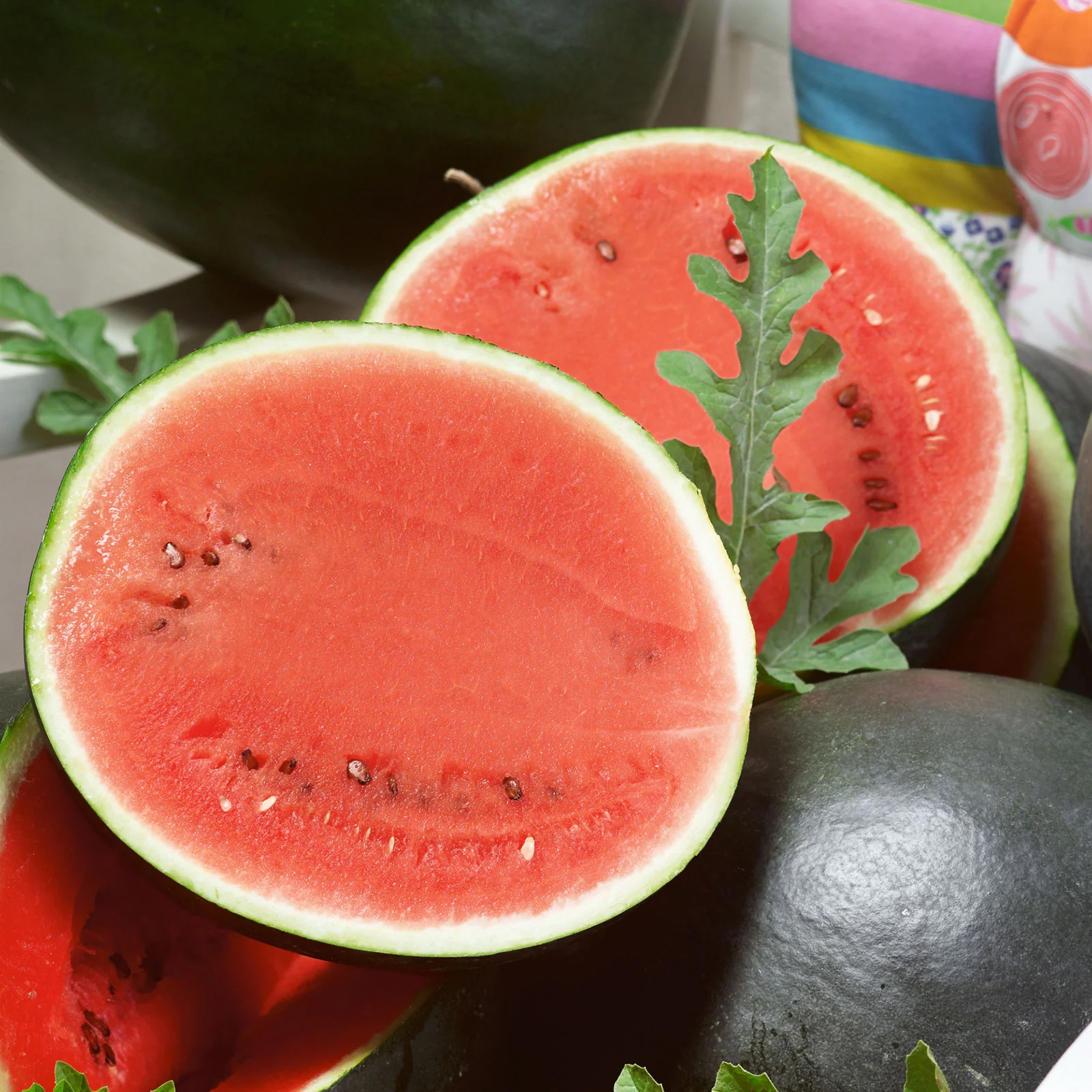
Sugar Baby Bush is a compact hybrid watermelon developed specifically for gardeners who want to enjoy the outstanding flavor of the classic Sugar Baby without sacrificing valuable garden space. Featuring a true bush growth habit with short, manageable vines, this variety is ideal for raised beds, small gardens, patios, and even large containers. Despite its compact plants, Sugar Baby Bush produces full-flavored, family-sized melons that rival larger watermelon varieties in sweetness and quality.
The attractive round fruits typically weigh between 6 and 10 pounds and develop a smooth, very dark green rind that appears almost black when mature. Beneath the handsome exterior lies brilliant crimson-red flesh that is crisp, juicy, and exceptionally sweet with the rich, old-fashioned watermelon flavor gardeners have loved for generations. The compact fruit size is perfect for family meals, fits easily into the refrigerator, and eliminates the waste often associated with oversized watermelons.
Sugar Baby Bush performs exceptionally well in full sun and fertile, well-drained soil where its compact vines, usually growing only 3 to 5 feet long, make efficient use of limited space. Plants mature quickly and produce dependable harvests during warm summer weather. Their bush-type growth habit makes them an excellent choice for urban gardeners, raised-bed enthusiasts, and anyone looking to maximize production in a smaller planting area while still enjoying premium-quality fruit.
Whether grown in a backyard vegetable garden, decorative raised bed, or patio planter, Sugar Baby Bush consistently rewards gardeners with attractive, delicious melons and reliable production. Its combination of compact growth, early maturity, exceptional sweetness, and convenient fruit size makes it one of the finest space-saving watermelon varieties available for today's home gardens.
Specifications
- Plant Type: Annual warm-season bush watermelon
- Growth Habit: Compact bush with short vines
- Fruit Shape: Round
- Rind: Smooth, very dark green (almost black)
- Flesh Color: Deep crimson red
- Fruit Weight: 6–10 pounds
- Days to Harvest: Approximately 75–80 days
- Vine Length: 3–5 feet
- Sun Requirements: Full sun
- Soil Requirements: Rich, fertile, well-drained soil
- Uses: Fresh eating, raised beds, containers, patios, small gardens, family-sized servings
Disease Resistance
Sugar Baby Bush exhibits excellent hybrid vigor and dependable field performance when grown under proper conditions. Healthy plants benefit from good crop rotation, consistent watering, adequate spacing, and well-drained soil, helping reduce common watermelon diseases such as fusarium wilt, anthracnose, gummy stem blight, and powdery mildew while promoting vigorous growth and productive harvests.
Seedman Notes
Sugar Baby Bush brings the famous sweetness of the classic Sugar Baby to gardeners with limited space. Its compact vines fit neatly into raised beds and smaller gardens while still producing beautiful, crisp, flavorful melons that are perfectly sized for today's families. If you've always wanted to grow watermelon but thought your garden was too small, Sugar Baby Bush is one of the best varieties available to prove otherwise.
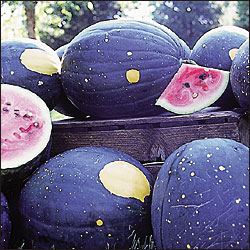
Moon and Stars Red is one of the most distinctive heirloom watermelons ever introduced, famous for its beautiful celestial pattern of bright yellow spots scattered across a dark green rind. Originally introduced in the 1920s and rediscovered decades later after nearly disappearing from cultivation, this remarkable variety has become a treasured favorite among heirloom gardeners. Its unusual appearance, vigorous growth, and outstanding flavor make it one of the most recognizable watermelons grown today.
The large, round to slightly oval fruits typically weigh between 20 and 35 pounds and are instantly recognized by their deep green rind covered with numerous small yellow spots, along with one or more large yellow "moon" markings. Inside, the flesh is a rich crimson red with a crisp, juicy texture and exceptionally sweet flavor. The beautiful contrast between the dramatic exterior and vibrant red interior makes every harvested melon a showpiece for the garden, farmers market, or picnic table.
Moon and Stars Red thrives in full sun and fertile, well-drained soil where its vigorous vines have plenty of room to spread. Plants perform exceptionally well during long, warm summers, producing dependable harvests of large, attractive melons. Consistent watering during fruit development encourages maximum size and sweetness, while reducing irrigation slightly as harvest approaches helps concentrate sugars and enhance the rich, old-fashioned watermelon flavor for which this heirloom is famous.
Whether grown to preserve an important piece of gardening history or simply to enjoy one of the most unusual watermelons ever developed, Moon and Stars Red never fails to attract admiration. Children and adults alike are fascinated by its star-filled rind, while the delicious crimson flesh ensures it is remembered for far more than its appearance. Combining heirloom beauty, dependable productivity, and exceptional eating quality, this variety remains one of the true treasures of the watermelon world.
Specifications
- Plant Type: Annual warm-season vine
- Fruit Shape: Round to slightly oval
- Rind: Dark green with large yellow "moon" and numerous small yellow "stars"
- Flesh Color: Deep crimson red
- Fruit Weight: 20–35 pounds
- Days to Harvest: Approximately 90–100 days
- Vine Length: 10–15 feet
- Sun Requirements: Full sun
- Soil Requirements: Rich, fertile, well-drained soil
- Uses: Fresh eating, heirloom gardens, farmers markets, exhibitions, family gatherings
Disease Resistance
Moon and Stars Red is a vigorous heirloom variety that performs reliably when grown under good cultural conditions. Crop rotation, proper spacing, fertile well-drained soil, and consistent watering help minimize common watermelon diseases such as anthracnose, fusarium wilt, gummy stem blight, and powdery mildew while encouraging vigorous vines and abundant fruit production.
Seedman Notes
Few watermelons capture the imagination quite like Moon and Stars Red. Its spectacular celestial markings make it one of the most photographed heirloom vegetables in the garden, yet its outstanding sweetness and crisp crimson flesh are what keep gardeners planting it year after year. Rich in history, unmistakable in appearance, and delicious at harvest, Moon and Stars Red is truly one of the world's most remarkable watermelon varieties.
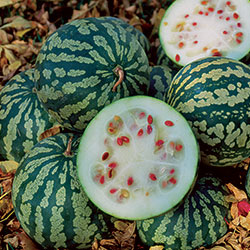
Citron Melon is a fascinating heirloom watermelon that has been grown for centuries, not as a dessert melon, but as one of the finest preserving and cooking melons ever developed. Native to Africa and long cultivated throughout the southern United States, this unique variety produces firm, white-fleshed fruits that are prized for making preserves, jams, marmalades, candies, and pickles. While not intended for fresh eating like traditional sweet watermelons, Citron Melon remains a treasured favorite among gardeners who enjoy preserving old-fashioned recipes and growing historic heirloom crops.
The attractive round fruits typically weigh between 10 and 20 pounds and develop a smooth green rind that may be solid green or lightly striped depending on the strain. Inside, the flesh is firm, crisp, and snowy white with numerous reddish-brown seeds. Unlike dessert watermelons, the flesh is mild in flavor with a low sugar content, making it ideal for absorbing spices, sugar, and fruit flavors during cooking. For generations, Southern families have transformed these melons into delicious citron preserves that have become treasured family recipes passed from one generation to the next.
Citron Melon thrives in warm climates where long, sunny growing seasons encourage vigorous vine growth and dependable fruit production. Plants perform best in fertile, well-drained soil with full sun and plenty of room for the vines to spread. Once established, the plants tolerate summer heat remarkably well and continue producing dependable harvests throughout the season. The fruits also store well after harvest, allowing plenty of time for preparing preserves and other homemade specialties.
Today, Citron Melon is grown as much for its historical significance as for its culinary value. It is an excellent addition to heirloom gardens, homesteads, and anyone interested in preserving traditional foodways. Whether you're recreating an old family preserve recipe or simply exploring one of America's classic heritage crops, Citron Melon offers a rewarding gardening experience unlike any other watermelon.
Specifications
- Plant Type: Annual warm-season vine
- Fruit Shape: Round
- Rind: Smooth green, solid or lightly striped
- Flesh Color: Firm white
- Fruit Weight: 10–20 pounds
- Days to Harvest: Approximately 90–100 days
- Vine Length: 10–15 feet
- Sun Requirements: Full sun
- Soil Requirements: Rich, fertile, well-drained soil
- Uses: Preserves, jams, marmalades, pickles, candying, heirloom gardens, historical gardens
Disease Resistance
Citron Melon is a vigorous heirloom variety that performs reliably under warm growing conditions. Healthy vines benefit from proper crop rotation, fertile well-drained soil, and adequate spacing to reduce common watermelon diseases such as anthracnose, fusarium wilt, gummy stem blight, and powdery mildew while encouraging strong growth and productive harvests.
Seedman Notes
Citron Melon is one of those wonderful old-time varieties that connects today's gardeners with generations past. Although it isn't grown for fresh eating, its firm white flesh has long been considered one of the finest ingredients for homemade preserves, and many Southern families still treasure recipes handed down through the years. If you enjoy heirloom gardening, traditional food preservation, or growing unusual historical vegetables, Citron Melon deserves a place in your garden. It's a living piece of American gardening history that continues to earn its reputation with every harvest.
Click here for Citron Melon Recipes
Watermelon Fruit Blotch Disease
The causal organism of Bacterial Fruit Blotch is Acidovorax Avenae Subs Citrulli. This bacteria may be seed borne, but infection may also occur from many types of secondary sources before or after planting. The most pronounced spread of Bacterial Fruit Blotch occurs in greenhouses, where optimal conditions for the spread of the disease occur.
In young seedlings, the disease can cause water soaked lesions to appear on the leaves of the plant, and in some cases on the stem as well. They will change, turn nektonic with yellow halos around the necrosis, possibly appearing on the leaves during any stage of plant growth. However, the real damage from this disease occurs after fruit set, when these lesions appear on the fruit. The fruit will begin to decay and make it unmarketable.
While Bacterial Fruit Blotch can be a devastating disease, early detection can help minimize losses. Research has shown that the early detection of the disease, followed with timely applications of copper based fungicides, can greatly reduce the spread and subsequent damage caused by the disease.
Too date, their is no way to prove if this disease is present in seeds, and their are many other possible sources for
contamination.
Our seeds are from growers who have tested for this disease by growing isolation lots from seeds and inspecting for the disease, which is the only known way to test seeds for the disease at this time.
We have talked to many watermelon seed producers and it appears that this disease is almost always found from transplants grown in warm, humid greenhouses. If you can direct seed into the garden, rather than starting seedlings in the greenhouse, you should.
By purchasing our watermelon seed, you hereby release us from any and all liability for Watermelon Fruit Blotch Disease , under any and all legal theories. If giving us this release is unacceptable to you, then you must not purchase watermelon seeds from us.

Contact Us | Privacy Policy | About Us
Serving gardeners since 1992
State of Mississippi Seedmen's Permit #C-391, Ohio 90152, Minnesota 20086777