
Winter Savory Seeds
Aromatic, culinary, and medicinal.Dried leaves scent potpourris. Winter savory has a stronger flavor than summer savory.
Fresh or dried leaves are used to flavor vinegars, herb butters, bean dishes, creamy soups, and tea. Winter savory can be grown in containers. It is said to have some medicinal qualities.
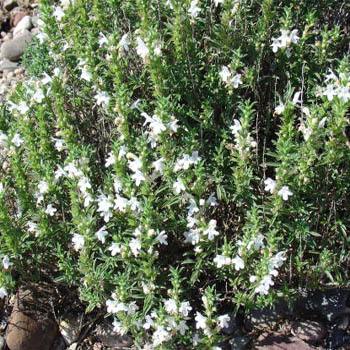
Winter Savory is a hardy, aromatic perennial herb prized for its peppery flavor, attractive evergreen foliage, and exceptional garden performance. Native to the mountains of southern Europe, this compact herb forms dense mounds of glossy dark green leaves that remain attractive throughout much of the year.
Often called the "bean herb," Winter Savory has long been used to flavor beans, soups, stews, meats, stuffing, and vegetable dishes. Its stronger, spicier flavor distinguishes it from Summer Savory and makes it a favorite among herb gardeners and culinary enthusiasts.
In summer, plants are covered with small white to pale lavender flowers that attract bees, butterflies, and other beneficial pollinators. The evergreen foliage provides year-round interest in herb gardens, rock gardens, borders, and containers, while its drought tolerance makes it an excellent choice for low-maintenance landscapes.
Winter Savory is particularly well suited for container growing, where its neat habit and fragrant foliage can be enjoyed close at hand for easy harvesting throughout the growing season.
Hardiness Zones:Winter Savory is a hardy perennial in USDA Zones 5-8. In warmer climates it remains evergreen year-round, while in colder regions it may die back slightly during winter before resuming growth in spring.
Germination Instructions:- Start seeds indoors 6-8 weeks before the last expected frost, or sow outdoors after danger of frost has passed.
- Sow seeds on the soil surface and press lightly into the growing medium.
- Do not cover deeply, as light aids germination.
- Maintain soil temperatures between 65-75°F (18-24°C).
- Keep the soil lightly moist but not saturated.
- Seeds typically germinate in 10-21 days.
- Provide bright light after germination.
- Transplant outdoors after seedlings have developed several sets of true leaves.
- Plant in full sun for best flavor and compact growth.
- Prefers well-drained soil and tolerates poor, rocky conditions.
- Once established, plants are highly drought tolerant.
- Harvest sprigs regularly to encourage dense, bushy growth.
- Excellent for herb gardens, containers, rock gardens, and edging.
- Flowers attract pollinators while aromatic foliage naturally discourages deer.
With its spicy flavor, evergreen beauty, pollinator-friendly flowers, and exceptional hardiness, Winter Savory is one of the most rewarding perennial herbs for both the kitchen and the garden.

Contact Us | Privacy Policy | About Us
Serving gardeners since 1992
State of Mississippi Seedmen's Permit #C-391, Ohio 90152, Minnesota 20086777