
The Seedman Garden-to-Wreath Project
Grow, Harvest, Dry & Create Your Own Everlasting Wreath
A handmade wreath becomes much more meaningful when the flowers, grasses and seed heads were grown from seed in your own garden. The Garden-to-Wreath Project brings together twelve plants chosen not simply because they dry well, but because each performs a different design job. Some provide the colorful focal flowers, some form the fragrant foundation, some fill small spaces, and others contribute seed pods, grasses and bold natural structure.
You do not need a large cutting garden or special equipment to begin. Grow the entire collection for the widest range of materials, or choose the plants needed for the wreath style you like best. Through the season you will watch ordinary seed packets become a supply of natural craft material that can be harvested, dried, sorted and assembled into a wreath that may be enjoyed for many months.
The project: Plant → Grow → Harvest → Dry → Sort → Design → Build → Enjoy.
How the collection works: Sweet Annie creates a soft foundation; Strawflower and Immortelle supply the main flowers; Gomphrena and Statice fill and repeat color; Nigella and Scabiosa contribute decorative seed forms; Globe Thistle and Teasel add structure; and Side-oats Grama and Broomcorn bring movement and a natural harvest texture.

Grow the Color Foundation: Sultane Mix Strawflower is the colorful backbone of the project. Its papery everlasting blooms mature in a broad range of bright shades and retain their form and color when harvested before they are fully open. Grow in full sun and well-drained soil. For wreath work, cut long stems on a dry morning, strip lower leaves, bundle loosely and hang upside down in a dark, airy place.
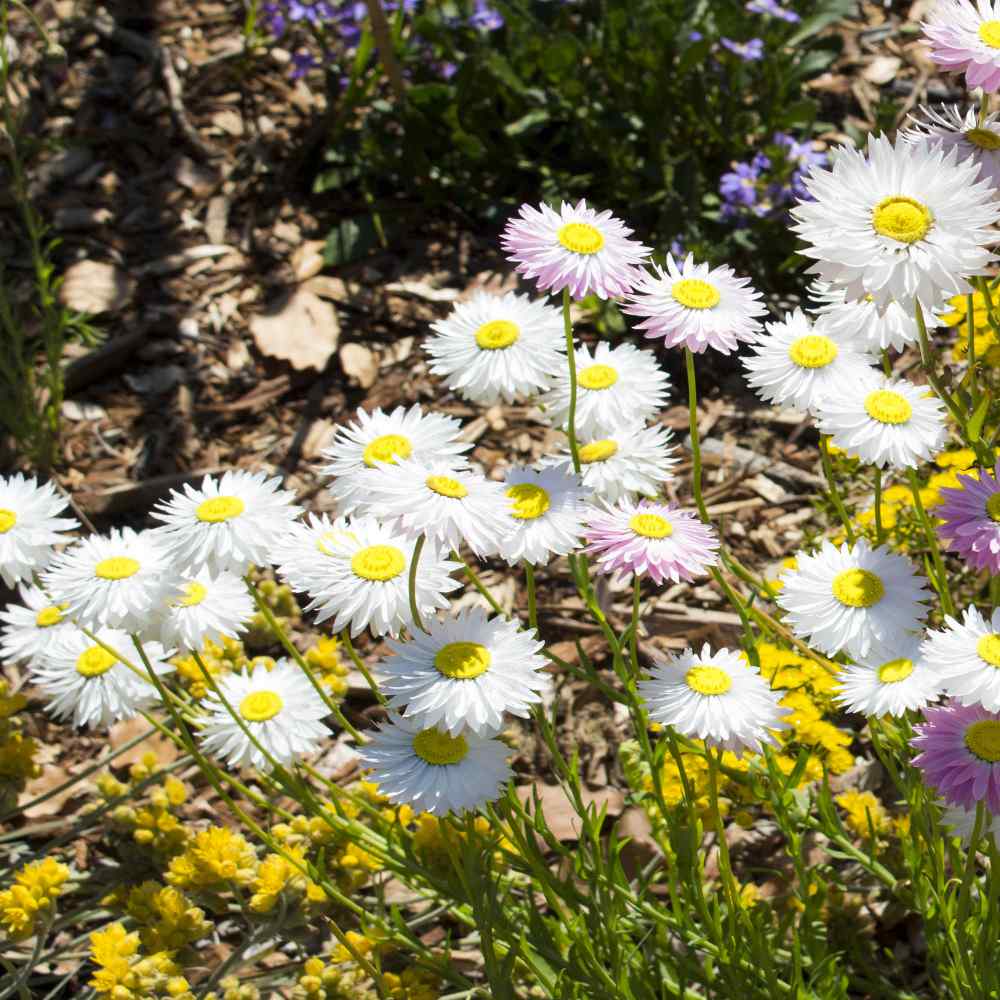
Add a Crisp White Accent: White Strawflower gives a wreath light, contrast and repetition. The firm papery flower heads are exceptionally durable after drying and pair beautifully with colorful strawflowers, grasses and seed heads. Harvest when the outer bracts have opened but the center is still tight; stems continue to open somewhat during drying.
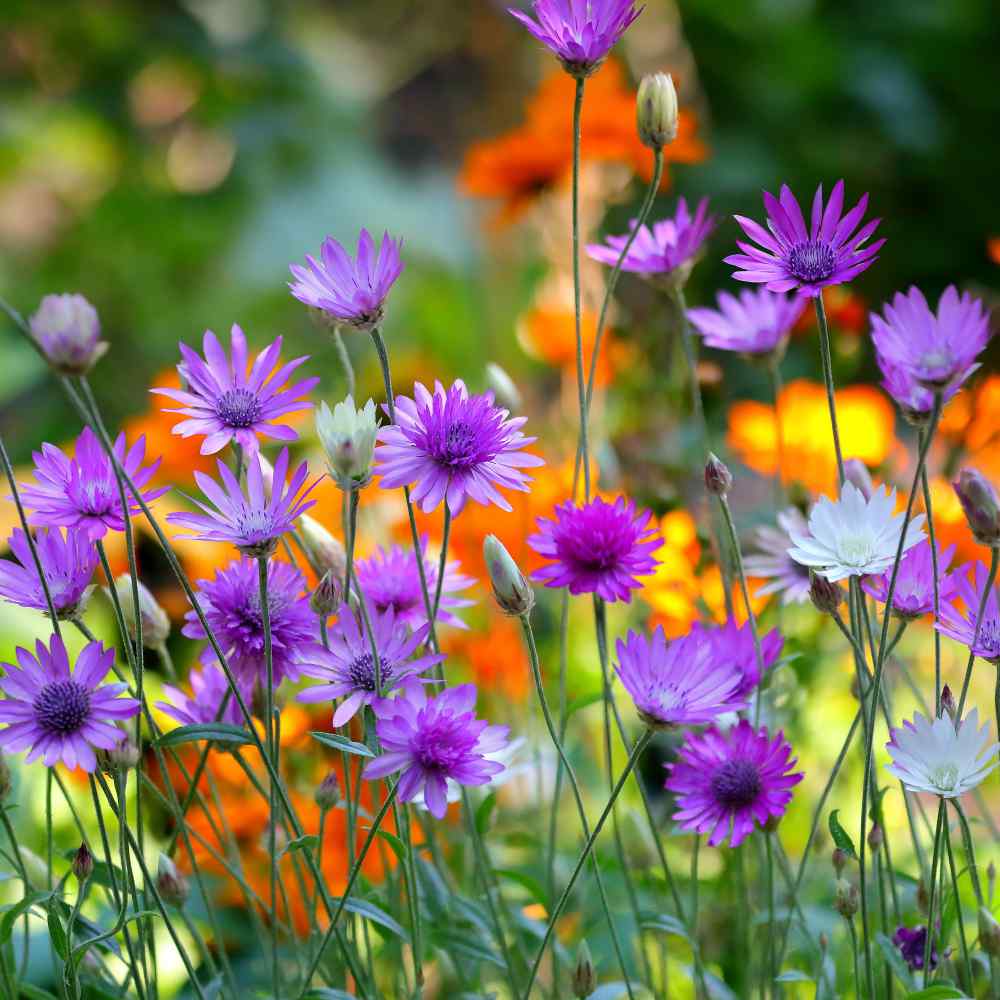
Add Delicate Everlasting Flowers: Immortelle Mix produces refined papery flowers in soft white, pink, rose, lavender and purple tones. These smaller blossoms soften the transition between large focal flowers and fine fillers. Grow in full sun, cut when blooms are freshly open, and dry small bunches upside down away from direct sunlight to preserve color.
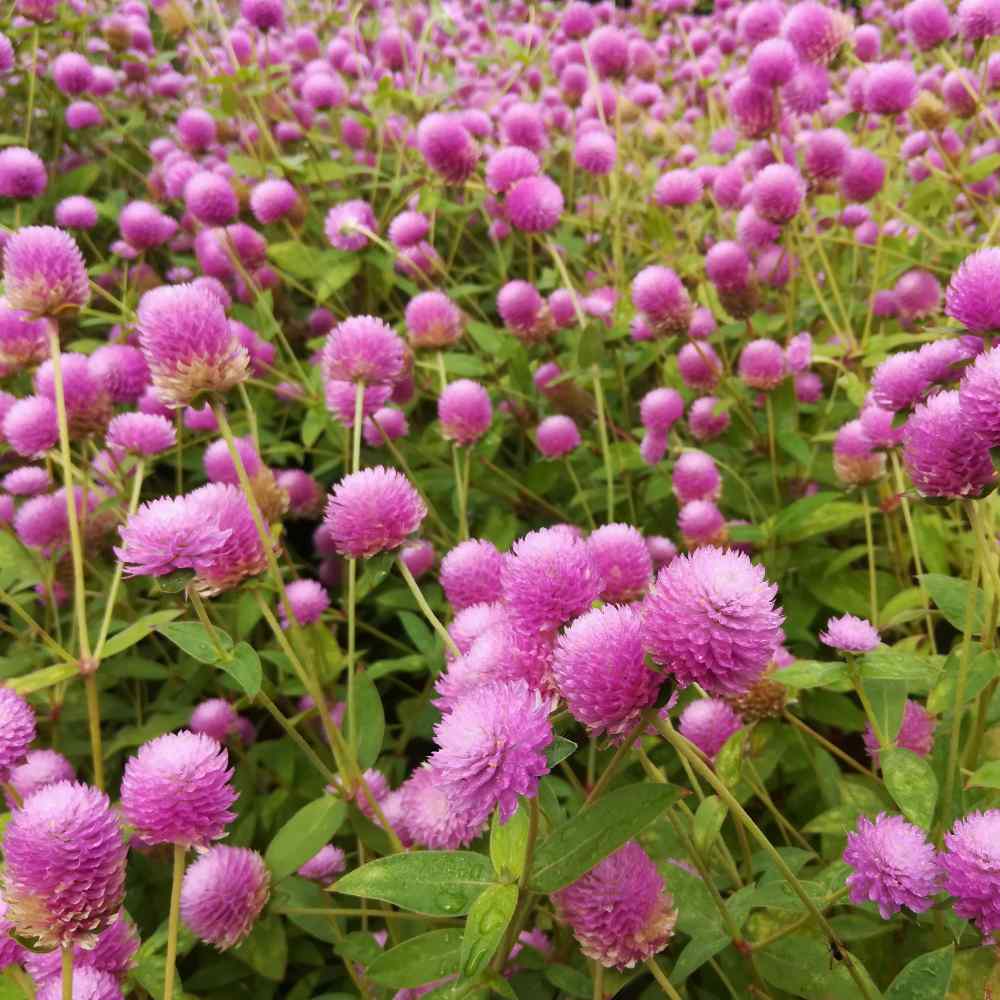
Fill the Little Gaps: Rose Gomphrena supplies dozens of round, clover-like rose flower heads that hold their color beautifully. The compact heads are ideal for filling spaces between larger flowers and for repeating a color around the wreath. Harvest when the flower heads are fully colored and firm, then hang in small bundles to dry.
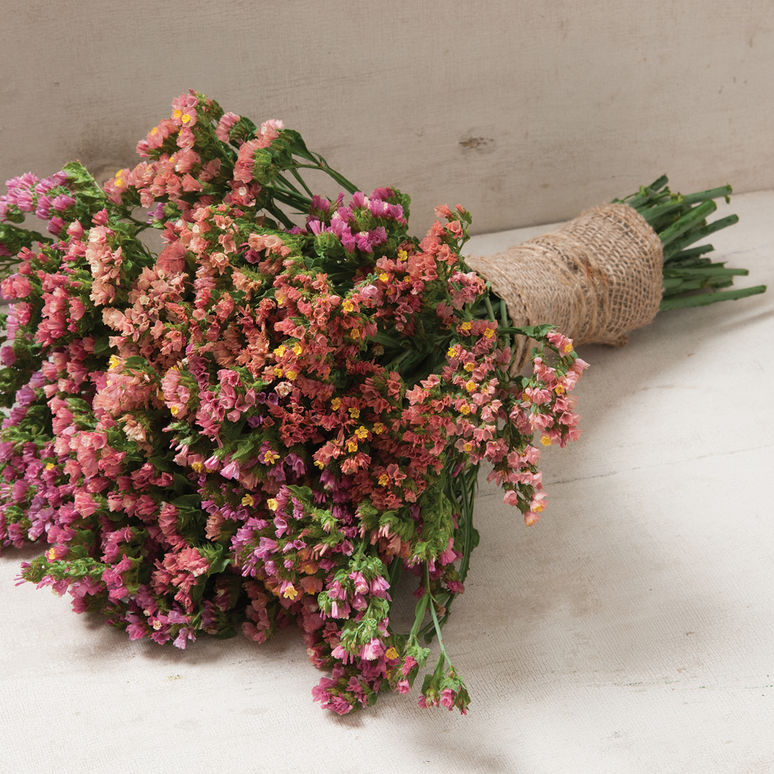
Create Airy Color: Sunset Mix Statice is a classic everlasting filler with branching sprays that dry with excellent color and texture. It creates the airy bridge between focal flowers and the wreath foundation. Cut when most flowers on a stem are open but still fresh, remove excess foliage and hang upside down in a warm, dry, shaded location.

Build the Fragrant Foundation: Sweet Annie provides the feathery green framework that can carry much of the wreath. Its long branching stems dry to an attractive muted green and retain a distinctive herbal fragrance. Harvest before stems become overly brittle, bundle loosely and dry in moving air. Once dry, use short sprays to cover the wreath form before adding flowers.
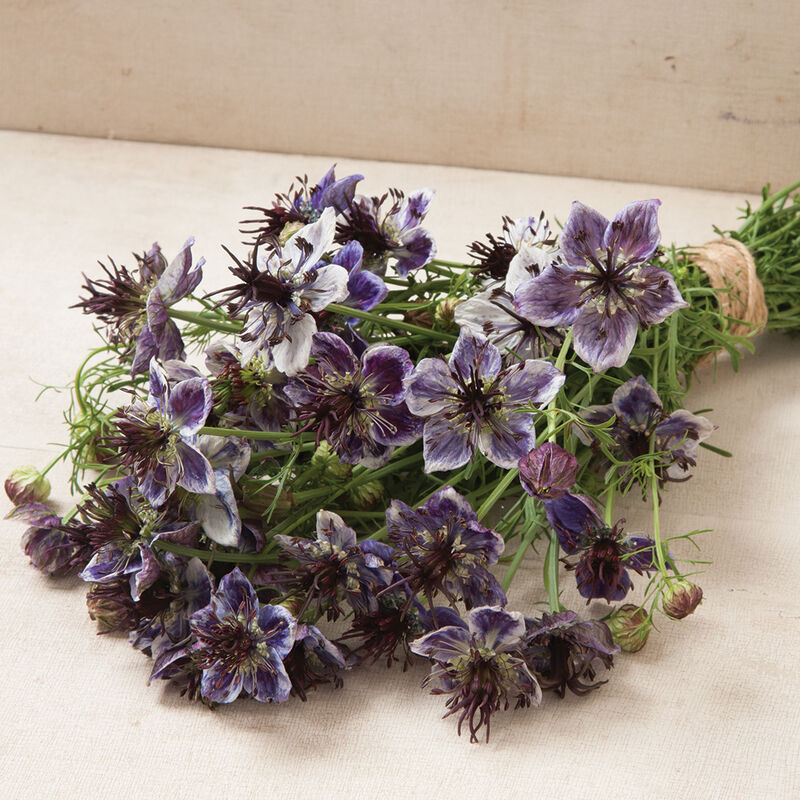
Grow Decorative Seed Pods: Delft Blue Nigella gives the project two rewards: attractive flowers followed by inflated, architectural seed pods. For wreath making, allow the pods to develop fully on the plant and cut once they are firm but before weather damages them. Dry upright or hang in loose bundles and use the pods as sculptural accents.
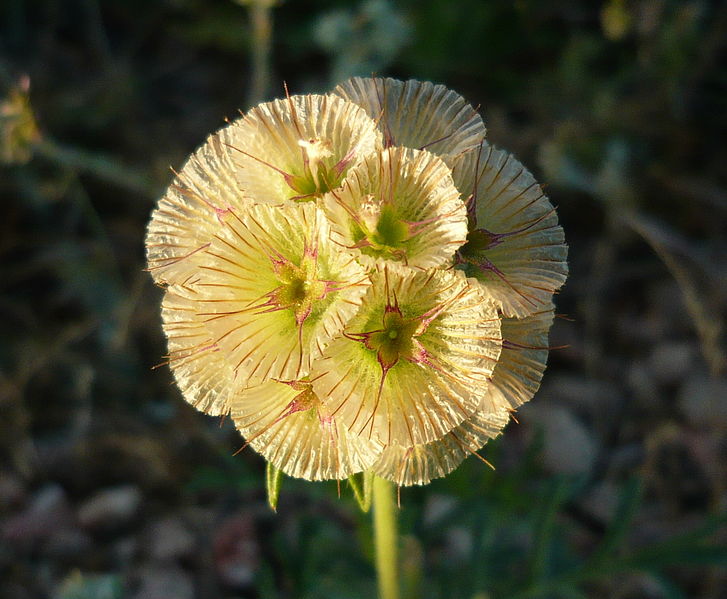
Add Lacy Seed Heads: Ping Pong Scabiosa is grown here primarily for its extraordinary spherical seed heads. After flowering, the heads mature into intricate papery globes that bring a completely different texture to dried designs. Allow heads to mature and firm on the plant, cut on long stems in dry weather, and finish drying in an airy location.
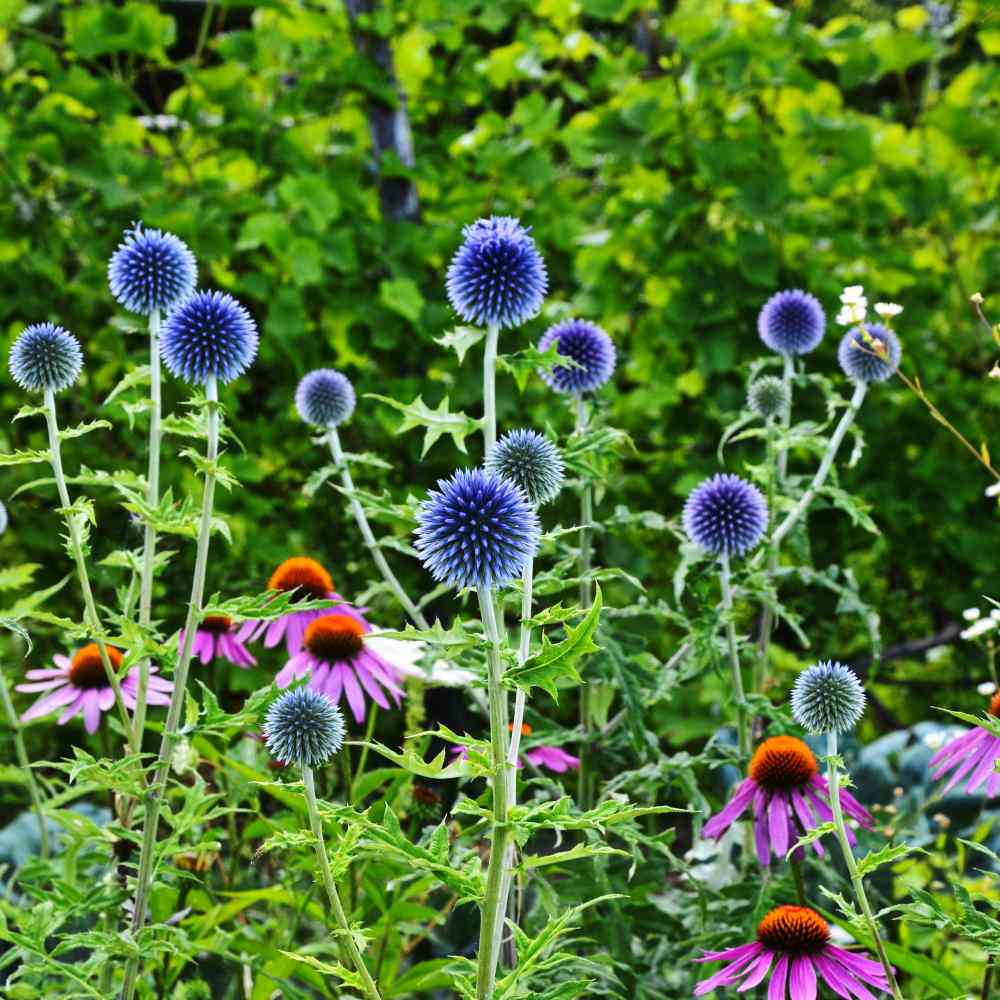
Add a Blue Architectural Accent: Blue Globe Thistle contributes strong spherical flower heads and a naturally steely blue tone. Its rigid stems and bold form make it best used as a repeated accent rather than a filler. Cut when the globes have developed good color and before individual florets deteriorate, then hang or stand stems to dry thoroughly.
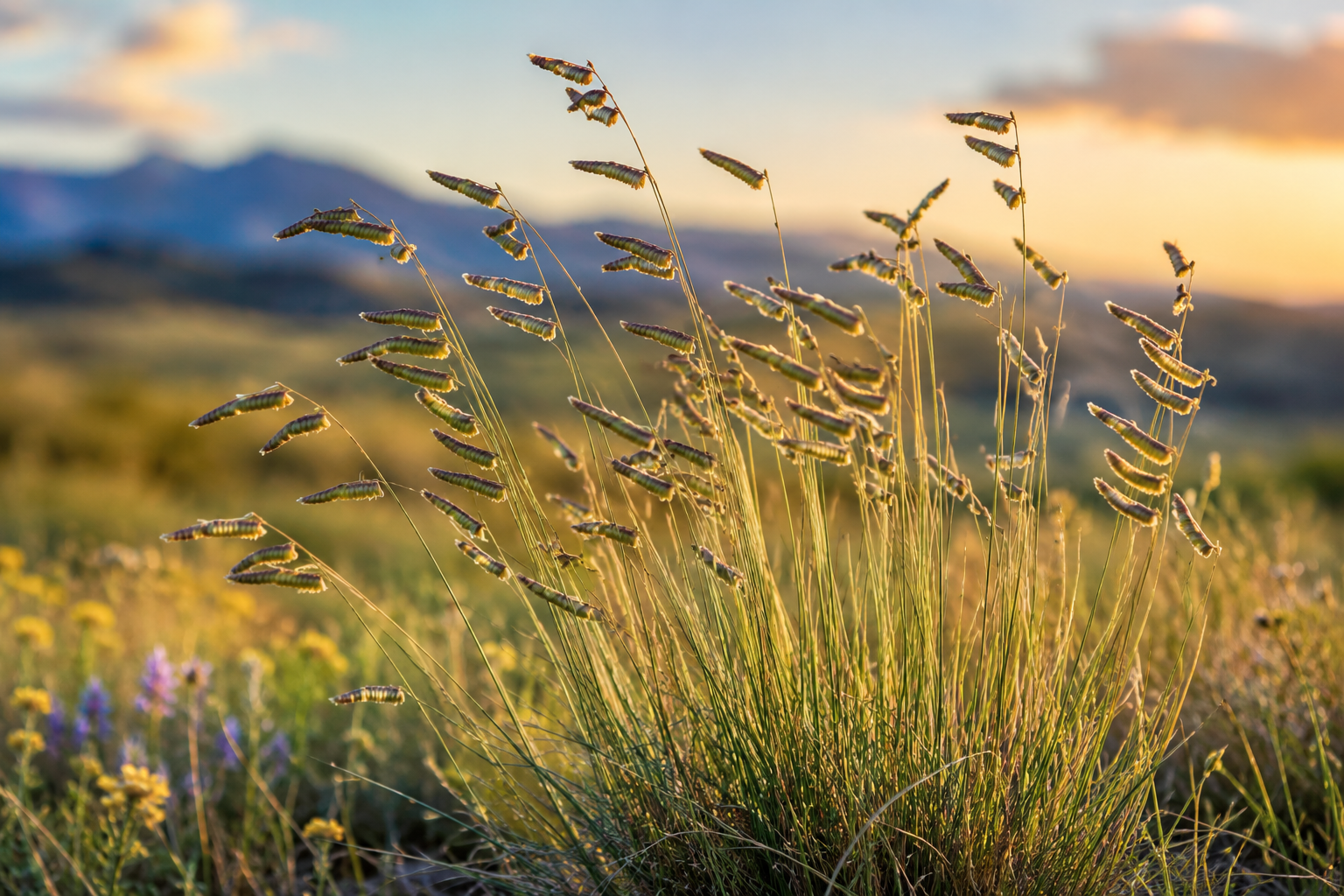
Give the Wreath Movement: Side-oats Grama supplies graceful arching stems lined with dangling oat-like seed heads that mature to warm tan and bronze. These fine stems extend beyond the wreath edge and keep a design from appearing too dense or rigid. Harvest after seed heads have formed and begun coloring, then dry in bundles or upright.

Bring in Rustic Harvest Texture: Mixed Highlights Broomcorn produces tall decorative seed sprays in rich natural harvest tones. The plumes are excellent for autumn wreaths and for adding height, direction and rustic texture. Cut when seed heads are mature and well colored, strip leaves, and hang in small bundles until stems and seed heads are completely dry.
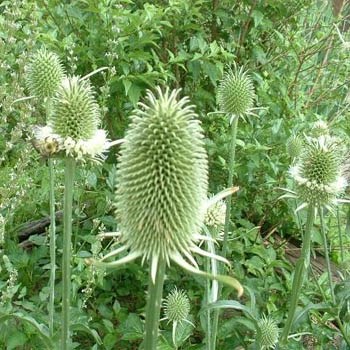
Finish With a Bold Sculptural Accent: Teasel produces dramatic spiny seed heads that remain attractive for years when properly dried. A few heads can give a wreath strong structure and a wild, natural character. Harvest mature heads in dry weather before they weather outdoors, wear gloves when handling the prickly stems, and dry thoroughly before use.
Garden-to-Wreath Guide: From Harvest to Finished Wreath
Plan before you plant. A wreath needs much more material than it appears to contain, so grow generous quantities of foundation and filler plants such as Sweet Annie, Statice and Gomphrena. Focal flowers and bold seed heads can be grown in smaller numbers. Full sun, good air circulation and well-drained soil help produce sturdy stems and clean flowers suitable for drying.
Harvest at the right stage. Cut on a dry day after dew has evaporated. Strawflowers are best cut before the centers are fully open; Statice when most flowers on a stem are fresh; Gomphrena when heads are fully colored; and Immortelle while blossoms are fresh and firm. Nigella, Scabiosa, Teasel and Broomcorn are allowed to mature farther because the pods or seed heads are the desired material. Harvest more than you think you will need and reject damaged or spotted stems before drying.
Drying the harvest. Remove unnecessary foliage, make small loose bundles and secure them with rubber bands or twine. Hang most flowers upside down in a dark, dry, well-ventilated location. Darkness helps preserve color and airflow discourages mold. Grasses and sturdy pods may also be dried upright in empty containers. Do not crowd bundles. Material is ready for storage when stems are thoroughly dry and the flower or seed head feels crisp rather than cool or flexible.
Store until wreath-making day. Keep dried material in a dry, dark area away from humidity and direct sunlight. Shallow boxes are useful for delicate flowers and seed heads. Keep long grasses and broomcorn where they will not be crushed. Label varieties and colors as you store them; sorting before assembly makes designing the wreath much easier.
Basic supplies. A grapevine, wire or straw wreath form works well. You will also need small pruning shears or sturdy scissors, floral wire or paddle wire, and optionally raffia or ribbon. Gloves are useful when working with Teasel and other prickly material. If children participate, an adult should handle sharp cutting tools and wire.
How to build the wreath. Begin with the foundation material. Make small bundles, place each bundle so it overlaps the attachment point of the one before it, and work around the form in one direction. Add the largest focal flowers next, spacing them around the wreath before permanently filling the gaps. Follow with smaller flowers, fillers, pods and grasses. Step back frequently and rotate the wreath while working. A handmade wreath looks most natural when every material is repeated somewhere else in the design without becoming perfectly symmetrical.
Three Wreaths to Make From Your Garden
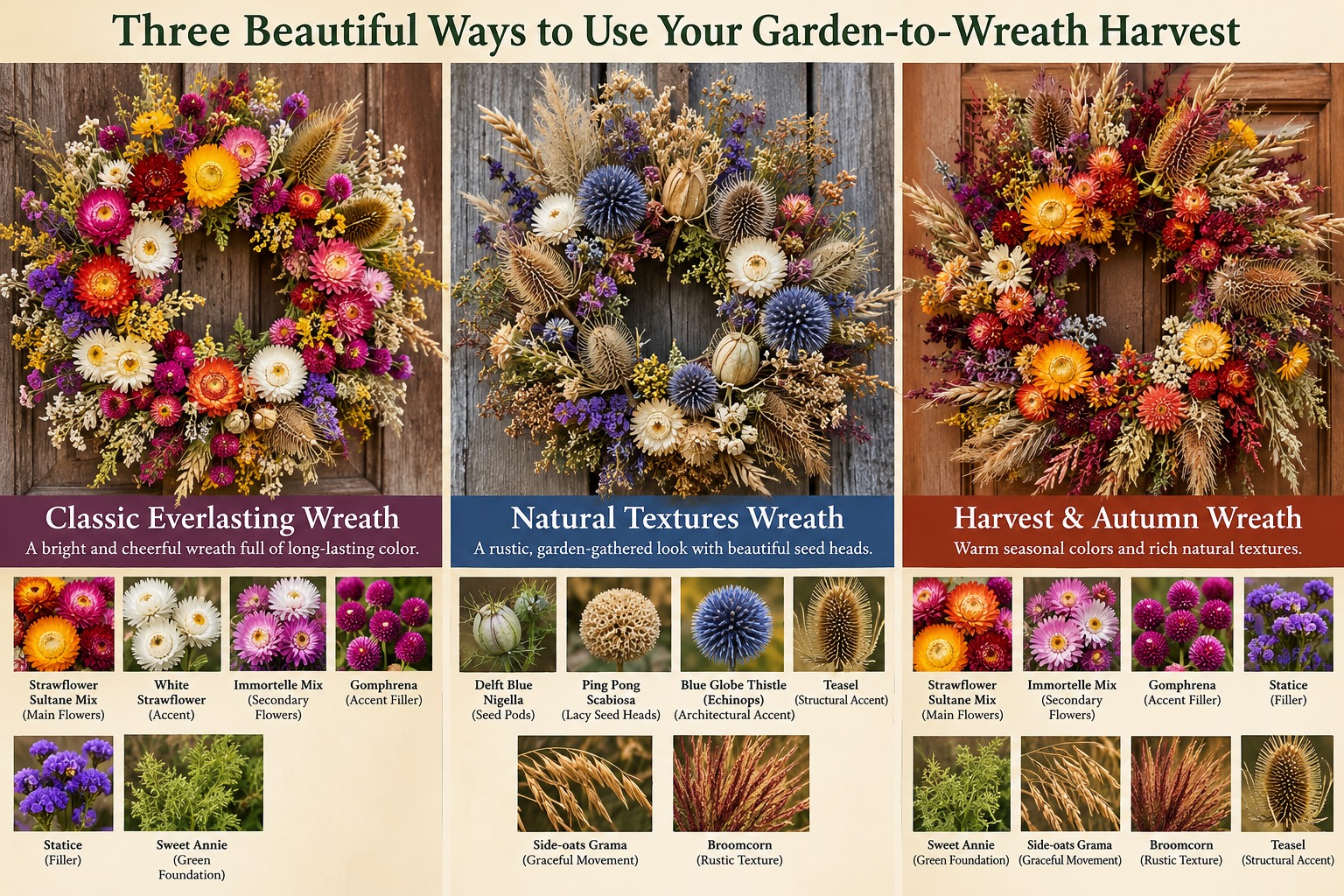
1. Classic Everlasting Wreath — Bright, Colorful and Traditional
Start by covering most of the visible form with short sprays of Sweet Annie. Place Sultane Mix Strawflowers around the wreath as the principal flowers, varying their colors but repeating each major color at least twice. Add White Strawflowers at several separated points to create bright highlights. Tuck Immortelle between the larger flowers, then use Rose Gomphrena and Sunset Mix Statice to fill small spaces and soften transitions. Keep the finished outline fairly full and rounded. This is the best design for gardeners who want maximum everlasting-flower color and a traditional dried-flower appearance.
Suggested formula: Sweet Annie foundation + Sultane Mix Strawflower main flowers + White Strawflower highlights + Immortelle secondary flowers + Rose Gomphrena and Statice fillers.
2. Natural Textures Wreath — Pods, Grasses and Sculptural Forms
This design should be looser and more open. Establish direction first with Side-oats Grama and selected Broomcorn sprays, allowing some stems to extend beyond the wreath's edge. Add Delft Blue Nigella pods and Ping Pong Scabiosa seed heads in irregular groups rather than evenly spaced rows. Place Blue Globe Thistle at several visual anchor points, then add only a few Teasel heads where their strong form can stand out. Resist the temptation to fill every opening; visible grapevine or foundation material is part of the rustic design. The goal is to celebrate shape and texture rather than flower color.
Suggested formula: Side-oats Grama movement + Broomcorn texture + Nigella pods + Ping Pong Scabiosa seed heads + Blue Globe Thistle accents + Teasel structural accents.
3. Harvest & Autumn Wreath — Warm Seasonal Color
Build a generous Sweet Annie base, then weave in Side-oats Grama and Broomcorn to establish the golden harvest character. Sort the Sultane Mix and Immortelle harvest and favor gold, orange, deep rose, burgundy, red and purple shades. Place the larger Strawflowers first, follow with Immortelle, then use Gomphrena and Statice to connect the color groups. Finish with a few Teasel heads and outward-reaching grasses or Broomcorn sprays. Concentrating the warmest colors while retaining a little purple creates depth without losing the autumn feeling.
Suggested formula: Sweet Annie foundation + warm Sultane Strawflowers + Immortelle + Gomphrena + Statice + Side-oats Grama + Broomcorn + a few Teasel accents.
Finishing and caring for your wreath. After assembly, hang the wreath indoors away from direct sun, damp rooms and outdoor weather. Dried botanicals naturally become more muted with age, but protection from sunlight and humidity greatly extends their useful life. Dust gently with a cool, low stream of air rather than wiping fragile flowers. At season's end, a wreath can be stored loosely in a box in a dry location, or its natural materials can be composted after removing wire, ribbon and the reusable wreath form.
Seedman Notes: There is no single correct wreath. The three formulas are starting points, not rules. Substitute colors, leave some materials out, or combine ideas from several designs. The real reward of Garden-to-Wreath is following the entire process from a packet of seed to something handmade from your own harvest.
For over a thousand more unique seed varieties, all in stock and ready to ship, visit our Seed Catalog Index Page.

Contact Us | Privacy Policy | About Us
Serving gardeners since 1992
State of Mississippi Seedmen's Permit #C-391, Ohio 90152, Minnesota 20086777