
Our Favorite Zinnias
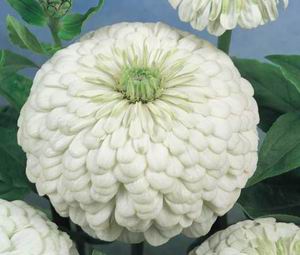
Giant White Zinnia is a magnificent heirloom-style annual that produces enormous, fully double blooms of pristine white held high above vigorous, upright plants. The large dahlia-flowered blossoms often reach 4 to 6 inches across, creating an elegant display that brightens flower beds, cutting gardens, and summer landscapes. Its pure white flowers provide a beautiful contrast to brightly colored companion plants while adding a touch of sophistication to fresh bouquets and garden arrangements. Blooming continuously from early summer until frost, Giant White Zinnia is both easy to grow and exceptionally rewarding.
Garden Uses
Giant White Zinnia is outstanding for cutting gardens, mixed flower borders, cottage gardens, pollinator gardens, mass plantings, and large landscape beds. The brilliant white blooms blend effortlessly with virtually every flower color, making them excellent companions for red, pink, orange, yellow, purple, and blue annuals. They pair beautifully with salvia, cosmos, celosia, marigolds, sunflowers, rudbeckia, and ornamental grasses. The long, sturdy stems make this variety one of the finest white zinnias for floral arrangements.
Growing Information
Direct sow seeds outdoors after all danger of frost has passed and soil temperatures have warmed, or start indoors 4 to 6 weeks before transplanting. Plant seeds approximately 1/4 inch deep in fertile, well-drained soil. Germination usually occurs within 5 to 10 days at temperatures between 70–80°F. Grow plants in full sun for maximum flowering. Mature plants typically reach 30 to 40 inches tall with a spread of 18 to 24 inches. Water deeply but avoid wetting the foliage whenever possible to help reduce disease. Regular deadheading encourages plants to continue producing fresh blooms until autumn frost.
Quick Facts
- Botanical Name: Zinnia elegans
- Common Name: Giant White Zinnia
- Plant Type: Warm-season annual
- Height: 30–40 inches
- Spread: 18–24 inches
- Bloom Size: 4–6 inches across
- Bloom Color: Pure white
- Bloom Season: Early summer until frost
- Sun Requirements: Full sun
- Soil Requirements: Fertile, well-drained soil
- USDA Zones: Grown as an annual in all zones
- Pollinator Friendly: Excellent
- Butterfly Friendly: Excellent
- Cut Flower: Outstanding
- Heat Tolerance: Excellent
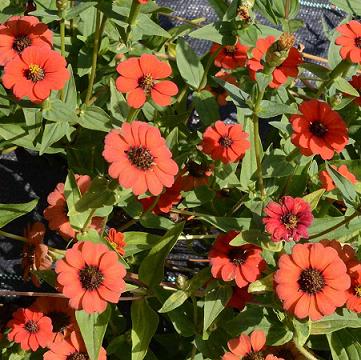
Arizona Bronze Zinnia is a warm, sun-loving annual prized for its glowing bronze-orange blooms and long-lasting garden performance. The flowers open in rich shades of copper, burnt orange, coral, and bronze, often surrounding dark centers that give the blooms excellent depth and contrast. Compact yet showy, this variety brings the look of summer sunshine to flower beds, borders, cutting gardens, butterfly plantings, and mixed annual displays.
Garden Uses
Arizona Bronze Zinnia is ideal for sunny flower beds, borders, mass plantings, butterfly gardens, pollinator strips, cottage gardens, cutting gardens, and mixed annual displays. Its warm bronze-orange flowers combine beautifully with purple salvia, blue ageratum, yellow rudbeckia, white cosmos, ornamental grasses, marigolds, celosia, and dark-leaved foliage plants. The compact habit makes it useful near the front or middle of borders, while the strong color creates excellent visual impact in summer landscapes.
Growing Information
Sow seeds directly outdoors after all danger of frost has passed and the soil has warmed, or start indoors 4 to 6 weeks before transplanting. Plant seeds about 1/4 inch deep in well-drained soil and keep evenly moist until germination, which usually occurs in 5 to 10 days at warm temperatures. Choose a full sun location with good air circulation. Plants typically grow 12 to 18 inches tall, depending on conditions, and bloom from early summer until frost. Water at the base of the plant, avoid overhead watering, and remove faded blooms regularly to encourage continuous flowering.
Quick Facts
- Botanical Name: Zinnia elegans
- Common Name: Arizona Bronze Zinnia
- Plant Type: Warm-season annual
- Height: 12–18 inches
- Spread: 10–14 inches
- Bloom Color: Bronze-orange, copper, coral, and burnt orange tones
- Bloom Season: Summer through frost
- Sun Requirements: Full sun
- Soil Requirements: Average to fertile, well-drained soil
- USDA Zones: Grown as an annual in all zones
- Pollinator Friendly: Excellent
- Butterfly Friendly: Excellent
- Deer Resistant: Moderately
- Cut Flower Use: Good
- Heat Tolerance: Excellent
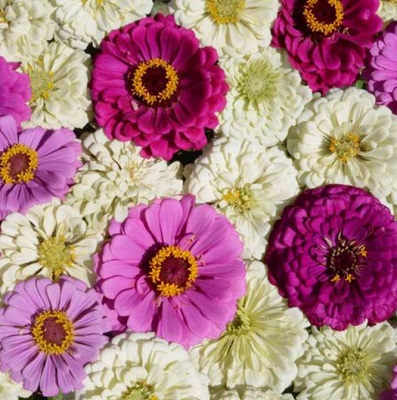
Sweet Blueberry Cheesecake Zinnia is an extraordinary bicolor selection that delights gardeners with large, fully double blooms in creamy white, soft lavender, rich violet, and blueberry-purple tones. No two flowers are exactly alike—many feature petals brushed, streaked, or tipped with shades of purple over a creamy background, creating a color combination reminiscent of a slice of blueberry cheesecake. With its sturdy stems, long bloom season, and eye-catching flowers, this unique zinnia quickly becomes the centerpiece of any sunny garden.
Garden Uses
Sweet Blueberry Cheesecake Zinnia is outstanding for cutting gardens, cottage gardens, pollinator borders, mixed annual beds, and colorful landscape displays. The unusual blend of cream and blueberry shades pairs beautifully with white cosmos, purple salvia, lavender ageratum, blue bachelor's buttons, pink gomphrena, ornamental grasses, and silver foliage plants. Its large flowers also make exceptional additions to fresh bouquets, where each bloom contributes its own unique pattern and coloration.
Growing Information
Sow seeds directly outdoors after all danger of frost has passed, or start indoors 4 to 6 weeks before transplanting. Plant seeds about 1/4 inch deep in fertile, well-drained soil and keep evenly moist until germination, which usually occurs within 5 to 10 days at temperatures of 70–80°F. Grow plants in full sun for the strongest stems and heaviest flowering. Mature plants generally reach 24 to 36 inches tall with a spread of 18 to 24 inches. Water deeply, avoid overhead irrigation whenever possible, and deadhead spent flowers regularly to encourage continuous blooming until frost.
Quick Facts
- Botanical Name: Zinnia elegans
- Common Name: Sweet Blueberry Cheesecake Zinnia
- Plant Type: Warm-season annual
- Height: 24–36 inches
- Spread: 18–24 inches
- Bloom Size: 3–5 inches across
- Bloom Color: Creamy white with lavender, violet, and blueberry-purple bicolor patterns
- Bloom Season: Summer until frost
- Sun Requirements: Full sun
- Soil Requirements: Fertile, well-drained soil
- USDA Zones: Grown as an annual in all zones
- Pollinator Friendly: Excellent
- Butterfly Friendly: Excellent
- Cut Flower: Outstanding
- Heat Tolerance: Excellent
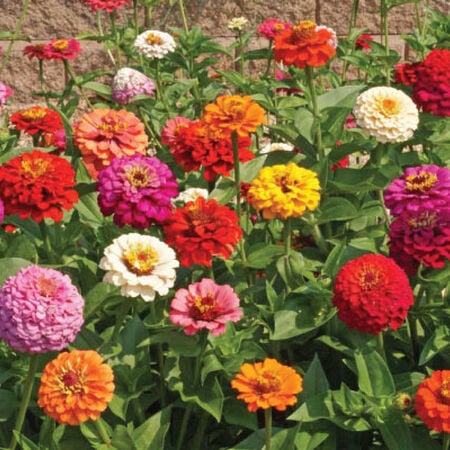
Cut and Come Again Zinnia is one of the most productive and dependable cutting garden flowers ever introduced. This heirloom favorite produces an endless succession of medium-sized, fully double blooms in vibrant shades of scarlet, crimson, rose, pink, orange, salmon, yellow, white, and lavender. True to its name, the more flowers you harvest, the more the plants bloom, making it an outstanding choice for gardeners who love bringing fresh bouquets indoors all summer long. Easy to grow, heat tolerant, and exceptionally floriferous, it has remained a favorite for generations.
Garden Uses
Cut and Come Again Zinnia is perfect for cutting gardens, cottage gardens, butterfly gardens, pollinator borders, mixed flower beds, and large mass plantings. The colorful blooms blend beautifully with cosmos, sunflowers, celosia, salvia, rudbeckia, marigolds, gomphrena, and ornamental grasses. Because of its continual bloom production, it also makes an excellent backdrop in annual borders while providing an abundant supply of fresh flowers for indoor arrangements.
Growing Information
Direct sow seeds outdoors after all danger of frost has passed, or start indoors 4 to 6 weeks before transplanting. Plant seeds about 1/4 inch deep in fertile, well-drained soil and maintain even moisture until germination, which usually occurs within 5 to 10 days at temperatures of 70–80°F. Grow plants in full sun for maximum flowering. Mature plants typically reach 30 to 40 inches tall with a spread of 18 to 24 inches. Water deeply at the base of the plants, provide good air circulation, and harvest flowers regularly. Frequent cutting or deadheading stimulates continuous branching and produces an almost endless succession of fresh blooms until frost.
Quick Facts
- Botanical Name: Zinnia elegans
- Common Name: Cut and Come Again Zinnia
- Plant Type: Warm-season annual
- Height: 30–40 inches
- Spread: 18–24 inches
- Bloom Size: 2–3 inches across
- Bloom Color: Mixed shades of scarlet, crimson, rose, pink, orange, salmon, yellow, white, and lavender
- Bloom Season: Early summer until frost
- Sun Requirements: Full sun
- Soil Requirements: Fertile, well-drained soil
- USDA Zones: Grown as an annual in all zones
- Pollinator Friendly: Excellent
- Butterfly Friendly: Excellent
- Cut Flower: Exceptional
- Heat Tolerance: Excellent
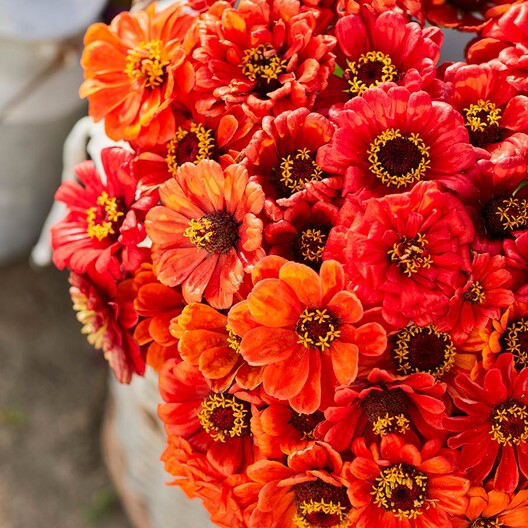
Oriole Mix Zinnia is a cheerful heirloom blend that fills the summer garden with vibrant blooms in warm shades of golden yellow, bright orange, scarlet, coral, salmon, rose, crimson, and occasional creamy white. Named after the brilliantly colored Baltimore Oriole, this lively mixture brings the same fiery beauty to flower beds and cutting gardens. The plants are vigorous, easy to grow, and bloom continuously from early summer until frost, making them one of the most dependable annual flowers for colorful landscapes and fresh bouquets.
Garden Uses
Oriole Mix is an excellent choice for cutting gardens, butterfly gardens, pollinator borders, cottage gardens, mixed annual beds, and mass plantings. Its bright, warm colors pair beautifully with cosmos, sunflowers, celosia, rudbeckia, salvia, marigolds, gomphrena, and ornamental grasses. The long stems and colorful blooms also make outstanding fresh-cut flowers, bringing the vibrant colors of summer indoors for many days.
Growing Information
Direct sow seeds outdoors after all danger of frost has passed and the soil has warmed, or start indoors 4 to 6 weeks before transplanting. Plant seeds approximately 1/4 inch deep in fertile, well-drained soil. Germination typically occurs within 5 to 10 days when temperatures remain between 70–80°F. Choose a full sun location for best flowering. Plants generally mature 24 to 36 inches tall with a spread of 18 to 24 inches. Water deeply at the base of the plants, provide good air circulation, and deadhead or harvest flowers regularly to encourage continuous blooming throughout the growing season.
Quick Facts
- Botanical Name: Zinnia elegans
- Common Name: Oriole Mix Zinnia
- Plant Type: Warm-season annual
- Height: 24–36 inches
- Spread: 18–24 inches
- Bloom Size: 2½–4 inches across
- Bloom Color: Mixed shades of orange, yellow, scarlet, coral, salmon, crimson, rose, and white
- Bloom Season: Summer until frost
- Sun Requirements: Full sun
- Soil Requirements: Fertile, well-drained soil
- USDA Zones: Grown as an annual in all zones
- Pollinator Friendly: Excellent
- Butterfly Friendly: Excellent
- Cut Flower: Excellent
- Heat Tolerance: Excellent
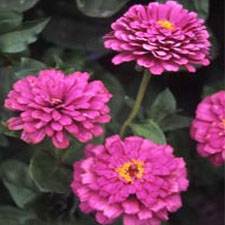
Giant Lilac Zinnia is a beautiful warm-season annual prized for its large, fully double blooms in soft lilac, lavender-pink, and rosy purple tones. The rounded dahlia-like flowers are held on sturdy stems above vigorous green foliage, creating an elegant display in sunny flower beds and cutting gardens. Its gentle pastel coloring offers a softer alternative to the bright reds, oranges, and yellows often associated with zinnias, making it especially useful in romantic cottage gardens, pastel borders, and fresh floral arrangements.
Garden Uses
Giant Lilac Zinnia is excellent for cutting gardens, cottage gardens, pollinator borders, mixed annual beds, butterfly gardens, and mass plantings. The soft lilac blooms pair beautifully with white cosmos, blue salvia, lavender ageratum, pink gomphrena, purple verbena, silver foliage plants, and ornamental grasses. Its long stems and large flowers make it a wonderful choice for bouquets, especially where a softer, more refined color palette is desired.
Growing Information
Sow seeds directly outdoors after all danger of frost has passed and the soil has warmed, or start indoors 4 to 6 weeks before transplanting. Plant seeds about 1/4 inch deep in fertile, well-drained soil. Germination usually occurs within 5 to 10 days at temperatures of 70–80°F. Grow in full sun for the strongest stems and heaviest bloom production. Mature plants typically reach 30 to 40 inches tall with a spread of 18 to 24 inches. Water deeply at the base of the plant, avoid overhead watering when possible, and remove faded flowers regularly to encourage continuous blooming until frost.
Quick Facts
- Botanical Name: Zinnia elegans
- Common Name: Giant Lilac Zinnia
- Plant Type: Warm-season annual
- Height: 30–40 inches
- Spread: 18–24 inches
- Bloom Size: 4–6 inches across
- Bloom Color: Lilac, lavender-pink, rosy purple
- Bloom Season: Summer until frost
- Sun Requirements: Full sun
- Soil Requirements: Fertile, well-drained soil
- USDA Zones: Grown as an annual in all zones
- Pollinator Friendly: Excellent
- Butterfly Friendly: Excellent
- Cut Flower: Excellent
- Heat Tolerance: Excellent
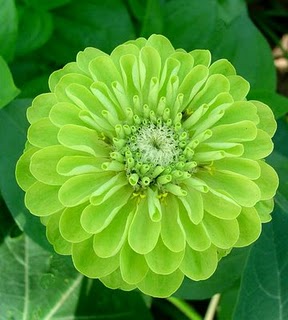
Giant Lime Zinnia is a striking and unusual warm-season annual valued for its large, fully double blooms in fresh lime green, chartreuse, and soft yellow-green shades. The rounded, dahlia-like flowers bring a unique cooling effect to the summer garden and provide a dramatic contrast beside pink, purple, orange, white, and burgundy flowers. With strong stems, excellent heat tolerance, and a long bloom season, Giant Lime is especially prized by cut flower growers and gardeners who enjoy distinctive colors in the landscape.
Garden Uses
Giant Lime Zinnia is outstanding for cutting gardens, cottage gardens, pollinator borders, mixed annual beds, floral design gardens, and mass plantings. Its unusual lime-green blooms pair beautifully with deep purple salvia, pink cosmos, burgundy amaranth, orange zinnias, white cosmos, lavender ageratum, rudbeckia, celosia, and ornamental grasses. In bouquets, the green flowers act as both a focal bloom and a blending color, making arrangements look fresh, modern, and elegant.
Growing Information
Sow seeds directly outdoors after all danger of frost has passed and the soil has warmed, or start indoors 4 to 6 weeks before transplanting. Plant seeds about 1/4 inch deep in fertile, well-drained soil. Germination usually occurs within 5 to 10 days at temperatures of 70–80°F. Choose a full sun location with good air circulation. Mature plants typically reach 30 to 40 inches tall with a spread of 18 to 24 inches. Water deeply at the base of the plants, avoid overhead watering when possible, and harvest or deadhead regularly to encourage nonstop flowering until frost.
Quick Facts
- Botanical Name: Zinnia elegans
- Common Name: Giant Lime Zinnia
- Plant Type: Warm-season annual
- Height: 30–40 inches
- Spread: 18–24 inches
- Bloom Size: 4–6 inches across
- Bloom Color: Lime green, chartreuse, soft yellow-green
- Bloom Season: Summer until frost
- Sun Requirements: Full sun
- Soil Requirements: Fertile, well-drained soil
- USDA Zones: Grown as an annual in all zones
- Pollinator Friendly: Excellent
- Butterfly Friendly: Excellent
- Cut Flower: Outstanding
- Heat Tolerance: Excellent
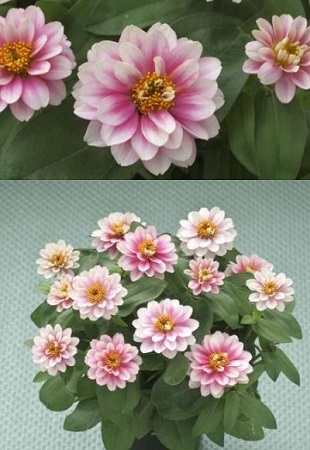
Belize Double Pink Bicolor Zinnia is a dazzling modern zinnia that produces fully double blooms in beautiful shades of bright pink highlighted with soft rose, blush, and creamy white accents. Many flowers display striking bicolor patterns with lighter petal tips or contrasting centers, giving each bloom its own unique appearance. Compact, vigorous, and exceptionally floriferous, the Belize Series is known for outstanding heat tolerance, excellent disease resistance, and nonstop flowering from early summer until frost.
Garden Uses
Belize Double Pink Bicolor is perfect for containers, borders, cottage gardens, pollinator gardens, cutting gardens, landscape beds, and mass plantings. Its vibrant pink blooms pair beautifully with white cosmos, purple salvia, blue ageratum, lavender verbena, ornamental grasses, celosia, marigolds, and silver foliage plants. The compact growth habit makes it especially effective in patio containers and front-of-border plantings, while its sturdy stems provide beautiful flowers for fresh bouquets.
Growing Information
Direct sow seeds outdoors after all danger of frost has passed, or start indoors 4 to 6 weeks before transplanting. Plant seeds approximately 1/4 inch deep in fertile, well-drained soil. Germination generally occurs within 5 to 10 days at temperatures between 70–80°F. Grow plants in full sun for maximum flowering and best color development. Mature plants typically reach 12 to 18 inches tall with a spread of 10 to 14 inches. Water deeply but allow good air circulation around the plants. Regular deadheading or harvesting encourages continuous blooming throughout the growing season.
Quick Facts
- Botanical Name: Zinnia elegans
- Common Name: Belize Double Pink Bicolor Zinnia
- Plant Type: Warm-season annual
- Height: 12–18 inches
- Spread: 10–14 inches
- Bloom Size: 2½–3½ inches across
- Bloom Color: Bright pink with blush, rose, and creamy white bicolor markings
- Bloom Season: Early summer until frost
- Sun Requirements: Full sun
- Soil Requirements: Fertile, well-drained soil
- USDA Zones: Grown as an annual in all zones
- Pollinator Friendly: Excellent
- Butterfly Friendly: Excellent
- Cut Flower: Very Good
- Heat Tolerance: Excellent
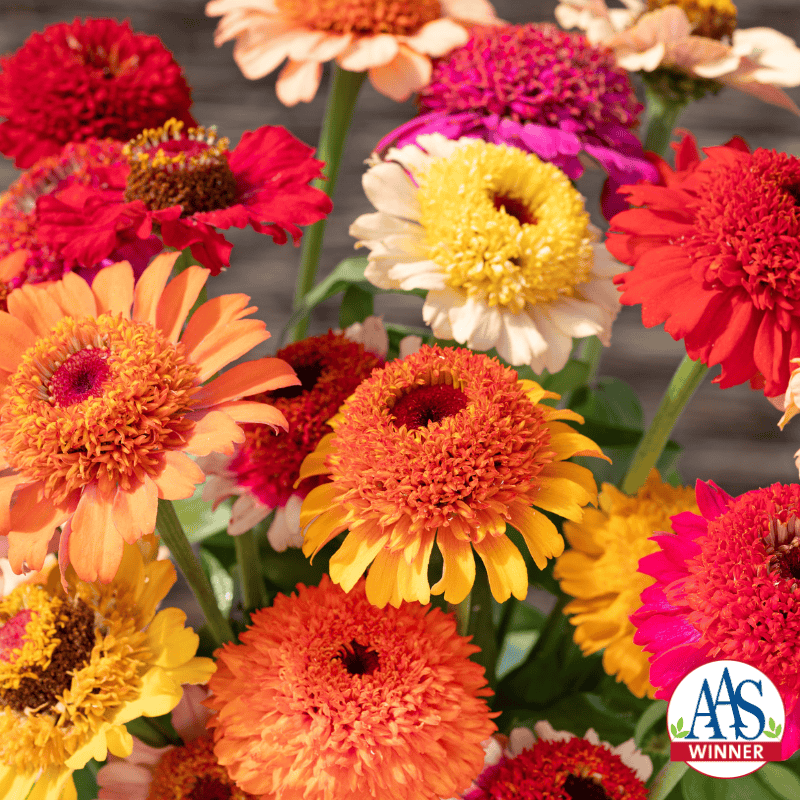
Crestar Mix Zinnia is a distinctive heirloom annual celebrated for its unusual crested, semi-double, and cactus-like blooms in a brilliant range of colors. The flowers display twisted, quilled, and slightly curled petals that give each bloom an artistic, almost hand-crafted appearance unlike traditional zinnias. Shades of scarlet, crimson, orange, salmon, pink, rose, lavender, yellow, white, and purple combine to create a lively display that blooms continuously from early summer until frost. Easy to grow and exceptionally colorful, Crestar Mix adds texture as well as vibrant color to the summer garden.
Garden Uses
Crestar Mix is perfect for cutting gardens, cottage gardens, butterfly gardens, pollinator borders, mixed annual beds, and large landscape plantings. Its unusual flower form creates excellent contrast when planted alongside traditional dahlia-flowered zinnias, cosmos, celosia, salvia, rudbeckia, sunflowers, marigolds, and ornamental grasses. The unique blooms also make fascinating additions to fresh floral arrangements, where each flower brings its own individual character.
Growing Information
Direct sow seeds outdoors after all danger of frost has passed and the soil has warmed, or start indoors 4 to 6 weeks before transplanting. Plant seeds approximately 1/4 inch deep in fertile, well-drained soil. Germination usually occurs within 5 to 10 days at temperatures between 70–80°F. Grow plants in full sun for maximum flowering and strongest stems. Mature plants typically reach 24 to 36 inches tall with a spread of 18 to 24 inches. Water deeply at the base of the plants, provide good air circulation, and remove spent blooms or harvest flowers regularly to encourage nonstop blooming until frost.
Quick Facts
- Botanical Name: Zinnia elegans
- Common Name: Crestar Mix Zinnia
- Plant Type: Warm-season annual
- Height: 24–36 inches
- Spread: 18–24 inches
- Bloom Size: 3–5 inches across
- Bloom Color: Mixed shades of scarlet, crimson, orange, salmon, pink, rose, lavender, yellow, white, and purple
- Bloom Form: Crested, semi-double, cactus-like petals
- Bloom Season: Summer until frost
- Sun Requirements: Full sun
- Soil Requirements: Fertile, well-drained soil
- USDA Zones: Grown as an annual in all zones
- Pollinator Friendly: Excellent
- Butterfly Friendly: Excellent
- Cut Flower: Excellent
- Heat Tolerance: Excellent
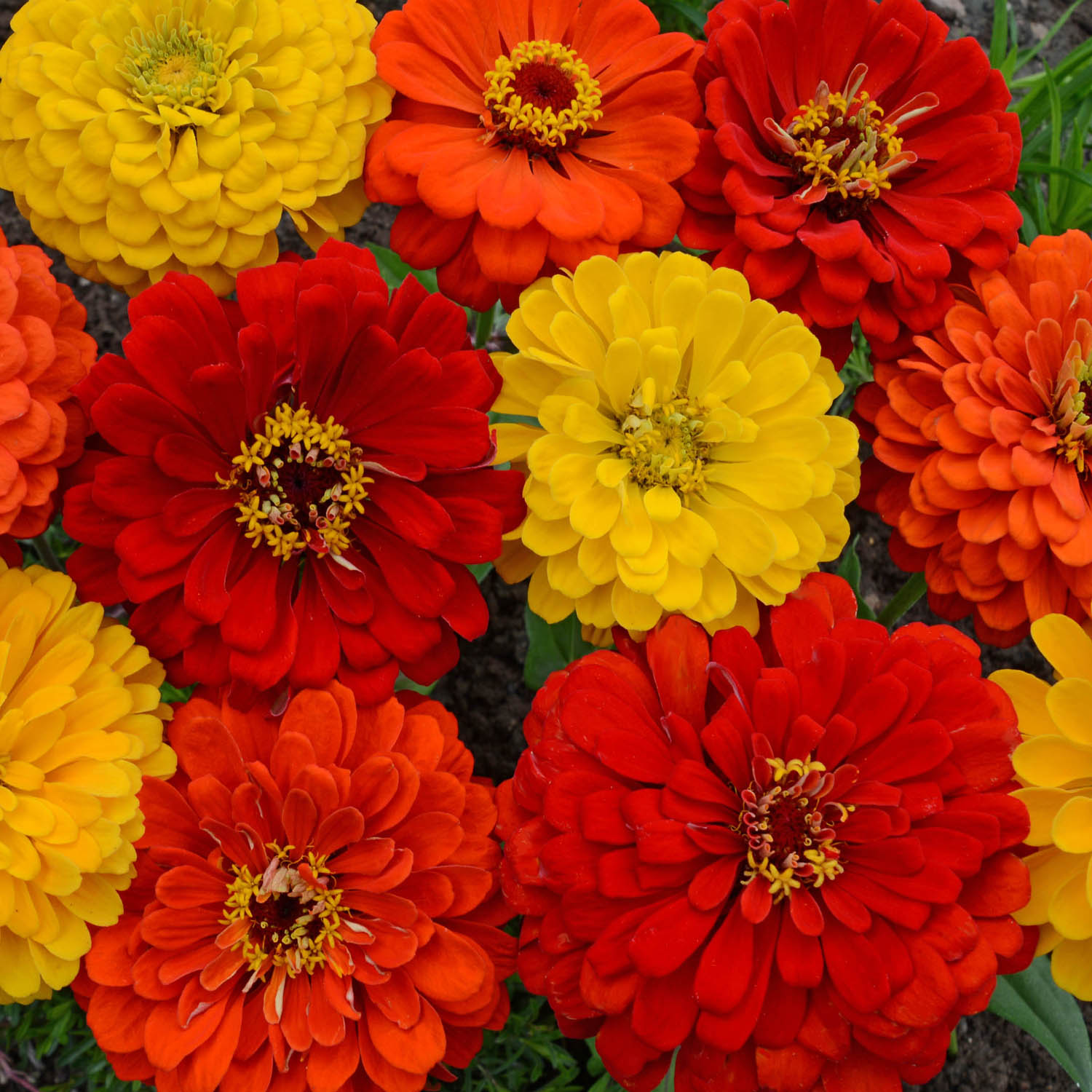
Lava Lamp Zinnia is a vibrant, heat-loving annual that lives up to its colorful name with a brilliant mixture of glowing red, fiery orange, and golden yellow blooms. Rather than producing a single flower color, each planting becomes a dazzling display of warm sunset shades that seem to shimmer together across the garden like the swirling colors inside a classic lava lamp. Compact, vigorous, and exceptionally free-flowering, this cheerful mixture delivers nonstop blooms from early summer until frost while attracting butterflies and pollinators in abundance.
Garden Uses
Lava Lamp Zinnia is ideal for sunny flower beds, cottage gardens, butterfly gardens, pollinator borders, mass plantings, containers, and cutting gardens. The warm blend of scarlet, crimson, orange, and golden-yellow flowers creates spectacular displays when planted in large groups. It combines beautifully with blue salvia, purple ageratum, white cosmos, ornamental grasses, celosia, marigolds, rudbeckia, and sunflowers. The bright flowers also provide excellent color for fresh summer bouquets.
Growing Information
Direct sow seeds outdoors after all danger of frost has passed and the soil has thoroughly warmed, or start indoors 4 to 6 weeks before transplanting. Plant seeds approximately 1/4 inch deep in fertile, well-drained soil. Germination usually occurs within 5 to 10 days at temperatures of 70–80°F. Select a location in full sun for maximum flowering and sturdy growth. Plants generally mature 18 to 24 inches tall with a spread of 12 to 18 inches. Water deeply during dry periods, provide good air circulation, and remove faded flowers regularly to encourage continuous blooming until frost.
Quick Facts
- Botanical Name: Zinnia elegans
- Common Name: Lava Lamp Zinnia
- Plant Type: Warm-season annual
- Height: 18–24 inches
- Spread: 12–18 inches
- Bloom Size: 2½–4 inches across
- Bloom Color: Individual flowers in bright red, scarlet, orange, and golden yellow
- Bloom Season: Early summer until frost
- Sun Requirements: Full sun
- Soil Requirements: Fertile, well-drained soil
- USDA Zones: Grown as an annual in all zones
- Pollinator Friendly: Excellent
- Butterfly Friendly: Excellent
- Cut Flower: Excellent
- Heat Tolerance: Excellent
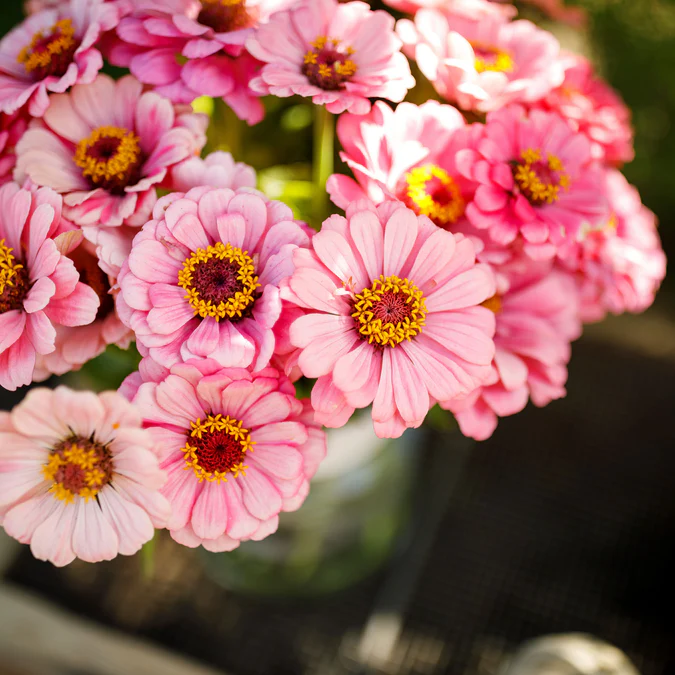
Exquisite Zinnia is a refined heirloom variety admired for its large, elegant blooms, outstanding garden performance, and long-lasting flowers. Producing fully double blossoms in a harmonious blend of soft pinks, rosy salmon, coral, lavender, cream, scarlet, and occasional white, this beautiful mixture offers a graceful alternative to brighter zinnia blends. The sturdy plants bloom continuously from early summer until frost, providing both spectacular landscape color and an abundance of premium cut flowers.
Garden Uses
Exquisite Zinnia is an outstanding choice for cutting gardens, cottage gardens, mixed flower borders, pollinator gardens, and large annual displays. The soft, sophisticated color palette combines beautifully with cosmos, blue salvia, gomphrena, celosia, ornamental grasses, verbena, snapdragons, and rudbeckia. Its sturdy stems and long-lasting blooms make it one of the finest varieties for fresh bouquets, wedding arrangements, and elegant floral displays.
Growing Information
Direct sow seeds outdoors after all danger of frost has passed and the soil has warmed, or start indoors 4 to 6 weeks before transplanting. Sow seeds approximately 1/4 inch deep in fertile, well-drained soil. Germination generally occurs within 5 to 10 days at temperatures between 70–80°F. Plant in full sun for maximum flowering and strongest stems. Mature plants typically grow 30 to 36 inches tall with a spread of 18 to 24 inches. Water deeply during dry periods, provide good air circulation, and remove faded blooms or harvest flowers regularly to encourage continuous flowering until frost.
Quick Facts
- Botanical Name: Zinnia elegans
- Common Name: Exquisite Zinnia
- Plant Type: Warm-season annual
- Height: 30–36 inches
- Spread: 18–24 inches
- Bloom Size: 3–5 inches across
- Bloom Color: Mixed shades of pink, salmon, coral, lavender, cream, scarlet, and white
- Bloom Season: Early summer until frost
- Sun Requirements: Full sun
- Soil Requirements: Fertile, well-drained soil
- USDA Zones: Grown as an annual in all zones
- Pollinator Friendly: Excellent
- Butterfly Friendly: Excellent
- Cut Flower: Outstanding
- Heat Tolerance: Excellent
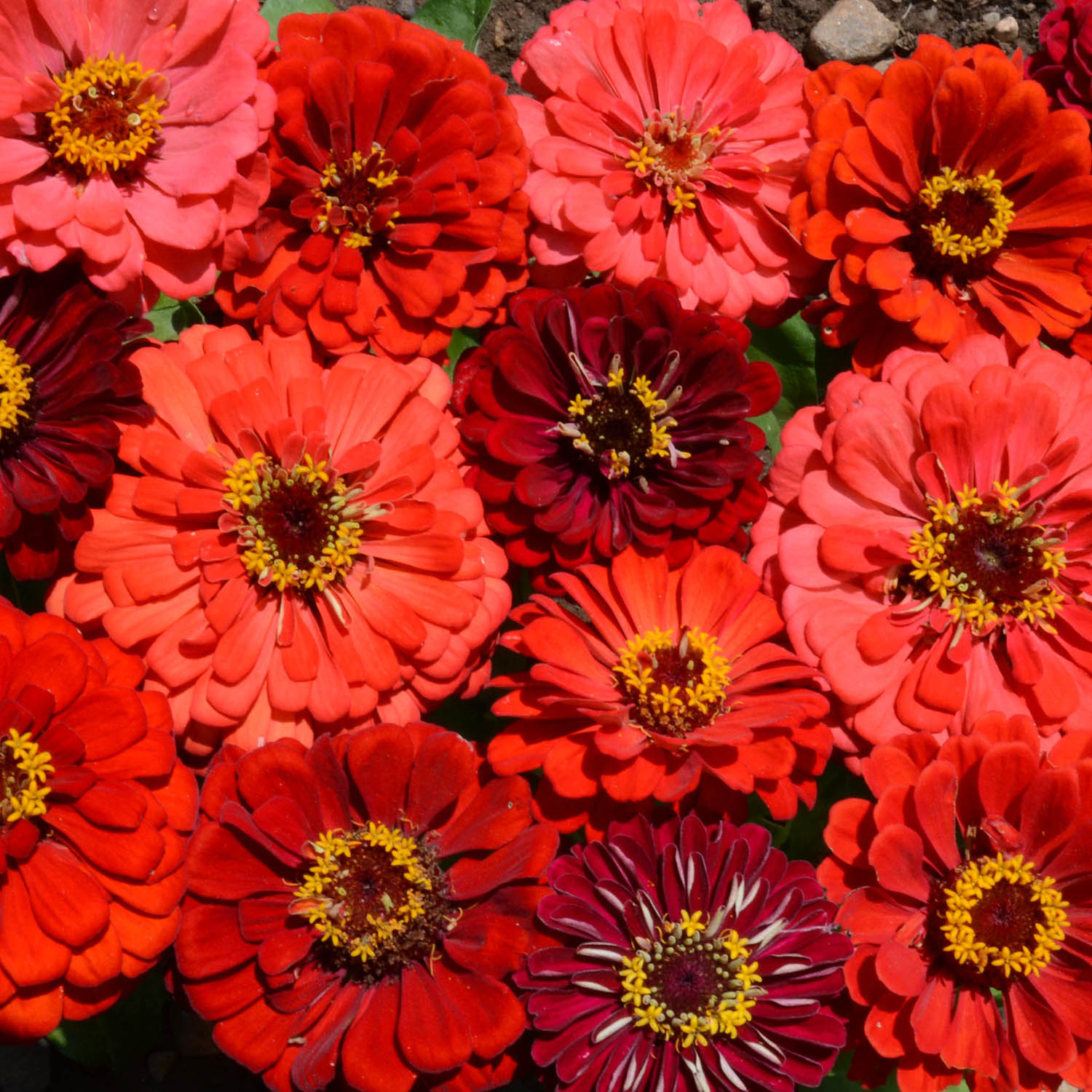
Berry Tart Zinnia is a delightful modern zinnia mixture featuring luscious berry-inspired shades of raspberry, cherry, rose, magenta, cranberry, soft pink, and creamy white. Much like its dessert-inspired name suggests, the blooms combine rich fruit colors with lighter accents to create a vibrant yet elegant display throughout the summer garden. Compact, vigorous, and exceptionally floriferous, Berry Tart produces an abundance of long-lasting flowers that brighten borders, containers, cutting gardens, and pollinator plantings from early summer until frost.
Garden Uses
Berry Tart Zinnia is ideal for cottage gardens, cutting gardens, butterfly gardens, pollinator borders, patio containers, mixed flower beds, and colorful landscape plantings. The rich berry-colored flowers pair beautifully with white cosmos, lavender salvia, blue ageratum, gomphrena, celosia, ornamental grasses, dusty miller, and silver-leaved foliage plants. Its colorful blooms also make outstanding additions to fresh bouquets where the various berry tones blend naturally together.
Growing Information
Direct sow seeds outdoors after all danger of frost has passed and the soil has warmed, or start indoors 4 to 6 weeks before transplanting. Sow seeds approximately 1/4 inch deep in fertile, well-drained soil. Germination usually occurs within 5 to 10 days when temperatures remain between 70–80°F. Plant in full sun for the heaviest flowering and strongest stems. Mature plants generally reach 18 to 24 inches tall with a spread of 12 to 18 inches. Water deeply during dry periods, provide adequate air circulation, and remove faded flowers regularly to promote continuous blooming until autumn frost.
Quick Facts
- Botanical Name: Zinnia elegans
- Common Name: Berry Tart Zinnia
- Plant Type: Warm-season annual
- Height: 18–24 inches
- Spread: 12–18 inches
- Bloom Size: 2½–4 inches across
- Bloom Color: Mixed shades of raspberry, cherry, rose, magenta, cranberry, soft pink, and creamy white
- Bloom Season: Early summer until frost
- Sun Requirements: Full sun
- Soil Requirements: Fertile, well-drained soil
- USDA Zones: Grown as an annual in all zones
- Pollinator Friendly: Excellent
- Butterfly Friendly: Excellent
- Cut Flower: Excellent
- Heat Tolerance: Excellent
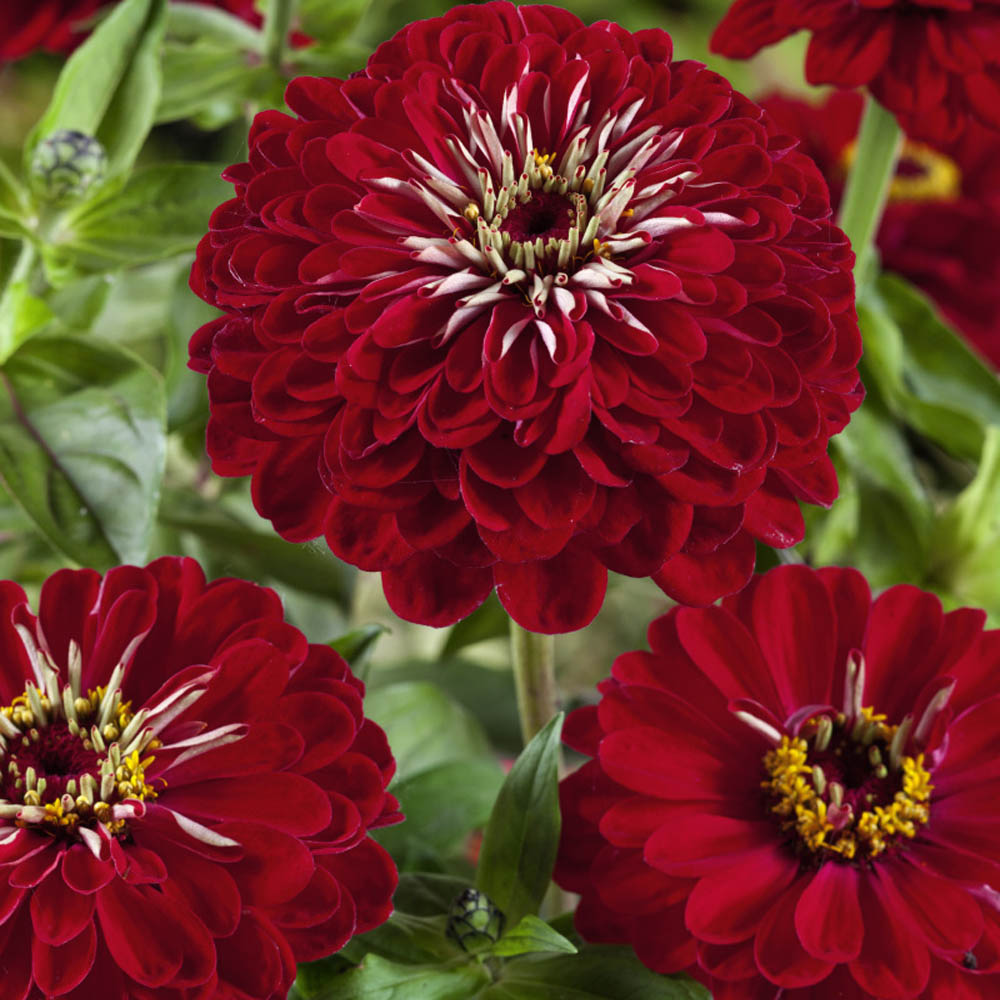
Dahlia Flowered Meteor Zinnia is a spectacular heirloom variety prized for its enormous, fully double blooms in brilliant fiery scarlet-orange with glowing red undertones. The large, perfectly layered flowers closely resemble decorative dahlias, creating a bold display that radiates warmth and energy throughout the summer garden. Supported by strong upright stems and vigorous plants, Meteor produces an abundance of long-lasting blooms from early summer until frost, making it equally valuable for landscape plantings and premium cut flower production.
Garden Uses
Meteor is an outstanding choice for cutting gardens, cottage gardens, pollinator borders, large flower beds, mass plantings, and mixed annual displays. Its vivid scarlet-orange blooms combine beautifully with yellow rudbeckia, blue salvia, purple ageratum, white cosmos, celosia, ornamental grasses, marigolds, and sunflowers. The large flowers also create dramatic focal points in fresh bouquets, where their rich color and impressive size immediately attract attention.
Growing Information
Direct sow seeds outdoors after all danger of frost has passed and the soil has thoroughly warmed, or start indoors 4 to 6 weeks before transplanting. Plant seeds approximately 1/4 inch deep in fertile, well-drained soil. Germination usually occurs within 5 to 10 days at temperatures between 70–80°F. Grow plants in full sun for the strongest stems and best flower production. Mature plants typically reach 30 to 40 inches tall with a spread of 18 to 24 inches. Water deeply during dry weather, avoid overhead watering whenever possible, and deadhead or harvest flowers regularly to encourage continuous blooming until frost.
Quick Facts
- Botanical Name: Zinnia elegans
- Common Name: Dahlia Flowered Meteor Zinnia
- Plant Type: Warm-season annual
- Height: 30–40 inches
- Spread: 18–24 inches
- Bloom Size: 4–5 inches across
- Bloom Color: Brilliant scarlet-orange with fiery red-orange tones
- Bloom Form: Fully double, decorative dahlia-flowered
- Bloom Season: Early summer until frost
- Sun Requirements: Full sun
- Soil Requirements: Fertile, well-drained soil
- USDA Zones: Grown as an annual in all zones
- Pollinator Friendly: Excellent
- Butterfly Friendly: Excellent
- Cut Flower: Outstanding
- Heat Tolerance: Excellent
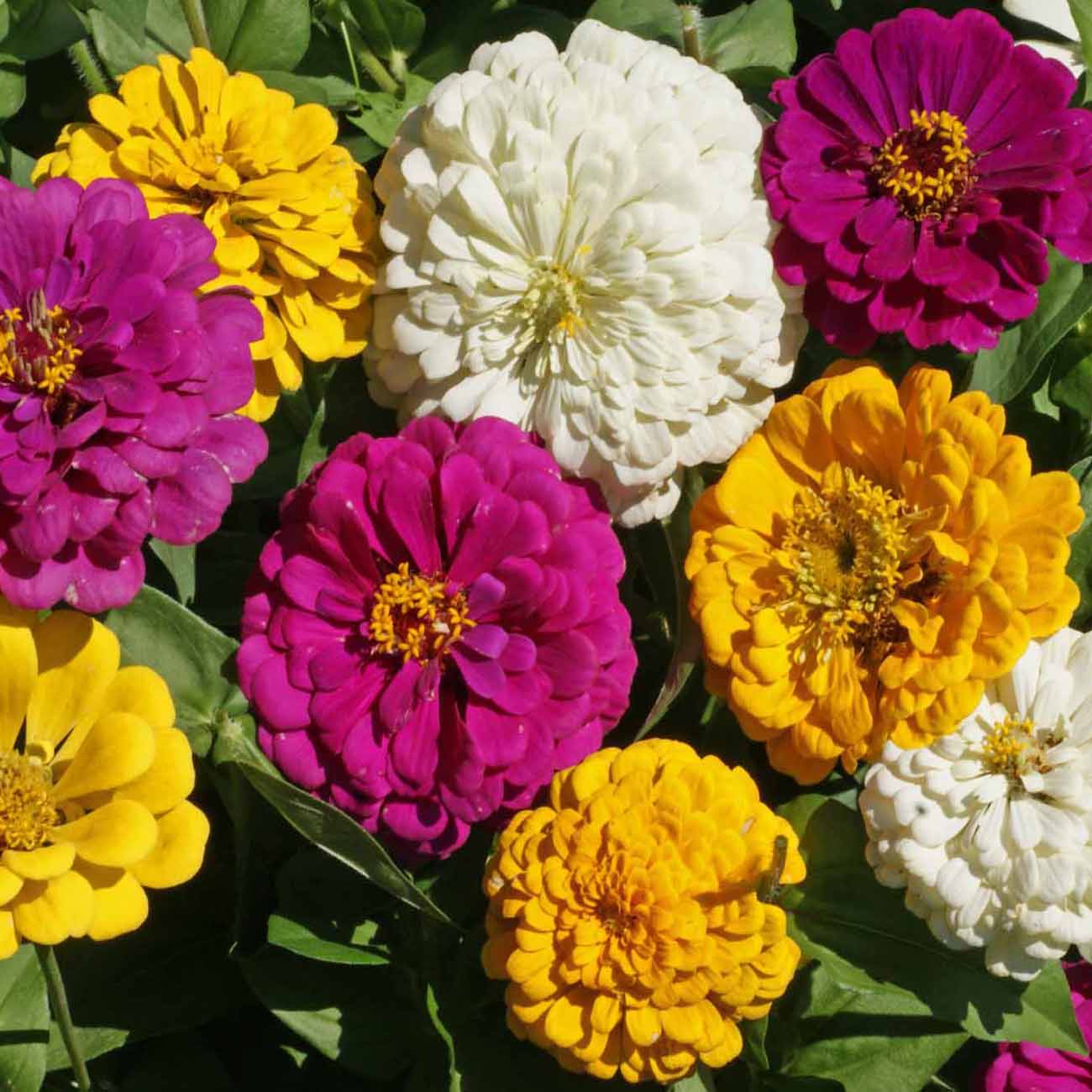
Mardi Gras Mix Zinnia is a festive, high-energy blend that fills the garden with a dazzling celebration of color. Producing fully double to semi-double blooms in brilliant shades of scarlet, crimson, orange, golden yellow, hot pink, rose, magenta, purple, white, and bicolors, this lively mixture captures the joyful spirit of its famous namesake. Blooming continuously from early summer until frost, Mardi Gras Mix creates a colorful carnival of flowers that attracts butterflies, pollinators, and countless admiring glances throughout the growing season.
Garden Uses
Mardi Gras Mix is perfect for cottage gardens, butterfly gardens, cutting gardens, pollinator borders, large flower beds, and mass landscape plantings. Its broad spectrum of vibrant colors blends beautifully with cosmos, celosia, salvia, rudbeckia, gomphrena, ornamental grasses, marigolds, sunflowers, and verbena. Large drifts create spectacular displays of nonstop summer color, while the sturdy stems produce an endless supply of cheerful bouquets.
Growing Information
Direct sow seeds outdoors after all danger of frost has passed and the soil has warmed, or start indoors 4 to 6 weeks before transplanting. Plant seeds approximately 1/4 inch deep in fertile, well-drained soil. Germination usually occurs within 5 to 10 days at temperatures between 70–80°F. Select a location in full sun for the heaviest flowering and strongest stems. Plants typically mature 24 to 36 inches tall with a spread of 18 to 24 inches. Water deeply during extended dry periods, provide adequate spacing for good air circulation, and deadhead or harvest blooms regularly to encourage continuous flowering until frost.
Quick Facts
- Botanical Name: Zinnia elegans
- Common Name: Mardi Gras Mix Zinnia
- Plant Type: Warm-season annual
- Height: 24–36 inches
- Spread: 18–24 inches
- Bloom Size: 3–5 inches across
- Bloom Color: Mixed shades of scarlet, crimson, orange, yellow, hot pink, rose, magenta, purple, white, and bicolors
- Bloom Season: Early summer until frost
- Sun Requirements: Full sun
- Soil Requirements: Fertile, well-drained soil
- USDA Zones: Grown as an annual in all zones
- Pollinator Friendly: Excellent
- Butterfly Friendly: Excellent
- Cut Flower: Excellent
- Heat Tolerance: Excellent
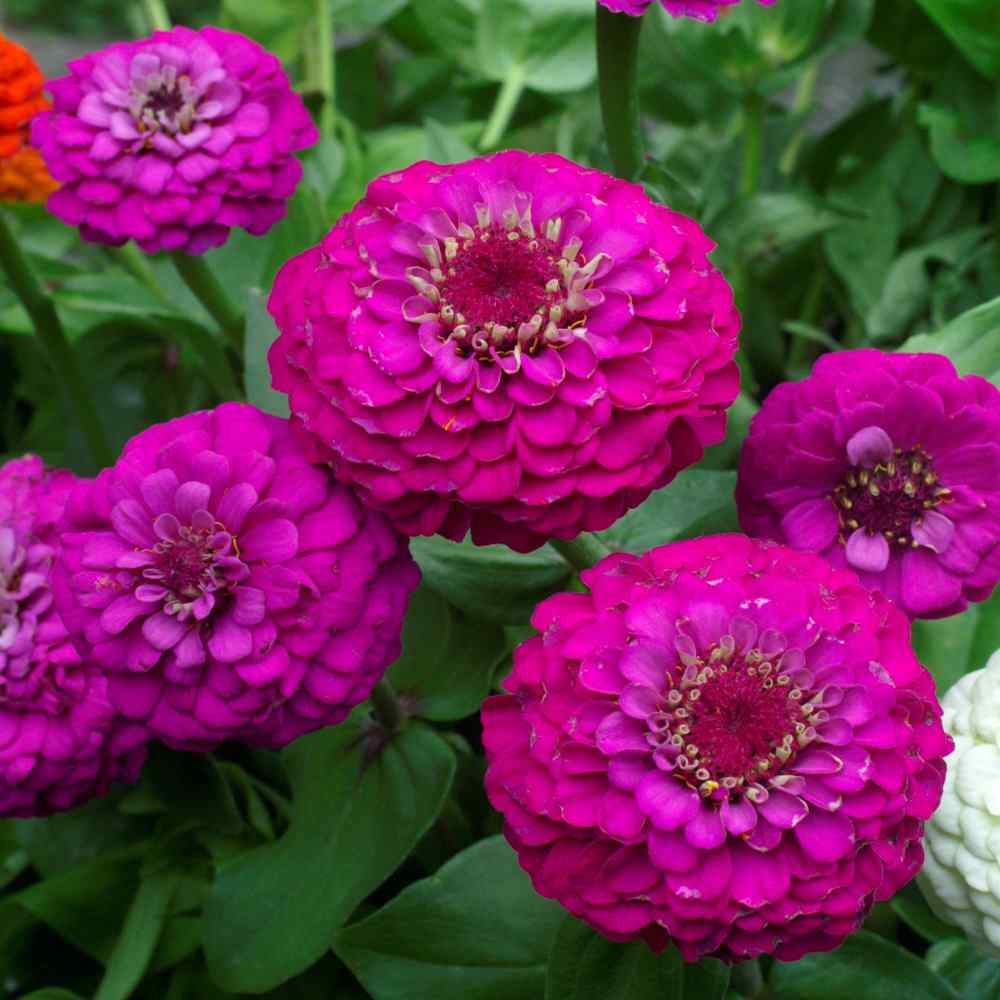
Lilliput Purple Zinnia is a charming heirloom variety that produces an abundance of perfectly formed, miniature double blooms in rich royal purple to deep violet shades. Despite their smaller size, the flowers are packed tightly with layered petals, creating little pompon-like blossoms that completely cover the compact, bushy plants. Blooming continuously from early summer until frost, Lilliput Purple is prized for its exceptional branching, long flowering season, and outstanding performance in borders, containers, and cutting gardens.
Garden Uses
Lilliput Purple is an excellent choice for border edging, cottage gardens, butterfly gardens, pollinator plantings, patio containers, window boxes, cutting gardens, and mass plantings. Its compact size allows it to fit beautifully into smaller gardens while still producing a remarkable number of flowers. The deep purple blooms combine wonderfully with white alyssum, yellow marigolds, orange zinnias, pink cosmos, blue salvia, silver foliage plants, and ornamental grasses. They are especially attractive when planted in colorful drifts.
Growing Information
Direct sow seeds outdoors after all danger of frost has passed and the soil has warmed, or start indoors 4 to 6 weeks before transplanting. Sow seeds approximately 1/4 inch deep in fertile, well-drained soil. Germination usually occurs within 5 to 10 days at temperatures of 70–80°F. Plant in full sun for maximum flowering and compact growth. Mature plants generally reach 18 to 24 inches tall with a spread of 12 to 18 inches. Water deeply during dry periods, provide good air circulation, and deadhead spent flowers regularly to encourage nonstop blooming until frost.
Quick Facts
- Botanical Name: Zinnia elegans
- Common Name: Lilliput Purple Zinnia
- Plant Type: Warm-season annual
- Height: 18–24 inches
- Spread: 12–18 inches
- Bloom Size: 1½–2 inches across
- Bloom Color: Rich purple to deep violet
- Bloom Form: Fully double pompon-type flowers
- Bloom Season: Early summer until frost
- Sun Requirements: Full sun
- Soil Requirements: Fertile, well-drained soil
- USDA Zones: Grown as an annual in all zones
- Pollinator Friendly: Excellent
- Butterfly Friendly: Excellent
- Cut Flower: Excellent
- Heat Tolerance: Excellent
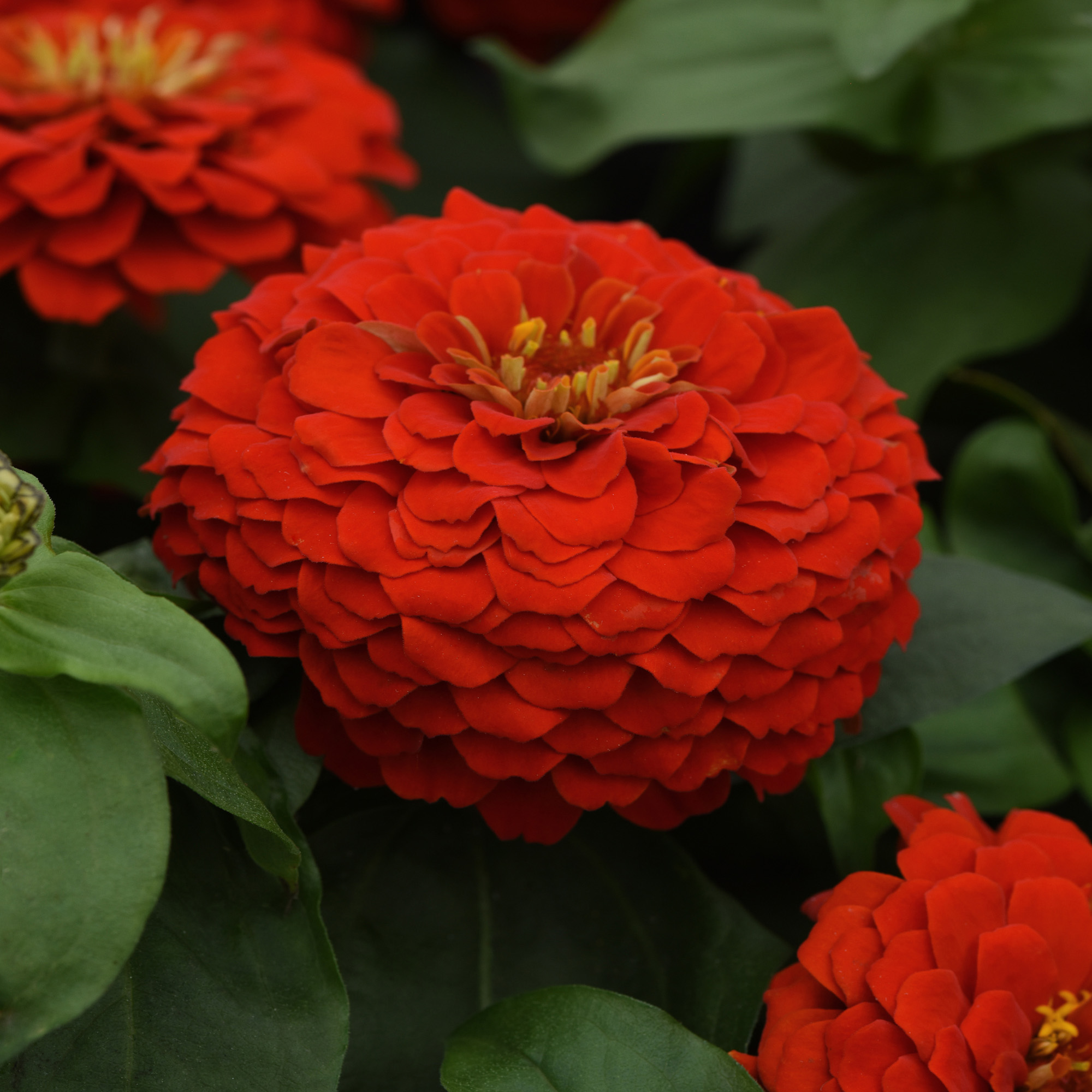
Lilliput Red Zinnia is a classic heirloom annual prized for its brilliant scarlet-red, fully double pompon flowers that completely cover compact, well-branched plants throughout the summer. The perfectly rounded miniature blooms resemble tiny dahlias, creating a neat and colorful display that brightens borders, containers, cottage gardens, and cutting beds. Blooming continuously from early summer until frost, Lilliput Red combines old-fashioned charm with dependable heat tolerance and exceptional flower production.
Garden Uses
Lilliput Red is ideal for border edging, butterfly gardens, pollinator plantings, patio containers, cottage gardens, cutting gardens, and colorful mass plantings. The vivid scarlet-red blooms create striking combinations with white alyssum, yellow marigolds, blue salvia, purple ageratum, orange zinnias, cosmos, celosia, and ornamental grasses. Its compact habit makes it especially valuable for smaller gardens, while the long stems are excellent for bright summer bouquets.
Growing Information
Direct sow seeds outdoors after all danger of frost has passed and the soil has warmed, or start indoors 4 to 6 weeks before transplanting. Sow seeds approximately 1/4 inch deep in fertile, well-drained soil. Germination usually occurs within 5 to 10 days at temperatures of 70–80°F. Plant in full sun for the strongest growth and heaviest flowering. Mature plants generally reach 18 to 24 inches tall with a spread of 12 to 18 inches. Water deeply during extended dry periods, provide adequate spacing for air circulation, and deadhead spent blooms regularly to encourage continuous flowering until frost.
Quick Facts
- Botanical Name: Zinnia elegans
- Common Name: Lilliput Red Zinnia
- Plant Type: Warm-season annual
- Height: 18–24 inches
- Spread: 12–18 inches
- Bloom Size: 1½–2 inches across
- Bloom Color: Brilliant scarlet-red
- Bloom Form: Fully double pompon-type flowers
- Bloom Season: Early summer until frost
- Sun Requirements: Full sun
- Soil Requirements: Fertile, well-drained soil
- USDA Zones: Grown as an annual in all zones
- Pollinator Friendly: Excellent
- Butterfly Friendly: Excellent
- Cut Flower: Excellent
- Heat Tolerance: Excellent
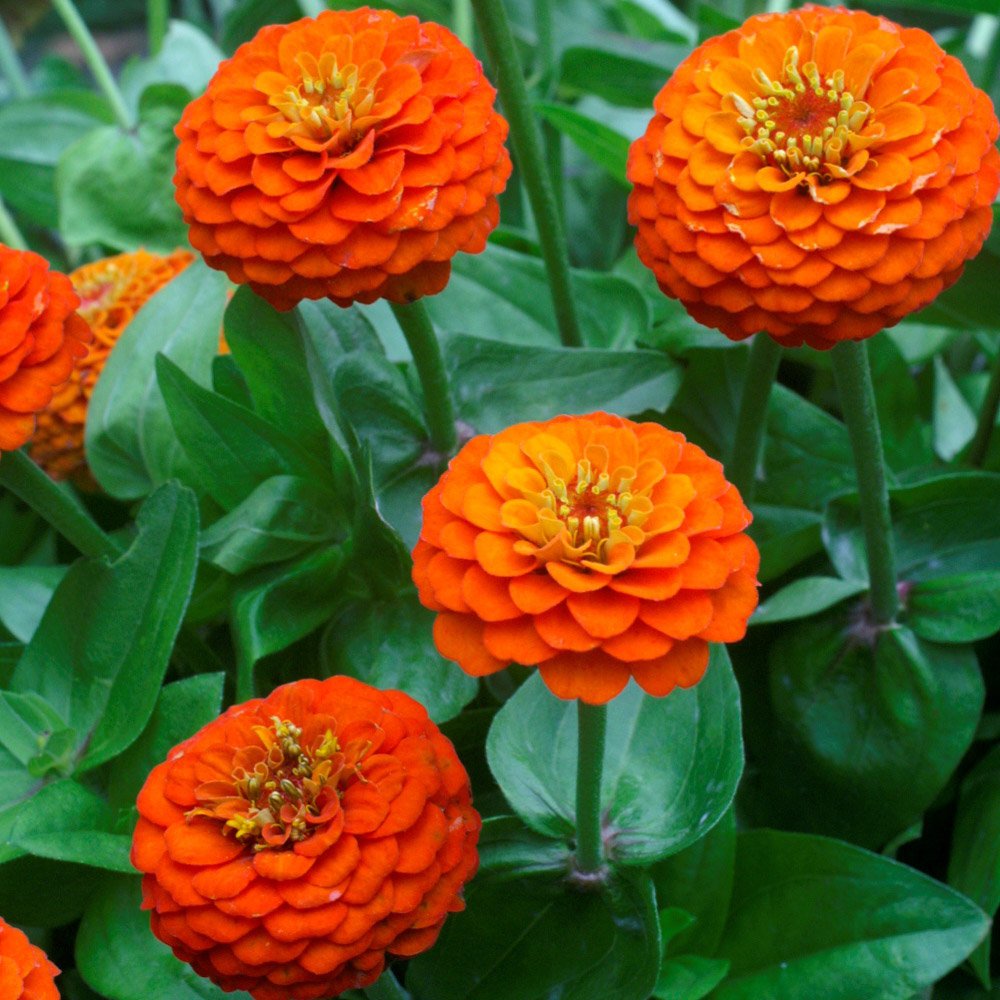
Lilliput Orange Zinnia is a cheerful heirloom annual that produces countless miniature, fully double pompon blooms in brilliant shades of glowing orange and tangerine. The perfectly rounded flowers are held above compact, bushy plants that bloom continuously from early summer until frost, creating an eye-catching display of warm color. Combining old-fashioned charm with excellent heat tolerance and dependable performance, Lilliput Orange is equally at home in borders, cottage gardens, containers, pollinator plantings, and cutting gardens.
Garden Uses
Lilliput Orange is an excellent choice for border edging, butterfly gardens, cottage gardens, patio containers, cutting gardens, pollinator beds, and colorful mass plantings. The vibrant orange blooms combine beautifully with blue salvia, purple ageratum, yellow marigolds, white alyssum, scarlet zinnias, pink cosmos, celosia, and ornamental grasses. The compact plants produce dozens of flowers that create bright, sunny displays while providing colorful stems for bouquets.
Growing Information
Direct sow seeds outdoors after all danger of frost has passed and the soil has warmed, or start indoors 4 to 6 weeks before transplanting. Plant seeds approximately 1/4 inch deep in fertile, well-drained soil. Germination usually occurs within 5 to 10 days at temperatures of 70–80°F. Grow in full sun for maximum flowering and compact growth. Mature plants generally reach 18 to 24 inches tall with a spread of 12 to 18 inches. Water deeply during dry weather, provide adequate air circulation, and remove spent flowers regularly to promote continuous blooming until frost.
Quick Facts
- Botanical Name: Zinnia elegans
- Common Name: Lilliput Orange Zinnia
- Plant Type: Warm-season annual
- Height: 18–24 inches
- Spread: 12–18 inches
- Bloom Size: 1½–2 inches across
- Bloom Color: Bright orange to tangerine
- Bloom Form: Fully double pompon-type flowers
- Bloom Season: Early summer until frost
- Sun Requirements: Full sun
- Soil Requirements: Fertile, well-drained soil
- USDA Zones: Grown as an annual in all zones
- Pollinator Friendly: Excellent
- Butterfly Friendly: Excellent
- Cut Flower: Excellent
- Heat Tolerance: Excellent
Lilliput Mix Zinnia is a beloved heirloom blend that produces masses of perfectly formed miniature pompon flowers in a brilliant rainbow of colors. Compact yet incredibly floriferous, the plants become covered with fully double blooms in shades of scarlet, crimson, orange, yellow, rose, pink, purple, lavender, salmon, white, and bicolors. Each flower resembles a tiny decorative dahlia, giving the planting an elegant, old-fashioned appearance. Blooming continuously from early summer until frost, Lilliput Mix offers months of vibrant color while remaining one of the easiest and most dependable annual flowers to grow.
Garden Uses
Lilliput Mix is ideal for border edging, cottage gardens, butterfly gardens, pollinator beds, patio containers, window boxes, cutting gardens, children's gardens, and colorful mass plantings. The broad range of flower colors blends beautifully with cosmos, celosia, marigolds, salvia, ageratum, gomphrena, ornamental grasses, and other summer annuals. Its compact size makes it perfect for smaller gardens, while the abundance of blooms creates spectacular displays when planted in large drifts.
Growing Information
Direct sow seeds outdoors after all danger of frost has passed and the soil has thoroughly warmed, or start indoors 4 to 6 weeks before transplanting. Plant seeds approximately 1/4 inch deep in fertile, well-drained soil. Germination usually occurs within 5 to 10 days at temperatures between 70–80°F. Select a full sun location for the strongest stems and best flowering. Mature plants generally grow 18 to 24 inches tall with a spread of 12 to 18 inches. Water deeply during dry periods, maintain good air circulation, and deadhead or harvest flowers regularly to encourage continuous blooming until autumn frost.
Quick Facts
- Botanical Name: Zinnia elegans
- Common Name: Lilliput Mix Zinnia
- Plant Type: Warm-season annual
- Height: 18–24 inches
- Spread: 12–18 inches
- Bloom Size: 1½–2 inches across
- Bloom Color: Mixed shades of scarlet, crimson, orange, yellow, rose, pink, purple, lavender, salmon, white, and bicolors
- Bloom Form: Fully double pompon-type flowers
- Bloom Season: Early summer until frost
- Sun Requirements: Full sun
- Soil Requirements: Fertile, well-drained soil
- USDA Zones: Grown as an annual in all zones
- Pollinator Friendly: Excellent
- Butterfly Friendly: Excellent
- Cut Flower: Excellent
- Heat Tolerance: Excellent
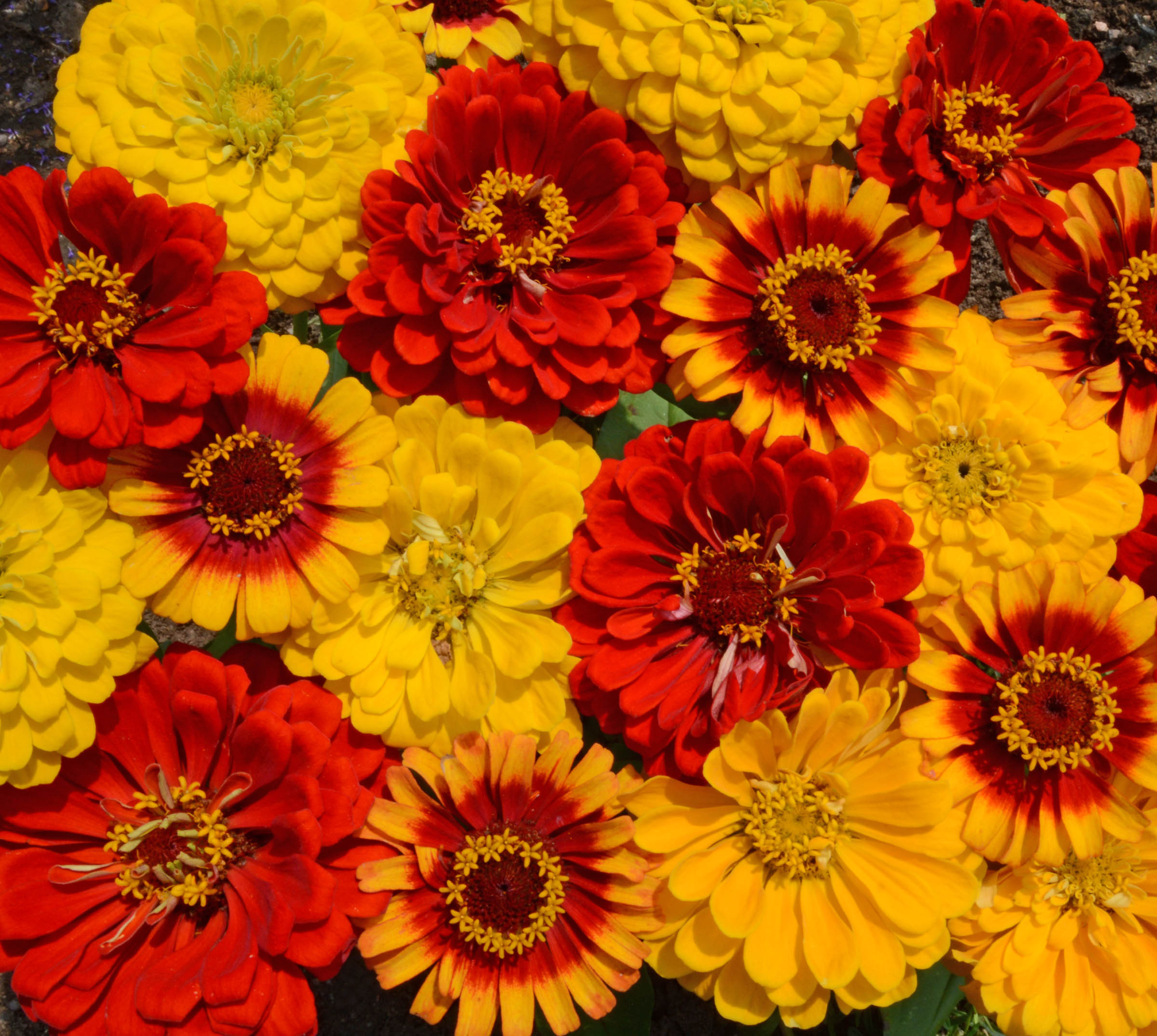
South of the Border Mix Zinnia is a vibrant, fiesta-inspired blend that celebrates the brilliant colors of the American Southwest and Mexico. This lively mixture produces an abundance of fully double and semi-double blooms in glowing shades of scarlet, crimson, fiery orange, golden yellow, coral, hot pink, and rich magenta. The bold colors seem to radiate warmth like a desert sunset, creating a spectacular display from early summer until frost. Easy to grow and exceptionally heat tolerant, South of the Border Mix is perfect for gardeners who want nonstop color with very little maintenance.
Garden Uses
South of the Border Mix is ideal for cottage gardens, butterfly gardens, cutting gardens, pollinator borders, mass plantings, large flower beds, and colorful landscape displays. The warm, vibrant flowers pair beautifully with blue salvia, purple ageratum, celosia, marigolds, rudbeckia, cosmos, ornamental grasses, sunflowers, and verbena. Planting large drifts creates an impressive display of fiery summer color, while the sturdy stems provide abundant fresh flowers for bouquets.
Growing Information
Direct sow seeds outdoors after all danger of frost has passed and the soil has warmed, or start indoors 4 to 6 weeks before transplanting. Sow seeds approximately 1/4 inch deep in fertile, well-drained soil. Germination usually occurs within 5 to 10 days when temperatures remain between 70–80°F. Plant in full sun for the strongest growth and most abundant flowering. Mature plants typically grow 24 to 36 inches tall with a spread of 18 to 24 inches. Water deeply during prolonged dry periods, provide adequate spacing for air circulation, and deadhead or harvest blooms regularly to promote continuous flowering until autumn frost.
Quick Facts
- Botanical Name: Zinnia elegans
- Common Name: South of the Border Mix Zinnia
- Plant Type: Warm-season annual
- Height: 24–36 inches
- Spread: 18–24 inches
- Bloom Size: 3–5 inches across
- Bloom Color: Mixed shades of scarlet, crimson, orange, golden yellow, coral, hot pink, and magenta
- Bloom Season: Early summer until frost
- Sun Requirements: Full sun
- Soil Requirements: Fertile, well-drained soil
- USDA Zones: Grown as an annual in all zones
- Pollinator Friendly: Excellent
- Butterfly Friendly: Excellent
- Cut Flower: Excellent
- Heat Tolerance: Excellent
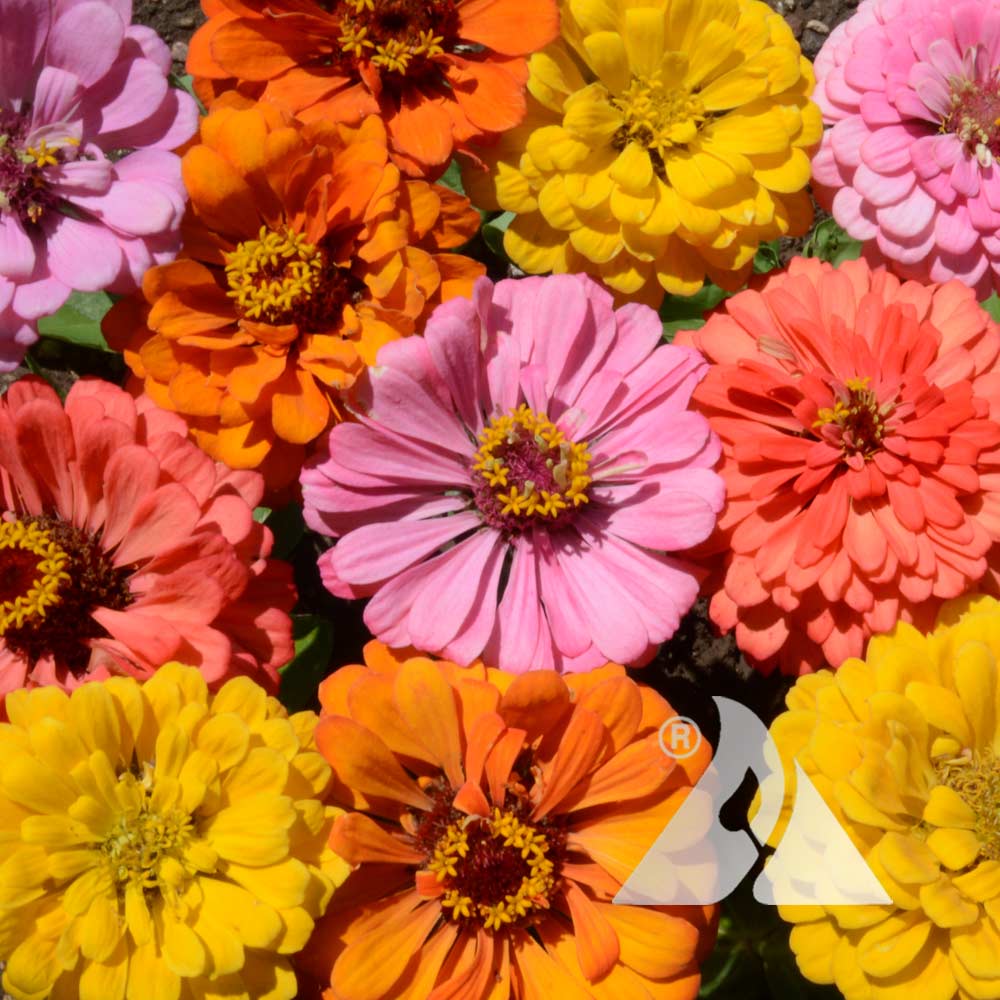
Peach Cobbler Zinnia Mix is a deliciously beautiful blend of warm, dessert-inspired colors that brings the comforting tones of ripe peaches and summer sunshine to the garden. This cheerful mixture produces abundant fully double and semi-double blooms in shades of peach, apricot, soft coral, creamy yellow, warm salmon, light orange, blush pink, and buttery gold. The harmonious color palette creates a soft yet vibrant display that blooms continuously from early summer until frost, making it an outstanding choice for borders, cutting gardens, and pollinator-friendly landscapes.
Garden Uses
Peach Cobbler Zinnia Mix is perfect for cottage gardens, cutting gardens, butterfly gardens, pollinator borders, mixed annual beds, patio containers, and mass landscape plantings. The warm pastel tones combine beautifully with lavender salvia, blue ageratum, white cosmos, dusty miller, ornamental grasses, celosia, gomphrena, rudbeckia, and cream-colored marigolds. The soft color blend also creates elegant fresh-cut bouquets that complement both rustic and formal floral arrangements.
Growing Information
Direct sow seeds outdoors after all danger of frost has passed and the soil has warmed, or start indoors 4 to 6 weeks before transplanting. Plant seeds approximately 1/4 inch deep in fertile, well-drained soil. Germination typically occurs within 5 to 10 days at temperatures between 70–80°F. Grow plants in full sun for the strongest stems and heaviest flowering. Mature plants generally reach 24 to 36 inches tall with a spread of 18 to 24 inches. Water deeply during extended dry periods, provide adequate spacing for good air circulation, and remove faded blooms or harvest flowers regularly to encourage continuous blooming until frost.
Quick Facts
- Botanical Name: Zinnia elegans
- Common Name: Peach Cobbler Zinnia Mix
- Plant Type: Warm-season annual
- Height: 24–36 inches
- Spread: 18–24 inches
- Bloom Size: 3–5 inches across
- Bloom Color: Peach, apricot, coral, salmon, creamy yellow, buttery gold, blush pink, and soft orange
- Bloom Season: Early summer until frost
- Sun Requirements: Full sun
- Soil Requirements: Fertile, well-drained soil
- USDA Zones: Grown as an annual in all zones
- Pollinator Friendly: Excellent
- Butterfly Friendly: Excellent
- Cut Flower: Outstanding
- Heat Tolerance: Excellent
Seedman Star Ratings
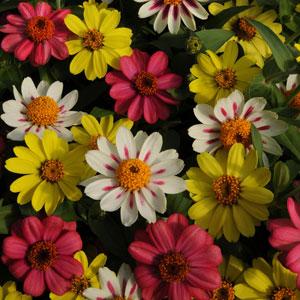
Zahara Raspberry Lemonade Zinnia is a spectacular modern selection that combines vivid raspberry-pink petals with bright lemon-yellow centers, creating one of the most cheerful bicolor displays in the summer garden. Each flower appears hand-painted, with rich berry tones surrounding a glowing golden eye that seems to radiate sunshine. As a member of the award-winning Zahara Series, this variety offers exceptional disease resistance, outstanding heat tolerance, and continuous flowering from late spring until frost, even during periods of intense summer heat.
Garden Uses
Zahara Raspberry Lemonade is ideal for sunny flower beds, border edging, patio containers, window boxes, butterfly gardens, pollinator plantings, cottage gardens, and mass landscape displays. Its bright raspberry and yellow blooms combine beautifully with blue salvia, white alyssum, purple verbena, ornamental grasses, celosia, lantana, marigolds, and silver foliage plants. The compact, mounding habit makes it particularly effective in front-of-border plantings and colorful mixed containers.
Growing Information
Direct sow seeds outdoors after all danger of frost has passed and the soil has warmed, or start indoors 4 to 6 weeks before transplanting. Sow seeds approximately 1/4 inch deep in fertile, well-drained soil. Germination usually occurs within 5 to 10 days at temperatures of 70–80°F. Plant in full sun for the heaviest flowering and strongest growth. Mature plants typically reach 12 to 18 inches tall with a spread of 16 to 20 inches, forming neat, bushy mounds. Water deeply during dry periods, but avoid constantly wet soil. Unlike many traditional zinnias, Zahara varieties require very little deadheading to continue producing abundant blooms throughout the season.
Quick Facts
- Botanical Name: Zinnia marylandica
- Common Name: Zahara Raspberry Lemonade Zinnia
- Plant Type: Warm-season annual
- Height: 12–18 inches
- Spread: 16–20 inches
- Bloom Size: 2–3 inches across
- Bloom Color: Raspberry-pink petals with bright lemon-yellow centers
- Bloom Season: Late spring until frost
- Sun Requirements: Full sun
- Soil Requirements: Well-drained soil of average fertility
- USDA Zones: Grown as an annual in all zones
- Pollinator Friendly: Excellent
- Butterfly Friendly: Excellent
- Container Suitable: Excellent
- Disease Resistance: Outstanding
- Heat Tolerance: Excellent
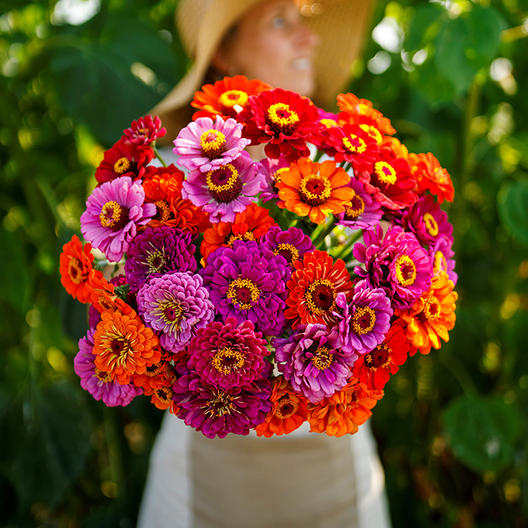
Purple Dream Mix Zinnia is an elegant collection of richly colored blooms featuring beautiful shades of lavender, lilac, orchid, rose-purple, magenta, violet, plum, and deep royal purple. The fully double and semi-double flowers create a soothing yet dramatic display that adds depth and sophistication to sunny gardens. Blooming continuously from early summer until frost, this premium mixture combines exceptional heat tolerance with outstanding flower production, making it an excellent choice for both landscape plantings and fresh-cut arrangements.
Garden Uses
Purple Dream Mix is perfect for cottage gardens, cutting gardens, butterfly gardens, pollinator borders, mixed perennial beds, patio containers, and mass landscape plantings. The cool-toned flowers pair beautifully with white cosmos, silver dusty miller, blue salvia, ornamental grasses, pink gomphrena, white alyssum, and soft yellow flowers such as coreopsis or rudbeckia. The rich purple palette also creates elegant monochromatic plantings or striking contrast when combined with bright oranges and golden yellows.
Growing Information
Direct sow seeds outdoors after all danger of frost has passed and the soil has warmed, or start indoors 4 to 6 weeks before transplanting. Sow seeds approximately 1/4 inch deep in fertile, well-drained soil. Germination normally occurs within 5 to 10 days at temperatures of 70–80°F. Plant in full sun for maximum flowering and strong stems. Mature plants typically reach 24 to 36 inches tall with a spread of 18 to 24 inches. Water deeply during prolonged dry periods, provide good air circulation, and remove spent blooms or harvest flowers frequently to encourage continuous blooming until frost.
Quick Facts
- Botanical Name: Zinnia elegans
- Common Name: Purple Dream Mix Zinnia
- Plant Type: Warm-season annual
- Height: 24–36 inches
- Spread: 18–24 inches
- Bloom Size: 3–5 inches across
- Bloom Color: Lavender, lilac, orchid, magenta, violet, plum, and royal purple shades
- Bloom Season: Early summer until frost
- Sun Requirements: Full sun
- Soil Requirements: Fertile, well-drained soil
- USDA Zones: Grown as an annual in all zones
- Pollinator Friendly: Excellent
- Butterfly Friendly: Excellent
- Cut Flower: Outstanding
- Heat Tolerance: Excellent
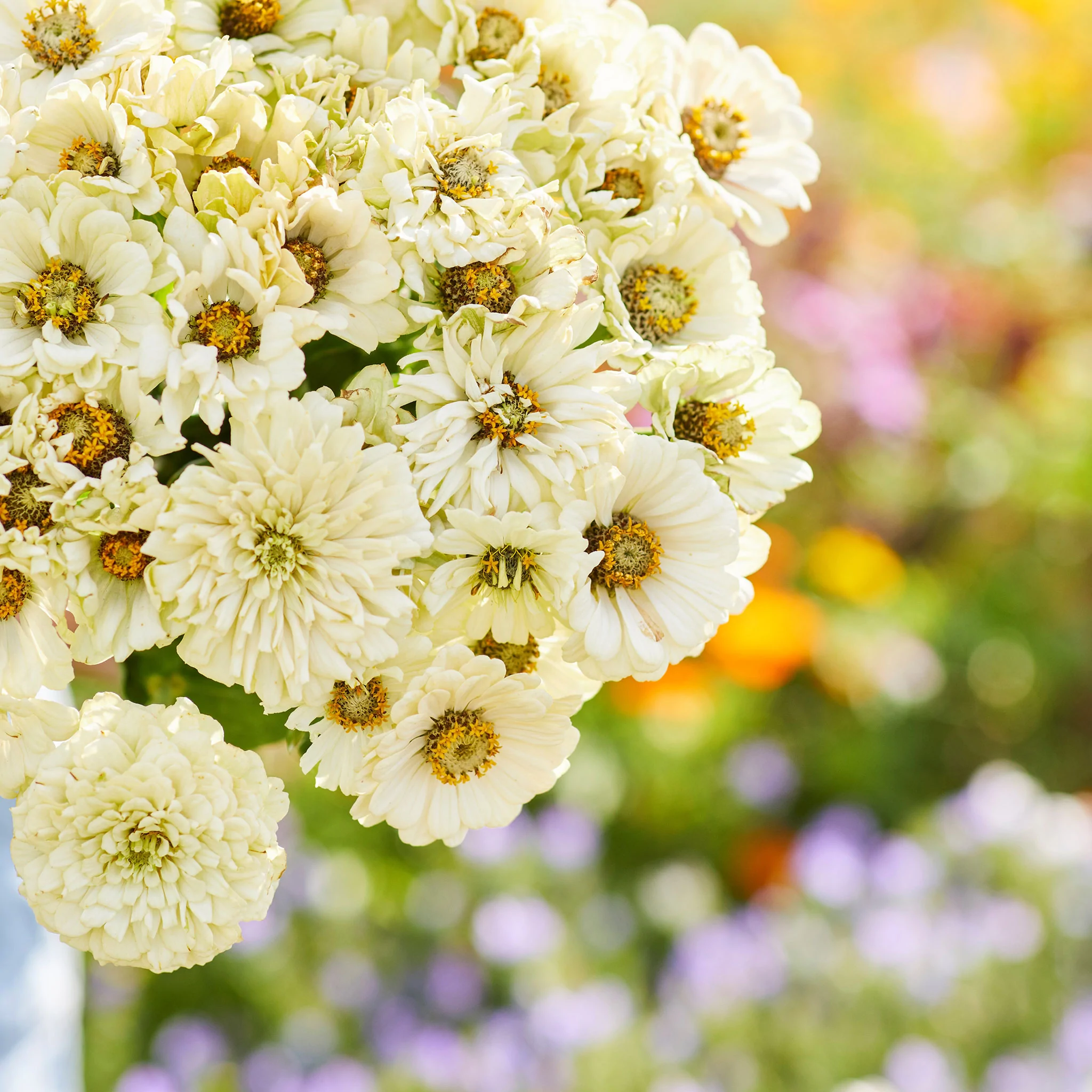
Cactus Snowman Zinnia is a striking heirloom variety that produces large, shaggy, cactus-flowered blooms of brilliant snow white throughout the summer. Each fully double flower is composed of long, narrow, quilled petals that twist and curl gracefully, creating a soft, feathery appearance unlike traditional zinnias. The pure white blooms seem to glow in the garden, especially during the evening hours, while sturdy plants continue flowering from early summer until the first frost. Elegant yet easy to grow, Cactus Snowman is a favorite for both cutting gardens and sophisticated landscape plantings.
Garden Uses
Cactus Snowman is outstanding for cutting gardens, moon gardens, cottage gardens, pollinator borders, wedding gardens, and mixed flower beds. Its brilliant white blooms create dramatic contrast when planted alongside deep purple salvia, blue ageratum, crimson celosia, orange marigolds, bright pink zinnias, lavender verbena, ornamental grasses, and silver foliage plants. The unusual cactus-style flowers are especially prized by floral designers for adding texture and elegance to fresh arrangements.
Growing Information
Direct sow seeds outdoors after all danger of frost has passed and the soil has thoroughly warmed, or start indoors 4 to 6 weeks before transplanting. Sow seeds approximately 1/4 inch deep in fertile, well-drained soil. Germination generally occurs within 5 to 10 days at temperatures of 70–80°F. Plant in full sun for maximum flower production and sturdy stems. Mature plants typically reach 30 to 40 inches tall with a spread of 18 to 24 inches. Water deeply during dry periods, provide good air circulation, and remove faded blooms regularly to encourage continuous flowering until frost.
Quick Facts
- Botanical Name: Zinnia elegans
- Common Name: Cactus Snowman Zinnia
- Plant Type: Warm-season annual
- Height: 30–40 inches
- Spread: 18–24 inches
- Bloom Size: 4–5 inches across
- Bloom Color: Pure snow white
- Bloom Form: Fully double cactus-flowered with quilled, twisted petals
- Bloom Season: Early summer until frost
- Sun Requirements: Full sun
- Soil Requirements: Fertile, well-drained soil
- USDA Zones: Grown as an annual in all zones
- Pollinator Friendly: Excellent
- Butterfly Friendly: Excellent
- Cut Flower: Outstanding
- Heat Tolerance: Excellent
Seedman Star Ratings
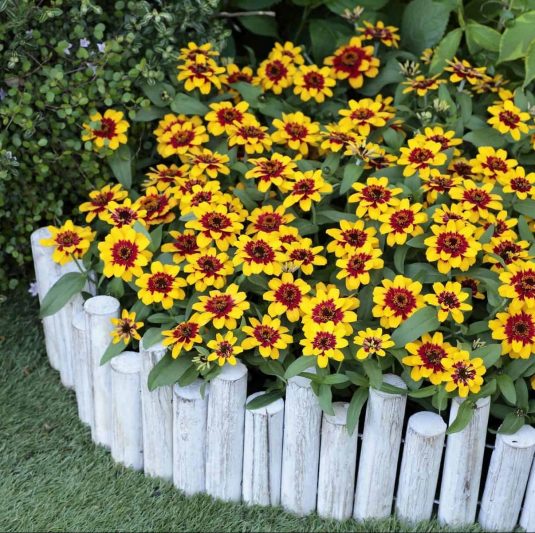
Profusion Red Yellow Bicolor Zinnia is an award-winning garden performer that produces an abundance of cheerful daisy-like blooms featuring rich scarlet-red petals highlighted by bright golden-yellow tips and centers. The vibrant two-tone flowers create a dazzling display that appears almost hand-painted, bringing nonstop color to the garden from late spring until the first frost. As a member of the famous Profusion Series, this variety combines exceptional disease resistance, outstanding heat tolerance, and remarkable flowering power with a compact, mounding growth habit that requires very little maintenance.
Garden Uses
Profusion Red Yellow Bicolor is ideal for border edging, mass plantings, patio containers, window boxes, pollinator gardens, butterfly gardens, public landscapes, and cottage gardens. The bright red and yellow blooms pair beautifully with blue salvia, white alyssum, purple verbena, dusty miller, ornamental grasses, lantana, marigolds, and other Profusion or Zahara zinnias. Its naturally compact habit creates colorful drifts that remain attractive all season without becoming leggy.
Growing Information
Direct sow seeds outdoors after all danger of frost has passed, or start indoors 4 to 6 weeks before transplanting. Sow seeds approximately 1/4 inch deep in well-drained soil. Germination usually occurs within 5 to 10 days at temperatures of 70–80°F. Plant in full sun for maximum flowering. Mature plants typically grow 12 to 18 inches tall with a spread of 18 to 24 inches, forming dense, rounded mounds covered with blooms. Water regularly while establishing, then provide supplemental watering during prolonged dry periods. Unlike traditional zinnias, Profusion varieties require little or no deadheading to continue flowering heavily.
Quick Facts
- Botanical Name: Zinnia × hybrida (Profusion Series)
- Common Name: Profusion Red Yellow Bicolor Zinnia
- Plant Type: Warm-season annual
- Height: 12–18 inches
- Spread: 18–24 inches
- Bloom Size: 2–2½ inches across
- Bloom Color: Scarlet-red petals with golden-yellow highlights and centers
- Bloom Season: Late spring until frost
- Sun Requirements: Full sun
- Soil Requirements: Well-drained soil
- USDA Zones: Grown as an annual in all zones
- Pollinator Friendly: Excellent
- Butterfly Friendly: Excellent
- Container Suitable: Excellent
- Disease Resistance: Outstanding
- Heat Tolerance: Excellent
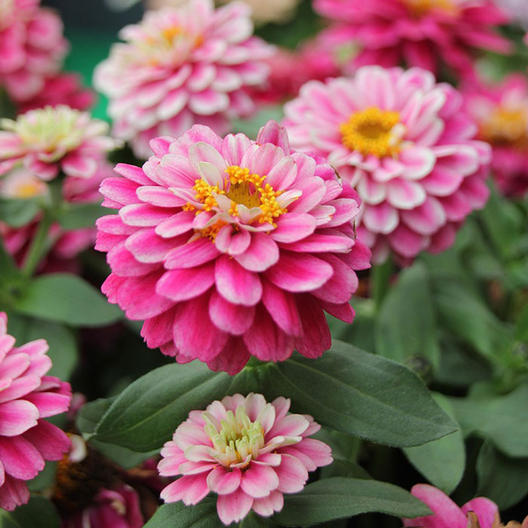
Zahara Raspberry Ripple Zinnia is a stunning modern variety featuring vibrant raspberry-pink petals beautifully brushed, streaked, and blended with creamy white, creating a unique "rippled" appearance on every bloom. No two flowers are exactly alike, giving each plant an artistic, hand-painted quality. As part of the award-winning Zahara Series, Raspberry Ripple combines extraordinary flower production with exceptional disease resistance, superior heat tolerance, and nonstop blooming from late spring until frost. Its compact, mounded growth habit makes it one of the finest zinnias available for both home gardens and professional landscapes.
Garden Uses
Zahara Raspberry Ripple is perfect for border edging, patio containers, window boxes, butterfly gardens, pollinator beds, cottage gardens, mixed annual borders, and colorful mass plantings. The raspberry and creamy white flowers pair beautifully with blue salvia, purple verbena, white alyssum, silver dusty miller, ornamental grasses, lantana, celosia, and deep burgundy foliage plants. The unique rippled blooms also make charming additions to small bouquets and patio arrangements.
Growing Information
Direct sow seeds outdoors after all danger of frost has passed, or start indoors 4 to 6 weeks before transplanting. Sow seeds approximately 1/4 inch deep in fertile, well-drained soil. Germination generally occurs within 5 to 10 days at temperatures of 70–80°F. Plant in full sun for maximum flowering and strongest growth. Mature plants typically reach 12 to 18 inches tall with a spread of 16 to 20 inches, forming neat, bushy mounds that remain attractive throughout the season. Water regularly during establishment, then deeply during prolonged dry periods. Zahara varieties require little deadheading and continue producing fresh flowers with minimal maintenance.
Quick Facts
- Botanical Name: Zinnia marylandica
- Common Name: Zahara Raspberry Ripple Zinnia
- Plant Type: Warm-season annual
- Height: 12–18 inches
- Spread: 16–20 inches
- Bloom Size: 2–3 inches across
- Bloom Color: Raspberry-pink with creamy white rippled and marbled patterns
- Bloom Season: Late spring until frost
- Sun Requirements: Full sun
- Soil Requirements: Well-drained soil of average fertility
- USDA Zones: Grown as an annual in all zones
- Pollinator Friendly: Excellent
- Butterfly Friendly: Excellent
- Container Suitable: Excellent
- Disease Resistance: Outstanding
- Heat Tolerance: Excellent
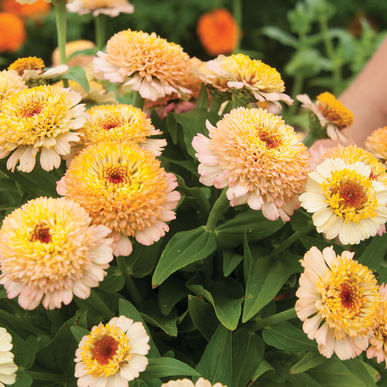
Zinderella Peach Zinnia is one of the most distinctive and elegant zinnias ever introduced, producing unique scabiosa-flowered blooms in soft shades of peach, apricot, blush pink, creamy salmon, and warm coral. Each flower features a fluffy, pincushion-like center surrounded by neatly arranged outer petals, giving it the appearance of a cross between a zinnia and a scabiosa. The romantic, vintage-inspired flowers are highly prized by flower growers, wedding designers, and home gardeners alike. Blooming continuously from early summer until frost, Zinderella Peach brings timeless beauty and outstanding cut flower quality to every sunny garden.
Garden Uses
Zinderella Peach is perfect for cutting gardens, cottage gardens, wedding gardens, pollinator borders, mixed annual beds, and specialty flower production. Its soft peach tones combine beautifully with white cosmos, lavender salvia, blue ageratum, dusty miller, ornamental grasses, gomphrena, snapdragons, and cream-colored flowers. The unusual blooms are especially valuable in fresh floral arrangements, where they provide exceptional texture and romantic color.
Growing Information
Direct sow seeds outdoors after all danger of frost has passed and the soil has warmed, or start indoors 4 to 6 weeks before transplanting. Sow seeds approximately 1/4 inch deep in fertile, well-drained soil. Germination generally occurs within 5 to 10 days at temperatures between 70–80°F. Plant in full sun for maximum flower production and sturdy stems. Mature plants typically reach 24 to 30 inches tall with a spread of 12 to 18 inches. Water deeply during dry weather, provide good air circulation, and harvest flowers regularly to encourage continual blooming throughout the season.
Quick Facts
- Botanical Name: Zinnia elegans
- Common Name: Zinderella Peach Zinnia
- Plant Type: Warm-season annual
- Height: 24–30 inches
- Spread: 12–18 inches
- Bloom Size: 2½–3½ inches across
- Bloom Color: Peach, apricot, blush pink, creamy salmon, and soft coral
- Bloom Form: Scabiosa-flowered with pincushion center
- Bloom Season: Early summer until frost
- Sun Requirements: Full sun
- Soil Requirements: Fertile, well-drained soil
- USDA Zones: Grown as an annual in all zones
- Pollinator Friendly: Excellent
- Butterfly Friendly: Excellent
- Cut Flower: Outstanding
- Heat Tolerance: Excellent
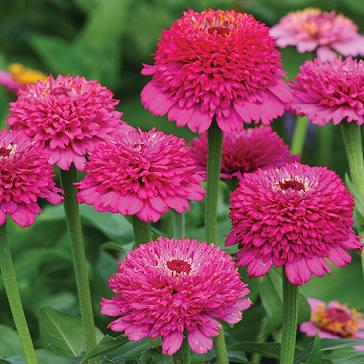
Zinderella Purple Zinnia is an extraordinary scabiosa-flowered variety that combines rich royal purple, violet, and deep lavender tones with an elegant pincushion center, creating one of the most unique flower forms available from seed. Each bloom features a cushion of tightly packed central florets surrounded by neatly arranged outer petals, giving the flowers a romantic, antique appearance unlike traditional zinnias. Blooming continuously from early summer until frost, Zinderella Purple offers exceptional beauty for cutting gardens, cottage landscapes, and floral arrangements while attracting butterflies and beneficial pollinators throughout the season.
Garden Uses
Zinderella Purple is ideal for cutting gardens, cottage gardens, pollinator borders, wedding gardens, mixed annual beds, and specialty flower production. The rich purple blooms combine beautifully with white cosmos, blush snapdragons, silver dusty miller, blue salvia, lavender ageratum, ornamental grasses, and soft pink flowers. Its unusual flower form makes it especially valuable in bouquets, where it adds remarkable texture and elegant color to both fresh and dried arrangements.
Growing Information
Direct sow seeds outdoors after all danger of frost has passed and the soil has warmed, or start indoors 4 to 6 weeks before transplanting. Sow seeds approximately 1/4 inch deep in fertile, well-drained soil. Germination typically occurs within 5 to 10 days at temperatures between 70–80°F. Plant in full sun for the strongest stems and heaviest flowering. Mature plants generally reach 24 to 30 inches tall with a spread of 12 to 18 inches. Water deeply during dry periods, provide good air circulation, and harvest blooms regularly to encourage continuous flowering throughout the season.
Quick Facts
- Botanical Name: Zinnia elegans
- Common Name: Zinderella Purple Zinnia
- Plant Type: Warm-season annual
- Height: 24–30 inches
- Spread: 12–18 inches
- Bloom Size: 2½–3½ inches across
- Bloom Color: Royal purple, violet, deep lavender
- Bloom Form: Scabiosa-flowered with pincushion center
- Bloom Season: Early summer until frost
- Sun Requirements: Full sun
- Soil Requirements: Fertile, well-drained soil
- USDA Zones: Grown as an annual in all zones
- Pollinator Friendly: Excellent
- Butterfly Friendly: Excellent
- Cut Flower: Outstanding
- Heat Tolerance: Excellent
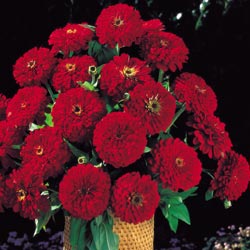
Giant Deep Red Zinnia is a bold and dramatic warm-season annual prized for its large, fully double blooms in rich crimson, deep scarlet, and velvety red tones. The impressive flowers are held on sturdy stems above vigorous green foliage, creating a powerful display in sunny borders, cutting gardens, containers, and mass plantings. Blooming continuously from early summer until frost, this classic zinnia delivers intense color, excellent heat tolerance, and outstanding garden performance with very little care.
Garden Uses
Giant Deep Red Zinnia is excellent for cutting gardens, butterfly gardens, cottage gardens, pollinator borders, large flower beds, patio containers, and bold landscape displays. Its deep red blooms create striking combinations with white cosmos, yellow marigolds, blue salvia, purple ageratum, orange zinnias, silver foliage plants, ornamental grasses, and sunflowers. The large flowers also make excellent focal blooms in fresh arrangements where rich color and strong stems are desired.
Growing Information
Direct sow seeds outdoors after all danger of frost has passed and the soil has warmed, or start indoors 4 to 6 weeks before transplanting. Sow seeds approximately 1/4 inch deep in fertile, well-drained soil. Germination usually occurs within 5 to 10 days at temperatures between 70–80°F. Plant in full sun for maximum flowering and strongest stems. Mature plants generally reach 30 to 40 inches tall with a spread of 18 to 24 inches. Water deeply during dry periods, avoid overhead watering when possible, and remove faded flowers regularly to encourage continuous blooming until frost.
Quick Facts
- Botanical Name: Zinnia elegans
- Common Name: Giant Deep Red Zinnia
- Plant Type: Warm-season annual
- Height: 30–40 inches
- Spread: 18–24 inches
- Bloom Size: 4–6 inches across
- Bloom Color: Deep red, crimson, scarlet-red
- Bloom Form: Fully double dahlia-style flowers
- Bloom Season: Early summer until frost
- Sun Requirements: Full sun
- Soil Requirements: Fertile, well-drained soil
- USDA Zones: Grown as an annual in all zones
- Pollinator Friendly: Excellent
- Butterfly Friendly: Excellent
- Cut Flower: Outstanding
- Heat Tolerance: Excellent
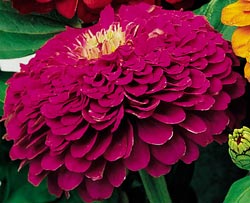
Giant Purple Zinnia is a bold and elegant warm-season annual prized for its large, fully double blooms in rich purple, violet, and magenta-purple tones. The impressive dahlia-like flowers are held on sturdy stems above vigorous green foliage, creating a dramatic display in sunny flower beds, cutting gardens, cottage borders, and pollinator plantings. Blooming continuously from early summer until frost, this classic zinnia offers excellent heat tolerance, strong garden performance, and outstanding value as a fresh-cut flower.
Garden Uses
Giant Purple Zinnia is excellent for cutting gardens, butterfly gardens, cottage gardens, pollinator borders, mass plantings, and mixed annual beds. Its deep purple blooms pair beautifully with white cosmos, yellow marigolds, orange zinnias, blue salvia, lavender ageratum, silver foliage plants, ornamental grasses, and sunflowers. The large flowers make striking focal points in bouquets, especially when combined with lime green, white, peach, or golden companion flowers.
Growing Information
Direct sow seeds outdoors after all danger of frost has passed and the soil has warmed, or start indoors 4 to 6 weeks before transplanting. Sow seeds approximately 1/4 inch deep in fertile, well-drained soil. Germination usually occurs within 5 to 10 days at temperatures between 70–80°F. Plant in full sun for the strongest stems and heaviest flowering. Mature plants generally reach 30 to 40 inches tall with a spread of 18 to 24 inches. Water deeply during dry periods, provide good air circulation, avoid overhead watering when possible, and remove faded flowers regularly to encourage continuous blooming until frost.
Quick Facts
- Botanical Name: Zinnia elegans
- Common Name: Giant Purple Zinnia
- Plant Type: Warm-season annual
- Height: 30–40 inches
- Spread: 18–24 inches
- Bloom Size: 4–6 inches across
- Bloom Color: Rich purple, violet, magenta-purple
- Bloom Form: Fully double dahlia-style flowers
- Bloom Season: Early summer until frost
- Sun Requirements: Full sun
- Soil Requirements: Fertile, well-drained soil
- USDA Zones: Grown as an annual in all zones
- Pollinator Friendly: Excellent
- Butterfly Friendly: Excellent
- Cut Flower: Outstanding
- Heat Tolerance: Excellent
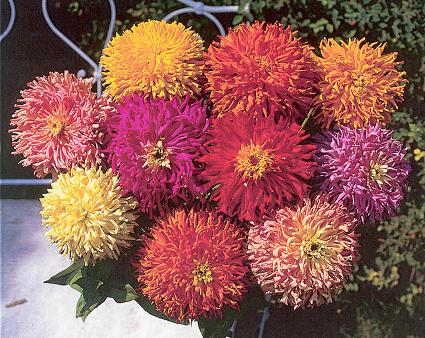
Burpeeana Giants Mix Zinnia is a spectacular large-flowered zinnia blend famous for its enormous, shaggy blooms, strong stems, and brilliant range of summer colors. The flowers often appear cactus-like or semi-cactus in form, with long, narrow petals that twist, curl, and flare outward to create a bold, textured display. Shades of golden yellow, orange, scarlet, rose, salmon, pink, lavender, purple, cream, and white combine to produce a dazzling garden show from early summer until frost. Vigorous, heat-loving, and excellent for cutting, this classic mix remains a favorite for gardeners who want big flowers and dependable color.
Garden Uses
Burpeeana Giants Mix is ideal for cutting gardens, cottage gardens, pollinator borders, butterfly gardens, large flower beds, and dramatic back-of-border plantings. Its tall stems and oversized blooms make it excellent for fresh bouquets and summer arrangements. The broad color range pairs beautifully with cosmos, sunflowers, celosia, salvia, rudbeckia, marigolds, ornamental grasses, gomphrena, and other zinnias. Plant in groups or rows for maximum impact and a steady supply of cut flowers.
Growing Information
Direct sow seeds outdoors after all danger of frost has passed and the soil has warmed, or start indoors 4 to 6 weeks before transplanting. Sow seeds approximately 1/4 inch deep in fertile, well-drained soil. Germination usually occurs within 5 to 10 days at temperatures of 70–80°F. Grow plants in full sun for strongest stems and heaviest bloom production. Mature plants typically reach 30 to 40 inches tall with a spread of 18 to 24 inches. Water deeply during dry periods, provide good air circulation, avoid overhead watering when possible, and harvest or deadhead frequently to encourage continuous flowering until frost.
Quick Facts
- Botanical Name: Zinnia elegans
- Common Name: Burpeeana Giants Mix Zinnia
- Plant Type: Warm-season annual
- Height: 30–40 inches
- Spread: 18–24 inches
- Bloom Size: 4–6 inches across
- Bloom Color: Mixed shades of yellow, orange, scarlet, rose, salmon, pink, lavender, purple, cream, and white
- Bloom Form: Giant, cactus to semi-cactus flower form
- Bloom Season: Early summer until frost
- Sun Requirements: Full sun
- Soil Requirements: Fertile, well-drained soil
- USDA Zones: Grown as an annual in all zones
- Pollinator Friendly: Excellent
- Butterfly Friendly: Excellent
- Cut Flower: Outstanding
- Heat Tolerance: Excellent
Seedman Star Ratings
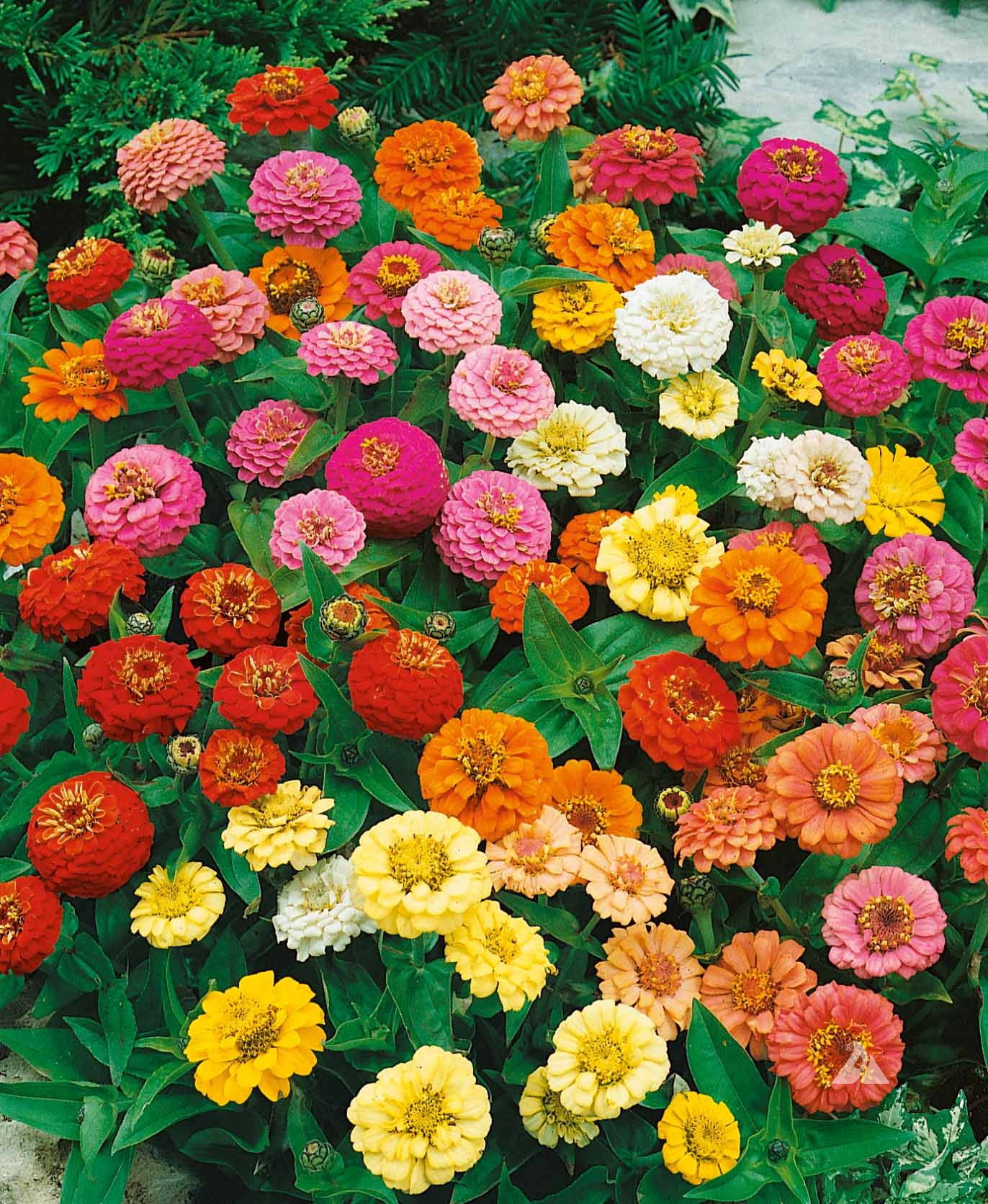
Thumbelina Mix Zinnia is a delightful dwarf zinnia blend that produces masses of small, fully double pompon blooms in cheerful shades of pink, rose, red, orange, yellow, white, salmon, and magenta. Compact, colorful, and wonderfully floriferous, this charming variety is perfect for gardeners who want the beauty of zinnias in smaller spaces. The neat, low-growing plants bloom continuously from early summer until frost, creating bright displays in containers, edging, window boxes, and small garden beds.
Garden Uses
Thumbelina Mix is ideal for containers, patio pots, window boxes, border edging, children's gardens, cottage gardens, pollinator beds, and small-space flower gardens. Its compact habit makes it especially useful along walkways, at the front of borders, or in mixed planters where taller zinnias would be too large. The colorful blooms pair beautifully with alyssum, dwarf marigolds, ageratum, petunias, portulaca, verbena, celosia, and ornamental grasses.
Growing Information
Direct sow seeds outdoors after all danger of frost has passed and soil has warmed, or start indoors 4 to 6 weeks before transplanting. Sow seeds approximately 1/4 inch deep in well-drained soil. Germination usually occurs within 5 to 10 days at temperatures between 70–80°F. Plant in full sun for best flowering and compact growth. Mature plants typically reach 6 to 10 inches tall with a spread of 6 to 8 inches. Water during dry periods, avoid overhead watering when possible, and remove faded flowers regularly to encourage continuous blooming until frost.
Quick Facts
- Botanical Name: Zinnia elegans
- Common Name: Thumbelina Mix Zinnia
- Plant Type: Warm-season annual
- Height: 6–10 inches
- Spread: 6–8 inches
- Bloom Size: 1–1½ inches across
- Bloom Color: Mixed shades of pink, rose, red, orange, yellow, white, salmon, and magenta
- Bloom Form: Miniature double pompon flowers
- Bloom Season: Early summer until frost
- Sun Requirements: Full sun
- Soil Requirements: Well-drained soil
- USDA Zones: Grown as an annual in all zones
- Pollinator Friendly: Very Good
- Butterfly Friendly: Very Good
- Container Suitable: Excellent
- Heat Tolerance: Excellent
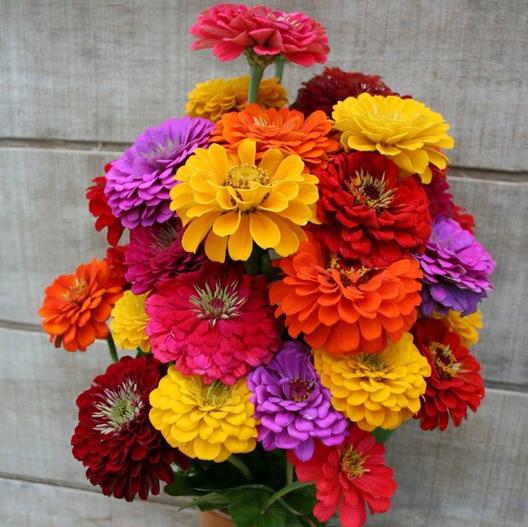
California Giants Mix Zinnia (Zinnia elegans) is one of the most famous and enduring heirloom zinnia mixtures ever introduced. Renowned for its enormous, fully double blooms and vigorous garden performance, this classic variety produces spectacular flowers in a brilliant range of scarlet, crimson, rose, pink, salmon, lavender, purple, orange, yellow, cream, white, and bicolor combinations. The tall, sturdy plants bloom continuously from early summer until frost, filling the garden with vibrant color while providing an endless supply of premium cut flowers for bouquets and floral arrangements.
Garden Uses
California Giants Mix is an outstanding choice for cutting gardens, cottage gardens, butterfly gardens, pollinator borders, large annual beds, and mass landscape plantings. The towering plants create dramatic displays at the back of flower borders and blend beautifully with cosmos, sunflowers, celosia, rudbeckia, salvia, ornamental grasses, gomphrena, and marigolds. Its sturdy stems and oversized blooms make it one of the finest zinnias available for fresh-cut arrangements.
Growing Information
Direct sow seeds outdoors after all danger of frost has passed and the soil has thoroughly warmed, or start indoors 4 to 6 weeks before transplanting. Sow seeds approximately 1/4 inch deep in fertile, well-drained soil. Germination generally occurs within 5 to 10 days at temperatures between 70–80°F. Plant in full sun for maximum flowering and sturdy growth. Mature plants typically reach 36 to 48 inches tall with a spread of 18 to 24 inches. Water deeply during dry periods, provide adequate spacing for good air circulation, avoid overhead watering when possible, and harvest or deadhead blooms regularly to encourage continuous flowering until frost.
Quick Facts
- Botanical Name: Zinnia elegans
- Common Name: California Giants Mix Zinnia
- Plant Type: Warm-season annual
- Height: 36–48 inches
- Spread: 18–24 inches
- Bloom Size: 4–6 inches across
- Bloom Color: Mixed shades of scarlet, crimson, rose, pink, salmon, lavender, purple, orange, yellow, cream, white, and bicolors
- Bloom Form: Fully double dahlia-flowered blooms
- Bloom Season: Early summer until frost
- Sun Requirements: Full sun
- Soil Requirements: Fertile, well-drained soil
- USDA Zones: Grown as an annual in all zones
- Pollinator Friendly: Excellent
- Butterfly Friendly: Excellent
- Cut Flower: Outstanding
- Heat Tolerance: Excellent

Contact Us | Privacy Policy | About Us
Serving gardeners since 1992
State of Mississippi Seedmen's Permit #C-391, Ohio 90152, Minnesota 20086777