
Daisy Gourd Seeds
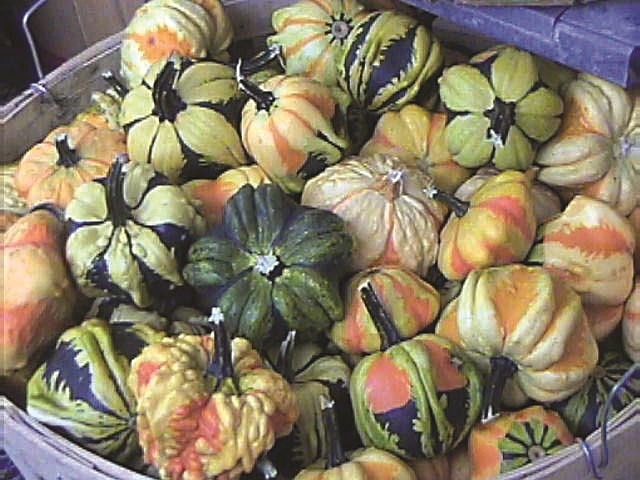
Daisy Gourd is one of the most cheerful and distinctive ornamental gourds available, producing flattened fruits with deeply scalloped edges that resemble giant flowers or daisies. The unusual shape, combined with attractive mottled patterns of cream, yellow, green, and orange, makes Daisy Gourds a favorite for autumn decorating, harvest displays, wreath making, centerpieces, and folk-art crafts.
Vigorous vines quickly cover fences, trellises, compost piles, or garden corners, producing abundant crops of decorative gourds throughout the growing season. Each fruit develops its own unique color pattern, making every harvest a collection of natural works of art.
Garden PerformanceDaisy Gourds thrive in warm weather and full sun, producing long-running vines that can reach 10–20 feet or more. The plants are easy to grow and highly productive, making them an excellent choice for gardeners wanting both ornamental interest and abundant craft material.
The large yellow blossoms attract bees and other pollinators, while the developing gourds create an ever-changing display as they mature from green to their final decorative colors.
Uses- Autumn harvest displays
- Thanksgiving decorations
- Decorative baskets and centerpieces
- Seasonal wreaths
- Craft projects and folk art
- Dried ornamental arrangements
- Farm market displays
- Educational garden projects
Ornamental gourds have been cultivated for thousands of years and were among the earliest domesticated plants in the Americas. Native peoples often used gourds for containers, utensils, musical instruments, and decorative items long before the arrival of Europeans.
Daisy-type gourds became especially popular during the Victorian era, when dried gourds were incorporated into elaborate autumn decorations and handcrafted ornaments. Today they remain a staple of fall festivals and country craft traditions.
Harvesting for DecorationFor fresh decorative displays, harvest fruits once they have reached full size and developed mature coloration. For long-term use, allow the gourds to mature fully on the vine before harvesting with a short section of stem attached.
Properly cured gourds can remain attractive for many months and may be incorporated into wreaths, centerpieces, and dried arrangements.
Growing Information- Botanical Name: Cucurbita pepo
- Plant Type: Warm-season annual vine
- Sun Exposure: Full sun
- Days to Harvest: Approximately 95–110 days
- Vine Length: 10–20+ feet
- Fruit Size: 3–6 inches across
- Difficulty: Easy
Sow seeds outdoors after all danger of frost has passed and soil temperatures have warmed to at least 70°F (21°C). Plant seeds 1 inch deep in hills or rows, spacing plants 3–5 feet apart. Germination typically occurs within 7–14 days.
For earlier harvests, seeds may be started indoors 3–4 weeks before transplanting time. Handle young plants carefully to avoid disturbing the roots.
Seedman’s NotesDaisy Gourds consistently attract attention because of their unusual flower-like shape and vibrant patterns. They are among the most useful ornamental gourds for decorating, producing colorful displays that instantly create an autumn atmosphere. Whether arranged in baskets, woven into wreaths, or simply displayed on a porch, Daisy Gourds bring old-fashioned harvest charm to any setting.
Rating: ★★★★★ One of the finest ornamental gourds for seasonal decorating, crafts, and harvest displays.
For more Gourd varieties, all in stock and ready to ship, visit our Gourd seed page.

Contact Us | Privacy Policy | About Us
Serving gardeners since 1992
State of Mississippi Seedmen's Permit #C-391, Ohio 90152, Minnesota 20086777