
Wetland, Bog & Pondside Garden Seeds
Turn a damp corner, pond edge, or seasonally wet spot into a beautiful planting filled with texture, flowers, and wildlife activity. This Seedman collection brings together seeds for shallow water, moisture-loving borders, rain gardens, and larger wetland landscapes. The key to success is matching each plant to the amount of water its roots will actually experience.
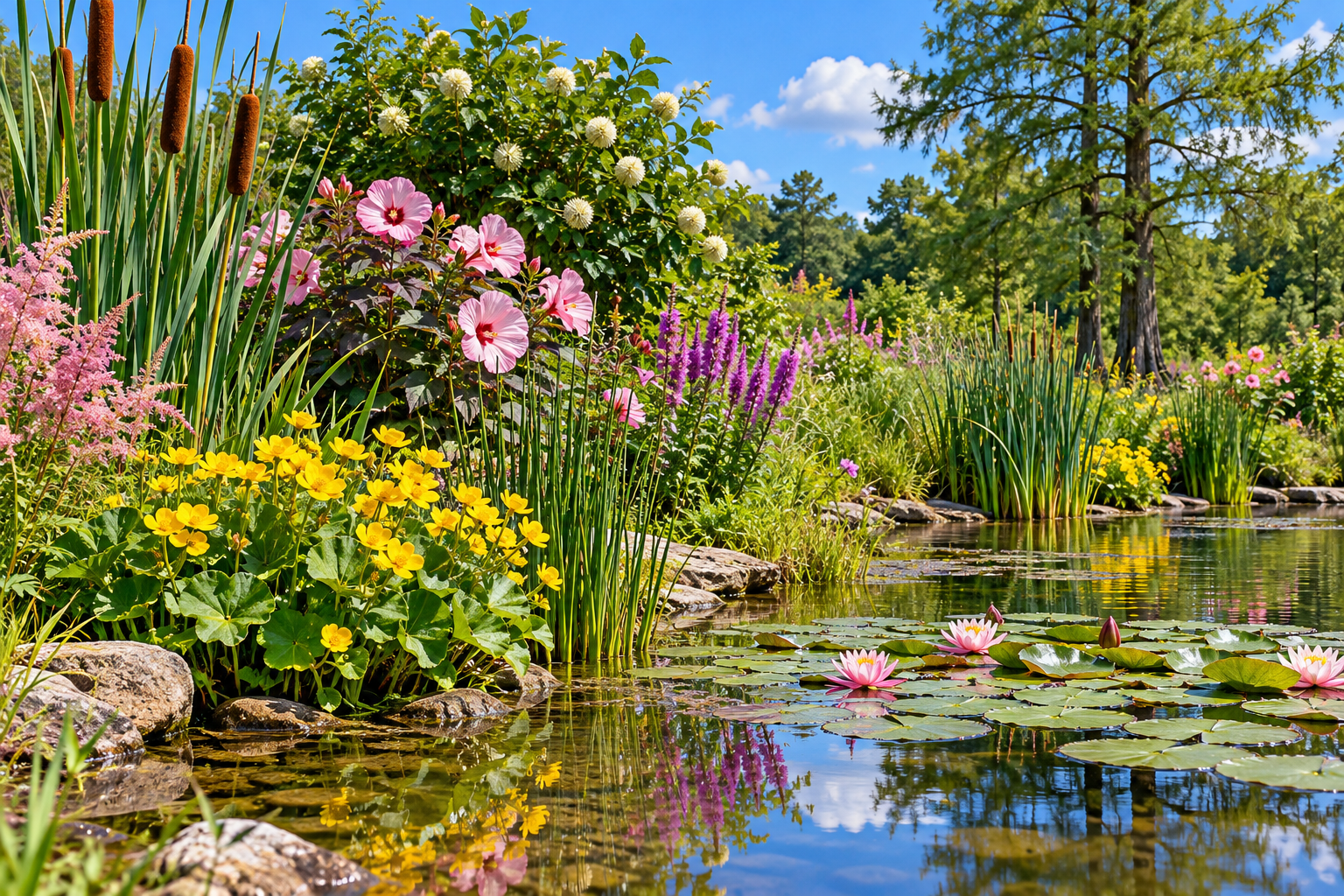
Choose the right moisture zone: Shallow water means the soil may be submerged; boggy soil remains consistently damp; rain gardens collect water briefly but drain afterward; and moist borders receive dependable moisture without waterlogging. A plant that loves damp soil may still fail when submerged.
Before you plant: Select species appropriate to your region, check local restrictions for spreading aquatic plants, and keep garden plants and seeds out of natural waterways. Never collect or release plants in protected wetlands without permission.
Pond Margins & Shallow Water
Plants suited to saturated soil and, in suitable conditions, shallow water. Contain vigorous species to protect small ponds and nearby natural waterways.
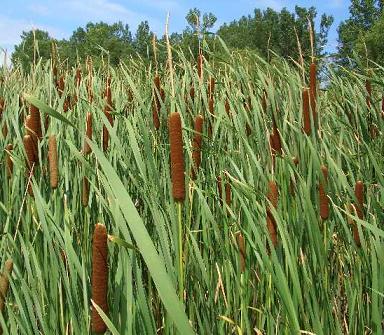
Narrow Leaf Cattail (Typha angustifolia) creates a bold vertical accent with slender leaves and familiar brown, cylindrical flower spikes. It grows naturally in marshes and along the margins of ponds and slow-moving water, where its dense growth provides cover for birds and other wetland wildlife.
Plant in full sun in saturated soil or shallow water, preferably in a large, contained water-garden basket or tub. This vigorous perennial spreads by rhizomes and can overwhelm small ponds or escape into waterways. Check local invasive-plant guidance before planting, and never release it into natural wetlands.
Surface-sow the tiny seeds onto a consistently wet medium in bright light; do not bury them. Warm conditions encourage germination, and young plants should be established in moist soil before being moved into deeper water. Seedman Notes:
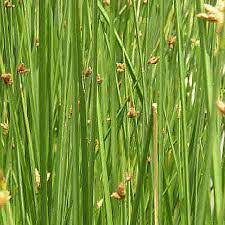
Chairmaker’s Rush (Schoenoplectus pungens, also known as Scirpus pungens) is a sturdy North American wetland perennial with distinctive triangular, upright stems. Its restrained green silhouette brings a natural, architectural quality to pond margins and wildlife-friendly water gardens.
Grow in full sun in wet soil or shallow standing water. It is well suited to a lined pond shelf, large aquatic planter, or consistently saturated planting bed; allow room for rhizomatous expansion and contain it where space is limited. Its stems provide valuable structure and shelter at the water’s edge.
Press seeds onto the surface of a moist growing medium and keep them consistently wet in bright light; germination may be variable. Transplant seedlings once well rooted and gradually acclimate them to shallow water. Seedman Notes:
Boggy & Consistently Moist Soil
For ground that stays damp through the growing season but is not continuously submerged.
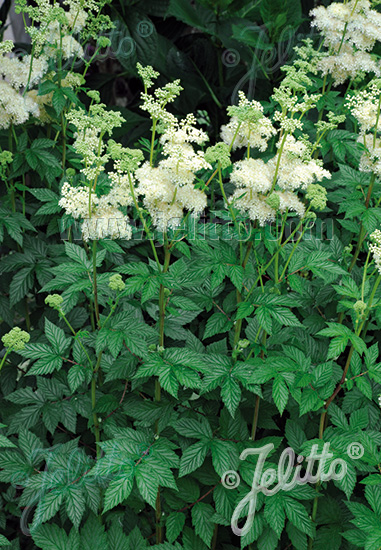
Meadowsweet (Filipendula ulmaria) is a graceful perennial with airy clusters of fragrant, creamy-white flowers held above finely divided foliage. Its soft, cloudlike blooms are especially attractive in damp cottage gardens and along streamside borders.
Provide rich soil that stays consistently moist, with full sun in cool climates or some afternoon shade in warmer regions. This is a plant for wet ground and damp borders, not for permanent submersion. Allow space for its tall summer growth and check local suitability before planting outside its native range.
Sow in fall for natural winter chilling or cold-stratify seed before spring sowing; press lightly into a moist seed mix and avoid drying out. Germination may be slow or uneven. Seedman Notes:

Rose Mallow (Hibiscus moscheutos) brings dramatic summer color to wet gardens with exceptionally large flowers in shades that may include white, pink, and rose. This North American native perennial grows naturally in marshes and along sunny, moist shorelines.
Plant in full sun and fertile soil that remains moist through the growing season. It is an excellent choice for a rain garden’s wetter center, a pondside border above the waterline, or a sunny wet meadow. Mature plants can become large, so give them room to develop their impressive flowering stems.
Lightly scarify or soak the seeds before sowing about 1/4 inch deep in a warm, moist seed-starting mix. Start indoors before the last frost or sow outdoors after the soil warms. Seedman Notes:
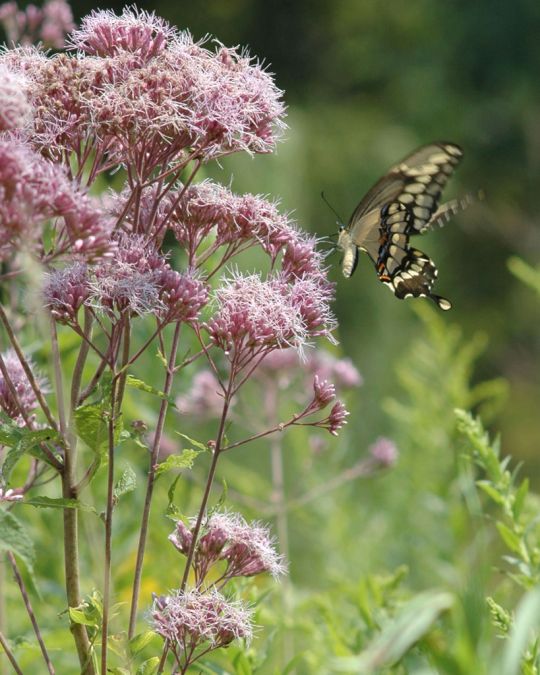
Spotted Joe-Pye Weed (Eutrochium maculatum) is a tall, stately North American wildflower with broad clusters of dusty-pink to mauve flowers. Its late-season blooms are particularly valuable to butterflies, bees, and other nectar-seeking insects.
Grow in full sun to partial shade in rich soil that stays moist. It excels in wet meadows, rain gardens, and the higher ground around ponds, but should not be planted beneath standing water. Its height makes it an excellent backdrop for Rose Mallow and shorter wetland flowers.
Cold-stratify the fine seeds in moist conditions for approximately 30–60 days, then surface-sow in light and keep evenly moist. Seedlings may emerge unevenly. Seedman Notes:

Venusta Meadowsweet (Filipendula rubra, often sold as ‘Venusta’) produces spectacular, airy plumes of rosy-pink flowers above bold, deeply divided foliage. This tall perennial creates an eye-catching backdrop for pondside borders and moist meadow plantings.
Grow in full sun to partial shade in fertile soil that remains consistently moist, particularly through summer. Its substantial height makes it most suitable for the back of a border or a naturalistic planting with room to spread. It favors wet soil but is not intended for permanent underwater planting.
Sow seed outdoors in fall or provide moist cold stratification before spring sowing; keep the surface evenly moist while seedlings develop. Seed-grown plants may not be identical to a named cultivar. Seedman Notes:
Rain Gardens & Seasonally Wet Borders
Use these on upper rain-garden slopes or nearby borders where water drains after storms; not in standing water.

Wild Blue Iris (Iris missouriensis) produces elegant blue-violet flowers above narrow, swordlike foliage. Native to much of western North America, it is associated with mountain meadows, streambanks, and other places that receive dependable seasonal moisture.
Choose a sunny to partly shaded location with moisture during spring growth and soil that can drain after flowering. It is especially suitable for a seasonally wet meadow or the upper edge of a rain garden, rather than a permanently flooded pond shelf. Avoid prolonged deep standing water.
Sow outdoors in fall or provide a cool, moist stratification period before spring sowing. Cover seeds lightly and keep the medium moist; germination can be irregular and may take several months. Seedman Notes:
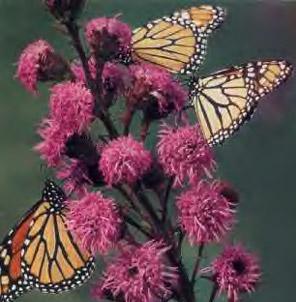
Meadow Blazing Star (Liatris ligulistylis) is a prairie perennial prized for loose spikes of rosy-purple flowers and exceptional appeal to monarch butterflies. Its summer display adds a lighter, more natural texture among grasses and other flowering perennials.
Plant in full sun in well-drained to moderately moist soil. Unlike true marsh plants, it does not belong in permanently soggy ground or standing water. Position it on a rain garden’s upper, better-drained rim or in an adjacent pollinator border where excess water can drain away.
Sow in fall or cold-stratify seed for several weeks before spring sowing. Cover only lightly and maintain even moisture until seedlings are established. Seedman Notes:
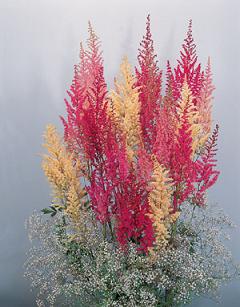
Grande Astilbe (Astilbe × arendsii) brightens shady garden areas with feathery flower plumes in pink, rose, red, and pale tones. Its finely cut foliage and soft flowers make a beautiful contrast to the upright stems of rushes and the broad leaves of Rose Mallow.
Give it partial shade, rich soil, and reliable moisture, particularly in hot weather. Astilbe prefers moist but aerated ground and should not sit in standing water. It is best placed in a shaded, well-drained border near a pond or on the upper edge of a rain garden.
Surface-sow the very fine seed on a moist seed-starting mix, pressing gently without deep covering; provide light and steady moisture. Seed-grown plants may vary in flower color and habit. Seedman Notes:
Wetland Trees & Shrubs
Large woody plants need generous spacing and careful placement.

Southern Bald Cypress (Taxodium distichum) is a magnificent deciduous conifer native to southeastern swamps, floodplains, and riverbanks. Its soft green foliage turns warm coppery tones in autumn, making it a striking specimen for large pondside landscapes.
Plant in full sun where there is ample space for a large, long-lived tree. Bald Cypress tolerates saturated soils and seasonal flooding, yet established trees also adapt to ordinary garden soil. It is not appropriate for small pond margins, narrow foundations, or areas where mature roots and trunk size would cause problems.
Soak the seed and provide a moist cold-stratification period, often about 60–90 days, before sowing in a consistently moist medium. Germination may be uneven. Seedman Notes:
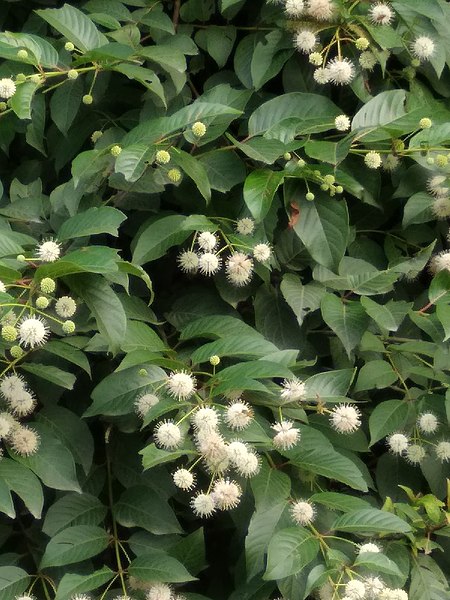
Buttonbush (Cephalanthus occidentalis) is a distinctive North American native wetland shrub prized for its fragrant, round, pincushion-like flower clusters. Creamy-white summer blossoms draw bees, butterflies, and other pollinators, while the seed heads and dense branches provide resources and shelter for wetland wildlife. It makes a beautiful natural transition between pond edges and surrounding landscape plantings.
Plant in full sun to partial shade in moist to wet soil. Buttonbush tolerates periodic flooding and even shallow standing water once established, making it particularly valuable beside ponds, in swales, and in the wetter portions of large rain gardens. Allow space for a broad, multi-stemmed shrub, commonly around 6 to 12 feet tall, and avoid placing it where mature growth will obstruct a narrow walkway.
Sow seeds on the surface of a moist seed-starting medium or cover very lightly. Cold, moist stratification for several weeks can improve uniformity, though fresh seed may germinate without it; keep the medium consistently damp. Seedman Notes:
Specialized Carnivorous Bog Gardens
Purple Pitcher Plant and Venus Flytrap belong in a separate, carefully prepared acidic bog garden, not in ordinary pond mud. Both need a low-nutrient growing medium, low-mineral water, ample light, and seasonal winter dormancy. Avoid fertilizer and mineral-rich pond water.
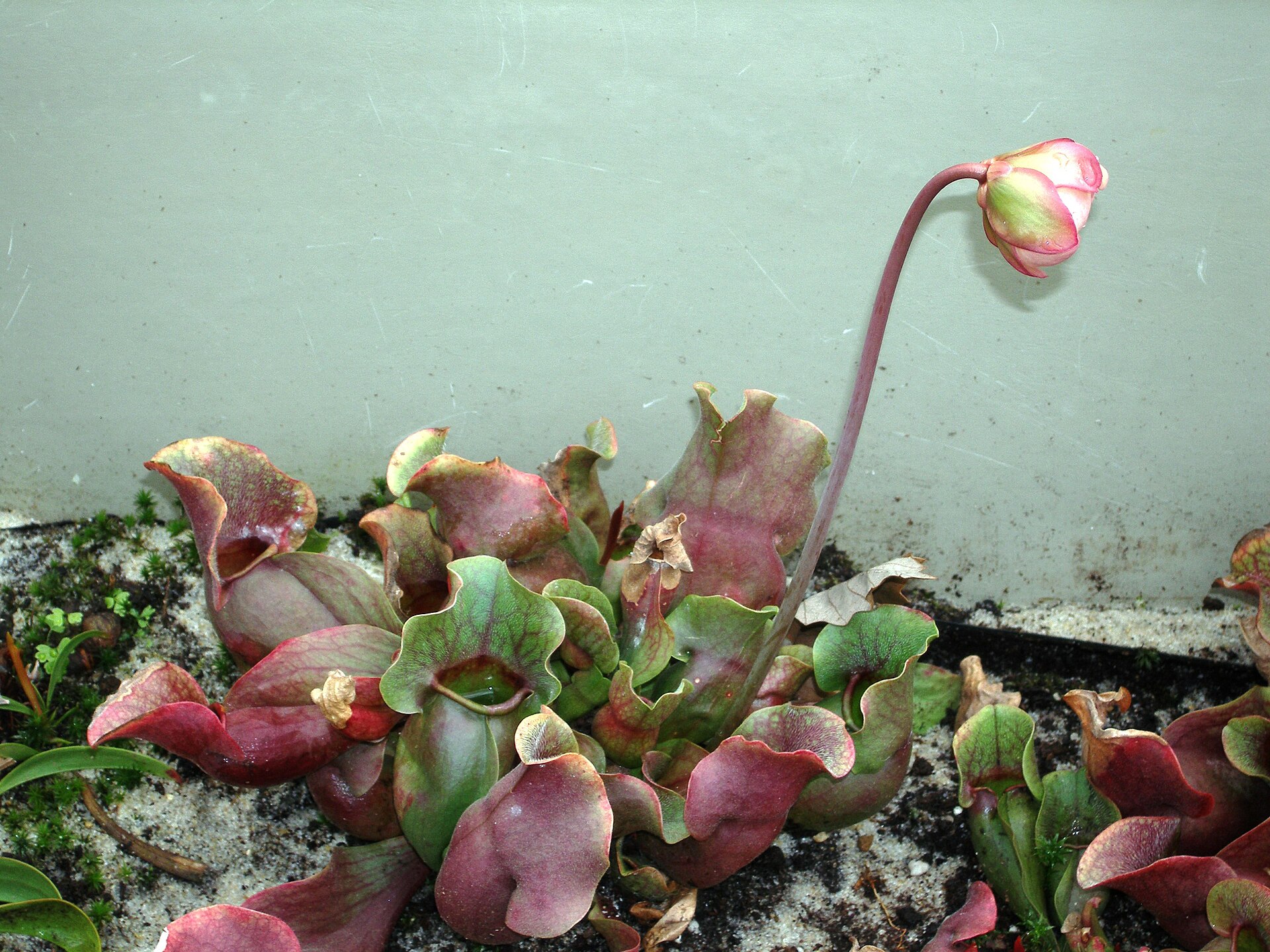

Purple Pitcher Plant (Sarracenia purpurea) is a remarkable North American carnivorous perennial with low rosettes of beautifully veined, pitcher-shaped leaves. The pitchers collect rainwater and trap small insects, supplementing the scant nutrients available in natural acidic bogs. Nodding spring flowers rise above the foliage, and strong sunlight often brings out rich red and purple coloring.
Grow outdoors in full sun in an acidic, fertilizer-free carnivorous-plant medium, such as unfertilized sphagnum peat mixed with silica sand or perlite. Keep the medium constantly moist with rainwater, distilled water, or reverse-osmosis water. Never add garden fertilizer, lime, or ordinary potting soil. Purple Pitcher Plant requires winter dormancy; cold tolerance varies with the geographic origin of the seed.
For seed starting, use approximately four to eight weeks of moist cold stratification, then press seeds onto the surface of wet carnivorous-plant medium in bright light. Do not bury deeply. Germination and early growth can be slow. Seedman Notes:
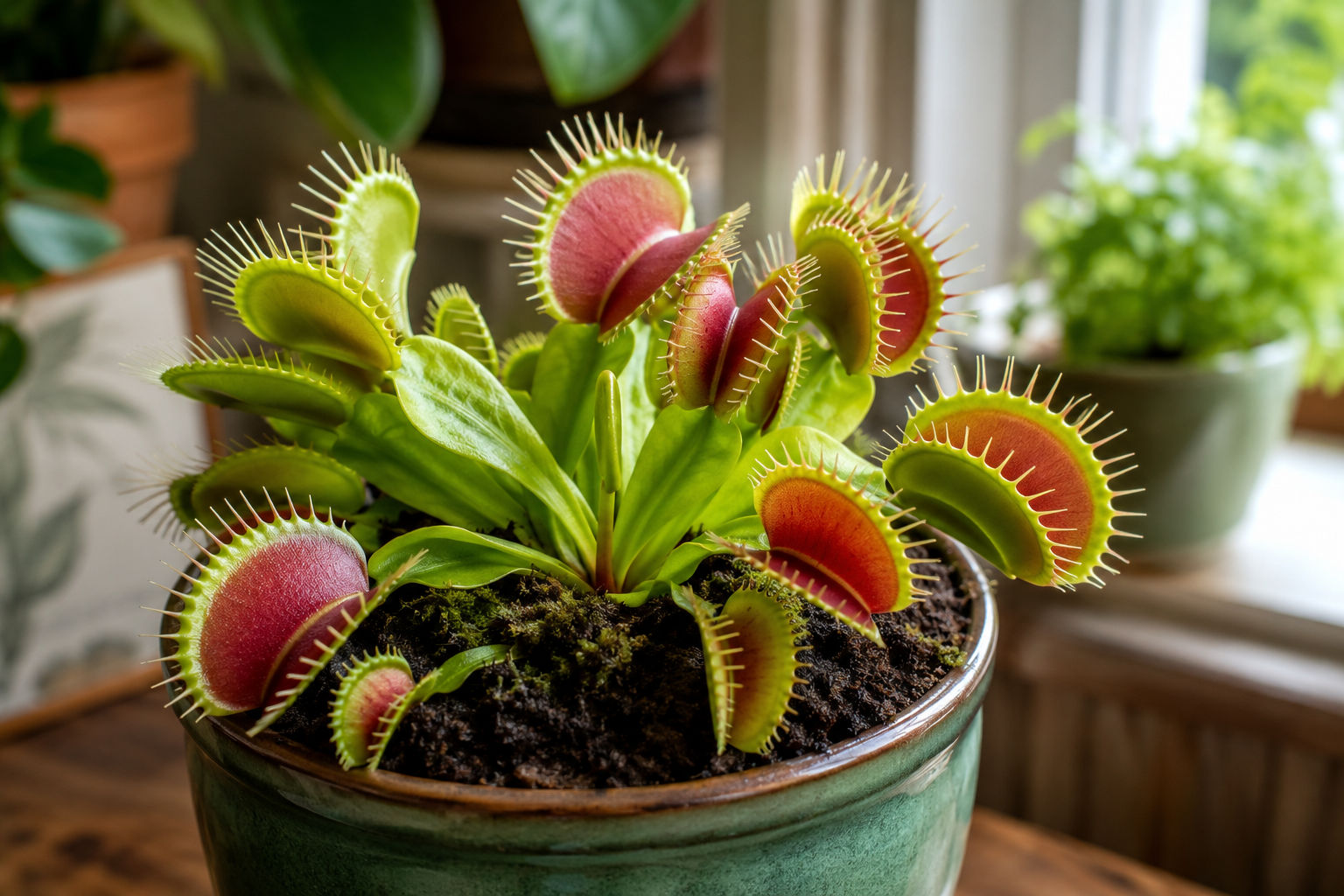
Venus Flytrap (Dionaea muscipula) is one of the world's most recognizable carnivorous plants, native to a small region of coastal North and South Carolina. Its hinged leaf traps close when tiny trigger hairs are stimulated in the right sequence, allowing the plant to capture insects in its nutrient-poor bog habitat. Compact rosettes make it an intriguing choice for a specialized outdoor bog planter.
Provide several hours of direct sun, an acidic and unfertilized carnivorous-plant medium, and consistently moist conditions using rainwater, distilled water, or reverse-osmosis water. Avoid ordinary potting mix, tap water with significant dissolved minerals, and fertilizer. Venus Flytraps need a cool winter dormancy; they are not ideal as warm, low-light houseplants year-round. Protect containers from extreme freezes according to your climate.
Surface-sow fresh seed onto moist carnivorous-plant medium without burying it, and provide bright light, warmth, and steady moisture. Fresh seed may germinate without stratification; a short period of cool, moist treatment can help some older or dormant seed lots. Seedlings grow slowly and take several years to mature. Seedman Notes:
How to plan a wetland planting
1. Observe the site. Check how long water remains after heavy rain, whether the area is permanently saturated, and how much sun it receives. Standing water, saturated soil, and damp-but-drained soil call for different plants.
2. Arrange plants from wettest to driest. Put appropriate rushes and other shallow-water plants on the pond shelf; moisture-loving flowers just above the waterline; and well-drained-border plants on the upper bank. Leave room for mature plant height and spread.
3. Start seeds under controlled conditions. Many wetland perennials need cold stratification, light for germination, or constant moisture. Start seedlings in trays before introducing them to wet soil, and never submerge young plants suddenly unless the species and growth stage permit it.
4. Plan for wildlife and maintenance. A mix of flowers, stems, and woody cover can support pollinators and birds. Contain spreading rhizomes, remove unwanted seedlings, and avoid pesticides or fertilizers washing into ponds and streams.
5. Build a small container water garden. Where space is limited, a watertight tub and a suitable aquatic planting basket can showcase a rush or other appropriately contained water-margin plant. Keep carnivorous bog plants in their own specialized setup.
Seedman Notes:
For over a thousand more unique seed varieties, visit our Seed Catalog Index Page.

Contact Us | Privacy Policy | About Us
Serving gardeners since 1992
State of Mississippi Seedmen's Permit #C-391, Ohio 90152, Minnesota 20086777