
Yucca Plant seeds
Cactus Plant seeds
Xeriscape Plant seeds
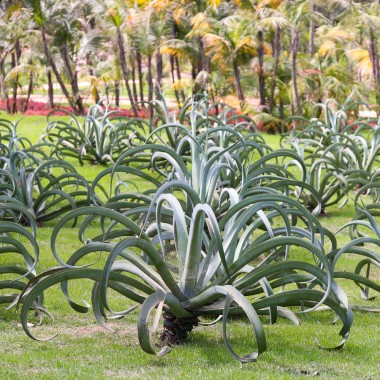
Octopus Agave is one of the most unusual and graceful members of the Agave family. Unlike the rigid, heavily armed leaves found on many agaves, this remarkable species produces long, twisting, spineless leaves that arch and curl outward in all directions, creating the appearance of a giant green octopus frozen in motion.
Native to northwestern Mexico, Octopus Agave is highly prized for its dramatic architectural form, drought tolerance, and ease of cultivation. Its soft, flowing appearance provides a striking contrast to the bold geometry of most desert plants, making it a favorite among landscape designers and collectors of unusual succulents.
Whether planted as a specimen or incorporated into xeriscape gardens, Octopus Agave creates an unforgettable focal point.
Plant Characteristics- Botanical Name: Agave vilmoriniana
- Common Names: Octopus Agave, Vilmorin's Agave
- Plant Type: Evergreen succulent
- Mature Height: 3 to 5 feet
- Mature Width: 5 to 8 feet
- Growth Rate: Moderate to fast
- USDA Zones: 8b to 11
- Foliage Color: Blue-green to gray-green
- Leaf Characteristics: Long, twisting, nearly spineless leaves
Octopus Agave is ideal for xeriscape gardens, desert landscapes, Mediterranean gardens, rock gardens, succulent collections, and modern architectural plantings.
Its flowing form provides an elegant contrast to cacti, yuccas, boulders, and rigid desert plants.
Excellent as a specimen plant where its unique shape can be fully appreciated.
Germination InformationAgave seeds germinate readily under warm conditions.
- Sow seeds on the surface of a well-drained cactus mix.
- Lightly cover with fine sand or grit.
- Maintain temperatures between 70 and 85°F.
- Keep evenly moist but never saturated.
- Provide bright indirect light.
- Germination typically occurs within 1 to 4 weeks.
Octopus Agave thrives in full sun and exceptionally well-drained soils.
Once established, plants exhibit excellent drought tolerance and require very little supplemental irrigation.
Avoid poorly drained sites, especially during winter months.
Plants develop their best form when given adequate space to spread naturally.
Container GrowingOctopus Agave performs exceptionally well in large containers and decorative planters.
Its sculptural appearance makes it a favorite for patios, courtyards, and poolside displays.
Use a fast-draining cactus or succulent soil mix for best results.
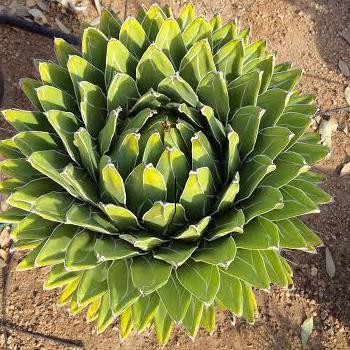
Queen Agave is widely regarded as one of the most beautiful and elegant agaves in the world. Distinguished by its perfectly symmetrical rosette and striking white markings that outline each leaf, this extraordinary species appears almost hand-crafted rather than naturally grown.
Native to the rugged limestone mountains of northeastern Mexico, Queen Agave combines remarkable architectural beauty with exceptional drought tolerance and longevity. Its compact size, geometric perfection, and dramatic contrast between dark green foliage and bright white leaf margins have made it one of the most sought-after agaves among collectors, botanical gardens, and landscape designers.
Few succulents possess the refined beauty and sculptural presence of this magnificent species.
Plant Characteristics- Botanical Name: Agave victoriae-reginae
- Common Names: Queen Agave, Royal Agave, Queen Victoria Agave
- Plant Type: Evergreen succulent
- Mature Height: 1 to 2 feet
- Mature Width: 1.5 to 3 feet
- Growth Rate: Slow
- USDA Zones: 8 to 11
- Foliage Color: Deep green with brilliant white markings
- Leaf Characteristics: Thick triangular leaves arranged in a near-perfect rosette
Queen Agave is ideal for succulent collections, xeriscape gardens, rock gardens, container displays, desert landscapes, courtyard gardens, and modern architectural plantings.
Its compact size makes it especially valuable where larger agaves would overwhelm the landscape.
Often used as a specimen plant where its symmetry can be fully appreciated.
Germination InformationSeeds germinate readily when provided warmth and proper drainage.
- Sow seeds on the surface of a well-drained cactus mix.
- Lightly cover with fine sand or grit.
- Maintain temperatures between 70 and 85°F.
- Keep evenly moist but not saturated.
- Provide bright indirect light.
- Germination generally occurs within 1 to 4 weeks.
Queen Agave thrives in full sun to light shade and requires exceptionally well-drained soil.
Once established, plants are highly drought tolerant and require very little supplemental irrigation.
Overwatering is one of the few common causes of failure.
The plant's compact form develops most beautifully when grown in bright light with excellent air circulation.
Container GrowingQueen Agave is one of the finest agaves for container culture.
Its compact size and near-perfect symmetry make it ideal for decorative pots, succulent displays, patios, and courtyards.
Use a fast-draining cactus mix and containers with excellent drainage.
Drought ToleranceOnce established, Queen Agave exhibits exceptional drought tolerance.
Its thick succulent leaves efficiently store water, allowing it to thrive in harsh, arid environments.
The species is particularly well-suited to water-wise and xeriscape landscapes.
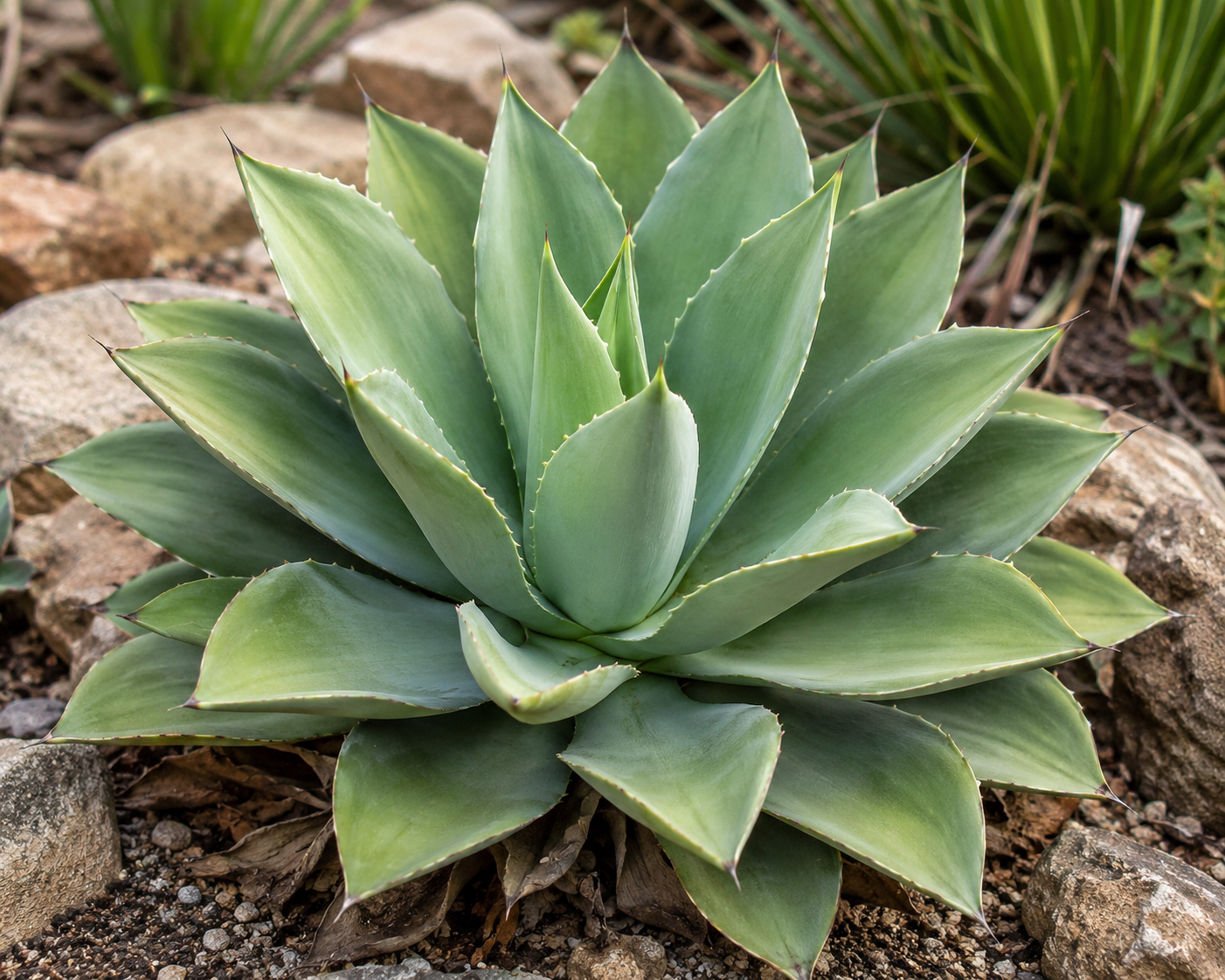
Ellemeet Agave (Agave ellemeetiana var. subdentata) is an elegant ornamental agave prized for its graceful rosette of broad, soft green leaves with gently undulating margins. Unlike many agave species, the leaves have only small marginal teeth and lack the large, formidable terminal spines found on most desert agaves, giving the plant a softer, more refined appearance. Its smooth foliage and symmetrical growth habit make it an outstanding specimen for containers, rock gardens, succulent collections, and water-wise landscapes.
Native to the mountainous regions of Mexico, this attractive agave is well adapted to warm, sunny conditions and thrives in well-drained soil. Mature plants form handsome solitary rosettes that gradually develop into impressive architectural specimens. Their distinctive form provides year-round interest and combines beautifully with cacti, yuccas, aloes, and other drought-tolerant plants. Ellemeet Agave is equally at home in decorative patio containers where its sculptural beauty can be appreciated up close.
Easy to grow and requiring very little maintenance once established, Ellemeet Agave is an excellent choice for xeriscapes, Mediterranean-style gardens, and collectors of unusual succulents. Plants tolerate heat and periods of drought exceptionally well but benefit from occasional watering during extended dry spells. Whether grown as a striking focal point in the landscape or as a handsome container specimen, this beautiful agave offers lasting beauty with minimal care and is a rewarding addition to almost any sunny garden.
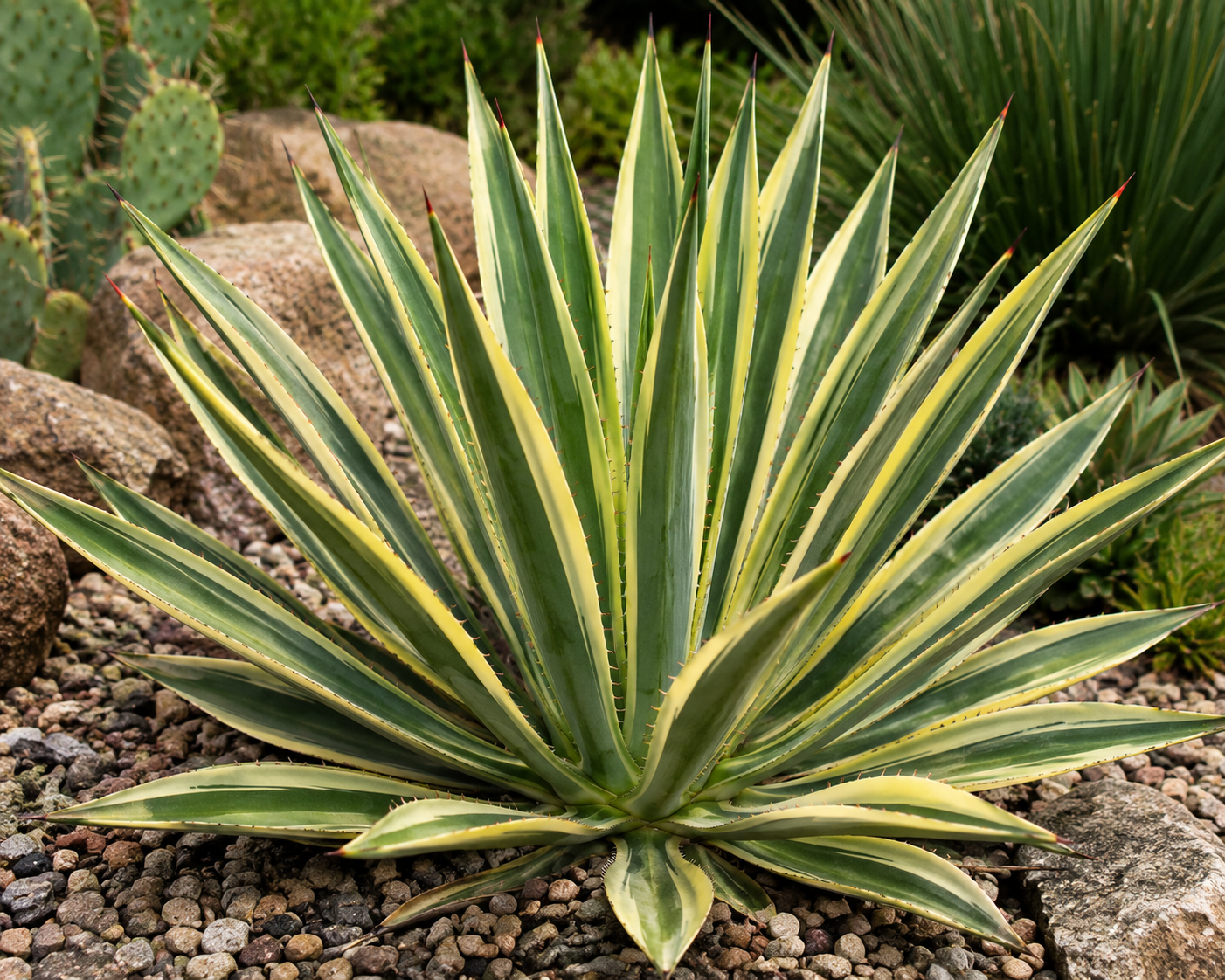
Caribbean Agave (Agave angustifolia 'Marginata') is a striking variegated succulent admired for its bold architectural form and colorful foliage. The graceful rosettes are composed of long, narrow blue-green leaves edged with broad creamy-yellow margins, creating a dramatic contrast that brightens gardens year-round. Small marginal teeth and a sharp terminal spine give the plant its classic agave character while maintaining an elegant, symmetrical appearance that makes it an outstanding focal point.
This beautiful selection thrives in full sun and well-drained soil, where it develops into an impressive specimen well suited for xeriscapes, rock gardens, Mediterranean-style landscapes, and large decorative containers. The colorful variegation remains attractive throughout the year and pairs beautifully with cacti, yuccas, aloes, ornamental grasses, and other drought-tolerant plants. Its exceptional heat tolerance and low water requirements make it an excellent choice for water-wise gardening.
Easy to grow and requiring very little maintenance once established, Caribbean Agave is valued for its durability as well as its ornamental beauty. Plants tolerate prolonged periods of drought and thrive in hot, sunny locations with excellent drainage. Whether planted as a dramatic landscape accent or displayed in a decorative container on a patio or terrace, this handsome variegated agave provides year-round color, texture, and architectural interest with minimal care.
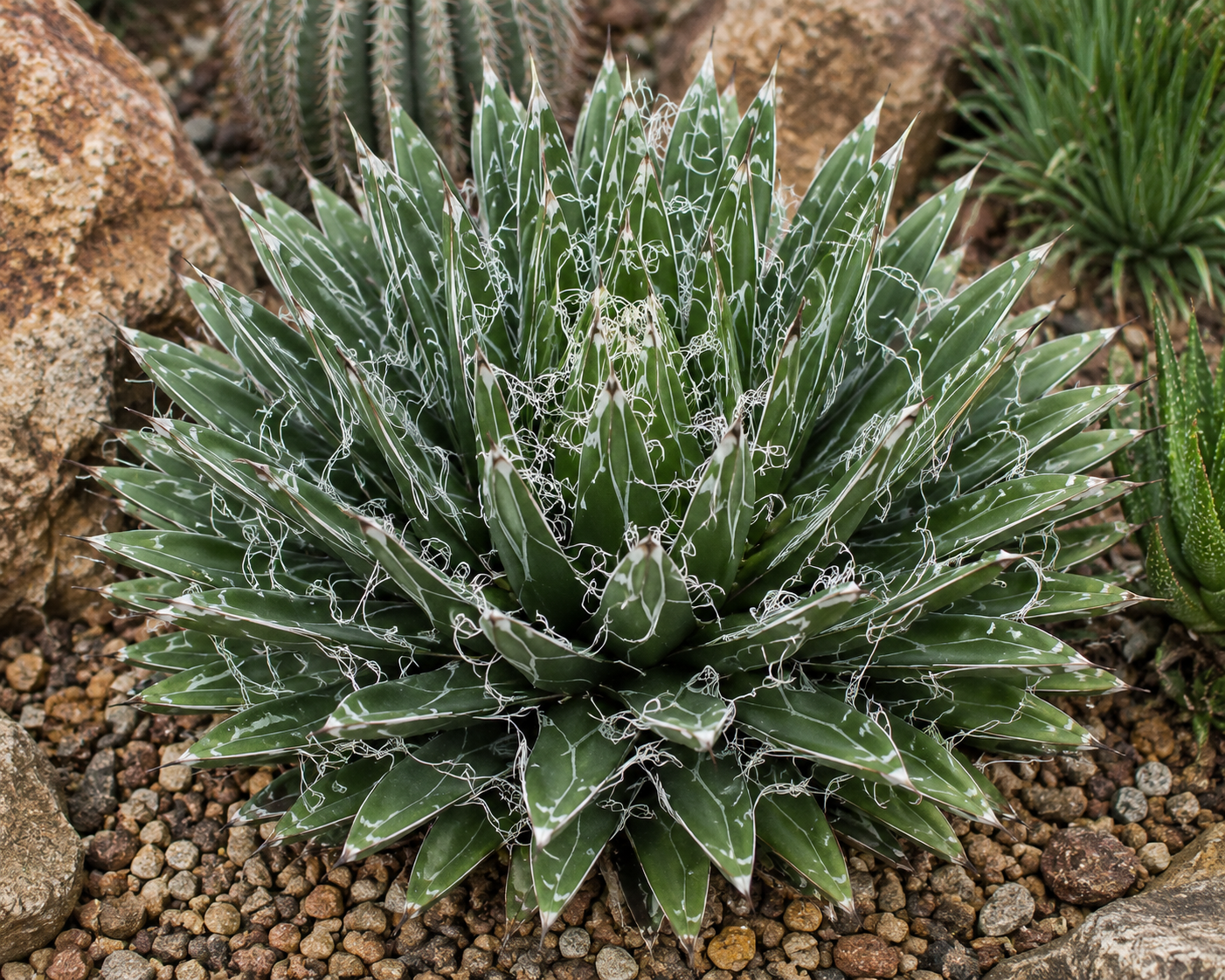
Thread Leaf Agave (Agave filifera) is one of the most distinctive and ornamental agaves, prized for its compact rosettes of deep green leaves adorned with attractive white bud imprints and delicate curling white filaments along the leaf margins. These naturally occurring thread-like fibers give the plant its common name and create a striking architectural appearance unlike any other agave. Its symmetrical form and unique texture make it a favorite among succulent collectors and landscape designers alike.
Native to the rocky hillsides of central Mexico, Thread Leaf Agave thrives in full sun and well-drained soil, where it develops into a dense, attractive rosette typically reaching 18 to 24 inches tall and wide. The dramatic white threads and contrasting dark green foliage provide year-round interest in rock gardens, xeriscapes, desert landscapes, and decorative containers. It combines beautifully with cacti, aloes, yuccas, and other drought-tolerant plants, creating stunning low-maintenance landscape displays.
Exceptionally easy to grow, Thread Leaf Agave requires very little care once established and is highly tolerant of heat, drought, and poor soils. Plants perform best in locations with excellent drainage and only occasional watering after establishment. Whether used as an eye-catching specimen plant, a container centerpiece, or part of a water-wise landscape, Thread Leaf Agave offers outstanding ornamental value, unique texture, and year-round beauty with minimal maintenance.
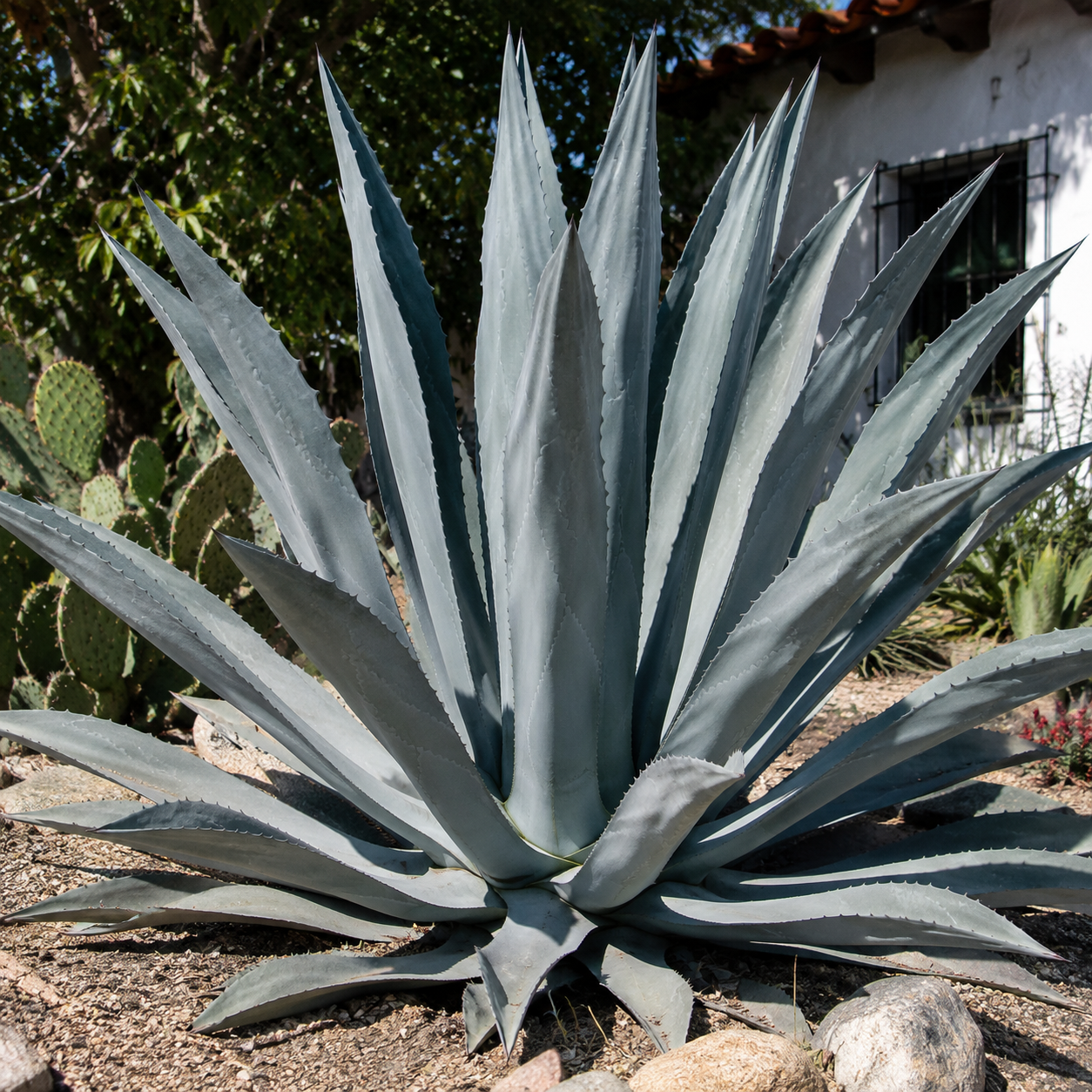
Tequila/Mezcal Agave (Agave americana), commonly known as the Century Plant, is one of the world's most recognizable succulents, admired for its massive architectural rosettes of blue-gray leaves and its remarkable cultural history. Native to Mexico, this spectacular plant forms impressive clumps of broad, heavily armed leaves that may reach 6 to 8 feet in height and even greater width. Although often called the Century Plant, it typically flowers after 10 to 30 years depending on climate and growing conditions, producing a towering flower stalk that may exceed 20 feet before the original rosette completes its life cycle.
For thousands of years, agaves have played an important role in the daily lives of the peoples of Mexico and the American Southwest. Long before European settlement, Indigenous cultures harvested agaves for food, fiber, roofing material, rope, soap, needles, and fermented beverages. The large central heart, or "piña," was traditionally roasted in underground ovens where the natural starches were converted into sweet sugars, creating a nutritious food with a rich, caramel-like flavor. Strong fibers extracted from the leaves were woven into cordage, nets, sandals, mats, and textiles, while the sharp leaf tips often served as natural sewing needles complete with attached fiber thread.
Perhaps no plant is more closely associated with the history of Mexico than agave. For centuries, roasted agave hearts were fermented to produce pulque, a traditional beverage considered sacred by many Indigenous civilizations. Following the introduction of distillation by Spanish settlers during the 16th century, distilled agave spirits gradually evolved into what are now known as mezcal and, later, tequila. While true tequila is produced exclusively from Blue Weber Agave (Agave tequilana), many other agave species, including Agave americana, have historically been used in the production of regional mezcals and continue to be utilized in certain traditional spirits today. This rich heritage has made agaves an enduring symbol of Mexican culture and craftsmanship.
Beyond its fascinating history, Tequila/Mezcal Agave is an outstanding ornamental landscape plant. Its bold, symmetrical form creates a dramatic focal point in xeriscapes, desert gardens, Mediterranean landscapes, and large decorative containers. The striking blue-gray foliage contrasts beautifully with flowering perennials, ornamental grasses, cacti, yuccas, and other drought-tolerant plants. Mature specimens become increasingly impressive with age, developing into magnificent architectural features that require very little maintenance.
Easy to grow and exceptionally drought tolerant, Tequila/Mezcal Agave thrives in full sun and well-drained soil where it requires only occasional watering after establishment. Plants are well suited to hot, dry climates and perform best in locations with excellent drainage. Whether grown for its remarkable beauty, historical significance, or as a living connection to one of the world's oldest cultivated plants, Tequila/Mezcal Agave is a rewarding addition to any succulent collection or water-wise landscape.
And check out our Complete Agave Growing Guide

Contact Us | Privacy Policy | About Us
Serving gardeners since 1992
State of Mississippi Seedmen's Permit #C-391, Ohio 90152, Minnesota 20086777