
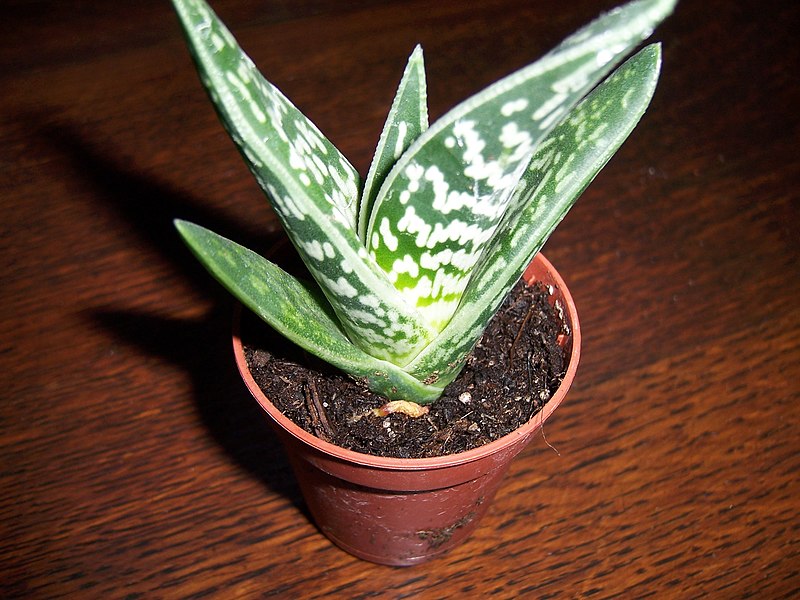

Aloe variegata, commonly known as Partridge Breast Aloe or Tiger Aloe, is one of the most attractive and distinctive aloe species in cultivation. Unlike many larger aloes grown primarily for their flowers, this compact species is prized equally for its beautiful foliage and colorful blooms.
The thick triangular leaves are decorated with rows of creamy-white markings arranged in attractive bands across dark green foliage. These intricate patterns resemble the plumage of a partridge, inspiring one of its most widely recognized common names.
Compact, drought tolerant, and exceptionally ornamental, Aloe variegata is among the finest aloe species for containers, succulent gardens, and collectors.
Plant Characteristics- Botanical Name: Aloe variegata
- Common Names: Partridge Breast Aloe, Tiger Aloe, Variegated Aloe
- Plant Type: Evergreen succulent
- Mature Height: 8 to 12 inches
- Mature Width: 8 to 12 inches
- Growth Rate: Slow to moderate
- USDA Zones: 9 to 11
- Foliage Color: Dark green with white markings
- Flower Color: Coral-pink to orange-red
Aloe variegata is ideal for succulent gardens, rock gardens, container displays, patio planters, windowsill collections, and drought-tolerant landscapes.
Its compact size makes it particularly valuable where space is limited.
The decorative foliage provides year-round interest even when plants are not flowering.
Germination InformationAloe seeds germinate readily when provided warmth and moisture.
- Sow seeds on the surface of a well-drained cactus mix.
- Lightly cover with fine sand.
- Maintain temperatures between 70 and 80°F.
- Keep evenly moist but not wet.
- Provide bright indirect light.
- Germination typically occurs within 2 to 6 weeks.
Aloe variegata thrives in bright light, full sun, or light partial shade.
Well-drained soil is essential, as overly wet conditions can lead to root rot.
Water thoroughly, then allow soil to dry before watering again.
Plants are highly drought tolerant once established.
Container GrowingThis species is exceptionally well suited to container culture and indoor growing.
Its compact size allows it to thrive in decorative pots, succulent arrangements, and windowsill gardens.
Use a fast-draining cactus or succulent soil mix for best results.
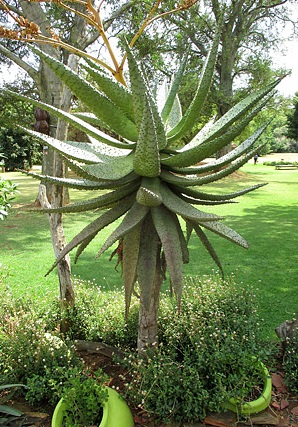
Mountain Aloe is one of the most impressive and majestic aloe species in cultivation. Native to the mountainous regions of southern Africa, this massive succulent develops into a dramatic trunk-forming specimen crowned by a dense rosette of broad gray-green leaves armed with reddish-brown spines.
As plants mature, they become truly spectacular landscape specimens, producing enormous candelabra-like flower displays that can be seen from great distances. During bloom, hundreds of brilliant orange to red-orange flowers cover the branching flower stalks, creating one of the most breathtaking floral displays in the succulent world.
Its combination of size, beauty, drought tolerance, and architectural form has made Mountain Aloe one of the premier landscape aloes for warm climates worldwide.
Plant Characteristics- Botanical Name: Aloe marlothii
- Common Names: Mountain Aloe, Flat-Flowered Aloe
- Plant Type: Evergreen succulent
- Mature Height: 8 to 15 feet
- Mature Width: 6 to 10 feet
- Growth Rate: Moderate
- USDA Zones: 9 to 11
- Foliage Color: Gray-green to blue-green
- Flower Color: Orange, red-orange, or yellow-orange
Mountain Aloe is ideal for xeriscape gardens, desert landscapes, succulent collections, Mediterranean gardens, public plantings, and large-scale architectural landscapes.
Its imposing size makes it a superb specimen plant and focal point.
Mature plants create dramatic silhouettes and year-round visual interest.
Germination InformationAloe seeds germinate readily under warm, moist conditions.
- Sow seeds on the surface of a well-drained cactus mix.
- Lightly cover with fine sand.
- Maintain temperatures between 70 and 85°F.
- Keep evenly moist but not saturated.
- Provide bright indirect light.
- Germination typically occurs within 2 to 6 weeks.
Mountain Aloe thrives in full sun and exceptionally well-drained soil.
Once established, plants are highly drought tolerant and require minimal supplemental irrigation.
Excellent drainage is essential, particularly during cooler weather.
The species develops best when given ample room to mature into its full architectural form.
Container GrowingYoung plants can be grown successfully in containers, but mature specimens eventually require large landscape settings.
Container-grown plants should be provided with deep pots and excellent drainage.
Many collectors grow young specimens for years before transplanting them into the landscape.
Drought ToleranceOnce established, Mountain Aloe exhibits exceptional drought tolerance.
Its thick succulent leaves efficiently store water, allowing the plant to thrive in regions with extended dry seasons.
The species is highly valued in water-wise and xeriscape landscapes.
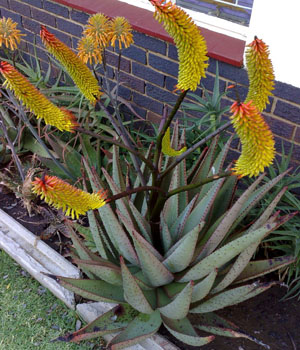
Aloe spectabilis lives up to its name in every way. The species name "spectabilis" literally means "spectacular," and few aloes deserve that description more. Native to the rocky hillsides of South Africa, this magnificent species develops into a large trunk-forming succulent crowned by a massive rosette of broad gray-green leaves and stunning flower displays.
During bloom season, mature plants produce towering flower spikes covered with dense clusters of brilliant orange-red blossoms that attract birds, butterflies, bees, and hummingbirds. The vibrant flowers stand above the foliage like giant flaming torches, creating one of the most dramatic displays in the succulent world.
Its combination of impressive size, architectural beauty, and brilliant flowers makes Aloe spectabilis one of the finest landscape aloes available.
Plant Characteristics- Botanical Name: Aloe spectabilis
- Common Names: Aloe Spectabilis, Spectacular Aloe
- Plant Type: Evergreen succulent
- Mature Height: 6 to 12 feet
- Mature Width: 5 to 8 feet
- Growth Rate: Moderate
- USDA Zones: 9 to 11
- Foliage Color: Gray-green to blue-green
- Flower Color: Bright orange-red
Aloe spectabilis is ideal for xeriscape gardens, desert landscapes, Mediterranean gardens, succulent collections, public plantings, and large-scale architectural landscapes.
Its impressive form makes it an outstanding specimen plant and focal point.
Mature plants create year-round visual impact even when not flowering.
Germination InformationSeeds germinate readily when provided warmth and moisture.
- Sow seeds on the surface of a well-drained cactus mix.
- Lightly cover with fine sand.
- Maintain temperatures between 70 and 85°F.
- Keep evenly moist but never saturated.
- Provide bright indirect light.
- Germination generally occurs within 2 to 6 weeks.
Aloe spectabilis thrives in full sun and exceptionally well-drained soils.
Once established, it exhibits excellent drought tolerance and requires little supplemental irrigation.
Provide adequate space for mature development, as plants become large landscape specimens over time.
Good drainage is essential to prevent root problems.
Container GrowingYoung plants can be successfully grown in containers for many years.
Mature specimens eventually require landscape planting due to their size.
Use a fast-draining cactus mix and containers with excellent drainage.
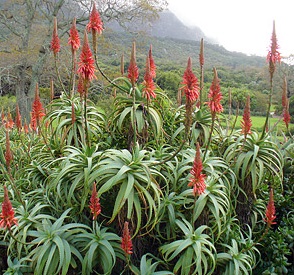
Torch Aloe is one of the most widely cultivated and admired aloe species in the world. Native to southern Africa, this vigorous succulent is prized for its spectacular winter flower displays, ease of cultivation, and remarkable adaptability to a wide range of growing conditions.
Unlike many solitary aloes, Torch Aloe naturally forms large multi-headed clumps of arching gray-green foliage. During winter and early spring, mature plants erupt into brilliant displays of fiery red, orange-red, or occasionally yellow flower spikes that rise above the foliage like flaming torches, giving rise to the plant's common name.
Its reliability, beauty, and wildlife value have made Torch Aloe a cornerstone of drought-tolerant gardens throughout warm regions of the world.
Plant Characteristics- Botanical Name: Aloe arborescens
- Common Names: Torch Aloe, Candelabra Aloe, Krantz Aloe
- Plant Type: Evergreen succulent shrub
- Mature Height: 6 to 10 feet
- Mature Width: 6 to 12 feet
- Growth Rate: Moderate to fast
- USDA Zones: 9 to 11
- Foliage Color: Gray-green to blue-green
- Flower Color: Scarlet red, orange-red, or yellow
Torch Aloe is ideal for xeriscape gardens, Mediterranean landscapes, succulent collections, hillside plantings, wildlife gardens, coastal gardens, and large specimen displays.
Its dense clumping habit makes it useful for erosion control and dramatic mass plantings.
Mature specimens create year-round architectural interest even when not in bloom.
Germination InformationSeeds germinate readily when provided warmth and proper moisture.
- Sow seeds on the surface of a well-drained cactus mix.
- Lightly cover with fine sand.
- Maintain temperatures between 70 and 85°F.
- Keep evenly moist but not saturated.
- Provide bright indirect light.
- Germination typically occurs within 2 to 6 weeks.
Torch Aloe thrives in full sun and well-drained soil.
Once established, it exhibits excellent drought tolerance and requires little supplemental irrigation.
The species is remarkably adaptable and performs well in a variety of soil types provided drainage is adequate.
Plants benefit from occasional removal of old flower stalks and aging leaves.
Container GrowingYoung plants perform very well in containers and decorative succulent planters.
Larger specimens eventually require substantial containers or landscape planting due to their clumping growth habit.
Use a fast-draining cactus mix and avoid overwatering.
Drought ToleranceOnce established, Torch Aloe exhibits exceptional drought tolerance.
Its thick succulent leaves efficiently store water, allowing the plant to thrive during extended dry periods.
The species is highly valued in water-wise landscapes and xeriscape gardens.
Medicinal HistoryThroughout southern Africa, Torch Aloe has long been used in traditional herbal practices.
Like many aloe species, it contains compounds historically valued for a variety of medicinal purposes.
Its traditional use helped spread cultivation throughout many regions of Africa.
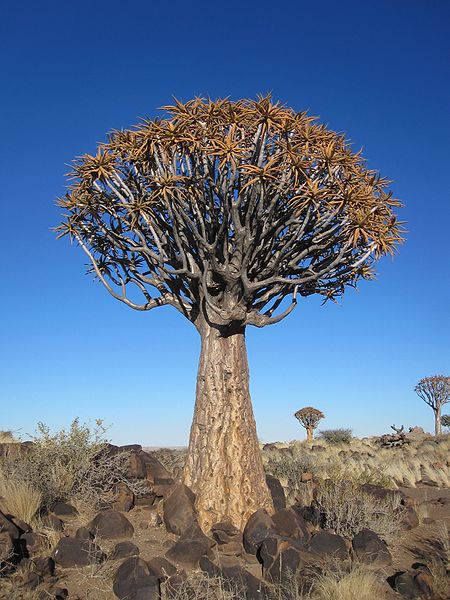

The Quiver Tree is one of the most extraordinary succulent trees in the world. Native to the arid regions of Namibia and South Africa, this magnificent species develops a massive trunk covered in smooth golden bark and a beautifully symmetrical crown of branching limbs topped with rosettes of blue-green leaves.
Unlike most aloes, which remain low-growing succulents, the Quiver Tree eventually develops into a true tree-like specimen capable of reaching impressive heights. Mature plants create unforgettable silhouettes against desert skies and have become enduring symbols of the African wilderness.
Its sculptural form, exceptional drought tolerance, and remarkable longevity make the Quiver Tree one of the most sought-after succulent trees in cultivation.
Plant Characteristics- Botanical Name: Aloe dichotoma (now often classified as Aloidendron dichotomum)
- Common Names: Quiver Tree, Kokerboom
- Plant Type: Tree-form succulent
- Mature Height: 15 to 30 feet
- Mature Width: 10 to 20 feet
- Growth Rate: Slow
- USDA Zones: 9b to 11
- Foliage Color: Blue-green to gray-green
- Flower Color: Bright yellow
Quiver Tree is ideal for desert landscapes, xeriscape gardens, botanical collections, succulent gardens, and dramatic specimen plantings.
Its unique form creates a powerful architectural statement and serves as a focal point in any landscape.
Mature specimens often become treasured landmark plants.
Germination InformationSeeds germinate readily when warmth and proper drainage are provided.
- Sow seeds on the surface of a well-drained cactus mix.
- Lightly cover with fine sand.
- Maintain temperatures between 70 and 85°F.
- Keep evenly moist but not saturated.
- Provide bright indirect light.
- Germination generally occurs within 2 to 6 weeks.
Quiver Trees thrive in full sun and exceptionally well-drained soils.
Once established, they require very little supplemental water and are among the most drought-tolerant tree-form succulents available.
Excellent drainage is absolutely essential, particularly during cool weather.
Patience is rewarded, as plants become increasingly beautiful with age.
Container GrowingYoung Quiver Trees can be successfully grown in containers for many years.
Collectors often maintain specimens in large pots before eventually planting them into the landscape.
Use a fast-draining cactus mix and avoid overwatering.
Drought ToleranceQuiver Tree exhibits exceptional drought tolerance once established.
Its succulent tissues store water efficiently, allowing survival in some of Africa's harshest desert environments.
It is among the most drought-resistant ornamental tree species available.
Longevity and SizeUnder favorable conditions, Quiver Trees can live for over 100 years and eventually develop massive sculptural trunks and crowns.
Older specimens become increasingly valuable and visually impressive with age.
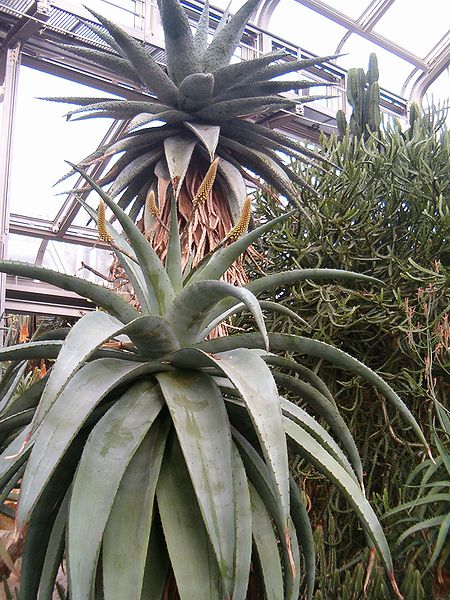

Cape Aloe is one of the most famous and historically important aloe species in the world. Native to South Africa, this magnificent tree-form succulent is admired for its towering stature, massive rosettes of spiny blue-green leaves, and spectacular displays of brilliant orange-red flowers.
For centuries, Cape Aloe has been valued not only for its ornamental beauty but also for its traditional medicinal uses. Long before the modern popularity of Aloe vera, Aloe ferox was harvested and traded extensively for its beneficial leaf compounds, earning a reputation as one of Africa's most valuable medicinal plants.
Today, it remains one of the finest ornamental aloes available, combining dramatic architectural form, exceptional drought tolerance, and breathtaking floral displays.
Plant Characteristics- Botanical Name: Aloe ferox
- Common Names: Cape Aloe, Bitter Aloe, Red Aloe
- Plant Type: Tree-form succulent
- Mature Height: 8 to 15 feet
- Mature Width: 4 to 8 feet
- Growth Rate: Moderate
- USDA Zones: 9 to 11
- Foliage Color: Gray-green to blue-green
- Flower Color: Orange-red, scarlet, or yellow-orange
Cape Aloe is ideal for xeriscape gardens, Mediterranean landscapes, succulent collections, desert gardens, coastal landscapes, and dramatic specimen plantings.
Its impressive size and bold form make it a natural focal point in the landscape.
Mature specimens provide year-round architectural interest.
Germination InformationSeeds germinate readily when warmth and moisture are provided.
- Sow seeds on the surface of a well-drained cactus mix.
- Lightly cover with fine sand.
- Maintain temperatures between 70 and 85°F.
- Keep evenly moist but not saturated.
- Provide bright indirect light.
- Germination generally occurs within 2 to 6 weeks.
Cape Aloe thrives in full sun and exceptionally well-drained soil.
Once established, plants are highly drought tolerant and require very little supplemental irrigation.
Good drainage is critical for long-term success.
The species performs particularly well in hot, sunny climates where many other ornamentals struggle.
Container GrowingYoung plants can be successfully grown in containers for several years.
Mature specimens eventually require landscape planting due to their substantial size.
Use a fast-draining cactus mix and avoid excessive watering.
Drought ToleranceOnce established, Cape Aloe exhibits exceptional drought tolerance.
Its thick succulent leaves efficiently store water, allowing it to thrive in arid and semi-arid climates.
It is an outstanding choice for water-wise landscapes and xeriscape gardens.
Medicinal HistoryAloe ferox has a long history of traditional medicinal use and remains commercially important today.
The leaf sap contains compounds that have been harvested and utilized for generations.
Many herbal preparations marketed as Cape Aloe originate from this species.
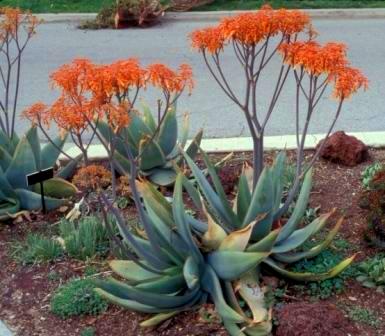
Coral Aloe is widely regarded as one of the most beautiful and refined aloe species in cultivation. Unlike many aloes that feature prominent spines and rugged foliage, Aloe striata produces smooth, broad leaves edged with delicate pink margins, creating an elegant and sophisticated appearance.
Native to South Africa, this striking succulent forms attractive solitary rosettes of blue-gray to gray-green foliage. During late winter and spring, mature plants produce spectacular branched flower stalks topped with dense clusters of coral-orange blossoms that glow brilliantly against the cool-toned foliage.
Its combination of graceful foliage, colorful flowers, and exceptional drought tolerance has made Coral Aloe a favorite among succulent enthusiasts and landscape designers worldwide.
Plant Characteristics- Botanical Name: Aloe striata
- Common Names: Coral Aloe, Striped Aloe
- Plant Type: Evergreen succulent
- Mature Height: 2 to 3 feet
- Mature Width: 2 to 4 feet
- Growth Rate: Moderate
- USDA Zones: 9 to 11
- Foliage Color: Blue-gray to gray-green with pink margins
- Flower Color: Coral-orange to salmon-orange
Coral Aloe is ideal for succulent gardens, rock gardens, Mediterranean landscapes, xeriscape plantings, container displays, and coastal gardens.
Its clean architectural form pairs beautifully with agaves, ornamental grasses, and flowering perennials.
Excellent as a specimen plant or planted in groups for dramatic visual impact.
Germination InformationSeeds germinate readily when provided warmth and proper moisture.
- Sow seeds on the surface of a well-drained cactus mix.
- Lightly cover with fine sand.
- Maintain temperatures between 70 and 85°F.
- Keep evenly moist but not saturated.
- Provide bright indirect light.
- Germination generally occurs within 2 to 6 weeks.
Coral Aloe thrives in full sun to light partial shade and requires excellent drainage.
Once established, plants are highly drought tolerant and require minimal supplemental irrigation.
Foliage coloration is often enhanced by bright sunlight and cool temperatures.
Well-drained soil is essential for long-term success.
Container GrowingCoral Aloe is exceptionally well suited to container cultivation.
Its compact size and attractive foliage make it a favorite for patios, courtyards, and decorative succulent displays.
Use a fast-draining cactus mix and avoid overwatering.
Drought ToleranceOnce established, Coral Aloe exhibits excellent drought tolerance.
Its thick succulent leaves efficiently store water, allowing it to thrive during extended dry periods.
It is an outstanding choice for water-wise landscapes and xeriscape gardens.
And check out our Complete Aloe Growing Guide

Contact Us | Privacy Policy | About Us
Serving gardeners since 1992
State of Mississippi Seedmen's Permit #C-391, Ohio 90152, Minnesota 20086777