
Seeds for Flower Bed Plants
Aster
Begonia
Cleome ( Spider Flower )
Coleus
Cosmos
Crossandra ( Firecracker Plant )
Cuphea ( Cigar Plant )
Dahlia
Delphinium ( Larkspur )
Dimorphotheca ( African Daisy )
Dusty Miller
Eschscholzia ( California Poppy )
Gazania
Geranium
Gerbera
Gomphrena ( Globe Amaranth )
Gypsophila ( Baby's Breath )
Helianthus ( Sunflower )
Helichrysum ( Everlasting Straw Flower )
Heliotrope ( Cherry Pie )
Helipterum ( Paper Daisy, Everlasting Daisy )
Hypoestes ( Polka Dot Plant )
Impatiens
Lathyrus ( Sweetpea )
Lisianthus
Lobelia
Marigold
Mimulus ( Monkey Flower )
Mirabilis ( Four O Clocks, Marvel of Peru )
Morning Glory Seeds
Myosotis ( Forget-me-nots )
Nasturtiums
Nemesia ( Fragrant Bedding Plants )
Nicotinia ( Flowering Tobacco )
Nigella ( Love-in-a-mist )
Ornamental Peppers
Osteospermum ( African Daisy, Cape Dasiy )
Pentas
Petunias
Phlox
Portulaca ( Sunrose )
Reseda ( Mignonette )
Ricinus ( Castor Oil Plant )
Sanvitalia ( Creeping Zinnia )
Scabiosa ( Pincushion Flower )
Statice ( Limonium ) Cut/Dry Flower Material
Stocks ( Old time fragrant flowers )
Tithonia ( Mexican Sunflowers )
Vinca ( Periwinkle )
Viola/Pansy
Zinnia Flower
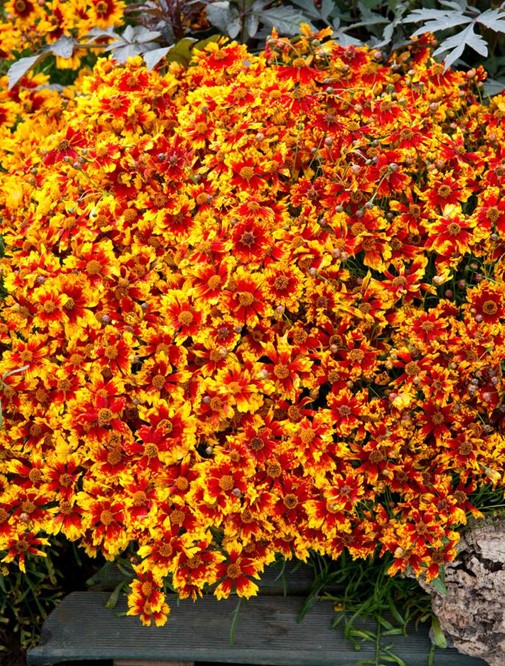
A colorful, free-flowering perennial prized for its bold daisy-like blooms and exceptionally long season of garden color. The flowers feature rich burgundy-red to wine-colored centers surrounded by contrasting golden-yellow petal tips, creating a dramatic bicolored effect that stands out beautifully in sunny plantings. Plants develop into compact, bushy clumps with fine green foliage and produce masses of flowers from early summer well into fall when conditions are favorable. Typically reaching about 12 to 18 inches tall, Boom is an excellent choice for perennial borders, cottage gardens, mass plantings, pollinator gardens, and patio containers.
Grow Boom Coreopsis in full sun and well-drained soil for the strongest plants and most abundant flowering. Once established, plants have good tolerance to heat and periods of dry weather, making them useful for sunny, lower-maintenance landscapes. Coreopsis performs especially well when overly rich soil and excessive fertilizer are avoided, as leaner conditions encourage sturdy growth and plentiful flowers. Removing faded blooms can prolong flowering and maintain a tidy appearance, although plants may continue blooming freely without constant attention. The nectar-rich flowers are attractive to bees and butterflies, adding wildlife value along with their bright summer color.
Sow seeds in a moist, well-drained seed-starting medium, pressing them into the surface and covering only lightly. Maintain temperatures around 65-75°F and consistent moisture until germination, which commonly occurs in approximately 10-21 days. Provide seedlings with strong light and transplant outdoors after danger of hard frost has passed, spacing plants sufficiently for good air circulation and mature growth.
Seedman Notes: Boom is an especially useful Coreopsis when you want something more dramatic than the traditional solid-yellow forms. Its wine-red and golden bicolored flowers provide an almost painted appearance, while the compact habit makes it equally at home in the landscape or a decorative container. Allow a few late flowers to mature if seed production is desired, but because Boom is a hybrid, seed-grown offspring may show some variation in flower color and pattern—a feature that can make growing a group from seed particularly interesting.
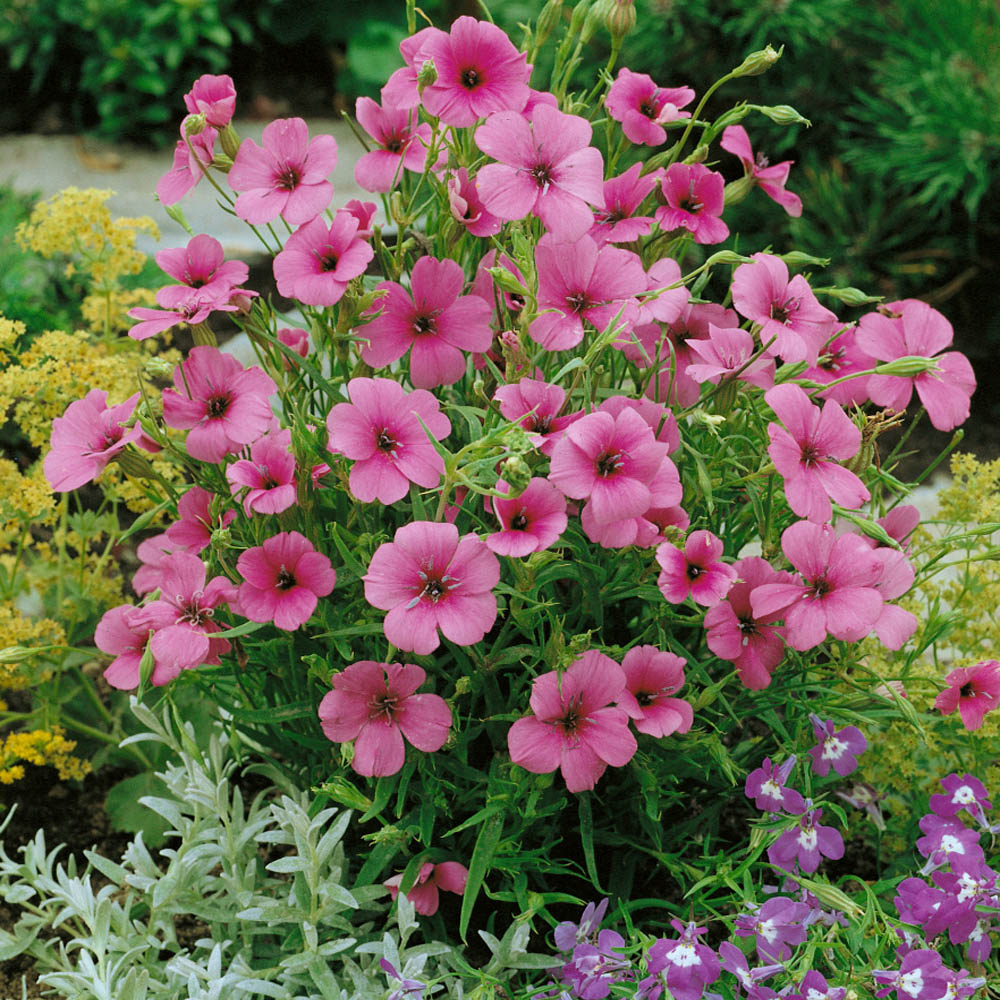
Catchfly Angel Rose has blooms that measure 2 inches across, with bright rose petals starred with an brilliant magenta eye. The Viscaria plants reach 10 inches in height and the same in width. They are not picky about soil, but it does need to be well-drained. They prefer a sunny location in the garden.
Directly sow Viscaria seeds outdoors in a prepared seedbed. Wait until last frost before planting the Viscaria Oculata seeds. Sow groups of 3-4 seeds and space them 10 inches apart. Thin to strongest plant. Rose Of Heaven Viscaria blooms in 6-8 weeks after sowing.
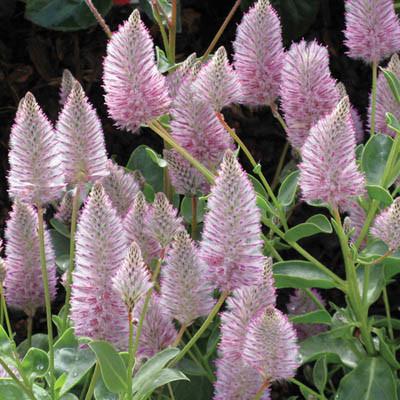
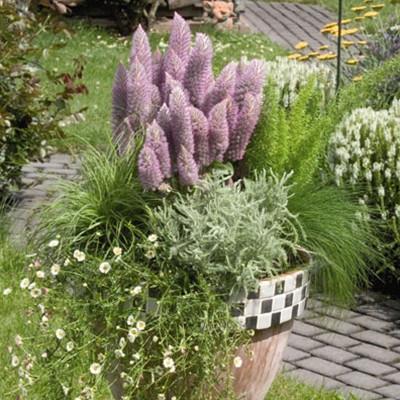
Masses of 3 to 5 inch wide, soft lavender and white fuzzy flower spikes from late spring until frost provide plentiful cut flowers.
When backlit by the sun, blooms shimmer in shades of silver and neon pink. Easy to grow 16-18 in. tall, plants with unique silver-green leaves, look nice massed in the landscape, added to mixed borders, planted in containers.
A heat and drought tolerant Australian native.


It reaches 28 inches in height and looks great when grown as a hedge along the border or in groups of 3 for focal interest. For areas with a long growing season, Kochia Burning Bush seeds can be started directly outdoors in a prepared seed bed. For earlier Kochia plants, start the seeds indoors. Transplant outdoors after danger of frost has passed. Plant in full sun. Annual.
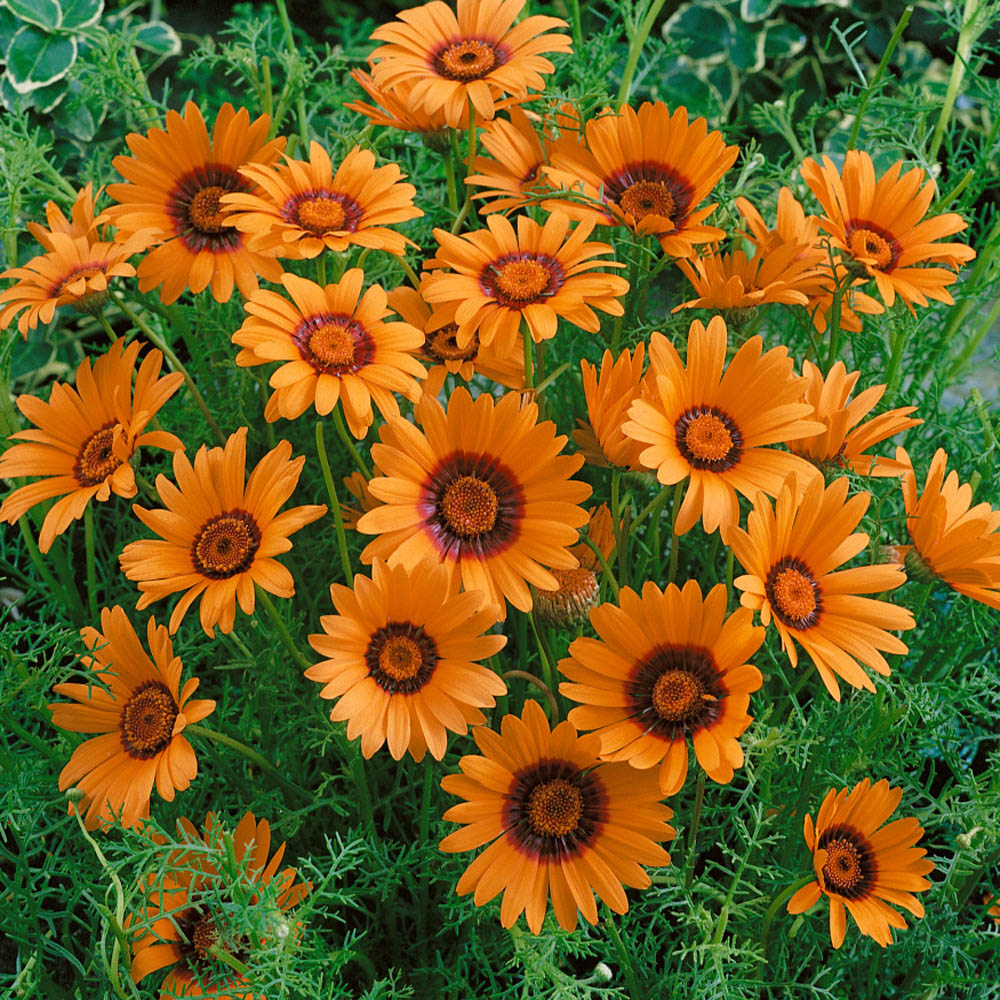
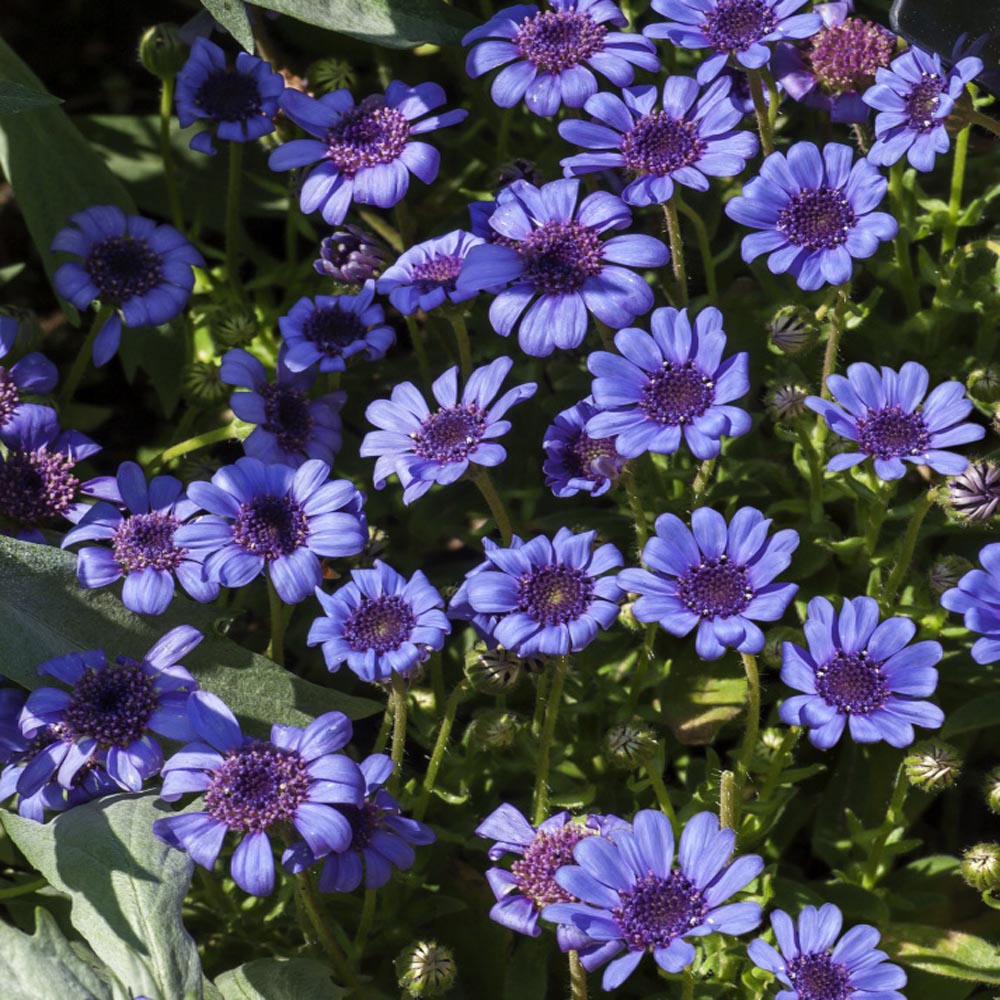
Also called Blue Kingfisher Daisy, this daisy does well in rocky or sandy soil and makes a beautiful cut flower, often grown in cutting gardens. Grows about 10 inches tall. Annual.
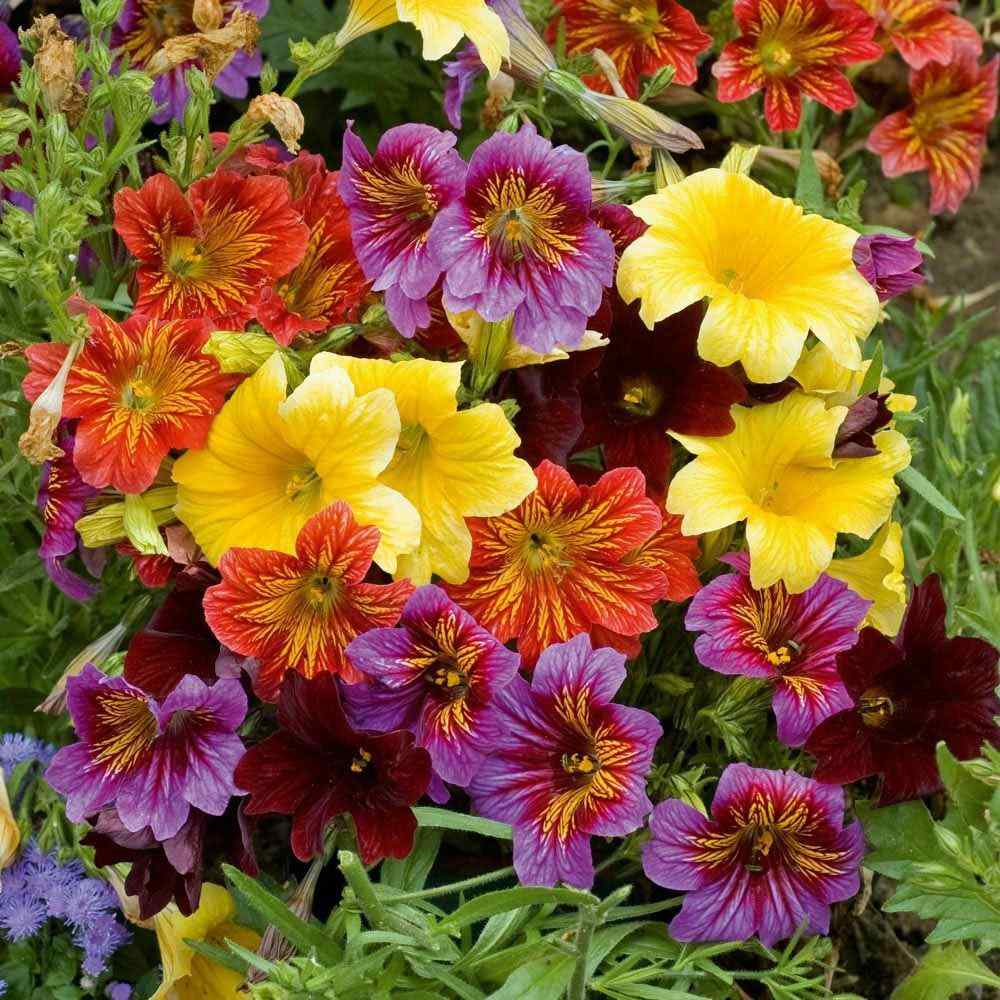
Painted Tongue is an exotic-looking annual that produces large, velvety trumpet-shaped blooms intricately veined and marbled in brilliant shades of gold, crimson, purple, blue, rose, mahogany, and cream. Flowering continuously from early summer until frost, the richly colored blossoms are carried on long, upright stems above attractive green foliage, creating a spectacular display in cutting gardens, cottage borders, and flower farm plantings. Their remarkable color patterns and luxurious texture make every flower appear hand-painted.
Long, sturdy stems and dependable vase life make Painted Tongue an outstanding cut flower for elegant floral arrangements. The richly patterned blooms remain fresh for 7 to 10 days and provide striking focal flowers for hand-tied bouquets, market bouquets, wedding arrangements, and dramatic centerpiece displays. Their jewel-like colors blend beautifully with snapdragons, scabiosa, larkspur, feverfew, sweet peas, and ornamental grasses, bringing rich texture and vibrant color to every bouquet.
Growing 24 to 36 inches tall, Painted Tongue thrives in full sun with afternoon shade in warmer climates and fertile, well-drained soil. The vigorous plants branch freely, producing an abundance of florist-quality stems throughout the growing season. Easy to grow and exceptionally rewarding, they are ideal for cutting gardens, cottage landscapes, and flower farm production, where their unique blooms provide an endless supply of extraordinary flowers for the vase.
Specifications
Botanical Name: Salpiglossis sinuata
Plant Type: Annual
Height: 24–36 inches
Spread: 12–18 inches
Flower Color: Mixed shades of crimson, purple, blue, gold, rose, mahogany, cream, and yellow with intricate veining
Bloom Season: Early summer until frost
Sun Requirements: Full sun to light afternoon shade in hot climates
Soil Requirements: Fertile, well-drained soil
Water Needs: Moderate; prefers evenly moist soil
Hardiness: Grown as an annual
Cut Flower Quality: Excellent
Vase Life: 7–10 days
Stem Length: 20–30 inches
Fresh Bouquet Use: Excellent
Dry Flower Use: Poor
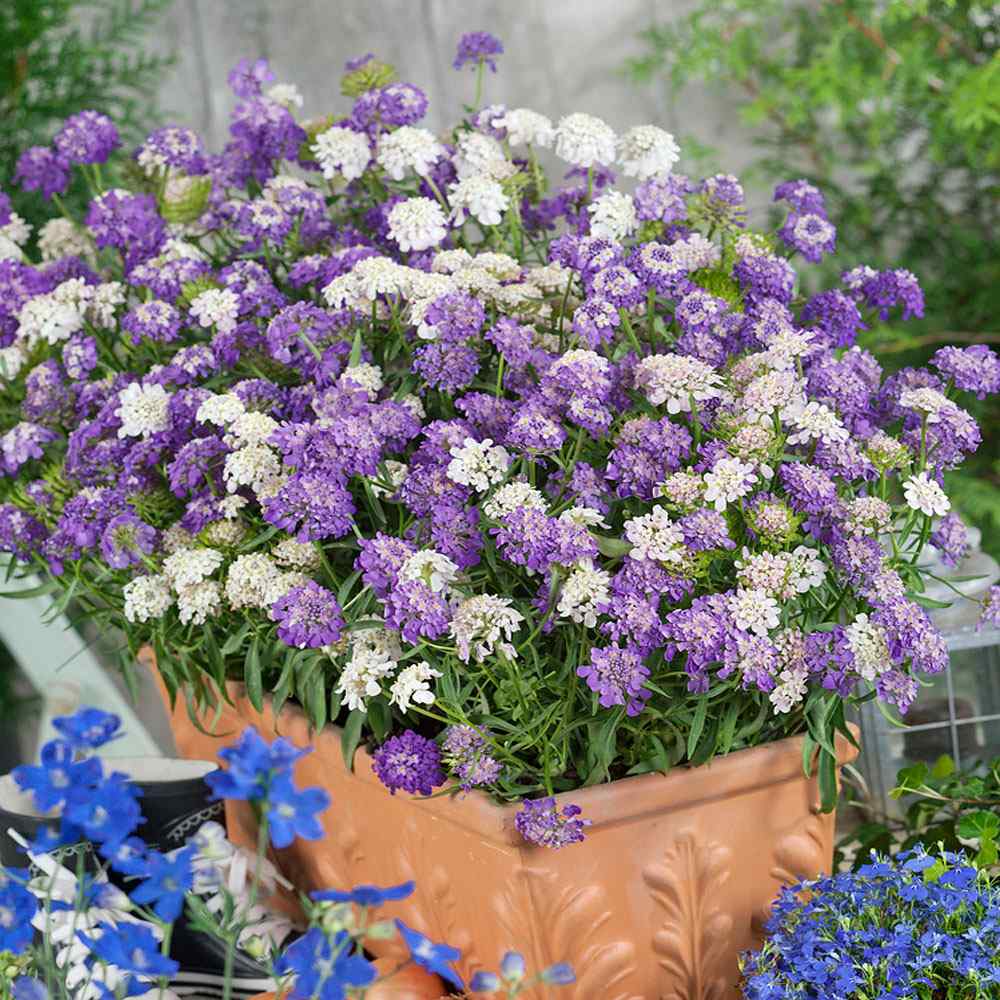
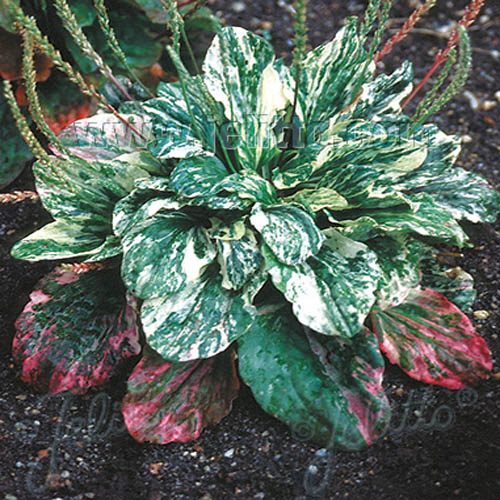
For millennia, poultices of plantain leaves have been applied to wounds, sores, and stings to promote healing.
A hardy perennial for zones 3-9. Grows about 10 inches tall.
Basic Seedsowing Info:
Sow inside at 68 degrees, if no germination in 3 to 4 weeks, move to 24-39 degrees ( fridge ) for 2-4 weeks. Average Germ Time: 21-28 days. Light required to germinate. Cover 1/16 inch. Keep seeds moist until germination.
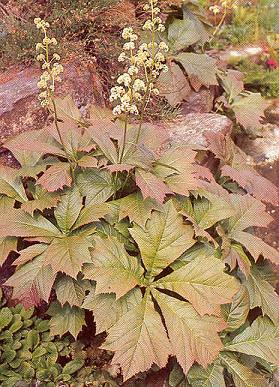
With its bold, divided leaves this forms an exotic-looking clump that adds a unique foliage accent to any moist border. Large airy plumes of soft-pink to rose-purple flowers appear in early to mid-summer, and these are useful for cutting or even drying.
Slowly gaining popularity as a unique plant in the shade garden, used primarily as a specimen, foliage has a coarse texture unlike many other shady perennials, does not like heavy clay soil. Bold, hardy, large fingered leaf with puffy bright pink blooms for moist areas as well. Grows 30 inches tall, hardy for zone 3 and higher.
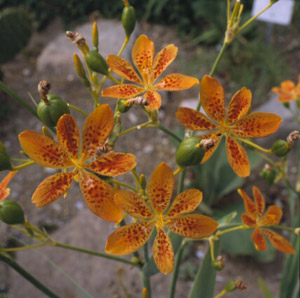
Native to China and Japan. Also called Leopard Lily the plant has iris-like medium-green foliage with tall upright lives. This lily is long blooming and blooms with very showy deep-orange flowers 2 inches in diameter. The 6 petal flowers are spotted profoundly with red dots. Blackberry Lily features distinctive seed pods that look like blackberry seed clusters.
Normally planted in cutting gardens and shrub borders. When mass planted, Blackberry Lilies makes a remarkable display in any landscape. Leopard Lily is drought tolerant and likes to grow in full sun or light shade. The well-drained soil is preferable for the best performance. This variety of Blackberry Lily calls Freckle Face, and it is pest and disease resistant. The plant is an exceptional cut flower and can be dried too.
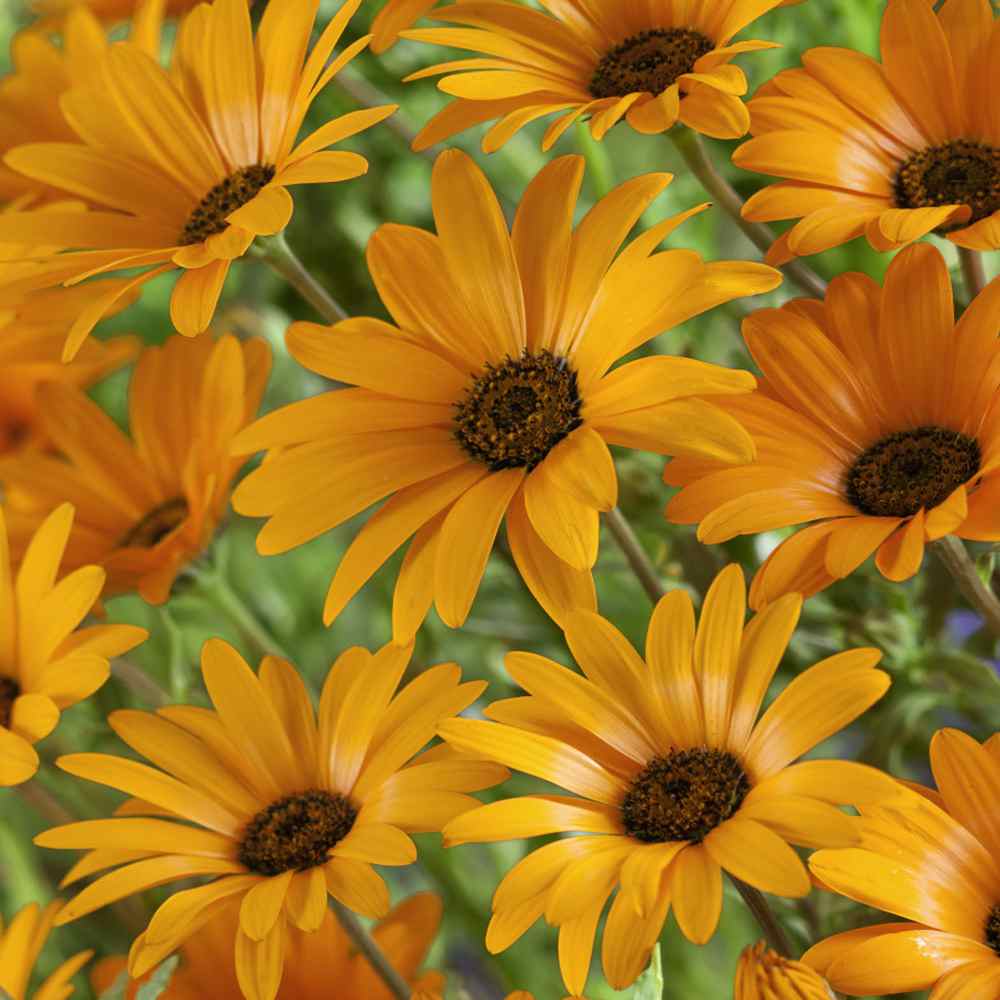
They leaves are slender, spoon-shaped, reaching up to 3 inches long. The stems are reddish in color and are often covered by the masses of leaves around them. Features remarkably big orange flowers that have orange centers. They need full sun to open and they always face the sun.
Grows about 12 inches tall, a perennial for zones 3-10.
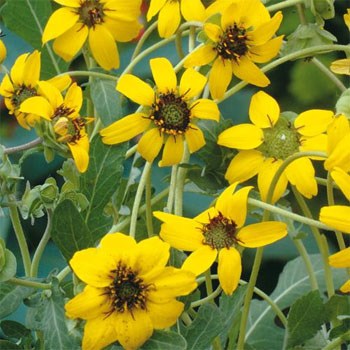
The Chocolate Flower plant starts out small, but each spring the crown grows larger and the plant can eventually spread to about 24 inches across. Chocolate Daisies have a rather airy growth, and they make a nice informal edging plant. Berlandiera is most impressive and most fragrant when planted in groups. Chocolate Flowers are night time bloomers, and their cocoa scent is strongest in the morning hours.
For zones 4-10, grows about 12-18" tall.
Start seeds directly outdoors once frost danger has passed. Prepare a seedbed by loosening the soil to a depth of about 8 inches and removing all weeds. Lightly cover the seeds with soil and keep the flower seeds moist until germination occurs. Thin the seedlings to about 18 inches apart when they are several inches in height. Care of the plant includes removing spent flowers to encourage continued blooming, and cutting the entire plant back in the fall after blooming is finished.
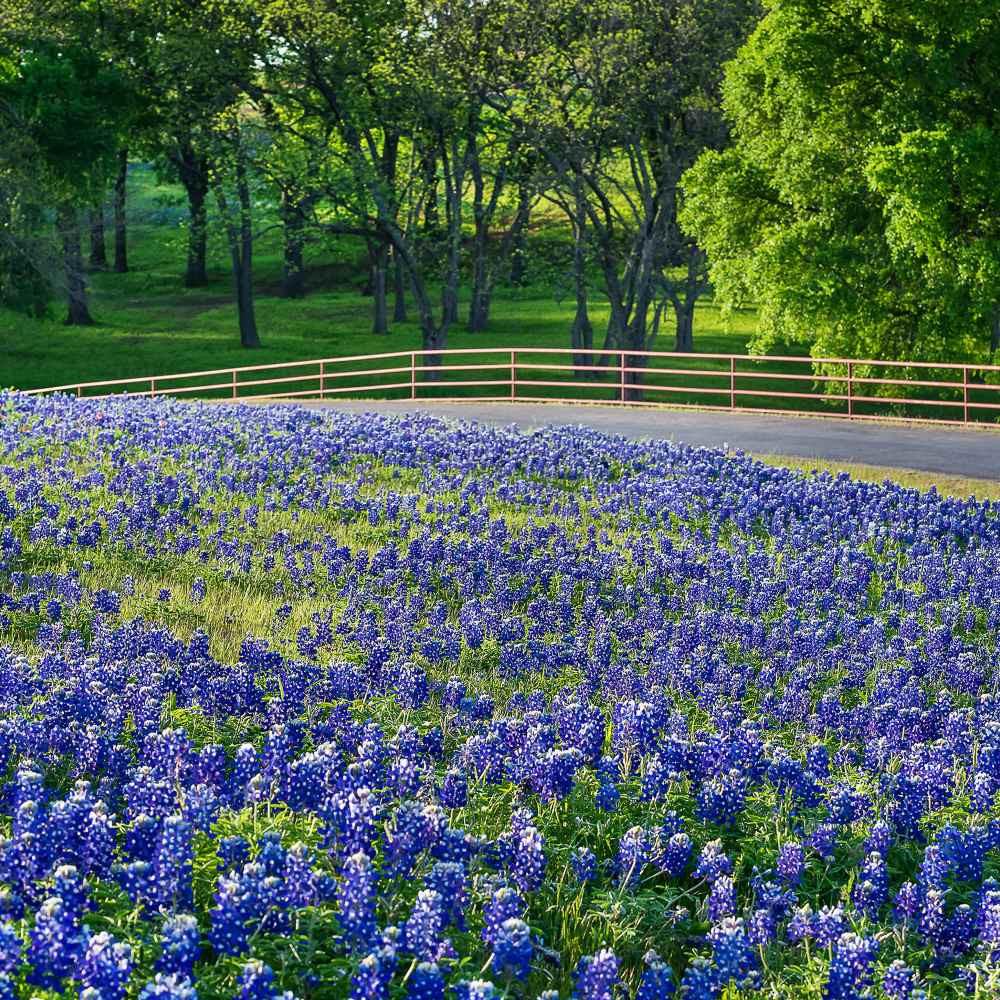
Low growing but prolific blooming, Texas Bluebonnet requires some patience, but little maintenance, once established. The same toughness and tenacity that makes this little Lupine the perfect representation of the Lone Star state also makes it slow to germinate and bloom--but once it does you will not be disappointed!
Bluebonnet flowers are prolific bloomers in early spring and are known for attracting butterflies and a variety of bees, including honeybees.
How To Grow Texas Bluebonnet From Seed: It is recommended to soak Texas Bluebonnet seeds in tepid water over night before sowing outdoors. After soaking, sow the Texas Bluebonnet wildflower seed directly into prepared soil that is loosened and weed free. A late fall sowing is recommended. To keep Texas Bluebonnet wildflowers year after year, allow the seed pods to form and drop their flower seeds. Texas Bluebonnet Lupine is moderately deer resistant and the flowers attract butterflies. An annual that will grow in zones 3-10.
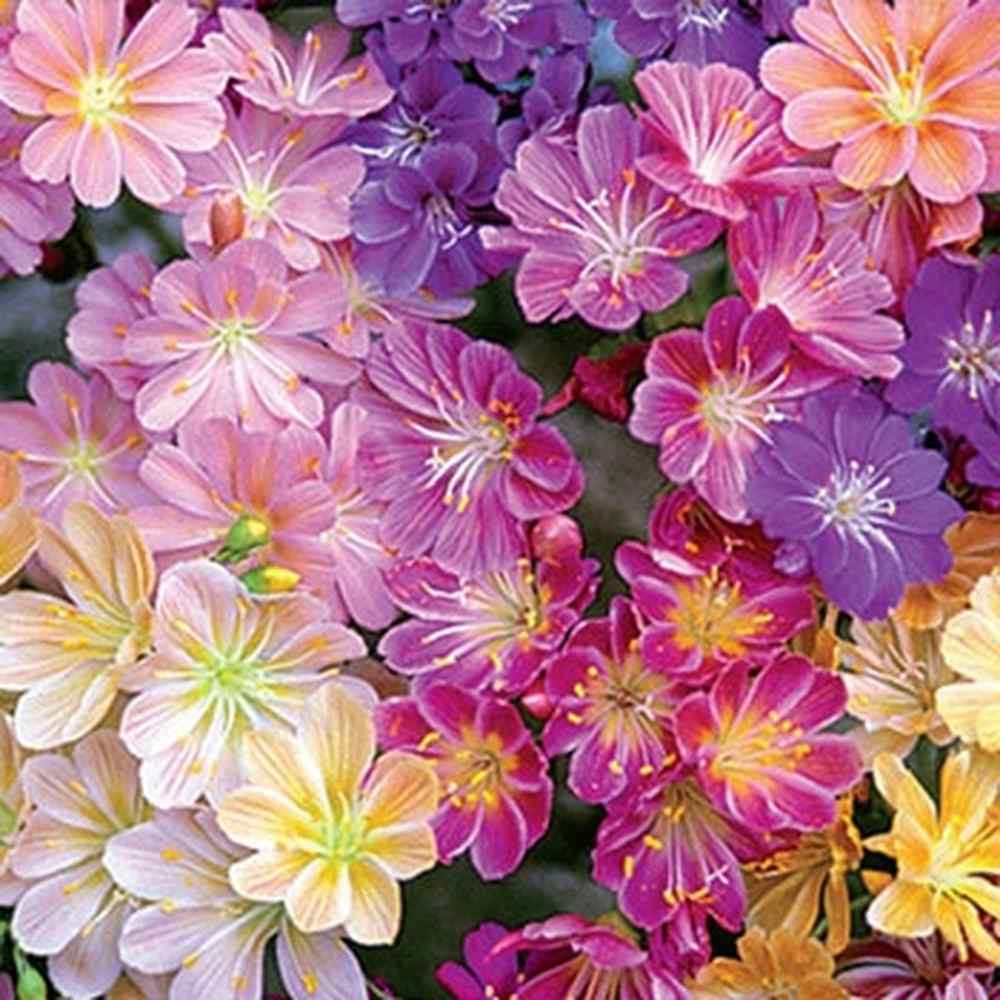
These blooming clusters grown from flower seeds are held atop sturdy 8 - 12 inch stems of the Lewisia plant. These larger flowers are held in radiating clusters above an attractive succulent five inch green rosette that develops into a considerable mound with time. Lewisia plants are deeply tap-rooted so they do not require a lot of water. Lewisia benefits from some dryness, so all you have to do is plant the flower seeds in a clay pot with some gravel added or stick them in the cracks of a rock wall or enjoy them in a well-drained rock garden. Perennial for zones 4-9.
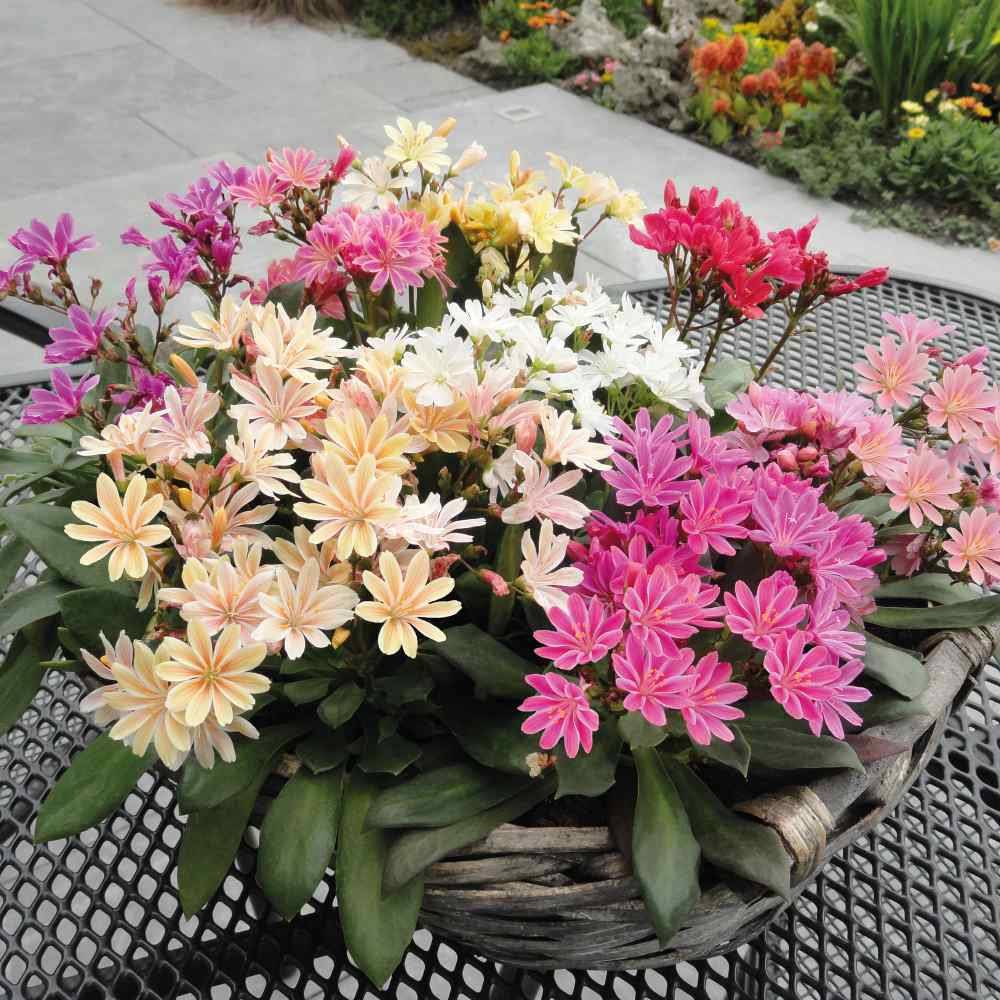
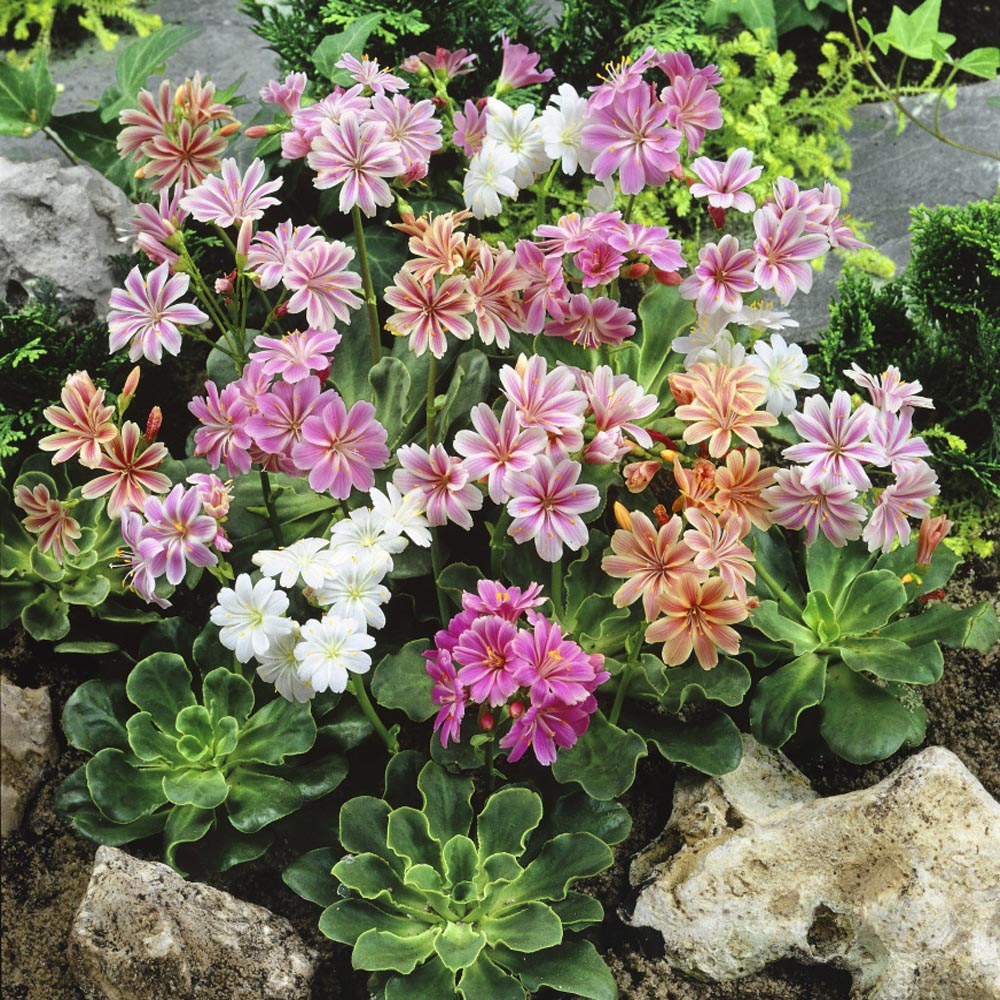
These blooming clusters are held atop sturdy six inch stems of the Lewisia plant. The one inch flowers are held in radiating clusters above an attractive succulent five inch green rosette that develops into a considerable mound with time. Lewisia plants are deeply tap-rooted so they do not require a lot of water. Lewisia benefits from some dryness, so all you have to do is plant them in a clay pot with some gravel added or stick them in the cracks of a rock wall or enjoy them in a well-drained rock garden. Perennial for zones 4-9.
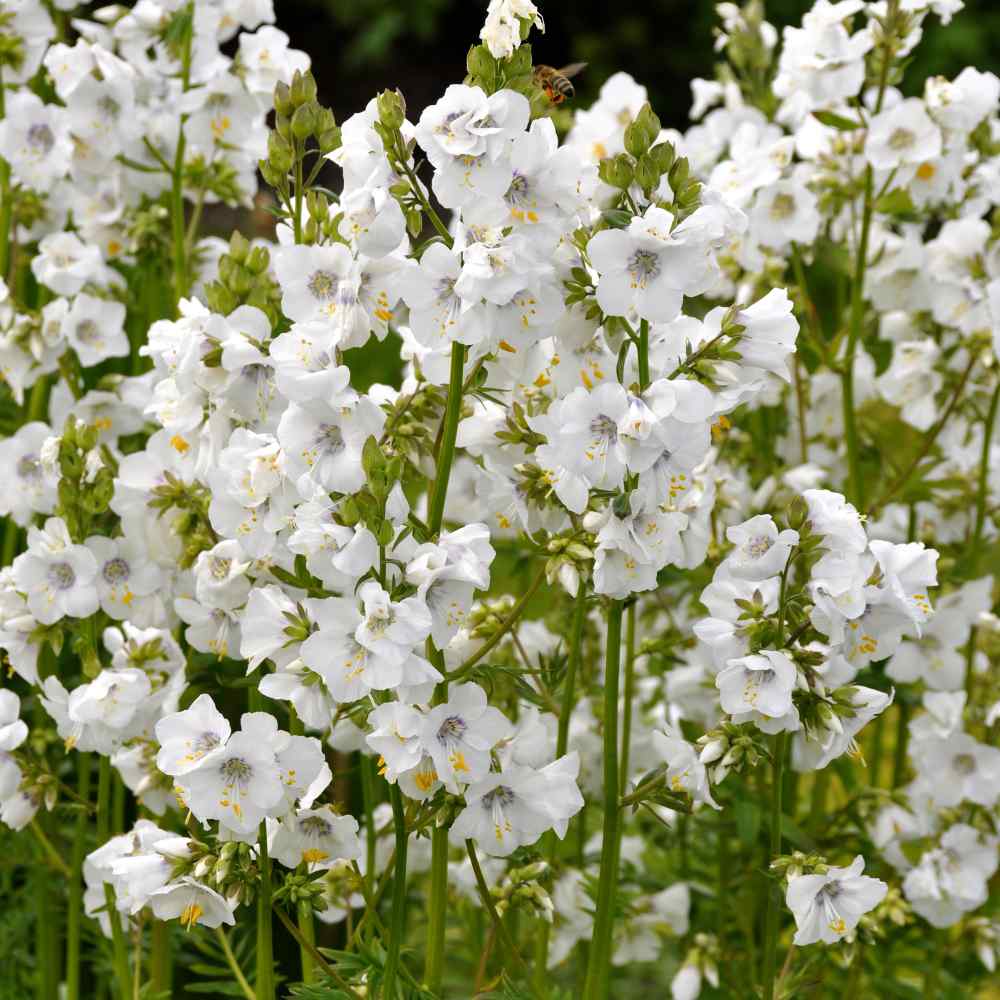
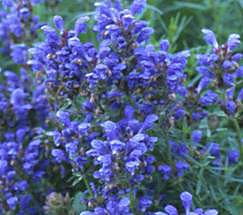
Color: Violet Blue Zone: 4-8 Spacing:18" Height: 12" Start Seeds: Anytime of year inside, for transplanting outside in Spring.
Check out our
Complete Bedding Plants Growing Guide

Contact Us | Privacy Policy | About Us
Serving gardeners since 1992
State of Mississippi Seedmen's Permit #C-391, Ohio 90152, Minnesota 20086777